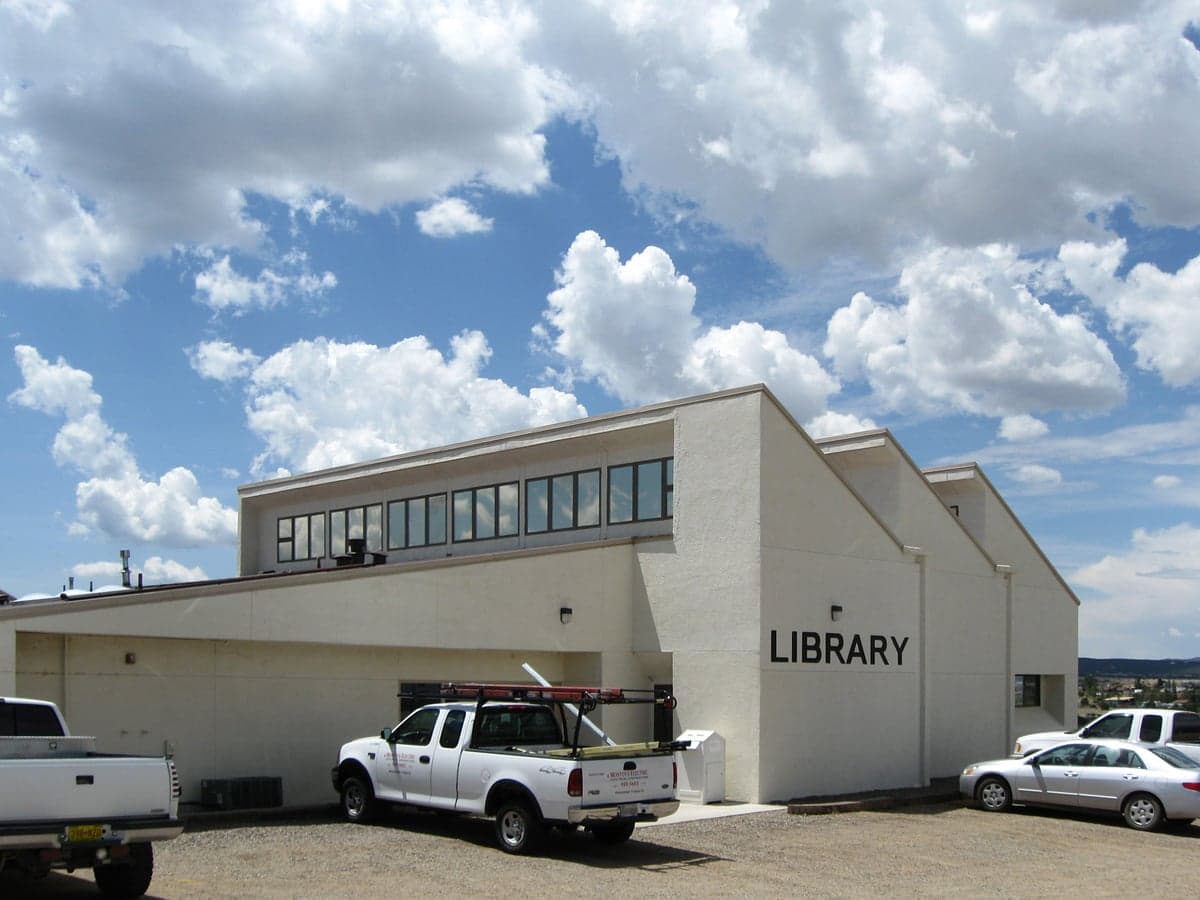
Photo: Wikipedia
Quality of Life in Edgewood, NM
Above-average quality of iife. The area offers a reasonable cost of living, decent mobility, and a mix of neighborhood amenities.
What does Quality of Life tell us?
Quality of Life blends cost of living, nearby amenities, socioeconomic signals, and neighborhood character. City-level scores represent the whole municipality; individual neighborhoods can differ.
What does this tell us?
Quality of Life blends cost of living, nearby amenities, socioeconomic signals, and neighborhood character. City-level scores represent the whole municipality; individual neighborhoods can differ.
Cost of Living
12% below national average
The Real Cost of Living in Edgewood, NM for 2026
| Tier | Individual | Family (4) |
|---|---|---|
| Survival | $15k | $28k |
| Comfortable | $54k | $79k |
| Luxury | $129k+ | $200k+ |
| Elite (Top 5%) | $152k+ | $236k+ |
102%
The Area Signal
A metric tracking the socioeconomic signals of the area.
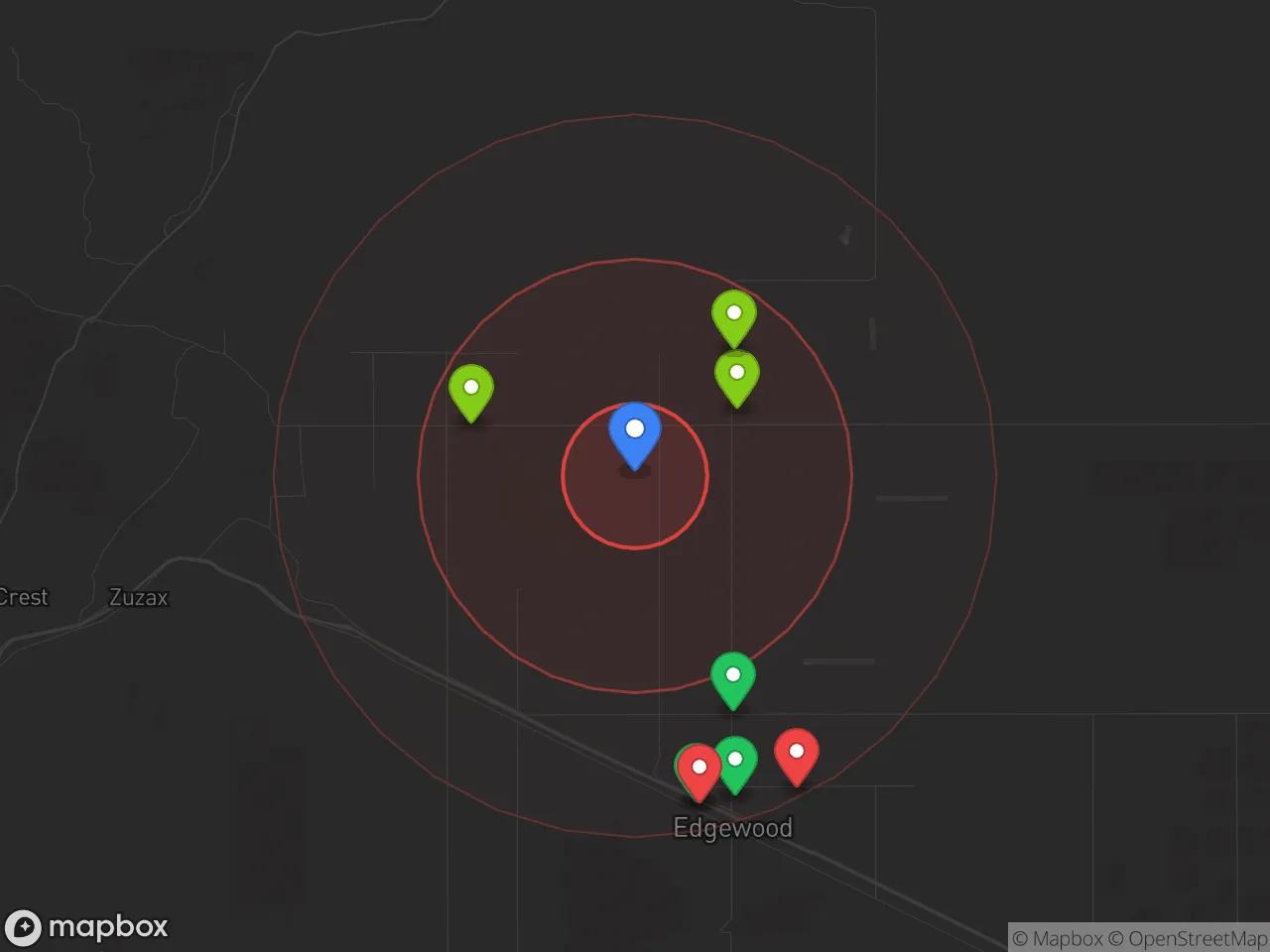
Hobbies
Explore the areaGroceries
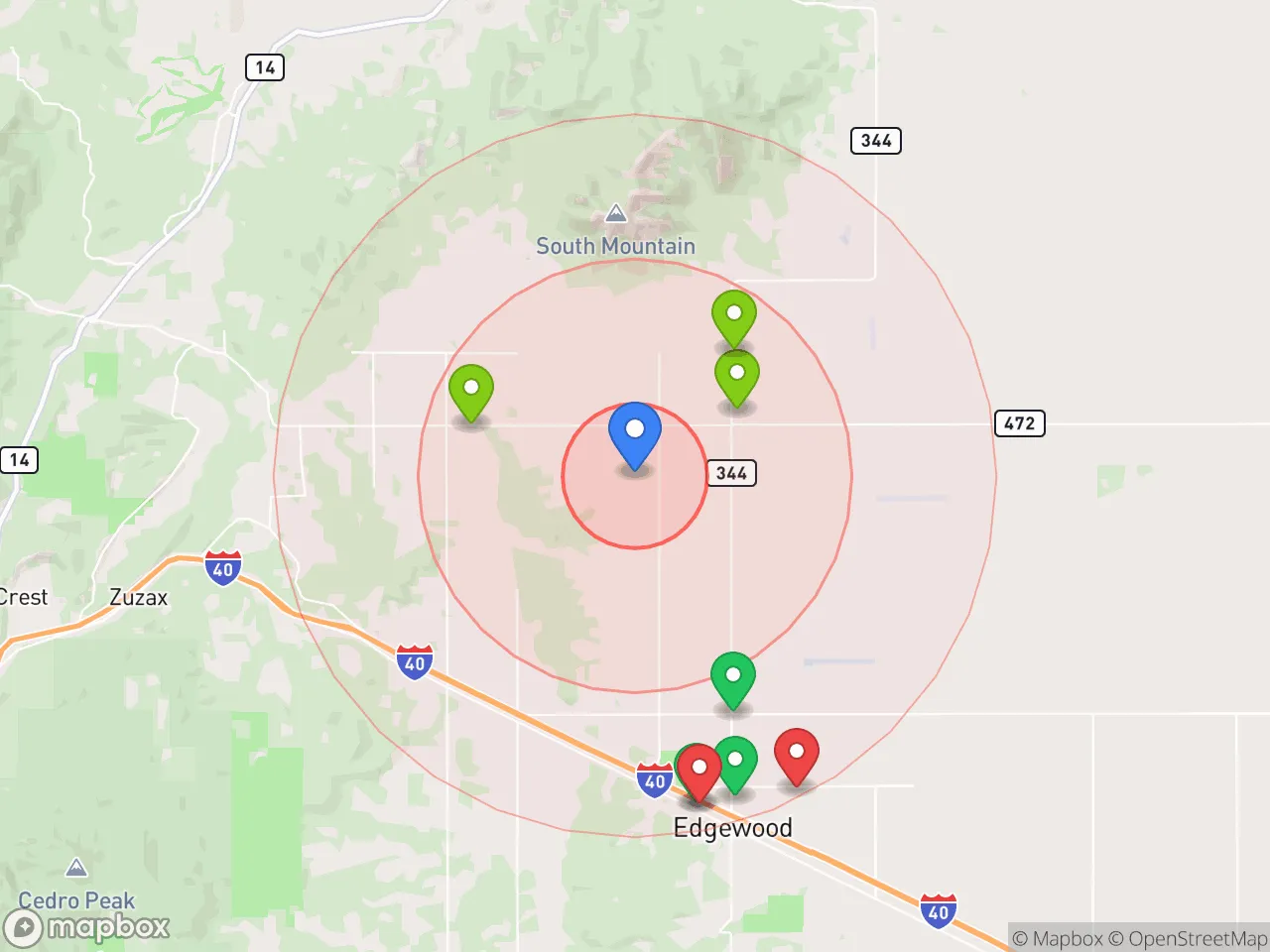
1 within 10 miles
Gas
7 within 10 miles
Hospital
1 within 20 miles
Airport
LAS — Las Vegas Municipal
Post Office
USPS — Edgewood, NM
Critical Amenities
Quality-of-Life Analysis
Edgewood, New Mexico, presents a distinctive quality-of-life profile as an affluent, semi-rural community that attracts a mix of long-time residents, commuters to Albuquerque, and families seeking more space and lower costs than the metro core. With a cost-of-living index of 88 (12% below the U.S. average), the area offers a tangible financial advantage over nearby Albuquerque (index ~95) and Santa Fe (index ~105), making it a practical choice for those who prioritize affordability without sacrificing proximity to urban jobs and amenities. The population skews toward middle-to-upper-middle-income households, with a notable presence of professionals, retirees, and outdoor enthusiasts drawn to the high-desert landscape and quieter pace.
Cost of living, housing affordability, and how Edgewood compares to Albuquerque and Santa Fe
Edgewood’s housing market remains one of its strongest draws. The median home value sits at $278,100, roughly $50,000 to $70,000 less than comparable homes in Albuquerque’s Northeast Heights or Santa Fe’s outlying areas. Median rent is $938, well below the state average of $1,100, offering renters a clear affordability edge. However, inventory is limited, and homes in newer subdivisions (e.g., those near Route 66) often sell within weeks. Property taxes in Santa Fe County (which covers part of Edgewood) are moderate, averaging about 0.8% of assessed value, while the Torrance County portion is slightly lower. The trade-off is that daily goods and services—groceries, gas, dining—can cost 5–10% more than in Albuquerque due to fewer local retailers and longer supply chains. The average commute of 23 minutes to Albuquerque’s I-40 corridor is manageable, though residents heading to Santa Fe (45–50 minutes) or Los Alamos (60+ minutes) face longer drives.
Local amenities, schools, and what daily life feels like in Edgewood
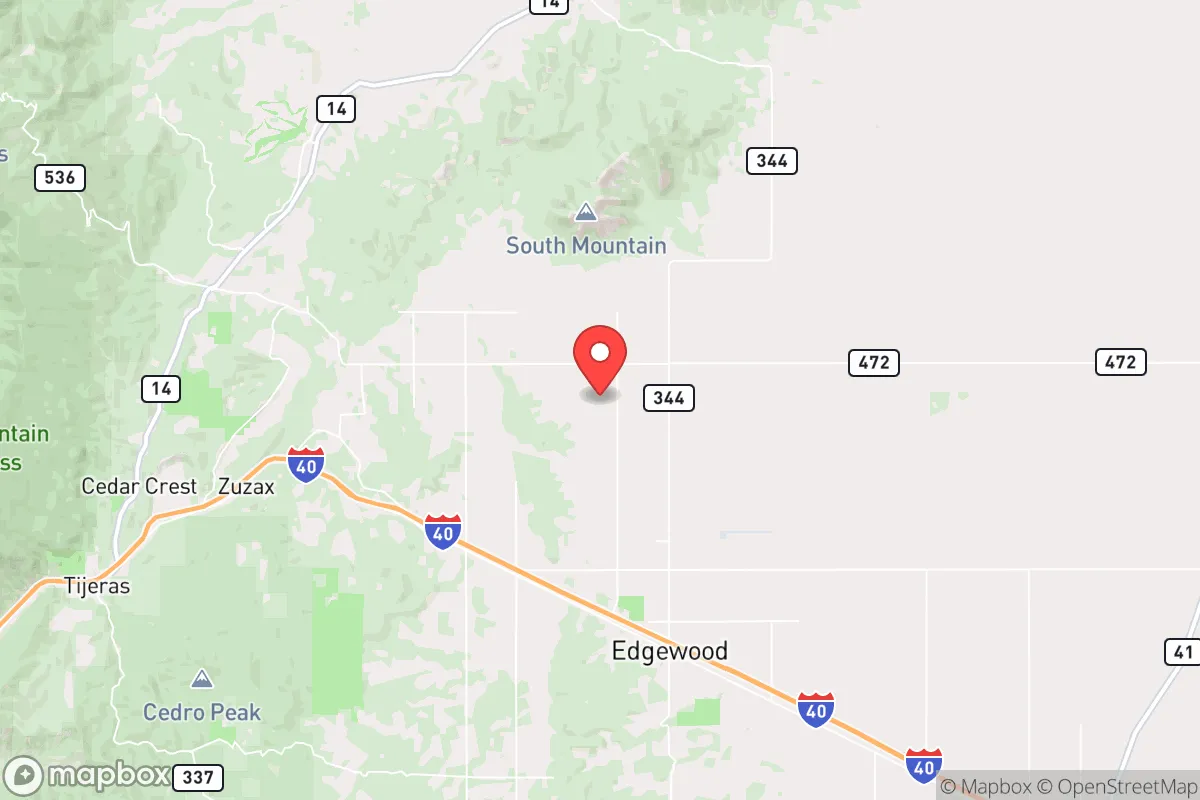
Edgewood’s daily rhythm is defined by its small-town character and outdoor access. The community lacks a traditional downtown; instead, commercial activity clusters along Old Route 66 and NM-344, with a grocery store (Lowe’s Market), hardware stores, and a handful of local restaurants and cafes. For broader shopping, entertainment, or healthcare, residents drive 20–25 minutes to Albuquerque’s Uptown or Cottonwood Mall areas. Schools are served by the Edgewood School District (part of Moriarty-Edgewood Schools), which includes Edgewood Elementary and Moriarty High School—both rated average by state standards, with graduation rates around 85%. Private options are limited, though some families choose charter schools in Albuquerque. Outdoor life is central: the nearby Cibola National Forest and Sandia Mountains offer hiking, mountain biking, and camping within 15 minutes. The climate is high-desert—sunny 280 days a year, with mild winters and hot, dry summers—which supports year-round activity. Social life revolves around community events (the Edgewood Bluegrass Festival, local farmers markets) and church groups, rather than nightlife or cultural institutions.
Edgewood is best suited for those who value affordable space, a slower pace, and easy access to the outdoors over urban density and walkability. Commuters who work in Albuquerque but want a larger lot, lower housing costs, and quieter nights will find the trade-off worthwhile. Families seeking good-enough schools and a safe, neighborly environment also fit well, provided they are comfortable with a 20–30 minute drive for most errands and entertainment. Retirees and remote workers drawn to the climate and lower cost of living are increasingly common. However, those who rely on public transit, want a vibrant downtown, or need specialized healthcare services may find Edgewood too isolated. For the right buyer, it offers a rare balance of affordability, space, and proximity to a major metro.

Crime in Edgewood, NM
Lower crime rates than 77% of comparable U.S. locations.
Violent CrimeViolent Crime Analysis
Property CrimeProperty Crime Analysis
Crime Analysis
Edgewood, New Mexico, presents a mixed safety profile that is significantly safer than the national average for violent crime but notably riskier for property crime. With a violent crime rate of 129.7 per 100,000 residents, the town is far below the U.S. average of roughly 380 per 100,000, making it a relatively low-risk area for physical assault, robbery, or homicide. However, the property crime rate of 1,767.2 per 100,000 exceeds the national average of about 1,950 per 100,000 only slightly, but it is substantially higher than the New Mexico state average of roughly 2,800 per 100,000, indicating that theft and burglary are the primary concerns for residents.
Crime in context
Edgewood’s violent crime rate is a standout positive, sitting at roughly one-third the national average and well below the New Mexico state average of approximately 780 per 100,000. This places Edgewood among the safer small towns in the state for personal safety. Property crime, however, is the more pressing issue. While the rate is below the state average, it is still elevated compared to the safest rural communities in the region. The proximity to the Albuquerque metro area—about 30 miles west—introduces a dynamic where property crime can be influenced by larger urban trends. The progressive judicial philosophy prevalent in Bernalillo County, which includes Albuquerque, has been criticized for prioritizing offender rehabilitation over strict sentencing, a factor that some analysts link to higher recidivism and a greater number of criminals operating in outlying areas like Edgewood. This means that while Edgewood itself is not a high-crime city, its location near a metro area with a lenient justice system creates a spillover risk for property theft.
What residents experience
Daily life in Edgewood for most residents is characterized by a low fear of violent confrontation. The town’s small size and rural character mean that serious assaults or armed robberies are rare events. The primary nuisance and financial risk come from property crimes such as vehicle break-ins, theft from sheds or outbuildings, and occasional residential burglaries. These are often opportunistic, targeting unlocked cars or homes left unattended. The influence of the nearby metro area’s progressive district attorney’s office is a recurring concern in local discussions, as it is perceived to reduce the deterrent effect of prosecution for property offenders who may travel from Albuquerque. Residents commonly adopt preventative measures like installing security cameras, using motion-sensor lighting, and locking vehicles and outbuildings—practices that are more common here than in more isolated rural towns.
Neighborhood-level variation in Edgewood is largely tied to proximity to the main highway corridors (I-40 and NM 344) and the density of development. Areas closer to the interstate or to commercial strips see slightly higher rates of property crime, as they offer easier access and escape routes for thieves. More secluded subdivisions and ranchettes on the town’s periphery, particularly those with limited through-traffic, tend to experience fewer incidents. Gated communities or neighborhoods with active homeowners’ associations that enforce security measures report the lowest crime rates overall. For prospective residents, choosing a home away from major roads and investing in basic security infrastructure are practical steps to mitigate the property crime risk that defines Edgewood’s safety landscape.
* Values derived from national, state, county, city and local statistics and may differ in a specific area. Last updated: 2026-05-01T09:02:29.000Z
Narrative content on this page is AI-generated and may contain mistakes. Verify any details that matter before acting on them.
ReloMaps may earn a commission from affiliate links at no extra cost to you.

