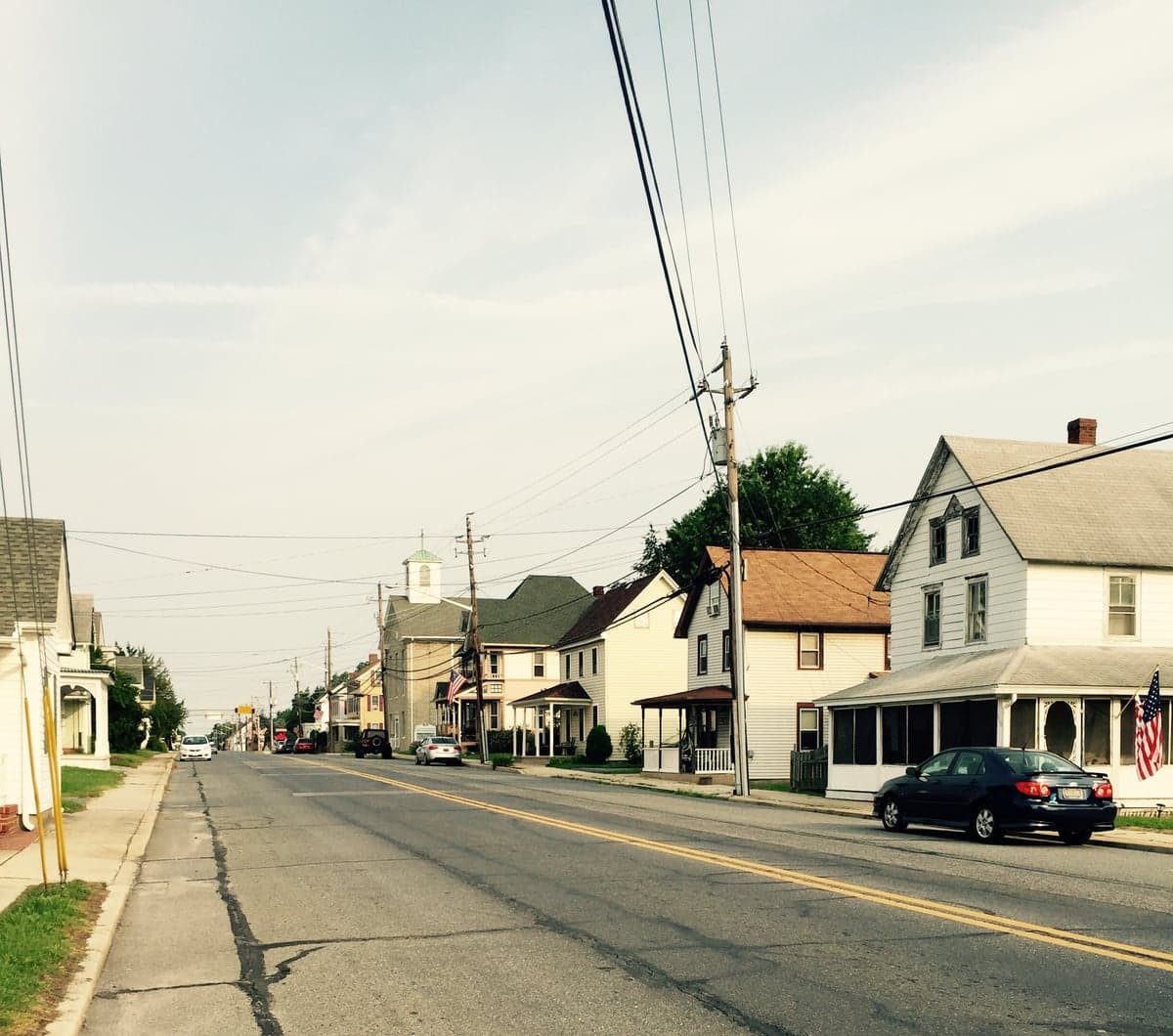
Photo: Wikipedia
Strategic Assessment of Felton, DE
Multiple tactical vulnerabilities. Population density, target proximity, or disaster risk are likely compounding. A retreat property and exit planning is required.
What does the Strategic Assessment tell us?
Our Strategic Assessment grades tactical survivability of an area. Major population centers, military targets, fallout zones, natural disasters, and border exposure all drive risk — lower exposure means a more defensible position in a crisis.
This is heavily inspired by Joel Skousen's Strategic Relocation book. Highly recommended you checkout the book ($)What does this tell us?
Our Strategic Assessment grades tactical survivability of an area. Major population centers, military targets, fallout zones, natural disasters, and border exposure all drive risk — lower exposure means a more defensible position in a crisis.
This is heavily inspired by Joel Skousen's Strategic Relocation book. Highly recommended you checkout the book ($)Strategic Pillars

Key Distances
Regional Safe Places
Below is our recommended "safe zones" in Delaware and the surrounding area based on our strategic heuristics. For most people, it's unrealistic to live in a “safe zone” full-time due to work, family or other personal reasons. They tend to be more rural. However, many of these areas are perfect for second homes and retreat properties that double as a vacation home or even a short-term rental.
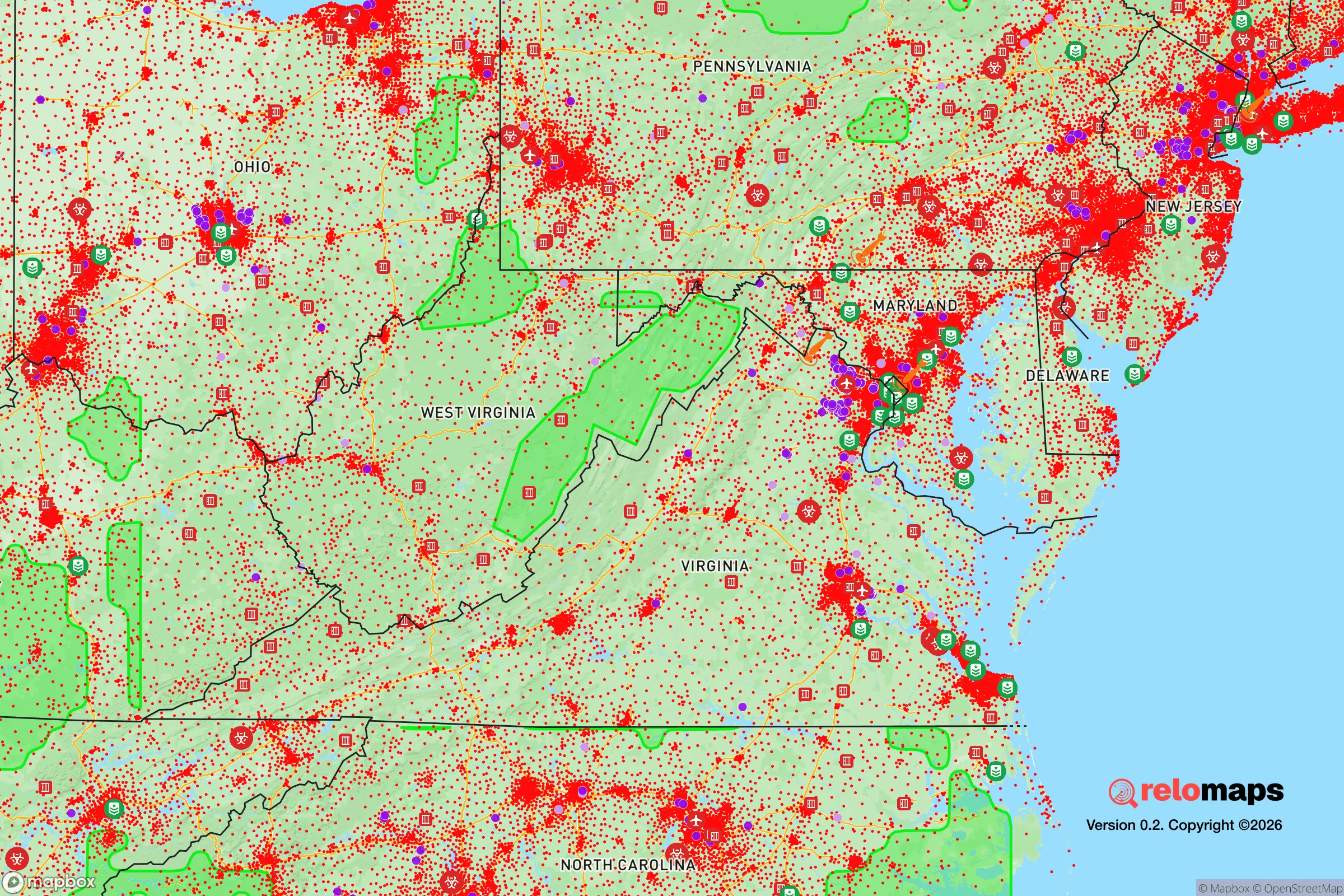
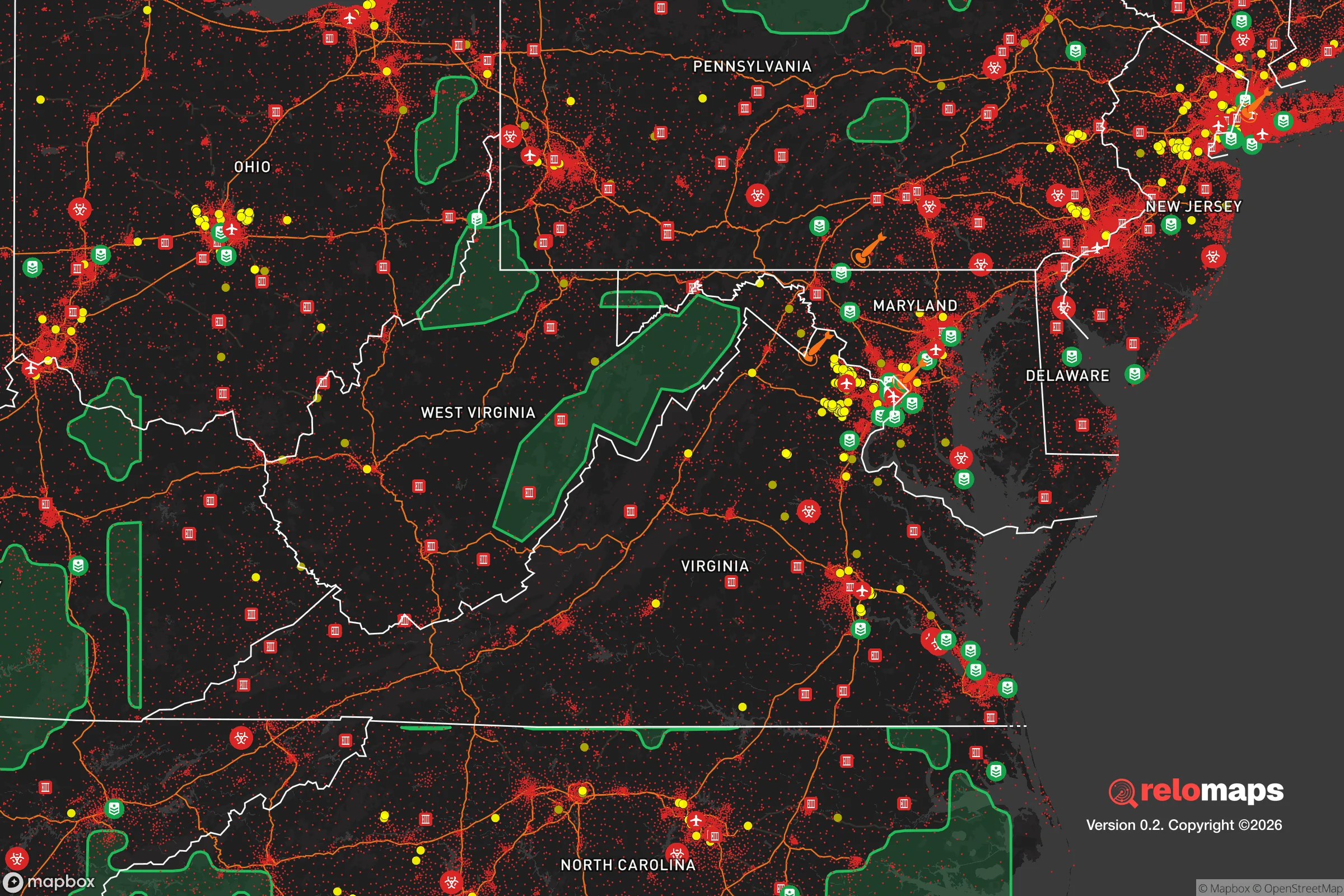


Important Note: For informational purposes only. This does not mean nothing bad ever happens in the green zones. Please use common sense. This is based on public data and modeled with AI. We tried to take a conservative approach but mistakes happen. We update this regularly as new information becomes available.
Solar Generator Recommendations
Backup power matters more here than in safer locations. We've picked three solar generators across budgets and capacity tiers — start with the budget unit if you only need a few essentials, or step up if you want to run a fridge and HVAC for days at a time.

Jackery Portable Power Station Explorer 300
Budget OptionPower on the Go: Weighing only 11 lbs, it's convenient to set up and store with book-sized foldable solar panels

BLUETTI Portable Power Station AC180
Designed for both indoor and outdoor scenarios, AC180 is highly capable as it has a robost capacity and continuous output power.

EF ECOFLOW DELTA Pro Ultra Power Station
Upgraded PickEcoFlow DELTA Pro Ultra is a whole-home energy system designed to grow with your family. Integrated with the Smart Home Panel 2, it scales to meet your evolving energy needs — keeping your home powered, intelligent, and secure through every stage of life.
We earn a commission, at no additional cost to you.
Strategic Assessment Analysis
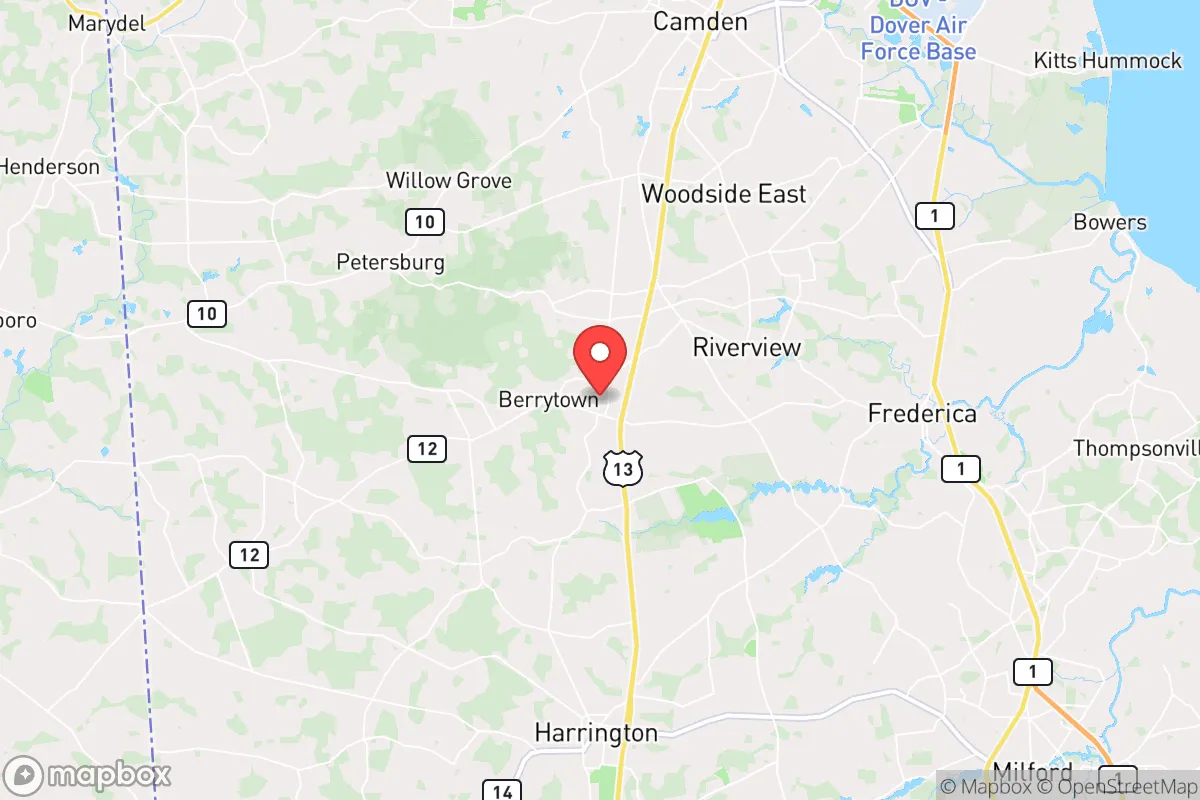
Felton, Delaware, sits in a quiet pocket of Kent County that offers a surprisingly resilient base for those thinking through long-term preparedness. Its position roughly 10 miles south of Dover and 30 miles north of the Maryland line places it outside the immediate blast radius of major metropolitan targets like Philadelphia, Baltimore, and Washington D.C., while still providing access to supply routes and regional infrastructure. The area's low population density, agricultural land, and distance from high-value military and government installations give it a strategic edge for anyone prioritizing survivability over convenience.
Geographic position and natural advantages for long-term security
Felton's location in central Delaware is defined by its proximity to the Delmarva Peninsula, a region that functions as a natural buffer zone. The Chesapeake Bay to the west and the Atlantic Ocean to the east create a geographic choke point that limits large-scale movement into the area, which is an asset during civil unrest or mass migration events. The land itself is flat and fertile, part of the Mid-Atlantic coastal plain, with sandy loam soils that support agriculture without requiring heavy machinery or complex irrigation. The area's water table is relatively high, meaning shallow wells are viable for most properties, and the nearby Murderkill River and its tributaries provide surface water sources that can be filtered and treated. The climate is temperate, with hot summers and mild winters, reducing the risk of extreme weather events that could disrupt food production or shelter. Felton also sits outside the 50-mile radius of the Salem and Hope Creek nuclear plants in New Jersey, which are roughly 40 miles northeast as the crow flies, and well outside the 10-mile emergency planning zones that would see immediate fallout in a worst-case scenario.
Risks, exposures, and proximity to fallout-relevant landmarks
No location is without vulnerabilities, and Felton has a few that demand attention. The town is roughly 10 miles from Dover Air Force Base, a major logistics hub for the U.S. military. In a conflict scenario involving strategic strikes, Dover AFB is a high-value target. While Felton is far enough to avoid the direct blast effects of a conventional or nuclear strike on the base, fallout patterns depend on wind direction and yield. Prevailing winds in the region are from the west and southwest, which would carry fallout away from Felton in most scenarios, but a shift could put the town in a secondary contamination zone. The nearby Dover International Speedway, which seats over 90,000, is a potential gathering point for displaced populations during a crisis, creating risks of disease, resource strain, and civil disorder. Felton is also within 20 miles of the Chesapeake & Delaware Canal, a critical maritime chokepoint that could become a target for sabotage or military action. On the positive side, the town is far from major petrochemical complexes, refineries, and the Port of Wilmington, which are all concentrated in northern Delaware and would be primary targets in a coordinated attack. The lack of major highways passing directly through Felton—US 13 runs nearby but not through the town center—reduces the risk of being overrun by fleeing populations from the I-95 corridor.
Practical resilience for a relocator: food, water, energy, and defensibility
For someone serious about self-sufficiency, Felton offers a workable baseline. The surrounding Kent County is agricultural, with corn, soybeans, and poultry operations dominating the landscape. Local farmers' markets and roadside stands operate seasonally, and the Amish and Mennonite communities in the area provide a network of small-scale food producers who are less dependent on industrial supply chains. The town itself has a small grocery store, but for bulk prepping, the larger supermarkets in Dover or Harrington are a short drive. Water is the more immediate concern. Municipal water in Felton comes from groundwater wells, which is better than surface water sources that could be contaminated by fallout or industrial runoff. However, a well-maintained private well with a hand pump or solar-powered pump is the gold standard here, and many rural properties already have them. The flat terrain makes rainwater collection straightforward, and the average annual rainfall of 45 inches provides ample supply for catchment systems. Energy resilience is mixed. The local grid is served by Delmarva Power, which has a history of outages during storms, but the area's low tree density compared to northern Delaware reduces storm damage risk. Solar panels are viable, with roughly 4.5 peak sun hours per day, and the lack of zoning restrictions in unincorporated areas around Felton means generators, battery banks, and fuel storage are practical without legal pushback. Defensibility is where Felton shines. The town is small—around 1,500 residents—and the surrounding area is a patchwork of farms and woodlots that provide natural cover and multiple escape routes. The road network includes state routes 12 and 15, which offer alternative paths to the Maryland line or the rural interior of the peninsula without funneling through Dover. The local police presence is minimal, which cuts both ways, but for a prepared individual or family, the low population density and lack of strategic infrastructure make Felton a hard target to find and a harder one to approach without being detected.
The overall strategic picture for Felton is one of moderate risk with high potential for those willing to put in the work. It is not a remote mountain redoubt, but it offers a realistic compromise between access to supplies and distance from the most obvious targets. The proximity to Dover AFB is the single biggest wildcard, but the prevailing wind patterns and the town's position south of the base tilt the odds in favor of survivability. For a conservative-minded relocator who values community, agricultural land, and a low profile, Felton provides a foundation that can be built upon without the extreme costs or isolation of more famous prepper destinations. The key is to treat it as a base of operations, not a final fortress—stock supplies, develop local relationships, and maintain a vehicle capable of moving deeper into the Delmarva interior if the situation deteriorates. In a world where the coasts are the first to burn, Felton sits just far enough back from the fire line to matter.

* Values derived from national, state, county, city and local statistics and may differ in a specific area. Last updated: 2026-04-29T19:11:56.000Z
Narrative content on this page is AI-generated and may contain mistakes. Verify any details that matter before acting on them.
ReloMaps may earn a commission from affiliate links at no extra cost to you.

