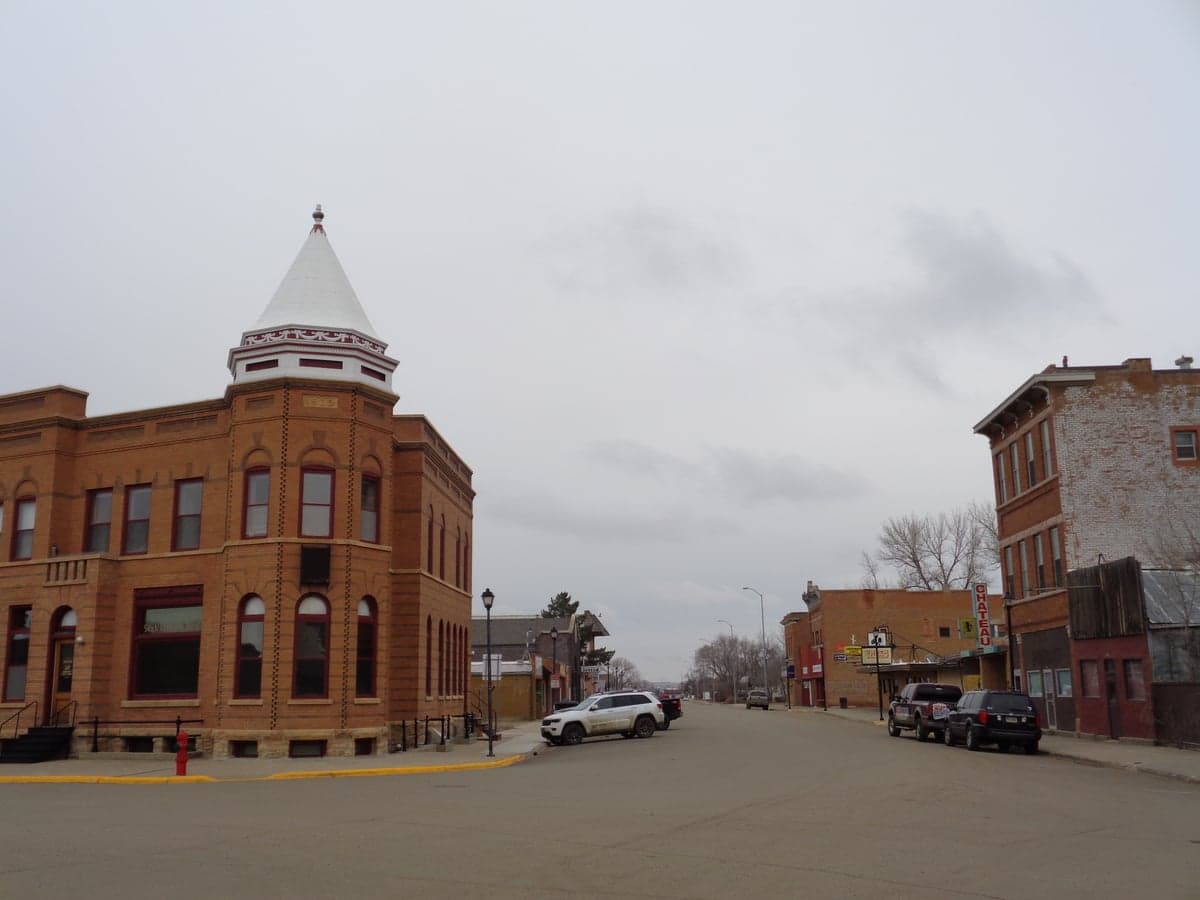
Photo: Wikipedia
Quality of Life in Fort Pierre, SD
A high quality of life with strong walkability, manageable living costs, healthy neighborhood signals, and solid amenity access.
What does Quality of Life tell us?
Quality of Life blends cost of living, nearby amenities, socioeconomic signals, and neighborhood character. City-level scores represent the whole municipality; individual neighborhoods can differ.
What does this tell us?
Quality of Life blends cost of living, nearby amenities, socioeconomic signals, and neighborhood character. City-level scores represent the whole municipality; individual neighborhoods can differ.
Cost of Living
31% below national average
The Real Cost of Living in Fort Pierre, SD for 2026
| Tier | Individual | Family (4) |
|---|---|---|
| Survival | $14k | $26k |
| Comfortable | $32k | $48k |
| Luxury | $135k+ | $209k+ |
| Elite (Top 5%) | $167k+ | $259k+ |
157%
The Area Signal
A metric tracking the socioeconomic signals of the area.


Hobbies
Explore the areaGroceries
8 within 10 miles
Gas
20 within 10 miles
Hospital
2 within 20 miles
Airport
MCI — Kansas City International
Post Office
USPS — Fort Pierre, SD
Critical Amenities
Quality-of-Life Analysis
Fort Pierre, South Dakota, offers a quality of life defined by small-town stability, a lower cost of living, and a strong sense of community, attracting a mix of families, retirees, and outdoor enthusiasts. The area’s affluence is modest compared to national averages, with a median household income that supports a comfortable lifestyle thanks to the state’s lack of income tax and low property tax rates. Residents tend to be long-term locals, many employed in agriculture, government, or the nearby state capital of Pierre, creating a steady, family-oriented demographic that values space and a slower pace.
Cost of living, housing affordability, and how it compares to Pierre
Fort Pierre’s cost of living index sits at 69, a full 31 points below the U.S. average, making it one of the more affordable communities in central South Dakota. The median home value of $166,700 is significantly lower than the national figure of roughly $350,000, and it also undercuts the median in neighboring Pierre by about 10–15%, offering buyers more square footage or land for the same price. Median rent of $880 is similarly budget-friendly, well below the national median of $1,200, and provides a viable path for renters saving for a down payment. The average commute of just 17.6 minutes is a major quality-of-life perk—most residents cross the Missouri River into Pierre for work or shopping, and the short drive avoids the congestion found in larger cities. While housing stock is limited and turnover can be slow, the affordability gap relative to Pierre and the rest of the country makes Fort Pierre a practical choice for first-time buyers and those seeking to stretch their income.
Local amenities, schools, and what daily life feels like
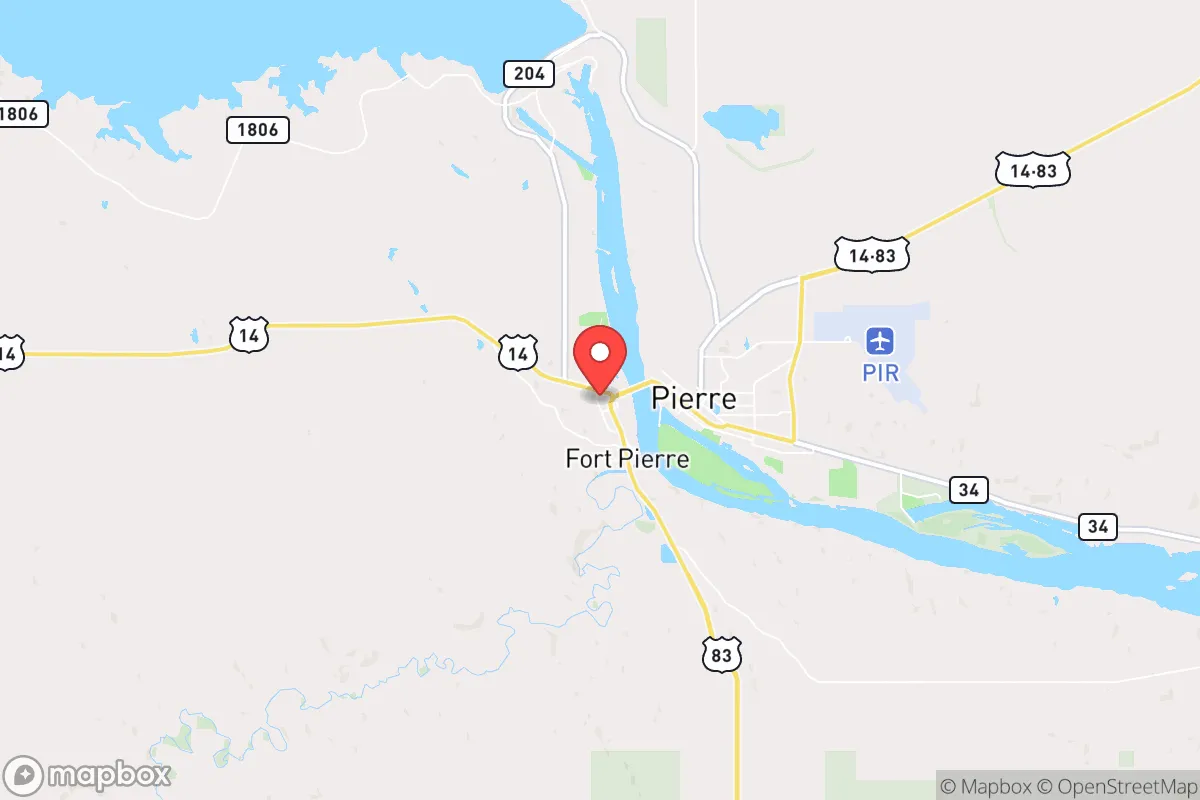
Daily life in Fort Pierre revolves around outdoor recreation and a tight-knit community calendar. The city sits on the west bank of the Missouri River, providing direct access to Lake Oahe for fishing, boating, and hunting, with the nearby Oahe Downstream Recreation Area a short drive away. The Stanley County School District serves the community with a single elementary, middle, and high school, all of which maintain small class sizes and above-average graduation rates. For shopping, dining, and healthcare, residents cross the river to Pierre, which offers a Walmart Supercenter, a regional hospital, and a handful of local restaurants and coffee shops. The rhythm of life is quiet and predictable—weekends often involve river activities, high school sports, or community events like the annual Fort Pierre Rodeo. The lack of major retail or entertainment within city limits means most errands require a short drive, but this trade-off is accepted by those who prioritize space and low crime rates over urban convenience.
Fort Pierre is best suited for people who value affordability, outdoor access, and a close-knit community over urban amenities and career diversity. Families with children will appreciate the strong schools and safe streets, while retirees and remote workers can take advantage of the low cost of living and short commute. Those seeking nightlife, diverse dining, or rapid career growth in fields beyond government or agriculture may find the area limiting. For anyone looking to own a home on a single income, enjoy year-round outdoor recreation, or escape the financial pressure of larger cities, Fort Pierre offers a stable, grounded quality of life that is increasingly rare in the United States.

Crime in Fort Pierre, SD
Generally safer than 61% of comparable U.S. locations.
Violent CrimeViolent Crime Analysis
Property CrimeProperty Crime Analysis
Crime Analysis
Fort Pierre, South Dakota, reports a violent crime rate of 293.3 incidents per 100,000 residents and a property crime rate of 1,280.6 per 100,000, placing it above national averages for both categories. While not a high-crime urban center, these figures indicate that property offenses—particularly theft and burglary—are a tangible concern for residents. The city’s small size and rural setting in Stanley County mean that crime patterns differ markedly from those in larger metropolitan areas, but the data still warrants attention from anyone considering relocation.
Crime in context
Fort Pierre’s violent crime rate is roughly 25% higher than the national average of approximately 230 per 100,000, while its property crime rate exceeds the U.S. median by about 20%. Compared to South Dakota’s statewide violent crime rate of roughly 350 per 100,000, Fort Pierre sits slightly below the state average, but its property crime rate is notably higher than the state figure of around 1,100 per 100,000. This pattern suggests that property crimes like vehicle theft and burglary are more prevalent here than in many other South Dakota communities. By contrast, large metro areas with progressive district attorneys and liberal justice policies often see elevated recidivism and softer sentencing, which can drive crime upward—a dynamic less pronounced in Fort Pierre’s more conservative legal environment.
What residents experience
Daily life in Fort Pierre involves a heightened awareness of property security. Residents commonly report incidents of unlocked vehicle entries and shed burglaries, especially in neighborhoods near the Missouri River or along main thoroughfares. Violent crime is less frequent but not absent; the rate implies roughly 3 violent crimes per 1,000 residents annually, meaning most people will not directly encounter assault, robbery, or homicide. The local police department maintains a visible presence, and community watch efforts are active in subdivisions like the Fort Pierre Hills area. However, the city’s proximity to Pierre—the state capital—means that transient populations and seasonal events can temporarily increase petty crime.
Neighborhood-level variation in Fort Pierre is modest but noticeable. The downtown core and areas near the Highway 83/14 junction see higher foot traffic and correspondingly more property crime reports. Residential streets off Deadwood Street and along the riverfront tend to have lower incident rates, likely due to tighter-knit community oversight. The newer developments on the city’s western edge, near the Stanley County Fairgrounds, report fewer incidents overall. For those seeking the safest pockets, the northwest quadrant of Fort Pierre, away from commercial corridors, consistently shows the lowest crime data in local reports. As with any community, proactive measures like outdoor lighting, security cameras, and neighborhood communication remain the most effective deterrents against opportunistic crime.
* Values derived from national, state, county, city and local statistics and may differ in a specific area. Last updated: 2026-04-20T14:13:57.000Z
Narrative content on this page is AI-generated and may contain mistakes. Verify any details that matter before acting on them.
ReloMaps may earn a commission from affiliate links at no extra cost to you.

