 Popular
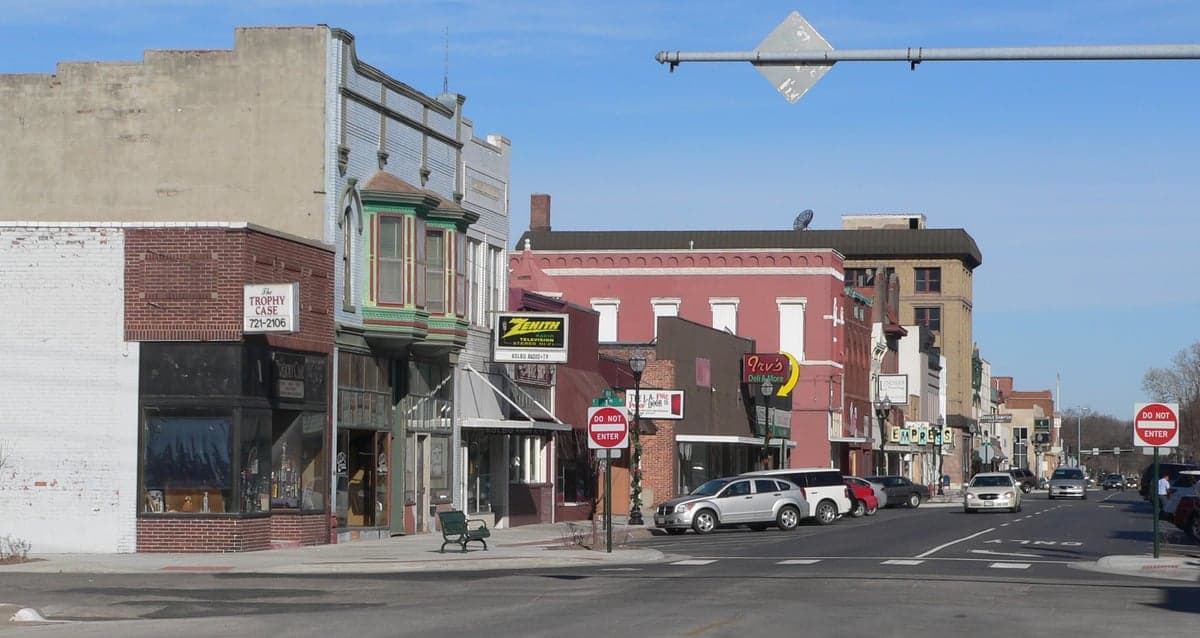
Photo: Wikipedia
Quality of Life in Fremont, NE
A high quality of life with strong walkability, manageable living costs, healthy neighborhood signals, and solid amenity access.
What does Quality of Life tell us?
Quality of Life blends cost of living, nearby amenities, socioeconomic signals, and neighborhood character. City-level scores represent the whole municipality; individual neighborhoods can differ.
What does this tell us?
Quality of Life blends cost of living, nearby amenities, socioeconomic signals, and neighborhood character. City-level scores represent the whole municipality; individual neighborhoods can differ.
Cost of Living
21% below national average
The Real Cost of Living in Fremont, NE for 2026
| Tier | Individual | Family (4) |
|---|---|---|
| Survival | $16k | $30k |
| Comfortable | $38k | $56k |
| Luxury | $95k+ | $147k+ |
| Elite (Top 5%) | $112k+ | $173k+ |
121%
The Area Signal
A metric tracking the socioeconomic signals of the area.
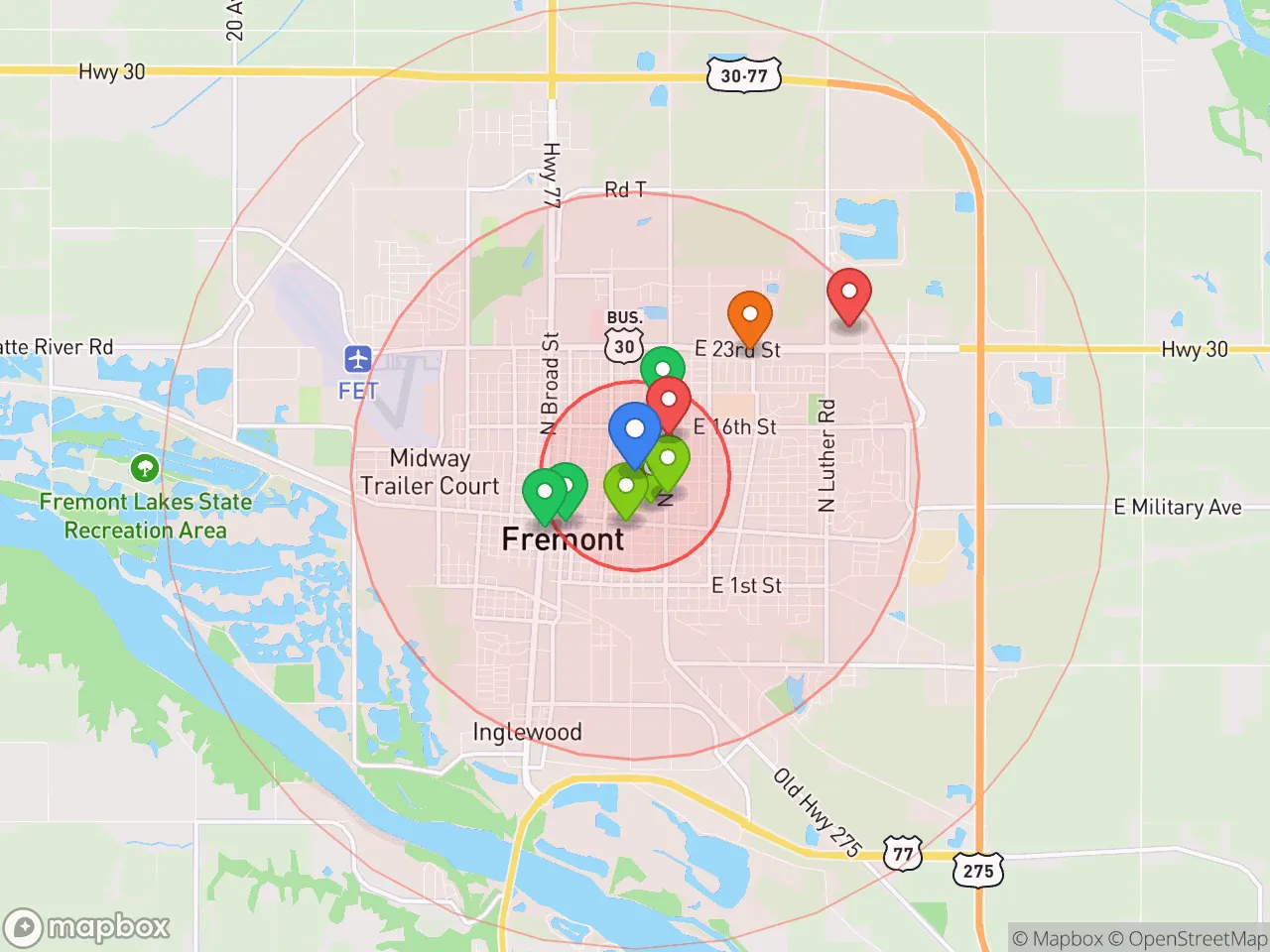
Hobbies
Explore the areaGroceries
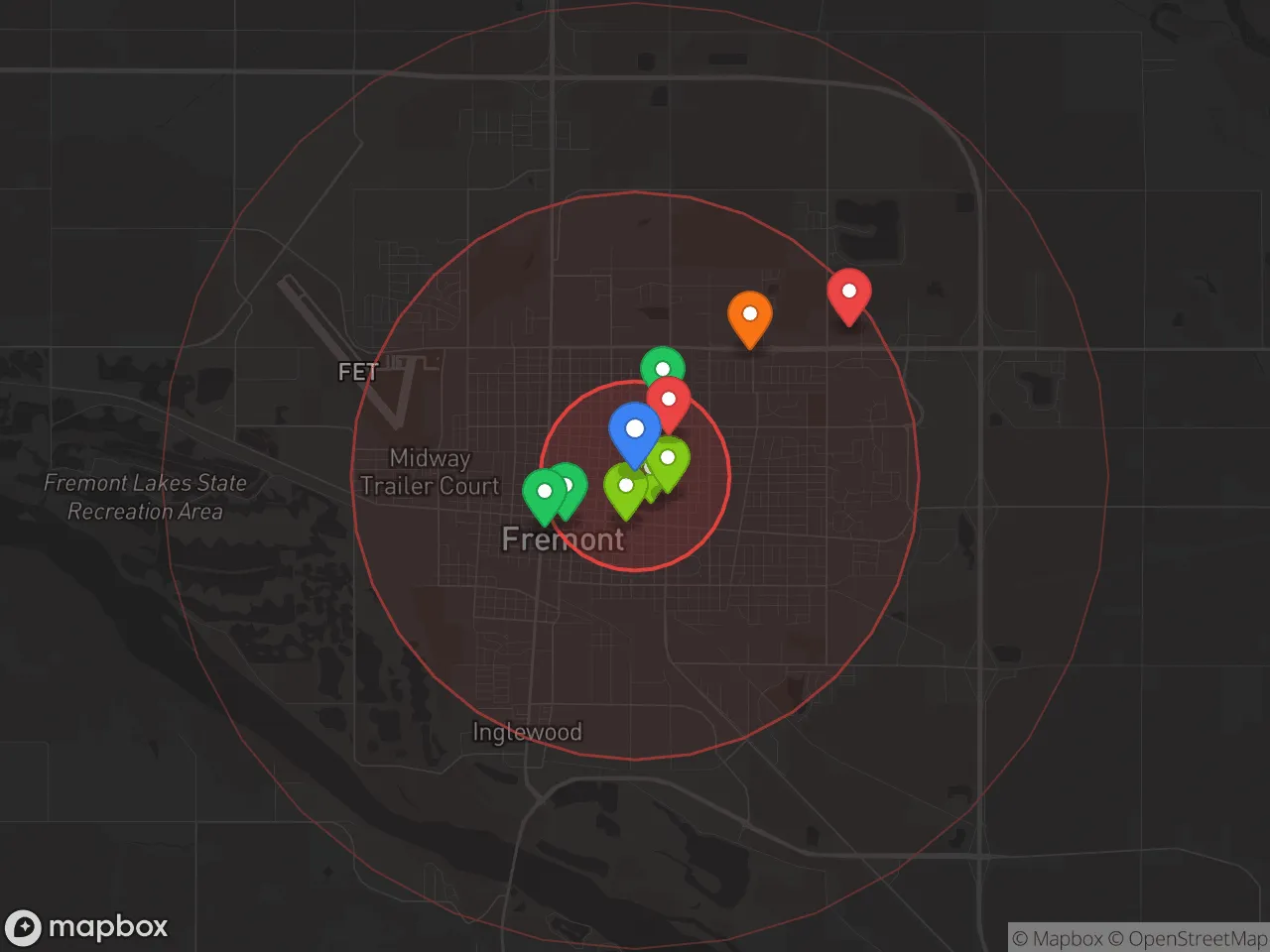
3 within 10 miles
Gas
10 within 10 miles
Hospital
6 within 20 miles
Airport
MCI — Kansas City International
Post Office
USPS — Fremont, NE
Critical Amenities
Quality-of-Life Analysis
Fremont, Nebraska, offers a notably affordable quality of life that attracts a mix of young families, long-term residents, and commuters seeking a slower pace within reach of Omaha. With a cost of living index of 79 — well below the national average of 100 — the city provides a financial cushion that allows residents to prioritize homeownership, savings, or leisure. The population of roughly 27,000 is predominantly white and leans conservative, with a strong sense of community rooted in agricultural and manufacturing employment, though a growing number of professionals now commute eastward for work.
Cost of living, housing affordability, and how Fremont compares to Omaha and Lincoln
Fremont’s cost of living is a primary draw, with housing costs dramatically lower than in Nebraska’s major metros. The median home value sits at $194,400, compared to Omaha’s median of roughly $280,000 and Lincoln’s $270,000, making homeownership attainable for households earning near the local median income of about $62,000. Renters also benefit: the median rent of $1,005 is roughly $300–$400 less per month than comparable units in Omaha or Lincoln. Utility costs and grocery prices are slightly below the national average, while healthcare expenses align closely with state norms. The average commute of 17 minutes is notably short — far under Omaha’s 22-minute average — which reduces transportation costs and frees up time for family or recreation. However, property taxes in Dodge County are relatively high (around 1.8% of assessed value), partially offsetting the low home prices for long-term owners.
Local amenities, schools, and what daily life feels like in Fremont
Daily life in Fremont centers on a compact, walkable downtown with locally owned shops, restaurants, and the historic Fremont Opera House. The Fremont Public Schools system serves about 5,500 students and includes three elementary schools, a middle school, and Fremont High School, which offers a strong vocational agriculture program tied to the area’s farming economy. For outdoor recreation, the Platte River and Lake Wanahoo provide fishing, hiking, and boating within a 15-minute drive. The city’s largest employers include Fremont Area Medical Center, Hormel Foods, and the Fremont Public Schools district, which anchor the local job market. Residents frequently drive 35 minutes east to Omaha for major league sports, concerts, or specialized healthcare at Nebraska Medicine. The rhythm of life is noticeably quieter than in the metro: traffic is minimal, most errands can be done in under 10 minutes, and community events like the John C. Fremont Days festival in July draw strong turnout. The city lacks a four-year university, but Metropolitan Community College’s Fremont Center offers associate degrees and workforce training.
Fremont is best suited for people who value affordability, short commutes, and a tight-knit community over urban nightlife or career diversity. Young families can buy a starter home for under $200,000, while retirees appreciate the low crime rate and access to Omaha’s medical centers. Remote workers and commuters will find the 17-minute average drive and low housing costs a compelling trade-off for fewer local dining or entertainment options. Those seeking a more cosmopolitan environment or high-paying professional jobs outside healthcare and manufacturing may find the city limiting, but for anyone prioritizing financial breathing room and a slower pace, Fremont delivers a stable, grounded quality of life.

Crime in Fremont, NE
Lower crime rates than 79% of comparable U.S. locations.
Violent CrimeViolent Crime Analysis
Property CrimeProperty Crime Analysis
Crime Analysis
Fremont, Nebraska, presents a mixed safety profile for potential residents. The city's violent crime rate of 193.2 incidents per 100,000 residents is notably lower than the national average, but its property crime rate of 1,493.1 per 100,000 exceeds both state and national benchmarks, indicating a higher risk for theft and burglary. While Fremont is not a high-crime city by national standards, the elevated property crime figure is a significant factor for anyone considering a move, particularly given the city's proximity to the larger Omaha metro area and the potential for crime spillover from more urbanized jurisdictions.
Crime in context
When compared to Nebraska's statewide violent crime rate of roughly 260 per 100,000, Fremont's rate is about 25% lower, placing it in a safer tier for violent offenses like assault and robbery. However, the property crime rate tells a different story. The national property crime average hovers around 1,950 per 100,000, but Nebraska's state average is significantly lower, near 1,500. Fremont's rate of 1,493.1 essentially matches the state average, meaning it is not safer than the typical Nebraska community regarding property crime. This is a critical distinction: while violent crime is less of a concern, residents face a property crime risk that is on par with the state's norm, not below it. The city's location within commuting distance of Omaha means it may attract criminal activity from the larger metro area, where progressive judicial policies in Douglas County have been associated with higher recidivism and softer sentencing for property offenders.
What residents experience
Daily life in Fremont for most residents does not involve violent confrontations, but property crime is a tangible annoyance. Common incidents include vehicle break-ins, theft from unlocked garages or sheds, and occasional residential burglaries. The city's police department is proactive, but the sheer volume of property crime—nearly 1,500 incidents per 100,000 people—means that roughly 1 in 67 residents files a property crime report each year. This is a higher rate than many smaller Nebraska towns. The presence of a progressive district attorney in the broader region, focused on rehabilitation over incarceration, may contribute to a revolving-door effect for repeat property offenders, undermining deterrence and increasing the likelihood of victimization for Fremont residents.
Neighborhood-level variation in Fremont is moderate but worth noting. Older, denser areas near the downtown core and along the main commercial corridors (e.g., Lincoln Highway) tend to report higher property crime rates, while newer subdivisions on the city's periphery, such as those near the Fremont Lakes State Recreation Area, generally experience fewer incidents. Prospective renters and homebuyers should prioritize properties with well-lit exteriors, secure parking, and neighborhood watch participation, especially if they are considering homes closer to the city center. Overall, Fremont is a reasonably safe city for families and professionals, but the elevated property crime rate—exacerbated by lenient regional justice policies—demands practical precautions that are less necessary in more conservative, rural Nebraska counties.
* Values derived from national, state, county, city and local statistics and may differ in a specific area. Last updated: 2026-10-10T16:27:29.000Z
Narrative content on this page is AI-generated and may contain mistakes. Verify any details that matter before acting on them.
ReloMaps may earn a commission from affiliate links at no extra cost to you.

