Photo: Wikipedia
Find The Best Places To Live
in Omaha
PRO TIP! You can paste a Zillow or Redfin link to get info on that property.
What It's Like Living in Omaha, NE
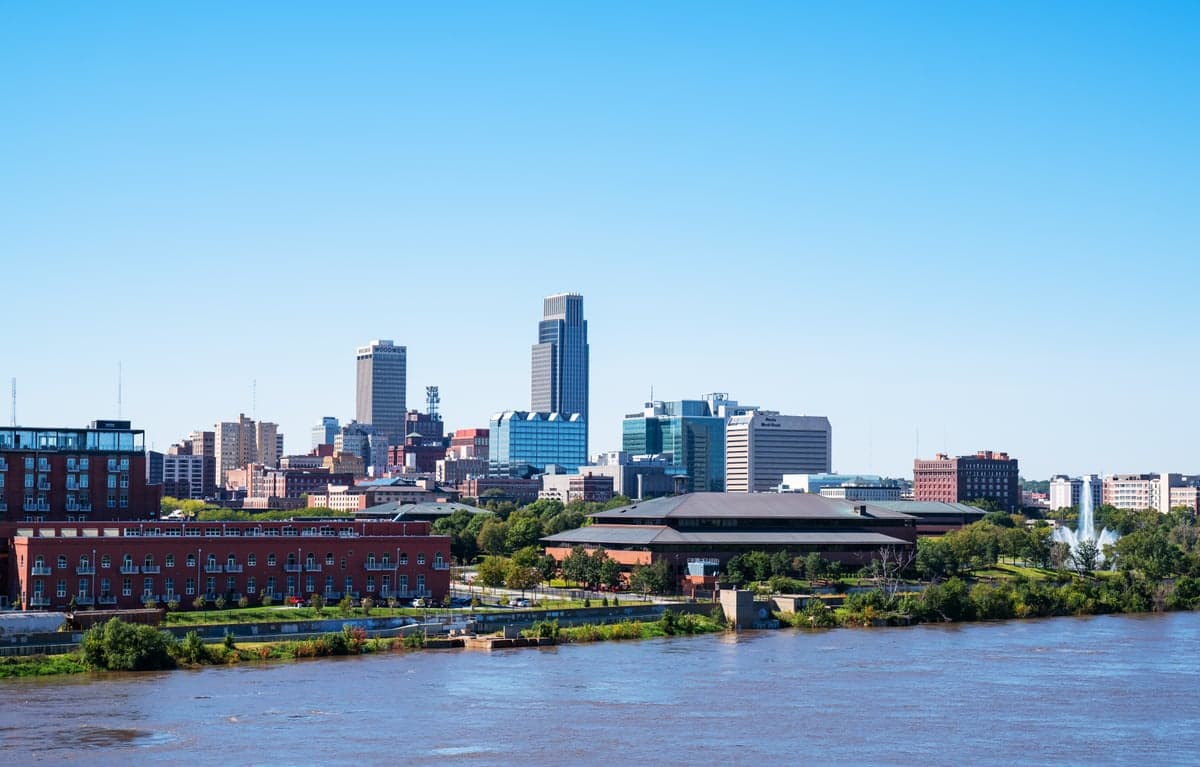
Omaha has a way of surprising people who only know it as a flyover stop on the interstate. It’s a big small town with a Midwestern work ethic, a surprisingly lively food scene, and a fierce sense of local pride that shows up in everything from high school football games to the way people talk about the College World Series. You’ll find a city that’s affordable enough to let you breathe, but with enough going on that you never feel like you’re missing out on the big city.
The Daily Rhythm: Work, Errands, and Weekend Rituals
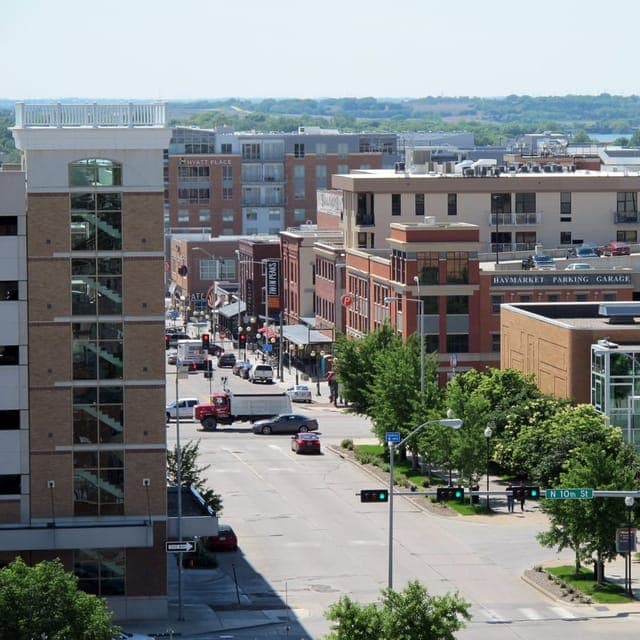
Life here moves at a comfortable pace. The average commute is just under 20 minutes, which means you can actually get home in time to make dinner or catch a kid’s practice without feeling like you’re racing the clock. Most people work in insurance, finance, or healthcare—Mutual of Omaha, First National Bank, and the University of Nebraska Medical Center are major anchors—but there’s also a growing tech and startup scene, especially around the Aksarben Village area. Weekends often start with a trip to the Old Market, where brick streets and local shops give way to brunch spots like Stella’s Bar & Grill (famous for its burgers) or The Drover (known for whiskey-soaked steaks). Families tend to gravitate toward the Henry Doorly Zoo, consistently ranked one of the best in the world, or the Lauritzen Gardens for a quieter afternoon. If you’re the type who likes to know your neighbors and can handle a little snow, Omaha fits like a well-worn glove.
Sports, Community, and the College World Series
Sports aren’t just entertainment here—they’re a civic religion. The College World Series takes over the city every June, turning the Charles Schwab Field into a pilgrimage site for baseball fans from across the country. Locals clear their schedules, pack the stands, and fill the bars in the Dundee and Midtown Crossing neighborhoods. High school football is also a big deal, with schools like Millard North and Burke drawing crowds that rival some small colleges. The Omaha Mavericks (UNO hockey) have a passionate following, and the Omaha Storm Chasers (Triple-A baseball) offer a more laid-back, family-friendly alternative. If you’re not into sports, you’ll still feel the energy—it’s just part of the city’s DNA.
What’s There to Do: Festivals, Food, and Outdoor Life
Omaha punches above its weight when it comes to things to do. The Omaha Summer Arts Festival and Mahoney Music Festival draw big crowds, and the Nebraska State Fair in nearby Grand Island is a short drive. The Omaha Symphony and Orpheum Theater host everything from Broadway tours to indie bands. For outdoor types, the Platte River and Glenn Cunningham Lake offer kayaking and hiking, while the Fontenelle Forest nature center is a quiet escape just south of the city. The food scene is surprisingly diverse—Runza (a local fast-food chain serving a German-Russian stuffed bread) is a rite of passage, but you’ll also find excellent Vietnamese pho, authentic Mexican taquerias, and upscale farm-to-table spots like Dining Room at The Durham Museum. The Kiewit Luminarium, a new science and art museum, opened in 2023 and has quickly become a weekend staple for families.
Pros and Cons of Living Here
Let’s be honest: no place is perfect. Here’s what longtime residents love and what frustrates them.
- Pro: Cost of living is genuinely low. With a median home value of $230,100 and a cost of living index of 92 (8% below the national average), you can buy a solid three-bedroom house in a good school district without breaking a sweat. The median income of $72,708 goes a long way here.
- Pro: The job market is stable, especially in insurance, healthcare, and finance. Unemployment is consistently below the national average.
- Pro: The sense of community is real. People show up for each other—whether it’s a fundraiser for a sick neighbor or a high school band competition.
- Con: Winters can be brutal. Snow and ice are a given from December through February, and the wind off the plains makes it feel colder than the thermometer says. If you hate shoveling, this isn’t your place.
- Con: The violent crime rate is 345.6 per 100,000, which is higher than the national average. Most of it is concentrated in specific neighborhoods, but it’s something to be aware of when choosing where to live.
- Con: The social scene can feel insular. If you didn’t grow up here, breaking into established friend groups takes effort. But once you’re in, you’re in.
Omaha is a city that rewards patience and participation. It’s not flashy, but it’s solid. If you’re looking for a place where you can actually afford a home, raise a family, and still have a decent night out, it’s worth a serious look. Just bring a good winter coat and a willingness to root for the home team.

Similar mid-size cities to Omaha
* Values derived from national, state, county, city and local statistics and may differ in a specific area. Last updated: 2026-04-15T23:39:28.000Z
Narrative content on this page is AI-generated and may contain mistakes. Verify any details that matter before acting on them.
ReloMaps may earn a commission from affiliate links at no extra cost to you.

