Photo: Wikipedia
Find The Best Places To Live
in Lincoln
PRO TIP! You can paste a Zillow or Redfin link to get info on that property.
What It's Like Living in Lincoln, NE
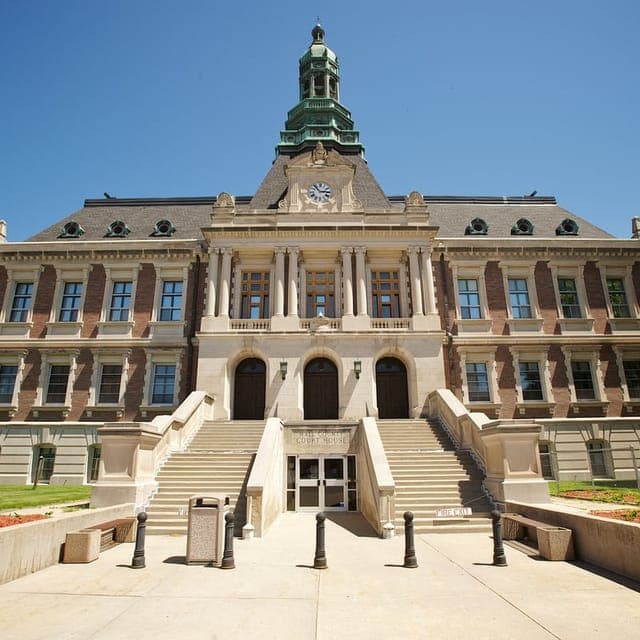
Living in Lincoln, Nebraska, feels a bit like being part of a well-kept secret that’s too big to stay quiet. It’s a city where the state capitol building anchors a downtown that’s equal parts college-town energy and Midwestern practicality, where you can run into your state senator at the grocery store and still find a quiet corner in a craft brewery on a Friday night. With a population just shy of 292,000 and a median age of 33.4, Lincoln is young enough to feel dynamic but settled enough to offer real roots—a place where the median home value sits at a manageable $248,200 and the cost of living index is 11% below the national average.
The Daily Rhythm: Husker Red, Quiet Streets, and a 18-Minute Commute
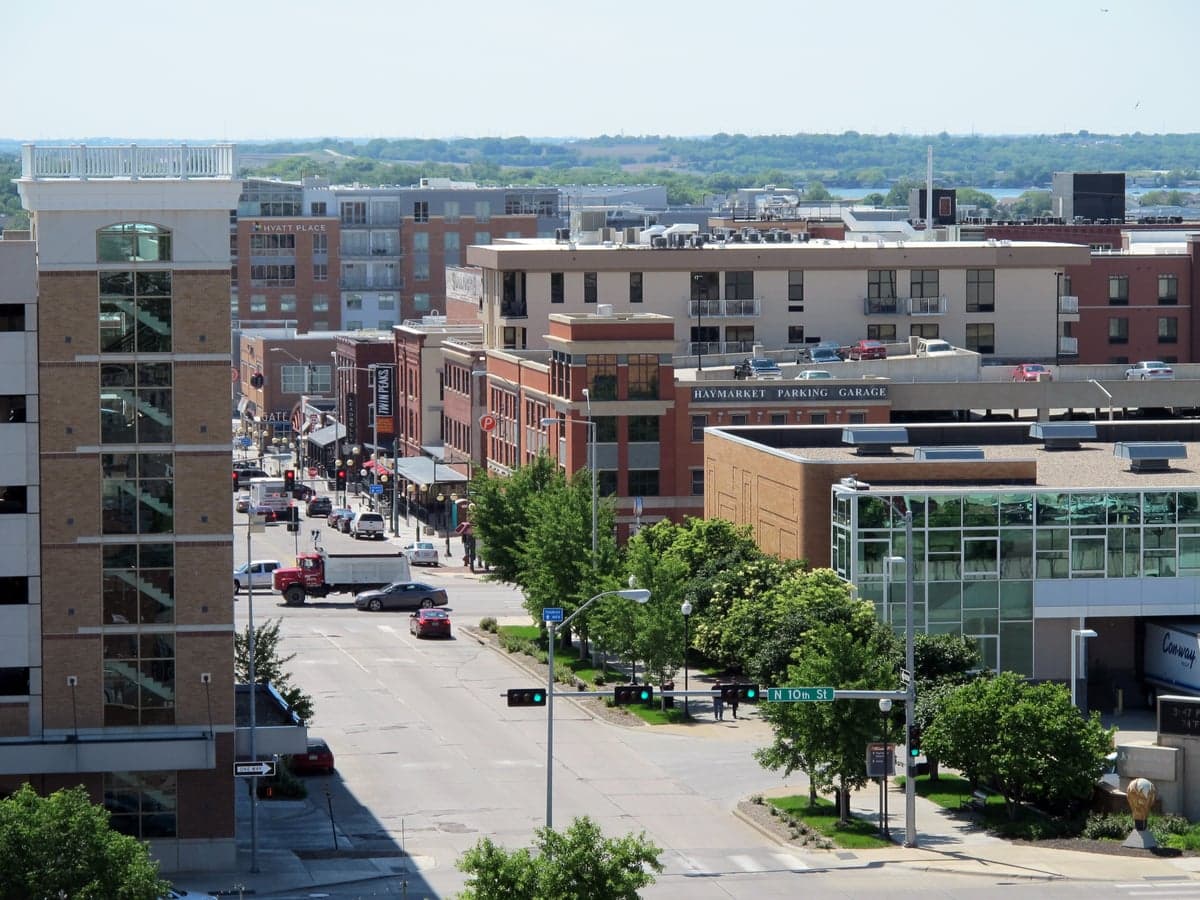
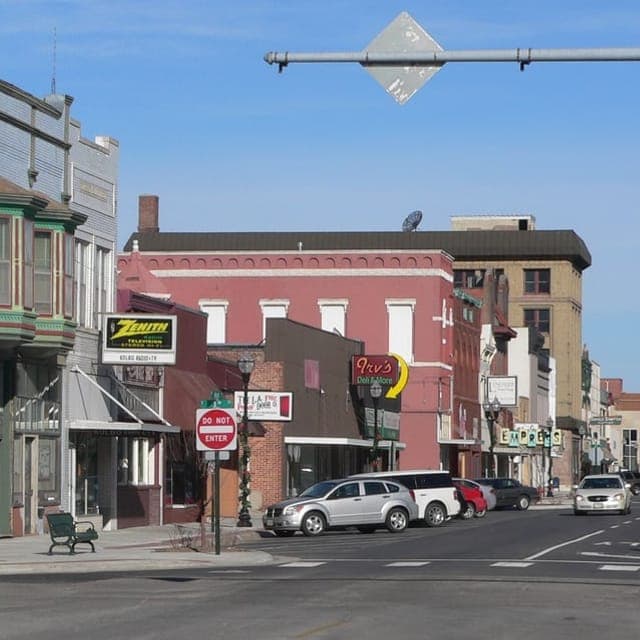
Most mornings in Lincoln start with a glance at the weather app—because Nebraska weather is a four-season sport in itself. Winters are cold and dry, summers are hot and humid, and spring brings thunderstorms that can turn the sky green. But the rhythm of daily life is remarkably calm. The average commute is just over 18 minutes, which means you can live in a quiet neighborhood like the Highlands or near Holmes Lake and still be at your desk downtown before your coffee cools. People here shop at the local Hy-Vee or the sprawling Super Saver, and weekends often revolve around a trip to the Haymarket District—a revitalized warehouse area full of brick sidewalks, indie bookstores, and the towering glass-and-steel Pinnacle Bank Arena. The kind of person who fits in here is someone who values a steady pace: a young professional at one of the state’s largest employers (the University of Nebraska–Lincoln, the state government, or Bryan Health), a family looking for good public schools, or a retiree who wants a walkable downtown without big-city prices. The median household income of $69,991 supports a comfortable middle-class life, especially when housing costs are well below the national norm.
Sports, Saturdays, and the Unwritten Rules of Husker Nation
If you live in Lincoln, you will eventually develop an opinion on Nebraska football. It’s not optional. On fall Saturdays, Memorial Stadium—the state’s third-largest city on game days—fills with 90,000 fans wearing red, and the entire town hums with a collective energy that’s hard to describe. Tailgating starts at dawn, the smell of brats and charcoal drifts through the air, and even non-fans find themselves drawn to the spectacle. But the sports culture runs deeper than the Cornhuskers. High school football is a big deal here—Lincoln Southwest and Lincoln Southeast games draw serious crowds—and the Lincoln Saltdogs, the independent minor-league baseball team, offer a cheaper, more laid-back alternative for summer evenings. The city’s identity is wrapped up in this: a place that takes its sports seriously but not arrogantly, where a loss is met with a shrug and a “there’s always next year” rather than despair.
What There Is to Do: Festivals, Parks, and the Art of the Dive Bar
Beyond the stadium, Lincoln punches above its weight in entertainment. The annual Lincoln Calling music festival brings indie bands to venues across town, while the Nebraska State Fair—held in late summer at the Lancaster Event Center—is a genuine slice of Midwestern life: livestock judging, corn dogs, and carnival rides. For outdoor enthusiasts, Pioneers Park Nature Center offers 668 acres of prairie and woodland trails, and the MoPac Trail runs 27 miles east toward Omaha for cyclists and runners. The restaurant scene is anchored by classics like the Green Gateau (a French-inspired bistro in a converted house) and Honest Abe’s Burgers & Freedom, a local chain that’s become a cult favorite for its grass-fed beef and creative toppings. For a night out, the bar scene ranges from the divey charm of Barry’s Bar & Grill to the craft cocktails of The Other Room, a speakeasy hidden behind a bookshelf in the Haymarket. One cultural quirk you’ll notice: Lincolnites are fiercely loyal to their local coffee roasters—The Coffee House and Cultiva are both institutions—and it’s not unusual to see a group of friends debating the merits of a pour-over versus a cold brew with the same intensity they’d give a Husker game.
The Honest Trade-Offs: What Works and What Grates
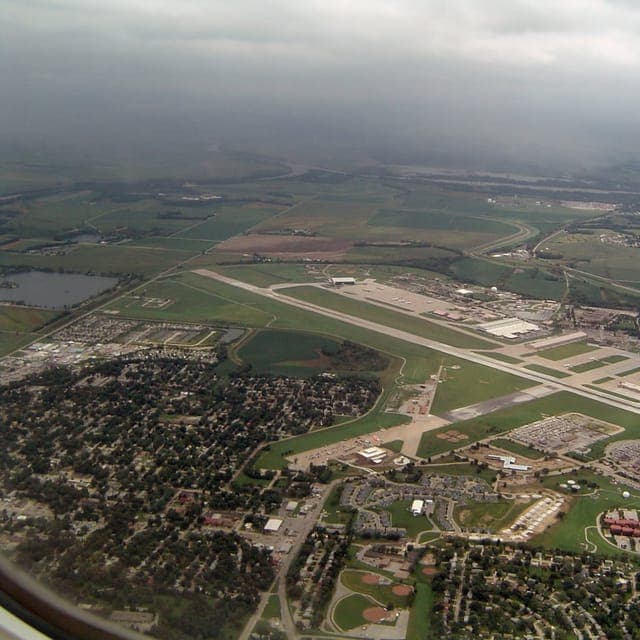
Longtime residents will tell you they love the safety and the community feel—the violent crime rate of 420.3 per 100,000 is higher than the national average, but it’s concentrated in specific areas, and most neighborhoods feel genuinely secure. What frustrates them is the lack of truly big-city amenities: there’s no major airport hub (you’ll drive 55 minutes to Omaha for most flights), no professional sports team, and the dining scene, while solid, won’t rival Chicago or Denver. The weather is a genuine trade-off—winters can be gray and bitter, and summer humidity can be oppressive. But the trade-off is a city where you can still buy a three-bedroom house for under $300,000, where your kids can walk to school, and where the biggest traffic jam is a 20-minute delay on game day. The 41% college-educated population gives the city a literate, engaged feel—you’ll find book clubs, lecture series, and a surprisingly robust arts scene at the Lied Center for Performing Arts. Lincoln isn’t trying to be the next Austin or Nashville; it’s comfortable being itself, and that authenticity is exactly what draws people here and keeps them.

Similar mid-size cities to Lincoln
* Values derived from national, state, county, city and local statistics and may differ in a specific area. Last updated: 2026-04-15T23:39:09.000Z
Narrative content on this page is AI-generated and may contain mistakes. Verify any details that matter before acting on them.
ReloMaps may earn a commission from affiliate links at no extra cost to you.

