 Popular
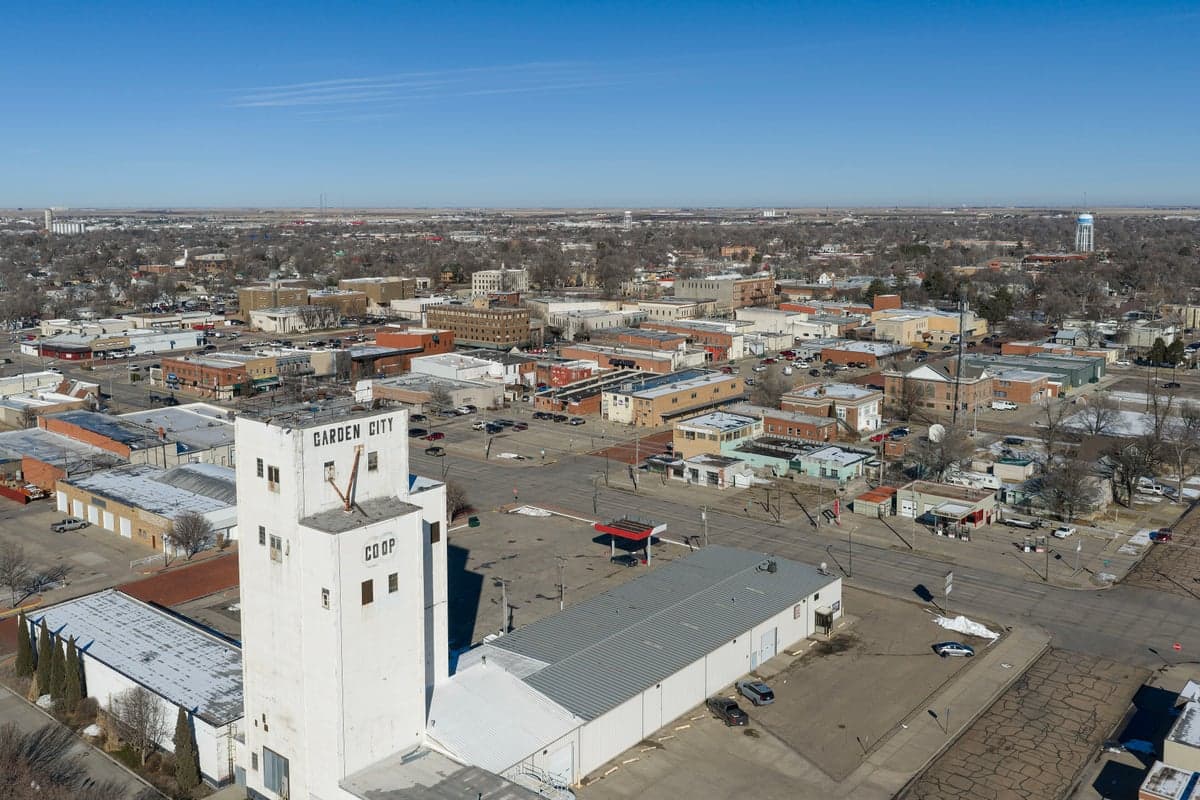
Photo: Wikipedia
Quality of Life in Garden City, KS
A high quality of life with strong walkability, manageable living costs, healthy neighborhood signals, and solid amenity access.
What does Quality of Life tell us?
Quality of Life blends cost of living, nearby amenities, socioeconomic signals, and neighborhood character. City-level scores represent the whole municipality; individual neighborhoods can differ.
What does this tell us?
Quality of Life blends cost of living, nearby amenities, socioeconomic signals, and neighborhood character. City-level scores represent the whole municipality; individual neighborhoods can differ.
Cost of Living
23% below national average
The Real Cost of Living in Garden City, KS for 2026
| Tier | Individual | Family (4) |
|---|---|---|
| Survival | $16k | $30k |
| Comfortable | $36k | $53k |
| Luxury | $105k+ | $163k+ |
| Elite (Top 5%) | $124k+ | $192k+ |
136%
The Area Signal
A metric tracking the socioeconomic signals of the area.
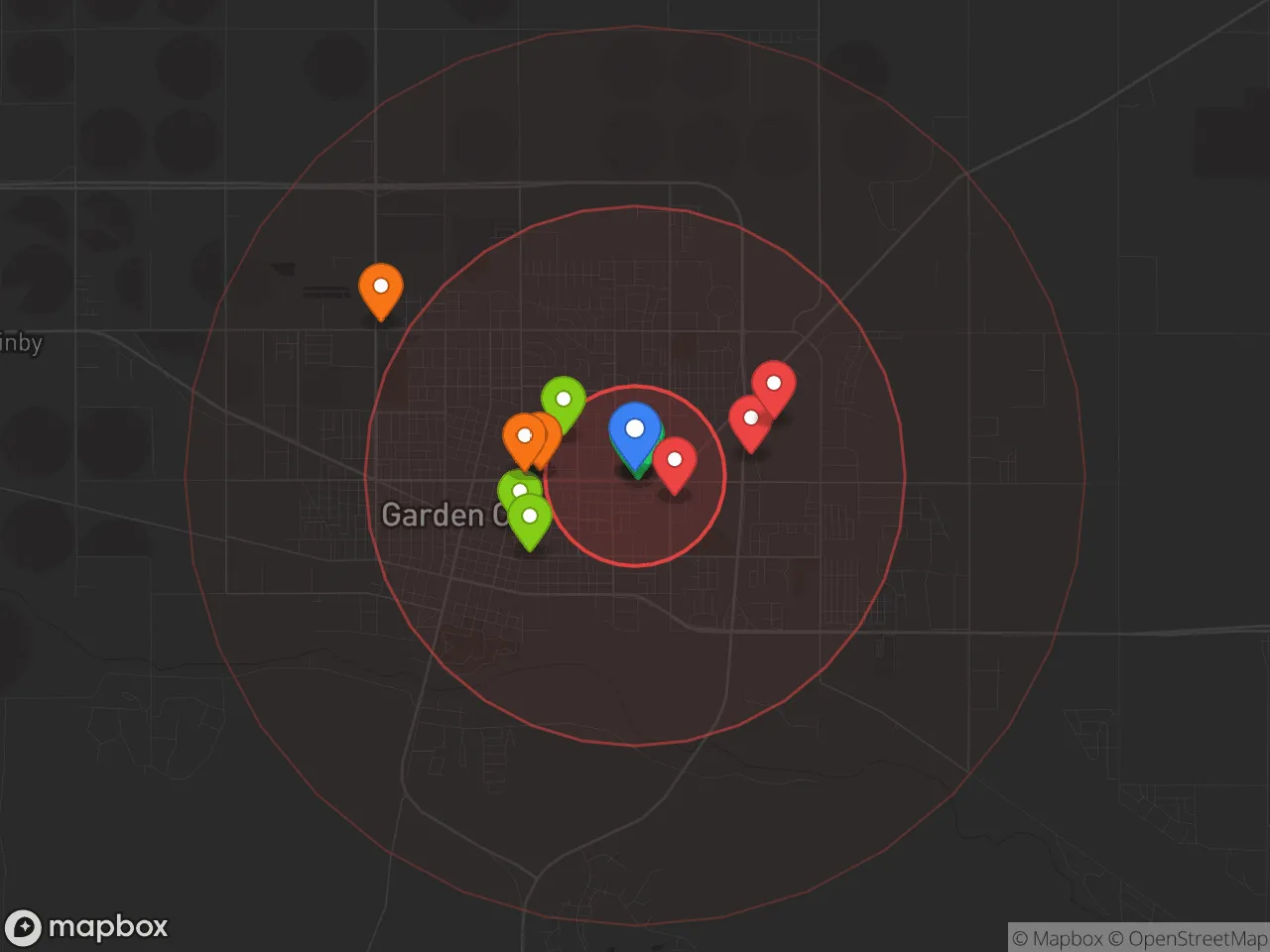
Hobbies
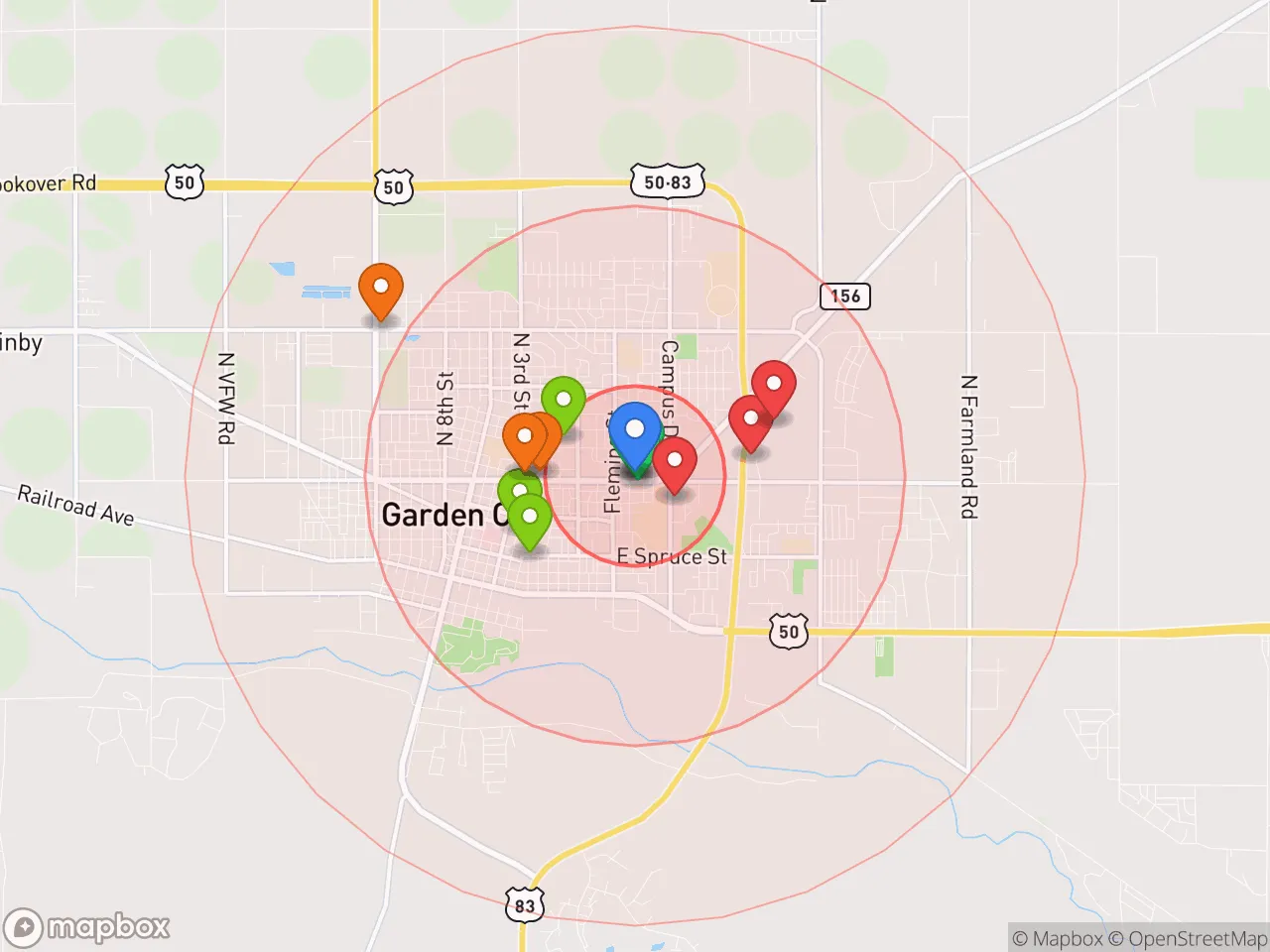
Explore the areaGroceries
4 within 10 miles
Gas
11 within 10 miles
Hospital
1 within 20 miles
Airport
DEN — Denver International
Post Office
USPS — Garden City, KS
Critical Amenities
Quality-of-Life Analysis
Garden City, Kansas, offers a notably affordable quality of life that attracts a mix of families, agricultural workers, and professionals seeking a lower cost of living without sacrificing community amenities. With a cost of living index of 77—well below the national average of 100—the city provides a financial cushion that allows residents to stretch their incomes further than in many other parts of the country. The population is diverse, with a strong Hispanic and immigrant workforce tied to the region’s meatpacking and agricultural industries, alongside long-standing farming families and a growing number of remote workers drawn by the low housing costs.
How housing costs and everyday expenses compare to nearby areas
Housing in Garden City is significantly more affordable than in larger Kansas cities like Wichita or Overland Park. The median home value sits at $186,200, roughly half the national median, while the median rent of $990 per month is similarly budget-friendly. For context, a comparable home in Dodge City (about 50 miles west) might run slightly lower, but Garden City offers more amenities for the price. The average commute of just under 14 minutes is a standout advantage—far shorter than the national average of 26 minutes—meaning less time in the car and more time for family or recreation. Utility costs and grocery prices also track below national averages, though residents should note that property taxes in Finney County are moderate, around 1.2% of assessed value, which keeps annual carrying costs manageable.
What daily life is like for families: schools, parks, and local amenities
Daily life in Garden City centers on a compact, walkable downtown and a strong sense of community. The Garden City Public Schools system, particularly Garden City High School, offers a range of Advanced Placement and vocational programs, while the local community college, Garden City Community College, provides affordable higher education and workforce training. For recreation, the city maintains over 20 parks, including the popular Finnup Park with its zoo and fishing lake, and the Lee Richardson Zoo, which is free to residents. The Arkansas River runs through town, offering walking trails and green space. Dining and shopping are concentrated along Main Street and the Kansas Star Casino area, though residents often drive to Wichita (about 3 hours east) for major retail or specialty medical care. The rhythm of life is slower than in urban centers, with a strong emphasis on outdoor activities, high school sports, and community events like the annual Garden City Western Week celebration.
Garden City is best suited for those who prioritize affordability and a slower pace over urban excitement. Families, first-time homebuyers, and workers in agriculture, meatpacking, or remote jobs will find the low housing costs and short commute particularly appealing. Retirees on fixed incomes also benefit from the low cost of living, though those seeking cultural amenities or specialized healthcare may need to travel. The city’s growing diversity and strong local economy—anchored by employers like Tyson Foods and the Garden City Medical Center—make it a stable choice for anyone willing to trade big-city bustle for financial breathing room and a tight-knit community.

Crime in Garden City, KS
Crime rates similar to the national median for U.S. locations.
Violent CrimeViolent Crime Analysis
Property CrimeProperty Crime Analysis
Crime Analysis
Garden City, Kansas, reports a violent crime rate of 464.5 incidents per 100,000 residents and a property crime rate of 1,697.2 per 100,000, placing it above both state and national averages for overall crime. While not among the most dangerous cities in the state, these figures indicate a community where residents face elevated risk compared to the typical Kansas or U.S. city. The city’s location as a regional hub in southwest Kansas, combined with its growing population, contributes to crime patterns that differ from smaller, more isolated towns in the region.
Crime in context
Garden City’s violent crime rate is roughly 25% higher than the national average of approximately 370 per 100,000, and significantly above the Kansas state average of about 330 per 100,000. Property crime in Garden City also exceeds national norms, with the 1,697.2 rate outpacing the U.S. average of roughly 1,950 per 100,000 but still falling below some peer cities in western Kansas. Aggravated assault accounts for the majority of violent offenses, while larceny-theft is the most common property crime. These statistics place Garden City in a tier with other regional hubs like Dodge City and Liberal, which face similar challenges tied to population density and economic pressures.
What residents experience
Residents report that property crime—particularly vehicle break-ins and theft from unlocked sheds or garages—is the most frequent safety concern in daily life. Violent incidents, while less common, tend to concentrate in specific areas and often involve individuals who know each other, rather than random attacks on strangers. The local criminal justice system, like many in Kansas, operates under a mix of conservative and moderate judicial philosophies, but residents in larger metro-adjacent areas should note that progressive prosecutorial policies—such as reduced bail requirements or diversion programs for repeat offenders—can lead to higher recidivism and more criminals on the street. In Garden City, the Finney County Attorney’s Office has historically taken a tough-on-crime stance, but statewide trends toward sentencing reform have raised concerns among some residents about public safety outcomes.
Neighborhood-level variation
Crime in Garden City is not evenly distributed. The downtown core and areas near the railroad tracks and industrial zones see higher rates of both property and violent crime, while newer subdivisions on the city’s east and south sides report fewer incidents. The northwest quadrant, including the Garden City Community College area, is generally considered safer, with lower crime density and stronger neighborhood watch participation. Prospective residents should examine block-level data from the Garden City Police Department’s annual reports, as pockets of safety and risk can shift within a few blocks. Overall, while Garden City is not a high-crime outlier, its rates demand caution—especially regarding property security—and awareness that neighborhood choice significantly affects daily safety experience.
* Values derived from national, state, county, city and local statistics and may differ in a specific area. Last updated: 2026-04-30T04:39:56.000Z
Narrative content on this page is AI-generated and may contain mistakes. Verify any details that matter before acting on them.
ReloMaps may earn a commission from affiliate links at no extra cost to you.

