 Popular
Photo: Wikipedia
Find The Best Places To Live
in Wichita
PRO TIP! You can paste a Zillow or Redfin link to get info on that property.
What It's Like Living in Wichita, KS
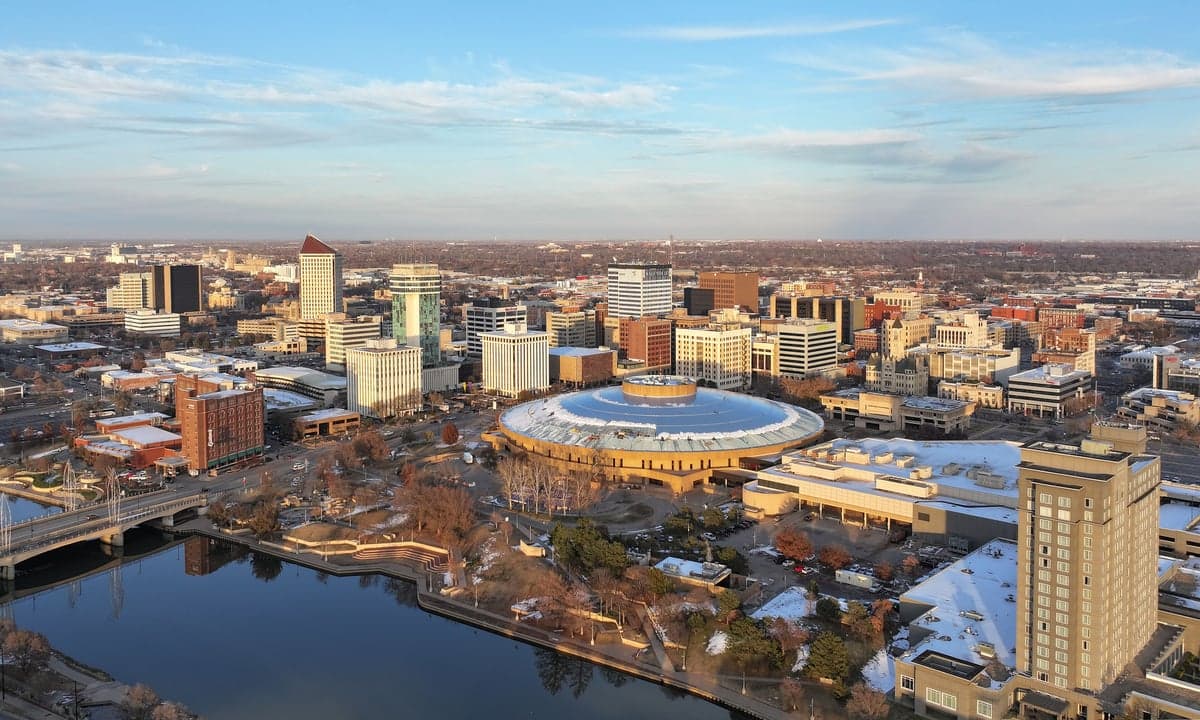
Wichita is one of those places that feels like a well-kept secret, even though it’s the biggest city in Kansas. It’s a flat, sprawling, blue-collar town with a surprisingly strong sense of identity — part aviation manufacturing hub, part Great Plains cultural crossroads. People here tend to be practical, friendly, and unpretentious, and the city rewards that same attitude in newcomers.
Daily Rhythm and the Kind of Person Who Fits In
Life in Wichita moves at a pace that feels almost suburban, even in the core neighborhoods. The average commute is just under 19 minutes, which means you can live in a quiet residential area and still be at your desk or on the factory floor in a quarter of an hour. That short drive is a big deal for families and single professionals alike — it frees up time for things like coaching youth soccer, hitting a local barbecue joint, or just sitting on the porch during a mild evening.
The typical resident here is someone who values stability over flash. With a median age of 35.7 and a median household income of $63,072, the city leans toward early-career families and mid-career tradespeople. You’ll find a lot of mechanics, engineers, and assembly-line workers at places like Spirit AeroSystems and Textron Aviation, alongside a smaller but steady crowd of healthcare professionals and educators. The cost of living index sits at 75 — well below the national average — so a middle-class income actually goes further here than in most metros. That’s the kind of math that lets a family buy a home for a median price of $179,500 and still have room in the budget for a weekend trip to the lake or season tickets to the Shockers.
Sports, Community, and the Local Identity
If you want to understand Wichita, you have to understand how seriously it takes its sports — but not in the way you might expect. There’s no NFL or MLB team, and nobody seems to mind. Instead, the city pours its energy into Wichita State University basketball. The Shockers’ run to the Final Four in 2013 is still a defining cultural moment here; you’ll see “Shocker” bumper stickers and yard signs year-round. High school football is also a genuine event, especially in the fall, when rivalries between schools like Bishop Carroll and Kapaun Mt. Carmel draw crowds that rival small-college games.
Beyond the scoreboard, the city’s identity is rooted in aviation. Wichita calls itself the “Air Capital of the World,” and it’s earned that nickname — roughly 40% of the world’s general-aviation aircraft are built here. That industrial backbone gives the city a no-nonsense, work-first vibe. You’ll hear locals talk about “the plant” or “the line” the way people in other towns talk about the office. It’s not uncommon to meet someone whose grandfather, parent, and sibling all worked at the same Cessna or Beechcraft facility.
What’s There to Do — Festivals, Food, and Outdoor Life
Wichita punches above its weight when it comes to things to do, especially if you like food and festivals. The Riverfest in early June is the city’s biggest annual event — a week-long carnival along the Arkansas River with concerts, food trucks, and fireworks that feels like the whole town shows up. For a quieter weekend, the Old Town district offers a mix of brewpubs, live music venues, and the Museum of World Treasures. The Wichita Art Museum and the Botanica gardens are solid draws for families, and the Sedgwick County Zoo is consistently ranked among the best in the region.
Outdoor life is more about wide-open space than dramatic scenery. The Great Plains Nature Center has easy walking trails through prairie and wetlands, and Cheney Lake is a 30-minute drive for fishing, sailing, and camping. The weather is genuinely four-season: hot, humid summers (think 95°F with a breeze), crisp autumns, and winters that can dip below freezing but rarely dump heavy snow. Spring brings thunderstorms and the occasional tornado warning — locals treat it as routine, but newcomers should have a weather radio and a plan.
Pros and Cons of Living Here
- Pro: Affordability. A median home value of $179,500 and a cost of living 25% below the national average mean you can actually build wealth here on a normal salary. Renting is also cheap — a one-bedroom in a decent area runs around $800–$1,000.
- Pro: Short commutes. The 19-minute average commute is real. You can live in a quiet suburb like Derby or Andover and still be downtown in 20 minutes. Traffic jams are rare and usually caused by construction, not congestion.
- Con: Violent crime. The violent crime rate of 1,168.7 per 100,000 is significantly higher than the national average. Most of it is concentrated in specific neighborhoods (parts of the north and central city), but it’s a fact that long-term residents acknowledge and newcomers should research carefully before choosing a block.
- Con: Limited nightlife and cultural diversity. If you’re used to a city with a late-night music scene or a dozen ethnic grocery stores, Wichita will feel thin. The restaurant scene is improving (try B&C BBQ or Public at the Brickyard), but options are limited compared to metros of similar size.
- Pro: Strong sense of community. People know their neighbors. Schools are central to social life — especially the Catholic and private school networks — and local charities like the Kansas Food Bank draw heavy volunteer participation. It’s easy to feel connected here.
Wichita isn’t for everyone. If you want mountains, ocean, or a 24-hour city, you’ll be disappointed. But if you want a place where your dollar goes far, your commute is short, and your neighbors actually wave back, it’s worth a serious look. The city has a quiet confidence — it knows what it is, and it doesn’t try to be anything else.

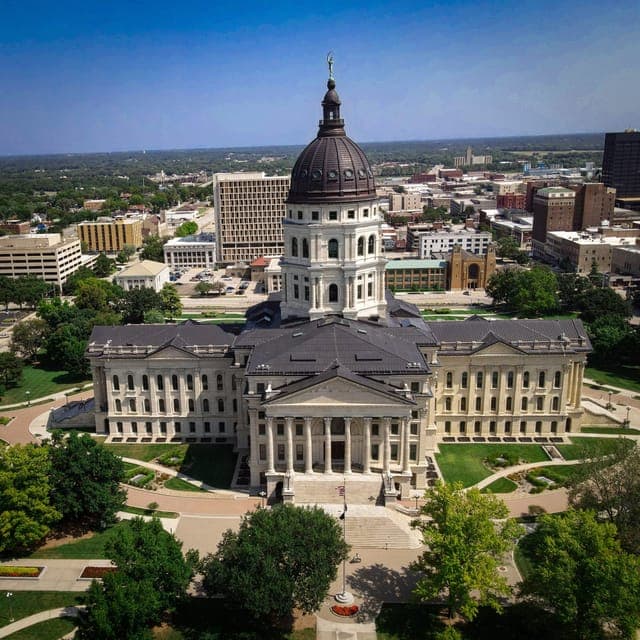
Similar mid-size cities to Wichita
* Values derived from national, state, county, city and local statistics and may differ in a specific area. Last updated: 2026-04-30T23:46:43.000Z
Narrative content on this page is AI-generated and may contain mistakes. Verify any details that matter before acting on them.
ReloMaps may earn a commission from affiliate links at no extra cost to you.

