Photo: Wikipedia
Demographics of Germantown, TN
Affluence Level in Germantown, TN
An upper-middle-class area. Household wealth, education levels, and homeownership run ahead of national benchmarks.
People of Germantown, TN
Germantown, Tennessee, is a predominantly white, highly educated suburb of Memphis with a population of 40,812, where 83.9% of residents identify as white and 71.2% hold a college degree. The city is characterized by its low foreign-born population of just 2.9%, a figure well below national averages, and a notably small Black population of 4.1%. Its identity is shaped by a history of planned growth, affluent residential enclaves, and a strong emphasis on top-rated public schools and low crime rates, making it a magnet for families seeking a stable, homogeneous suburban environment.
How the city was settled and grew
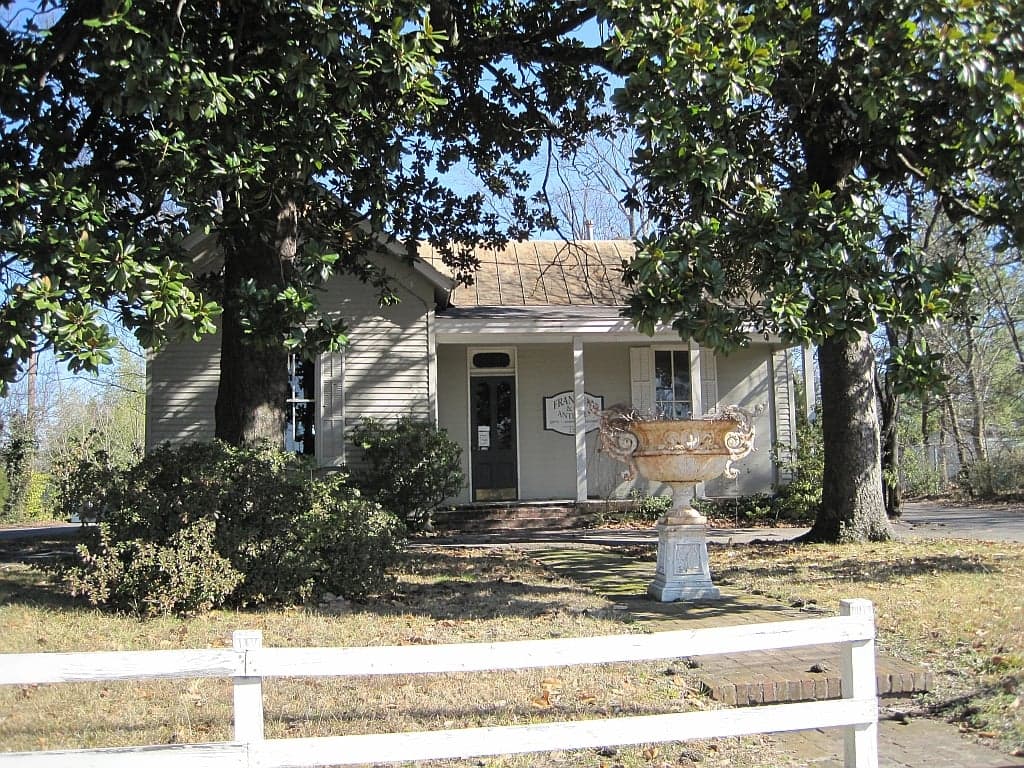
Germantown’s population history begins not with a boom, but with a slow, agrarian settlement. Founded in 1825 along the Memphis-to-Nashville stagecoach route, the area was originally inhabited by European-American farmers, many of Scots-Irish and English descent. The arrival of the Memphis and Charleston Railroad in the 1850s spurred the first real growth, turning the village into a shipping point for cotton and timber. The historic Old Germantown district, centered around Germantown Road and Poplar Avenue, became the commercial and social hub for these early families. For much of the 19th and early 20th centuries, the population remained small and rural, with no major immigrant waves. The city’s character as a distinct, self-contained community was solidified by its incorporation in 1841, but it remained a quiet crossroads until the post-World War II era.
Modern era (post-1965)
The modern demographic story of Germantown is one of deliberate suburbanization and white flight from Memphis. Following the 1968 assassination of Martin Luther King Jr. and the subsequent acceleration of racial tensions and white out-migration from Memphis, Germantown became a primary destination for affluent white families. The city’s population surged from roughly 1,500 in 1960 to over 32,000 by 1990. This growth was concentrated in master-planned subdivisions like Farmington and River Oaks, which were developed in the 1970s and 1980s with large lots, brick homes, and strict zoning codes that effectively limited multifamily housing. These neighborhoods attracted professionals, executives, and Memphis-based corporate transferees, overwhelmingly white and native-born. The city’s small Black population (4.1%) is largely concentrated in older, smaller-lot areas near the city’s southern edge, such as the South Germantown corridor, while the Asian (2.8%) and Indian (2.9%) communities are dispersed, with no single ethnic enclave. The foreign-born share (2.9%) is remarkably low, reflecting the city’s limited appeal to recent immigrants compared to more diverse suburbs.
The future
Germantown’s population is projected to remain stable and demographically homogeneous over the next 10-20 years. The city is effectively built out, with little undeveloped land, meaning future growth will come from infill and redevelopment rather than new subdivisions. The white share is likely to remain high, as the city’s reputation for elite public schools and low crime continues to attract similar demographics from Memphis and other parts of the Mid-South. The Indian and East/Southeast Asian populations, while small, are growing slowly, driven by professional families in medicine and technology who are drawn to the school system. However, these groups are assimilating into the broader suburban culture rather than forming distinct ethnic neighborhoods. The Hispanic population (3.4%) is also small and concentrated in service-sector roles, with no significant enclave. The city is not tribalizing into distinct enclaves; rather, it is homogenizing further as older, less expensive homes are bought by families who fit the established profile. The biggest demographic shift may be an aging population, as children of current residents leave for college and careers elsewhere.
For a conservative-leaning individual or family considering a move, Germantown represents a stable, predictable, and culturally homogeneous suburb where the population is unlikely to change dramatically in the foreseeable future. The city is becoming more of a high-end, retirement-friendly community for empty-nesters while still attracting young families who prioritize school quality and safety above all else. The low foreign-born and minority shares mean that newcomers will find a community that is overwhelmingly native-born, English-speaking, and politically conservative, with little of the ethnic or cultural friction found in more diverse suburbs. This is a place where the population is not growing rapidly, but is instead solidifying its existing character.

* Values derived from national, state, county, city and local statistics and may differ in a specific area. Last updated: 2026-04-15T23:52:15.000Z
Narrative content on this page is AI-generated and may contain mistakes. Verify any details that matter before acting on them.
ReloMaps may earn a commission from affiliate links at no extra cost to you.

