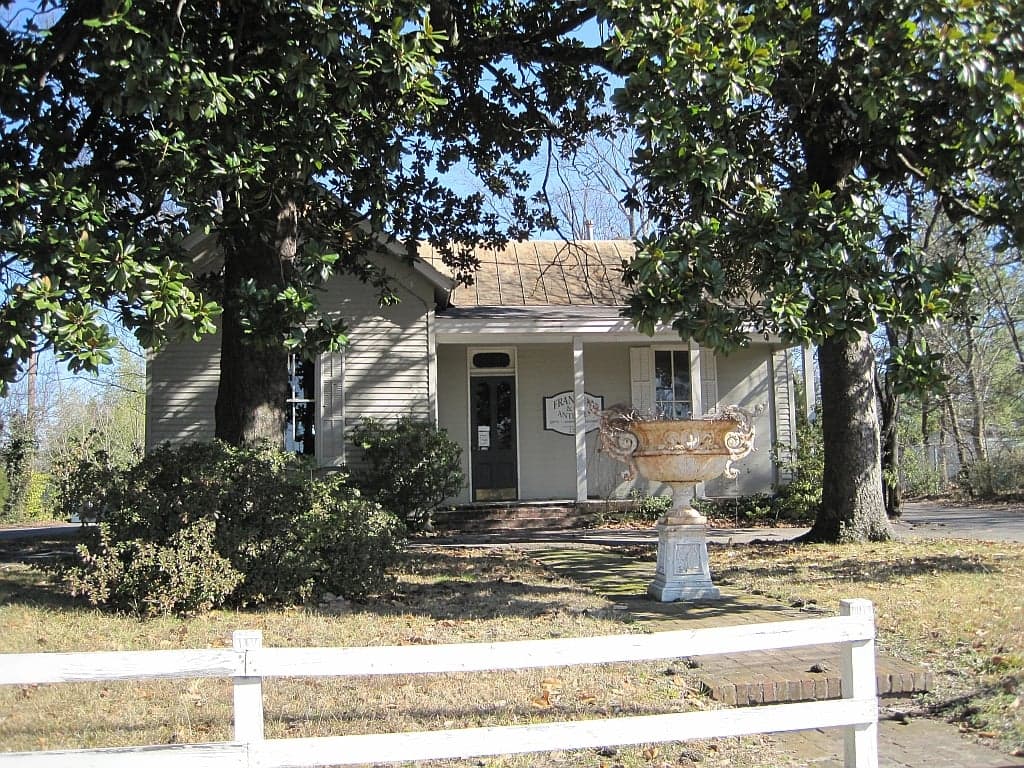
Photo: Wikipedia
Political ClimatePolitical Climate in Germantown, TN
District shown is the primary district for this city’s centroid. Cities may span multiple districts.
Local Political AnalysisPolitical Analysis of Germantown, TN
Germantown, Tennessee, has long been a rock-solid conservative stronghold, and that’s not changing anytime soon. With a Cook PVI of R+21, this suburb of Memphis leans heavily Republican, and the voting patterns here reflect a deep-rooted preference for limited government and personal responsibility. You won’t find much of the progressive drift that’s creeping into other parts of Shelby County—Germantown has held the line, and most folks here intend to keep it that way.
How it compares
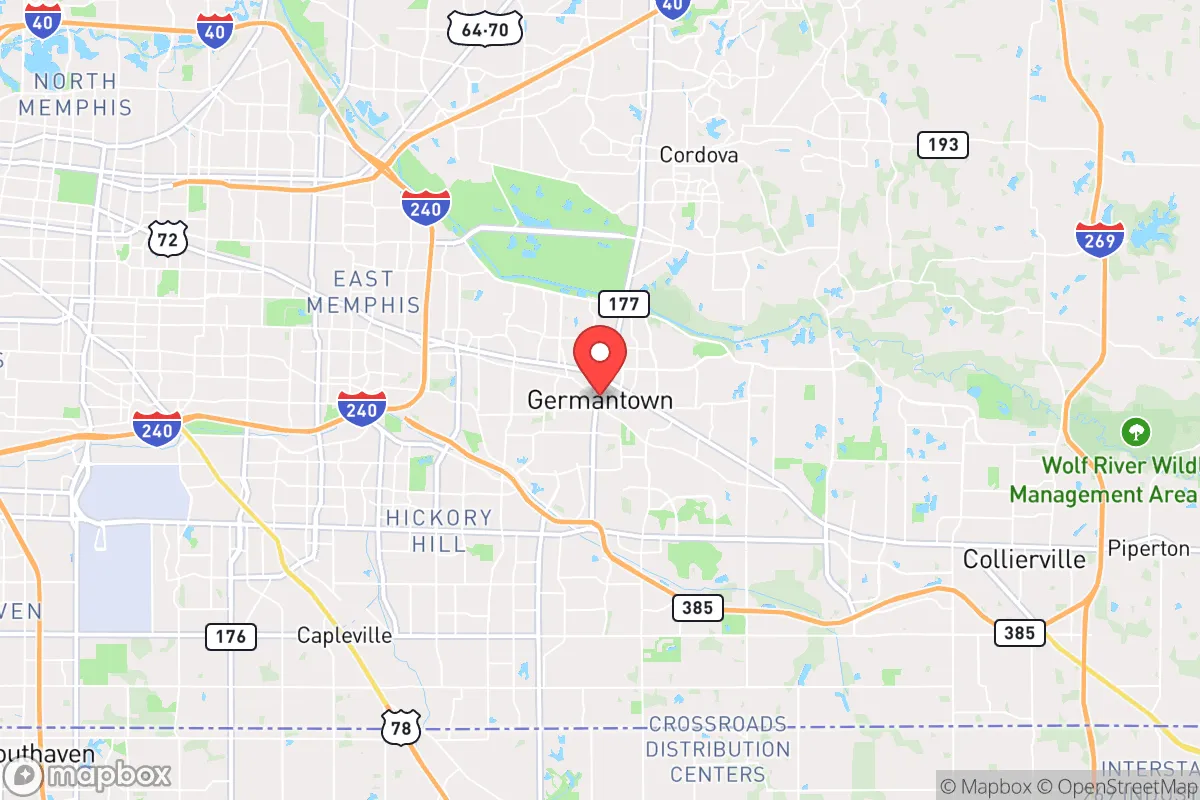
Drive ten miles west into Memphis proper, and you’re in a completely different political universe. Memphis leans heavily Democratic, with a Cook PVI around D+25, and its city council has pushed policies on everything from policing to zoning that would make most Germantown residents’ heads spin. Collierville, just to the east, is also conservative but has seen a slight uptick in moderate candidates in recent years—nothing alarming yet, but worth watching. Bartlett, to the north, is reliably red but has a more working-class, less affluent vibe. Germantown, though, remains the gold standard for conservative governance in the region: low taxes, strict zoning, and a city council that hasn’t bought into the progressive agenda. The contrast is stark, and it’s why many families moved here in the first place.
What this means for residents
For the people who live here, the political climate translates into a daily life that feels refreshingly free from government overreach. You won’t see mask mandates or business shutdowns being debated at city hall—Germantown’s leaders generally trust residents to make their own choices. Property taxes are among the lowest in Shelby County, and there’s no city income tax. The schools are top-notch, and the city’s approach to public safety is straightforward: fund the police, keep crime low, and don’t let Memphis-style chaos spill over. That said, there’s a quiet concern among long-time residents that the national Democratic Party’s influence is seeping into local school board races and neighborhood associations. A few years back, a progressive candidate nearly won a seat on the city council—that woke a lot of people up. If that trend continues, you could see more fights over things like diversity initiatives or “equity” programs in schools, which most folks here view as unnecessary government meddling.
One thing that sets Germantown apart is its fierce independence from Memphis. The city has its own police department, its own school system, and its own zoning laws—and it fights to keep it that way. There’s a cultural pride in being “not Memphis,” and that extends to politics. You’ll see more Trump signs in yards here than in most of the state, and the local Republican club is active and well-funded. But it’s not all lockstep—there’s a libertarian streak too. People here don’t like being told what to do, whether it’s by Washington, Nashville, or even their own mayor. The biggest policy fights in recent years have been over property rights and development—how much the city should regulate new construction, and whether to let in more apartments. So far, the conservative majority has kept things tight, but as the city grows, those battles will only intensify. If you value personal freedom, low taxes, and a community that doesn’t bow to progressive pressure, Germantown is still one of the safest bets in the Mid-South. Just keep an eye on those school board meetings—that’s where the real fight is shaping up.

State Political ClimatePolitical Climate in Tennessee
State Political AnalysisPolitical Environment in the State
Tennessee has been a reliably red state for decades, but the nature of that conservatism has shifted significantly. The state’s overall partisan lean is solidly Republican, with a +14.5-point GOP advantage in the 2024 presidential election, and every statewide office held by a Republican. However, the coalition that delivers those wins has changed: the old-school, moderate-to-conservative Democratic strongholds in Memphis and Nashville have collapsed, replaced by a growing, more populist and culturally conservative base in the suburbs and exurbs. Over the last 10-20 years, the state has moved from a “purple-ish” swing state to a deep red one, driven by the exodus of rural and suburban voters from the Democratic Party and the in-migration of conservatives from high-tax states like California and Illinois.
Urban vs. rural divide
The political map of Tennessee is a classic story of three blue islands in a red sea. Nashville (Davidson County) is the state’s liberal anchor, voting +25 for Biden in 2020, but its influence is contained by the surrounding ring of deeply red suburbs like Williamson County (the wealthiest county in the state, voting +40 R) and Rutherford County (home to Murfreesboro, a fast-growing, solidly red exurb). Memphis (Shelby County) is the other major blue stronghold, but its Democratic margins are shrinking as the city’s population declines and the surrounding Fayette County and Tipton County become reliably red. Chattanooga (Hamilton County) is the most interesting battleground: it flipped from red to blue in 2020 and 2024, but the county is still split, with the city itself trending left while the rural eastern part of the county stays deep red. The rest of the state—Knoxville (Knox County), the Tri-Cities, and the vast rural areas—are solidly Republican, with many counties voting +50 to +70 points for Trump. The divide is less about “coastal elite vs. heartland” and more about the urban core vs. everything else, with the suburbs increasingly acting as the decisive battleground.
Policy environment
Tennessee’s policy environment is aggressively conservative, with a focus on low taxes, limited regulation, and cultural conservatism. The state has no state income tax (only interest and dividends are taxed, and that’s being phased out), and the sales tax is high (around 9.55% average) but is the primary revenue source. The regulatory climate is business-friendly, with a right-to-work law and a strong tort reform environment. On education, the state has a robust school choice program: the Education Savings Account (ESA) program was expanded in 2024 to cover all students, not just those in low-performing districts, and the state has a strong charter school law. Healthcare is a mixed bag: Tennessee did not expand Medicaid under the Affordable Care Act, leaving a coverage gap, but the state has a relatively free-market approach to insurance. Election laws are strict: voter ID is required, early voting is available but limited, and the state passed a law in 2023 making it a felony for election officials to send unsolicited mail-in ballot applications. The state also passed a “Heartbeat” abortion ban in 2020, which went into effect after the Dobbs decision, banning abortion at roughly six weeks. The policy environment is designed to attract conservative families and businesses, and it’s working: the state is one of the fastest-growing in the nation.
Trajectory & freedom
Tennessee is becoming more free in many respects, but not uniformly. On the positive side for conservatives, the state has expanded gun rights significantly: in 2021, it passed constitutional carry (permitless carry of handguns), and in 2023, it passed a law allowing teachers to carry firearms on school grounds with approval. Parental rights have been strengthened: the “Parental Bill of Rights” (2022) requires schools to notify parents of any changes to a student’s health or emotional well-being, and the state has banned transgender procedures for minors (2023). Property rights are strong, with no statewide zoning mandates and a low property tax burden. However, there are concerning trends. The state’s “Anti-Sanctuary City” law (2017) is aggressive, but local governments in Nashville and Memphis have pushed back, creating a tension between state preemption and local control. The “Tennessee Three” expulsions in 2023 (where two Democratic state representatives were expelled for protesting gun control on the House floor) raised questions about legislative overreach and free speech. The state also passed a “Drag Ban” in 2023 that was struck down by a federal judge as unconstitutional, but the state is appealing. The trajectory is toward more cultural conservatism, but with a growing tension between the state government’s desire for uniformity and the urban centers’ resistance.
Civil unrest & political movements
Tennessee has seen its share of political flashpoints. The “Tennessee Three” protests in 2023 were the most visible, with thousands of students and activists marching on the state capitol after the Covenant School shooting, leading to the expulsion of two Democratic representatives. The state has a strong Second Amendment movement, with regular rallies at the capitol and a vocal gun rights community. Immigration politics are heated: the state passed a law in 2024 requiring local law enforcement to cooperate with ICE, and there have been protests in Nashville against the state’s hardline stance. The “Sanctuary City” debate is ongoing, with Nashville’s mayor resisting state pressure. There is a small but active secessionist/nullification movement in rural areas, particularly in East Tennessee, where some groups advocate for state sovereignty over federal land management. Election integrity remains a hot topic: the state’s voter ID law and restrictions on mail-in voting are popular with conservatives, but Democrats argue they suppress turnout. A new resident would notice the strong presence of political signage, especially in rural areas, and the frequent protests at the capitol during legislative sessions.
Projection
Over the next 5-10 years, Tennessee will likely become even more conservative, but with a growing internal tension. The in-migration from blue states (especially California, Illinois, and New York) is bringing in a mix of conservatives and moderates, but the net effect is still red. The suburbs of Nashville and Knoxville are growing fastest, and they are trending more conservative as they fill with families fleeing high taxes and crime elsewhere. The urban cores (Nashville, Memphis, Chattanooga) will continue to be blue, but their influence will be diluted by the growth of the exurbs. The state’s Republican supermajority is likely to hold, and we can expect more legislation on school choice, gun rights, and cultural issues (like restrictions on transgender rights and drag performances). The biggest wild card is the federal courts: several of the state’s recent laws (the drag ban, the abortion ban, the transgender ban) are being challenged, and if they are struck down, the state legislature may push back with even more aggressive measures. A new resident moving in now should expect a state that is stable, safe, and culturally conservative, but with a growing urban-rural divide that will become more pronounced over time.
Bottom line for a new resident: If you’re a conservative looking for low taxes, strong gun rights, and a culture that respects traditional values, Tennessee is one of the best states in the country. You’ll find a welcoming environment in the suburbs and rural areas, but you’ll need to be aware of the blue pockets in Nashville and Memphis, where the local politics are at odds with the state government. The state is on a solid trajectory toward more freedom in most areas, but keep an eye on the courts—they’ll be the final arbiter of how far the state can go.
* Values derived from national, state, county, city and local statistics and may differ in a specific area. Last updated: 2026-04-15T23:52:15.000Z
Narrative content on this page is AI-generated and may contain mistakes. Verify any details that matter before acting on them.
ReloMaps may earn a commission from affiliate links at no extra cost to you.

