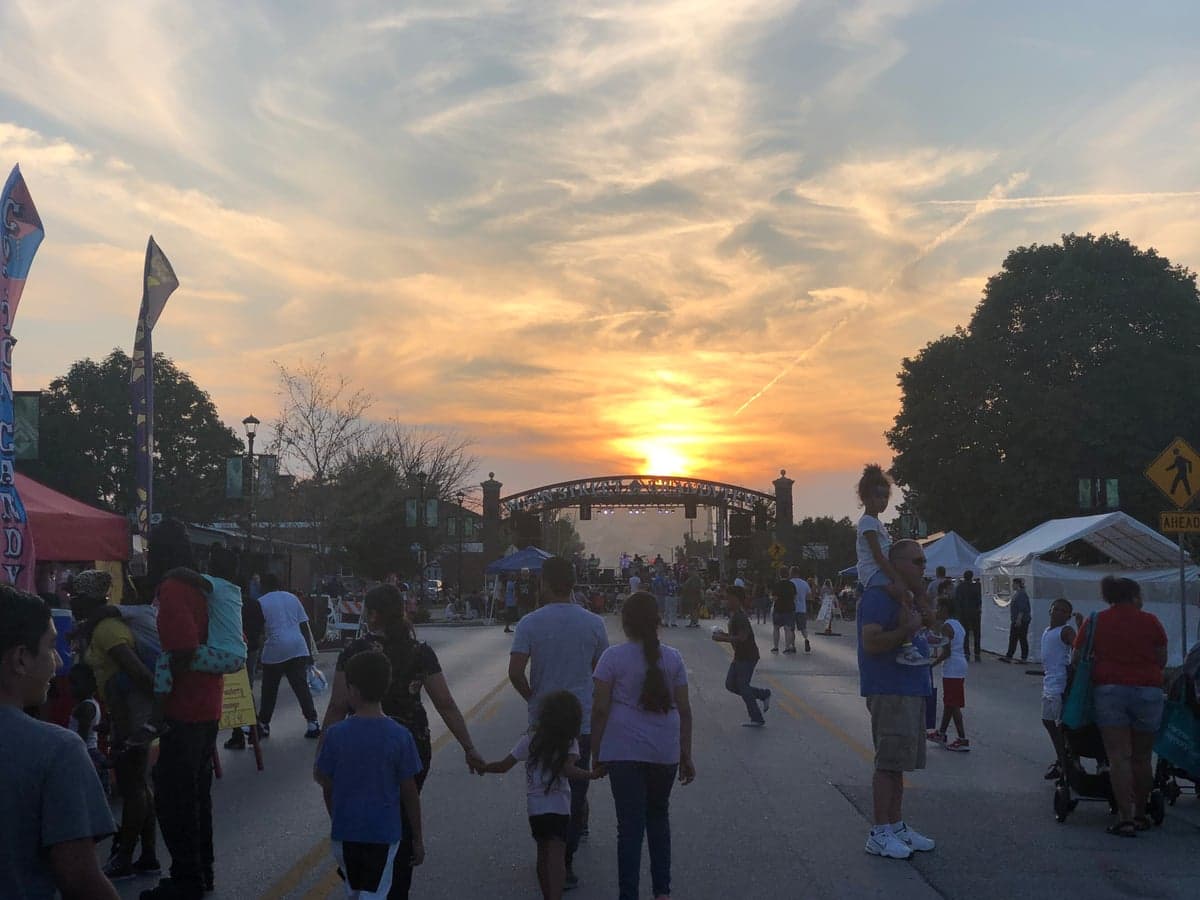
Photo: Wikipedia
Strategic Assessment of Grandview, MO
Multiple tactical vulnerabilities. Population density, target proximity, or disaster risk are likely compounding. A retreat property and exit planning is required.
What does the Strategic Assessment tell us?
Our Strategic Assessment grades tactical survivability of an area. Major population centers, military targets, fallout zones, natural disasters, and border exposure all drive risk — lower exposure means a more defensible position in a crisis.
This is heavily inspired by Joel Skousen's Strategic Relocation book. Highly recommended you checkout the book ($)What does this tell us?
Our Strategic Assessment grades tactical survivability of an area. Major population centers, military targets, fallout zones, natural disasters, and border exposure all drive risk — lower exposure means a more defensible position in a crisis.
This is heavily inspired by Joel Skousen's Strategic Relocation book. Highly recommended you checkout the book ($)Strategic Pillars

Key Distances
Regional Safe Places
Below is our recommended "safe zones" in Missouri and the surrounding area based on our strategic heuristics. For most people, it's unrealistic to live in a “safe zone” full-time due to work, family or other personal reasons. They tend to be more rural. However, many of these areas are perfect for second homes and retreat properties that double as a vacation home or even a short-term rental.


Important Note: For informational purposes only. This does not mean nothing bad ever happens in the green zones. Please use common sense. This is based on public data and modeled with AI. We tried to take a conservative approach but mistakes happen. We update this regularly as new information becomes available.
Solar Generator Recommendations
Backup power matters more here than in safer locations. We've picked three solar generators across budgets and capacity tiers — start with the budget unit if you only need a few essentials, or step up if you want to run a fridge and HVAC for days at a time.

Jackery Portable Power Station Explorer 300
Budget OptionPower on the Go: Weighing only 11 lbs, it's convenient to set up and store with book-sized foldable solar panels

BLUETTI Portable Power Station AC180
Designed for both indoor and outdoor scenarios, AC180 is highly capable as it has a robost capacity and continuous output power.

EF ECOFLOW DELTA Pro Ultra Power Station
Upgraded PickEcoFlow DELTA Pro Ultra is a whole-home energy system designed to grow with your family. Integrated with the Smart Home Panel 2, it scales to meet your evolving energy needs — keeping your home powered, intelligent, and secure through every stage of life.
We earn a commission, at no additional cost to you.
Strategic Assessment Analysis
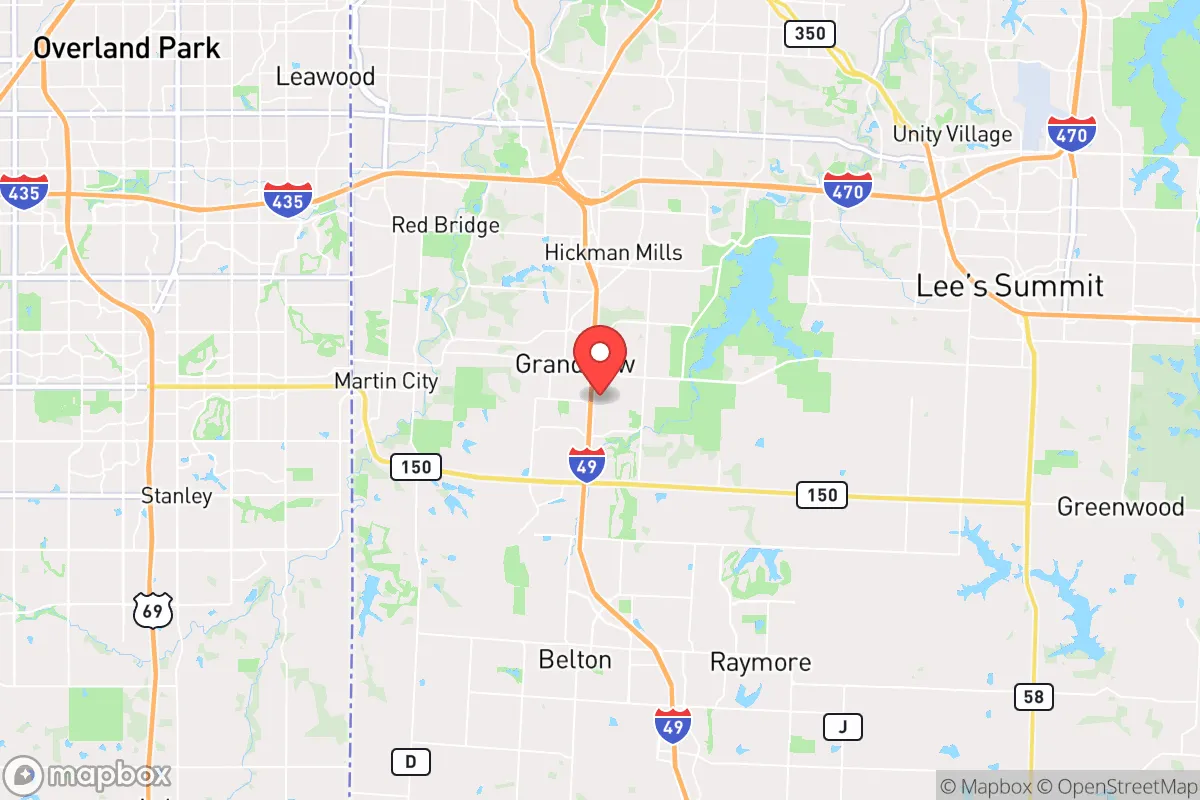
Grandview, Missouri, sits in a precarious but potentially workable position for those prioritizing resilience and strategic relocation. Located just south of Kansas City, it offers the illusion of rural escape while remaining tethered to a major metropolitan area—a double-edged sword in any prepper’s assessment. The town’s real advantage lies in its access to major transport corridors (I-49, I-435, and US-71) and its position on the Missouri River floodplain, which provides both water resources and agricultural potential, but also introduces significant vulnerabilities that demand careful consideration.
Geographic position and natural advantages for long-term sustainability
Grandview’s location at the southern edge of the Kansas City metro gives it a buffer zone that denser suburbs lack. The area sits on the western edge of the Missouri River Valley, with rolling hills and mixed hardwood forests that offer decent cover and natural water drainage. The Missouri River itself is roughly 10 miles north, providing a reliable surface water source—critical for any long-term grid-down scenario. The region’s climate is temperate, with four distinct seasons, average annual rainfall around 40 inches, and a growing season long enough to support staple crops like corn, beans, and squash. The soil in southern Jackson County is primarily clay-loam, which drains well enough for gardening but requires amendment for high-yield production. For a relocator, the natural advantages here are modest but real: adequate water, arable land, and a climate that won’t kill you in the first winter. The biggest natural asset is the proximity to the Missouri River and the network of creeks and streams that feed into it—these can be tapped for off-grid water with proper filtration.
Risks, exposures, and proximity to fallout-relevant landmarks
This is where Grandview’s strategic picture gets complicated. The town is less than 15 miles from downtown Kansas City, which means it falls within the blast and fallout radius of any major attack on that urban center. Kansas City is a transportation and logistics hub—home to a major rail yard, Interstate 35 and 70 intersections, and the Port of Kansas City on the Missouri River. It also hosts the Whiteman Air Force Base (home to B-2 bombers) roughly 50 miles east, and the Kansas City National Security Campus (a nuclear weapons component plant) just north in Kansas City proper. These are high-value targets in any conflict scenario. Grandview’s position puts it in the moderate-to-heavy fallout zone for a ground burst on those sites, depending on wind direction. Additionally, the town is directly adjacent to Interstate 49, a major north-south evacuation route that would become a choke point during any mass exodus from Kansas City. The risk of being caught in a refugee wave or looters moving south from the city is real. Flooding is also a concern—parts of Grandview lie in the 100-year floodplain of the Blue River, which runs through the town. Tornado risk is elevated, as this is the western edge of Tornado Alley, though the terrain offers some natural sheltering options in the form of hills and ravines.
Practical resilience for a relocator: food, water, energy, and defensibility
For a prepper or survivalist, Grandview offers a mixed bag. On the positive side, the town has a decent agricultural base—there are several small farms and nurseries within a 10-mile radius, and the local farmers’ market operates seasonally. The soil, while not ideal, can be worked into productive garden plots with compost and raised beds. Water is accessible via the Missouri River and local creeks, but you will need a robust filtration system—the river carries agricultural runoff and industrial contaminants from upstream. Well water is an option in the more rural parts of Grandview, but the water table is deep (100-200 feet) and drilling costs are significant. Energy-wise, the grid is reliable but vulnerable to weather events and cyber attacks. Solar potential is moderate—the area gets about 200 sunny days per year, which is enough for a modest off-grid setup but not for full independence without battery storage. Natural gas is widely available, which is a plus for heating and cooking if the grid stays up. Defensibility is the weak point. Grandview is a suburban town with no natural chokepoints or defensible terrain. The flat-to-rolling landscape offers little cover, and the town’s layout—with multiple entry points from highways and county roads—makes it hard to secure. A better option for a prepper would be to look at the more rural areas south of Grandview, toward Cass County, where you get more land, fewer neighbors, and better natural barriers. Within Grandview itself, the best bet is a property with a basement (for tornado and fallout shelter), a well, and enough acreage to grow food and store supplies without being visible from the road.
The overall strategic picture for a conservative relocator
Grandview is a compromise location—not ideal for a hardcore prepper, but workable for someone who needs to stay within commuting distance of Kansas City for work or family reasons while building a resilience plan. The town’s proximity to the city is its biggest liability, but also its biggest asset in terms of access to medical facilities, hardware stores, and supply chains. For a conservative-leaning individual or family, the local political climate is mixed—Jackson County leans blue, but the southern parts of the county and neighboring Cass County are more red. The schools are average, property taxes are moderate, and the cost of living is below the national average. If you’re serious about long-term survival, you’ll want to buy land south of Grandview, stockpile supplies for at least 90 days, and invest in a good water filtration system and a backup power source. The area’s biggest threat is not natural disaster but human-caused chaos—civil unrest, supply chain disruptions, or a major attack on Kansas City’s infrastructure. If you can mitigate that risk by building a secure, self-sufficient property with good neighbors and a plan for evacuation, Grandview can serve as a viable base. But if you’re looking for a true retreat location with natural defensibility and minimal exposure to urban fallout, you’ll need to go further south or west—toward the Ozarks or the Flint Hills. Grandview is a staging ground, not a final destination, for the serious strategist.

* Values derived from national, state, county, city and local statistics and may differ in a specific area. Last updated: 2026-04-29T21:39:31.000Z
Narrative content on this page is AI-generated and may contain mistakes. Verify any details that matter before acting on them.
ReloMaps may earn a commission from affiliate links at no extra cost to you.

