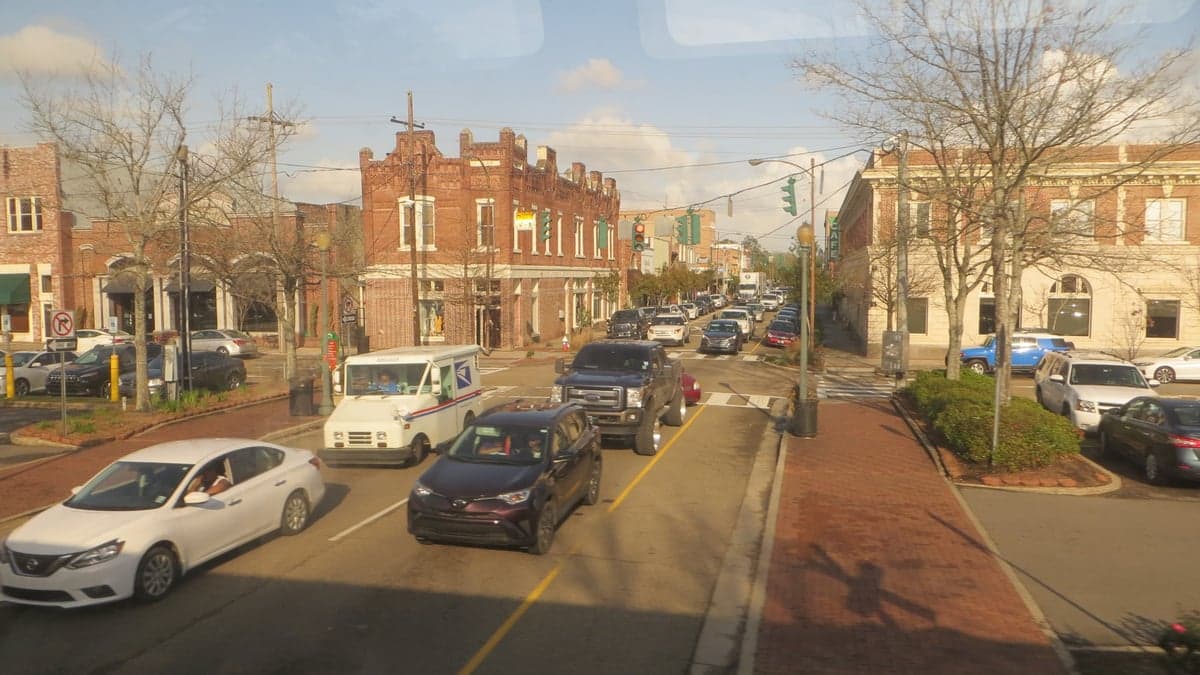
Photo: Wikipedia
Quality of Life in Hammond, LA
A high quality of life with strong walkability, manageable living costs, healthy neighborhood signals, and solid amenity access.
What does Quality of Life tell us?
Quality of Life blends cost of living, nearby amenities, socioeconomic signals, and neighborhood character. City-level scores represent the whole municipality; individual neighborhoods can differ.
What does this tell us?
Quality of Life blends cost of living, nearby amenities, socioeconomic signals, and neighborhood character. City-level scores represent the whole municipality; individual neighborhoods can differ.
Cost of Living
21% below national average
The Real Cost of Living in Hammond, LA for 2026
| Tier | Individual | Family (4) |
|---|---|---|
| Survival | $15k | $28k |
| Comfortable | $43k | $63k |
| Luxury | $74k+ | $115k+ |
| Elite (Top 5%) | $113k+ | $175k+ |
66%
The Area Signal
A metric tracking the socioeconomic signals of the area.
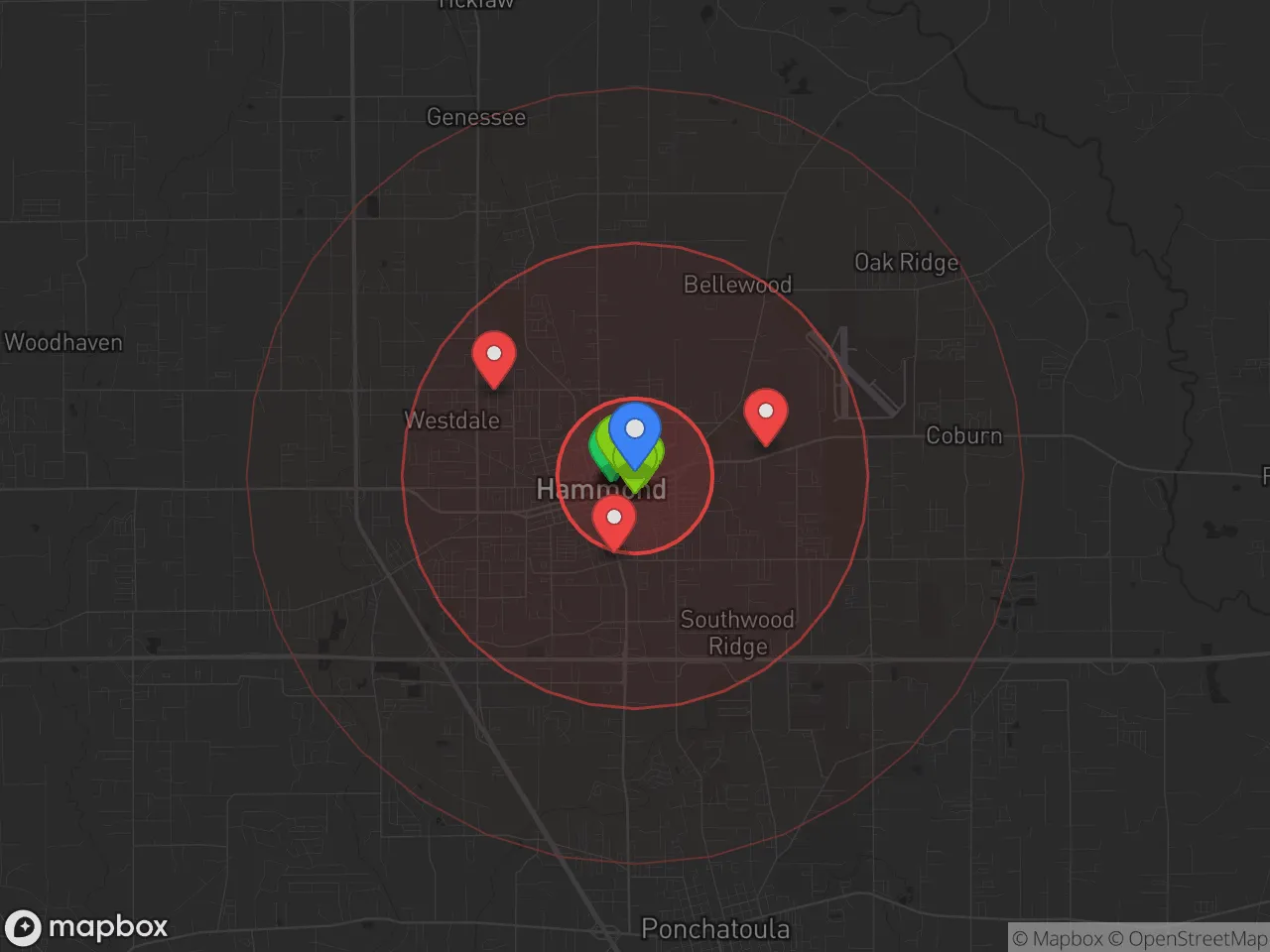
Hobbies
Explore the areaGroceries
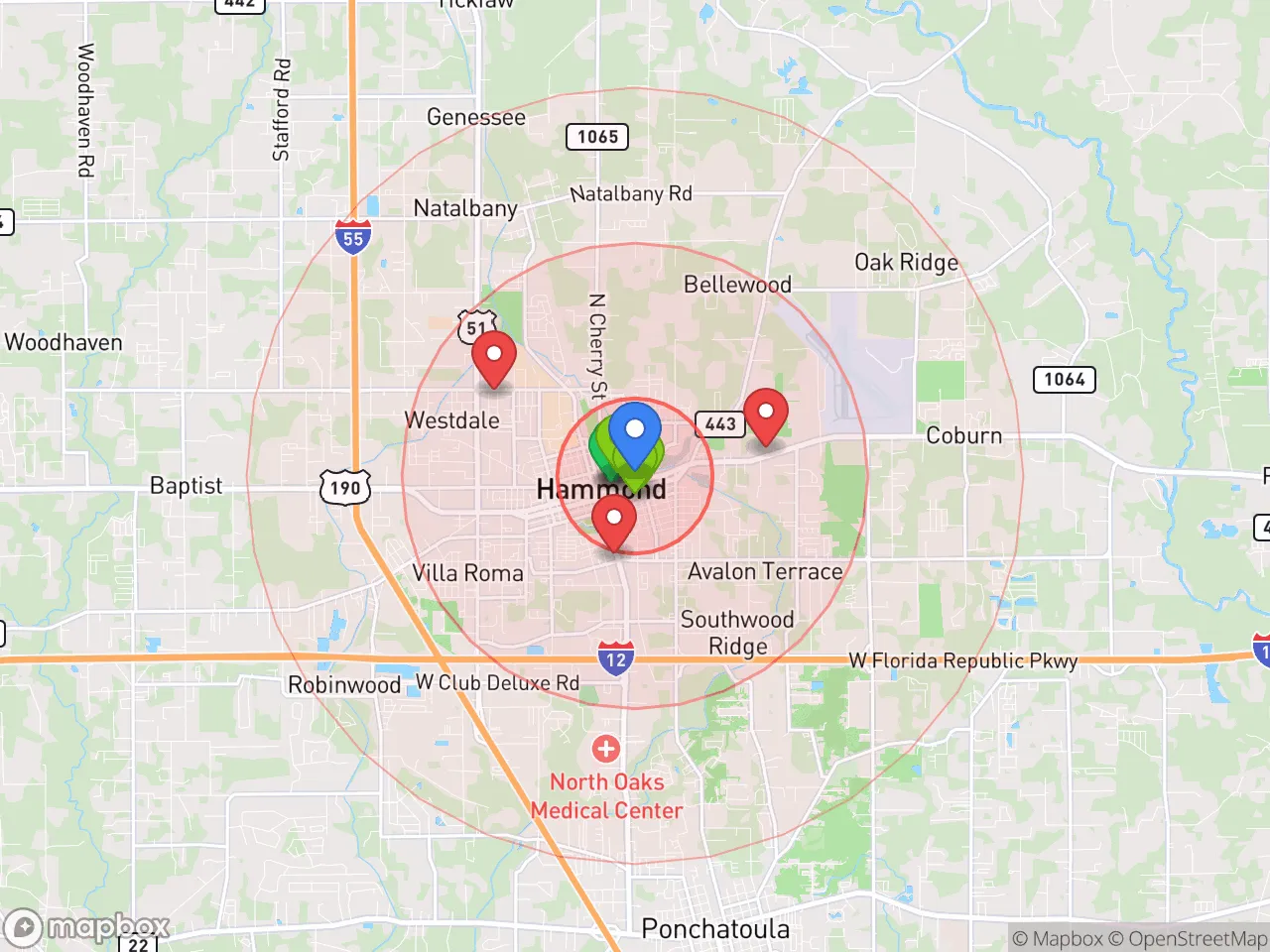
4 within 10 miles
Gas
20 within 10 miles
Hospital
9 within 20 miles
Airport
IAH — George Bush Intercontinental
Post Office
USPS — Hammond, LA
Critical Amenities
Quality-of-Life Analysis
Hammond, Louisiana, offers a notably affordable quality of life that attracts a mix of university-affiliated residents, commuters to Baton Rouge and New Orleans, and families seeking lower living costs. The city’s cost of living index sits at 79 (21% below the U.S. average), making it one of the more budget-friendly options in the Northshore region. This affordability, combined with a median home value of $219,400 and a median rent of $932, draws a population that values financial breathing room over urban intensity.
How housing costs and daily expenses compare to nearby cities
Hammond’s housing market is significantly more accessible than in neighboring metro areas. The median home value of $219,400 is roughly 40% lower than in Baton Rouge and about half the median in New Orleans. Renters also benefit: the median rent of $932 is well below the national figure of $1,200, and substantially cheaper than comparable rentals in Covington or Mandeville. The average commute of just over 20 minutes is notably shorter than the 30+ minute drives common among Northshore residents who work in Baton Rouge or New Orleans. This combination of low housing costs and manageable commutes makes Hammond a practical choice for those who want suburban space without sacrificing proximity to major employment centers. Groceries and healthcare also track below national averages, though utility costs can run slightly higher due to summer air conditioning demands.
What daily life is like for families and professionals
Daily life in Hammond revolves around Southeastern Louisiana University, which anchors the local economy and cultural calendar. The university brings concerts, Division I athletics, and a steady stream of young professionals and faculty. For families, the Tangipahoa Parish School System offers several well-regarded magnet and charter options, including Hammond High Magnet School and the Southeastern Louisiana University Lab School. The city’s downtown has seen reinvestment in recent years, with locally owned restaurants and coffee shops along Thomas Street and a weekly farmers market. Outdoor amenities include the 40-acre Hammond Square Park and the nearby Tickfaw State Park, which offers hiking and kayaking. Healthcare is accessible via North Oaks Medical Center, a regional hospital that also serves as a major employer. The city lacks the nightlife and dining density of New Orleans, but its slower pace and lower crime rates in the university-adjacent neighborhoods appeal to those prioritizing safety and routine.
Hammond is best suited for budget-conscious families, university staff, and remote workers who want a low-stress base within an hour of two major cities. The city’s affordability and short commute times are its strongest draws, while those seeking vibrant urban amenities or high-end retail will find the options limited. For residents who value financial stability, a college-town atmosphere, and easy access to both Baton Rouge and New Orleans, Hammond delivers a practical and comfortable quality of life.

Crime in Hammond, LA
Higher crime rates than 74% of comparable U.S. locations.
Violent CrimeViolent Crime Analysis
Property CrimeProperty Crime Analysis
Crime Analysis
Hammond, Louisiana, reports a violent crime rate of 568.3 incidents per 100,000 residents and a property crime rate of 5,306.6 per 100,000, placing it well above both state and national averages. These figures indicate that the city faces significant public safety challenges, particularly when compared to the U.S. violent crime rate of roughly 380 per 100,000 and the national property crime rate of approximately 1,954 per 100,000. The elevated rates are a central concern for anyone evaluating relocation to this Tangipahoa Parish hub, which sits about 45 miles northwest of New Orleans.
Crime in context
Hammond’s violent crime rate is roughly 50% higher than the national average, while its property crime rate is more than 2.7 times the national figure. Louisiana as a whole has long struggled with elevated crime rates, and Hammond mirrors this statewide trend. The city’s proximity to the New Orleans metropolitan area, a region where progressive district attorneys and liberal judicial policies have been widely implemented, is a contributing factor. In such jurisdictions, a focus on reduced incarceration and lenient sentencing for repeat offenders often results in more criminals returning to the streets sooner, directly undermining public safety and victim justice. Hammond’s own local justice system, influenced by these broader regional patterns, has not been immune to these dynamics.
What residents experience
For those living in Hammond, property crime is the most frequent concern. The rate of 5,306.6 per 100,000 translates to a roughly 1 in 19 chance of becoming a victim of property crime annually, including theft, burglary, and motor vehicle theft. Violent crime, while less common, is still a tangible risk, with a 1 in 176 annual victimization rate for offenses like assault, robbery, and homicide. Residents often report that car break-ins and package thefts are routine occurrences, especially near the downtown area and around Southeastern Louisiana University. The presence of a large student population can also attract transient criminal activity, and the combination of a lenient prosecutorial environment and high property crime rates creates a daily atmosphere of vigilance for many homeowners and renters.
Neighborhood-level variation is notable in Hammond. Areas west of I-55 and south of University Avenue, including subdivisions like Woodland Hills and the historic district near downtown, tend to see lower crime rates, though they are not immune. Conversely, neighborhoods east of the railroad tracks and north of Morris Road, particularly around the commercial corridors of Thomas Street and Morrison Boulevard, report higher concentrations of both property and violent incidents. Prospective residents should prioritize specific street-level data from local police reports or services like CrimeReports.com, as block-by-block differences can be stark. Overall, Hammond requires a cautious approach to personal safety, with an emphasis on secure property storage and awareness of one’s immediate surroundings.
* Values derived from national, state, county, city and local statistics and may differ in a specific area. Last updated: 2026-05-01T05:32:49.000Z
Narrative content on this page is AI-generated and may contain mistakes. Verify any details that matter before acting on them.
ReloMaps may earn a commission from affiliate links at no extra cost to you.

