Photo: Wikipedia
Quality of Life in Hampstead, MD
A high quality of life with strong walkability, manageable living costs, healthy neighborhood signals, and solid amenity access.
What does Quality of Life tell us?
Quality of Life blends cost of living, nearby amenities, socioeconomic signals, and neighborhood character. City-level scores represent the whole municipality; individual neighborhoods can differ.
What does this tell us?
Quality of Life blends cost of living, nearby amenities, socioeconomic signals, and neighborhood character. City-level scores represent the whole municipality; individual neighborhoods can differ.
Cost of Living
7% above national average
The Real Cost of Living in Hampstead, MD for 2026
| Tier | Individual | Family (4) |
|---|---|---|
| Survival | $20k | $37k |
| Comfortable | $59k | $87k |
| Luxury | $131k+ | $204k+ |
| Elite (Top 5%) | $154k+ | $239k+ |
111%
The Area Signal
A metric tracking the socioeconomic signals of the area.
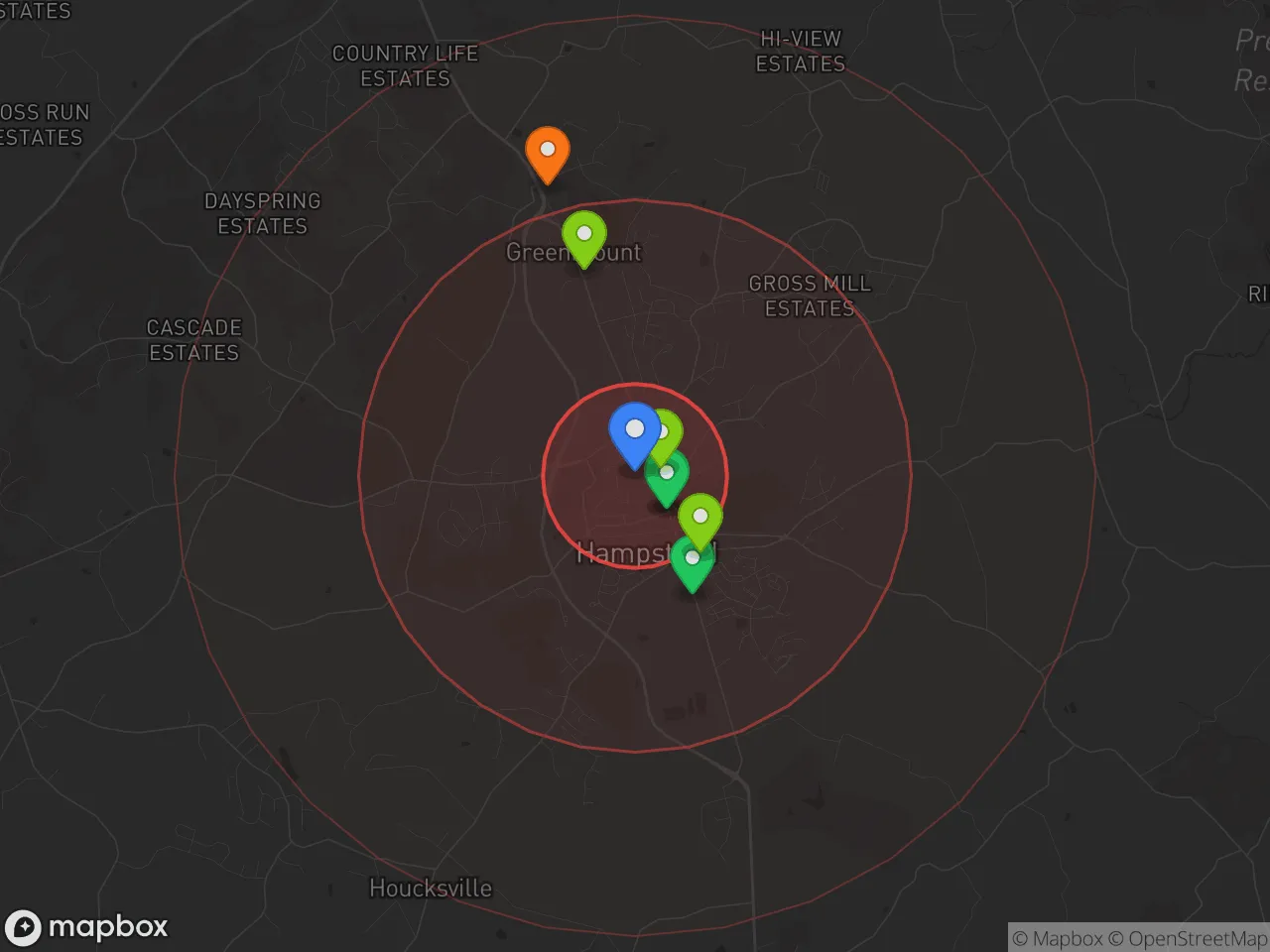
Hobbies
Explore the areaGroceries
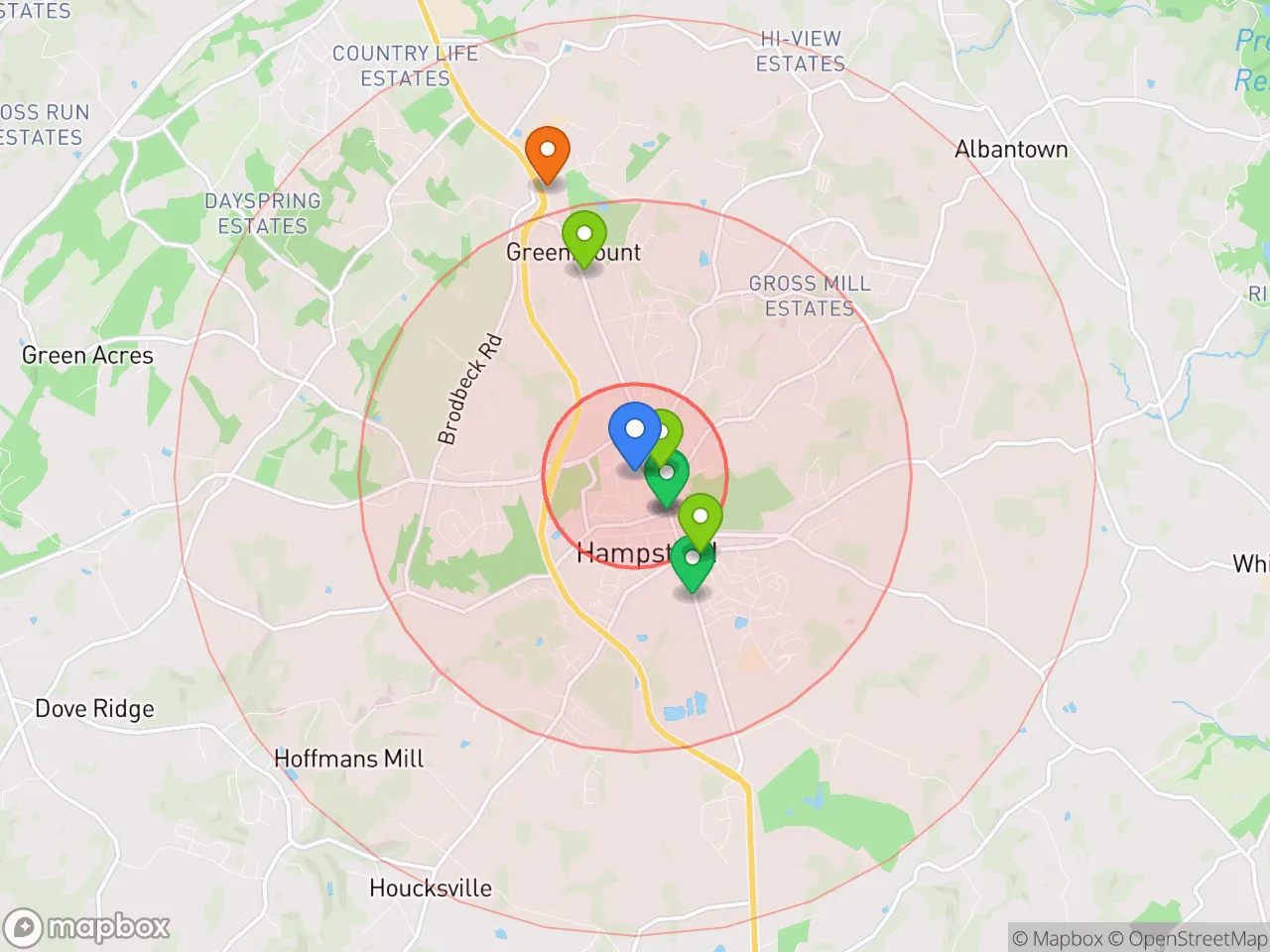
7 within 10 miles
Gas
20 within 10 miles
Hospital
9 within 20 miles
Airport
BWI — Baltimore/Washington International Thurgood Marshall
Post Office
USPS — Hampstead, MD
Critical Amenities
Quality-of-Life Analysis
Hampstead, Maryland, is an affluent Carroll County town where the cost of living runs 7% above the national average, attracting professionals and families who prioritize suburban space, strong schools, and a slower pace than the nearby Baltimore metro. With a median home value of $305,400 and a median rent of $1,229, the community draws a mix of long-term homeowners and younger renters, though its housing market remains notably more affordable than in neighboring Howard County or closer-in Baltimore suburbs. The typical resident commutes just over 30 minutes each way, often to jobs in Owings Mills, Hunt Valley, or downtown Baltimore, balancing small-town quiet with urban employment.
Cost of living, housing affordability, and how Hampstead compares to nearby areas
Hampstead’s overall cost-of-living index of 107 (100 = U.S. average) reflects housing costs that are moderate by Maryland standards but elevated relative to the national median. The median home value of $305,400 is roughly 30% lower than the Baltimore metro average and significantly undercuts Howard County’s median of around $500,000, making Hampstead a practical choice for buyers seeking value without sacrificing proximity to the I-83 corridor. Renters face a median of $1,229 per month, which is below the state average of roughly $1,500 and competitive with other Carroll County towns like Westminster or Manchester. Property taxes in Carroll County run about 1.05% of assessed value, lower than in neighboring Baltimore County (1.1%) and far below Howard County (1.2%+), further stretching household budgets. However, the trade-off is a longer average commute of 30.8 minutes — slightly above the national average of 27 minutes — as most residents drive to jobs in the Baltimore region or, less commonly, to northern Maryland employment hubs.
Local amenities, school quality, and the daily rhythm of life in Hampstead
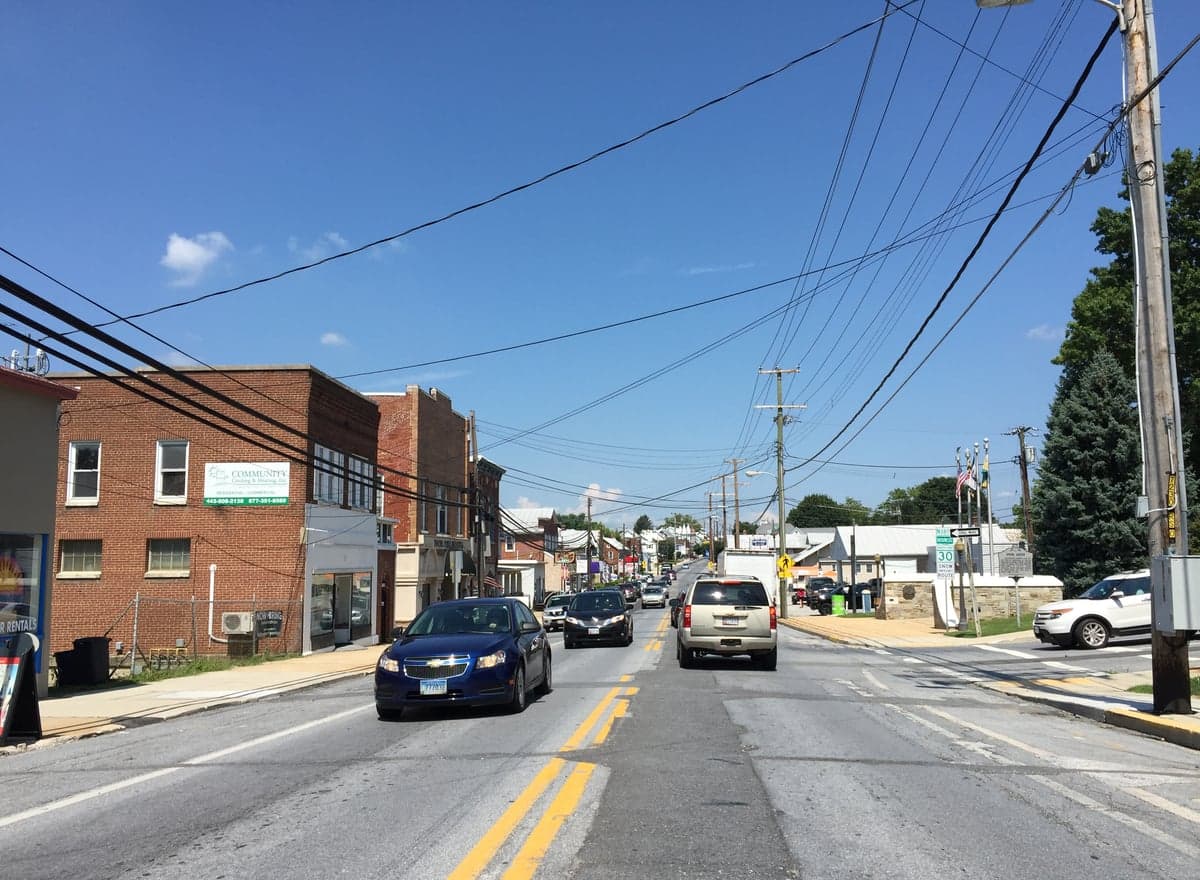
Daily life in Hampstead centers on a compact historic downtown with locally owned shops, restaurants like the popular Hampstead Restaurant & Pub, and seasonal events such as the Hampstead Farmers Market and the Fourth of July parade. The town’s public schools, part of the Carroll County Public Schools system, consistently rank among Maryland’s best: North Carroll High School and Hampstead Elementary both earn above-average ratings on GreatSchools, and the district as a whole boasts a graduation rate above 90%. For recreation, residents use Hampstead Community Park (with sports fields, playgrounds, and walking trails) and nearby Piney Run Park for fishing and boating. The lack of a major shopping mall or entertainment complex means most errands and nightlife require a 15- to 20-minute drive to Westminster or Owings Mills, but the trade-off is low crime rates and a quiet, family-oriented atmosphere. The town’s population of roughly 6,500 supports a tight-knit feel where neighbors know each other and community involvement is high.
Families and professionals who value strong public schools, a safe environment, and a slower suburban rhythm will thrive in Hampstead, especially those who can tolerate a 30-minute commute to Baltimore-area jobs. Retirees and remote workers also find the town appealing due to its lower housing costs relative to the metro core and access to outdoor recreation. However, singles seeking urban amenities or a vibrant nightlife may find the town too quiet, and the limited rental inventory can make it challenging for newcomers to find immediate housing. For buyers and renters who prioritize space, community, and school quality over walkability and cultural density, Hampstead offers a compelling balance of affordability and quality of life within Maryland’s expensive corridor.

Crime in Hampstead, MD
Higher crime rates than 57% of comparable U.S. locations.
Violent CrimeViolent Crime Analysis
Property CrimeProperty Crime Analysis
Crime Analysis
Hampstead, Maryland, presents a mixed safety profile for prospective residents. The town’s violent crime rate of 351.4 incidents per 100,000 residents is notably higher than the national average, while its property crime rate of 1,814.9 per 100,000 sits slightly below the U.S. median. However, these figures must be weighed against the broader context of Carroll County and the influence of the Baltimore metropolitan area’s criminal justice policies, which can create a more permissive environment for repeat offenders.
Crime in context
Hampstead’s violent crime rate is roughly double the national average of 170-200 per 100,000, a significant concern for a small town of about 6,300 residents. Property crime, while lower than the national benchmark of roughly 1,950 per 100,000, still translates to an annual risk of about 1 in 55 for residents. The town benefits from being in Carroll County, which historically has had lower crime rates than neighboring Baltimore County or the city of Baltimore itself. However, Hampstead’s proximity to the Baltimore metro area means it is not insulated from regional crime trends, including drug trafficking and property crimes linked to the larger urban core. The progressive prosecutorial policies in Baltimore City and surrounding jurisdictions—which often prioritize diversion programs and reduced sentencing—can lead to a revolving door for offenders who may later target suburban communities like Hampstead.
What residents experience
Residents report that violent crime in Hampstead is not random but often concentrated in specific incidents, such as domestic disputes or assaults among acquaintances. The town’s small size means that a single high-profile event can skew annual statistics. Property crime, including theft from vehicles and burglaries, is the more common daily concern, particularly in areas near Route 30 and commercial corridors. The Carroll County Sheriff’s Office provides primary law enforcement, and response times are generally good. However, the broader regional context is a legitimate worry: the liberal justice policies in the Baltimore metro area—including bail reform and reduced prosecution of non-violent offenses—can embolden criminals and reduce deterrence. This dynamic means that even a quiet town like Hampstead may see spillover crime from the larger, more permissive urban environment.
Neighborhood-level variation in Hampstead is modest but worth noting. The older, established residential areas near the town center and along Main Street tend to have lower reported crime, while newer subdivisions and rental properties near the outskirts may see more property incidents. The area around the Hampstead Business Center and the Walmart shopping plaza experiences higher foot traffic and associated theft. For families and retirees, the safest pockets are the quiet cul-de-sac neighborhoods off of Route 482 and the rural fringes near the Pennsylvania line. Prospective residents should consult the Carroll County Sheriff’s Office crime mapping tool and consider that while Hampstead is not a high-crime city, the regional justice system’s leniency toward offenders is a factor that demands caution.
* Values derived from national, state, county, city and local statistics and may differ in a specific area. Last updated: 2026-10-10T16:27:38.000Z
Narrative content on this page is AI-generated and may contain mistakes. Verify any details that matter before acting on them.
ReloMaps may earn a commission from affiliate links at no extra cost to you.

