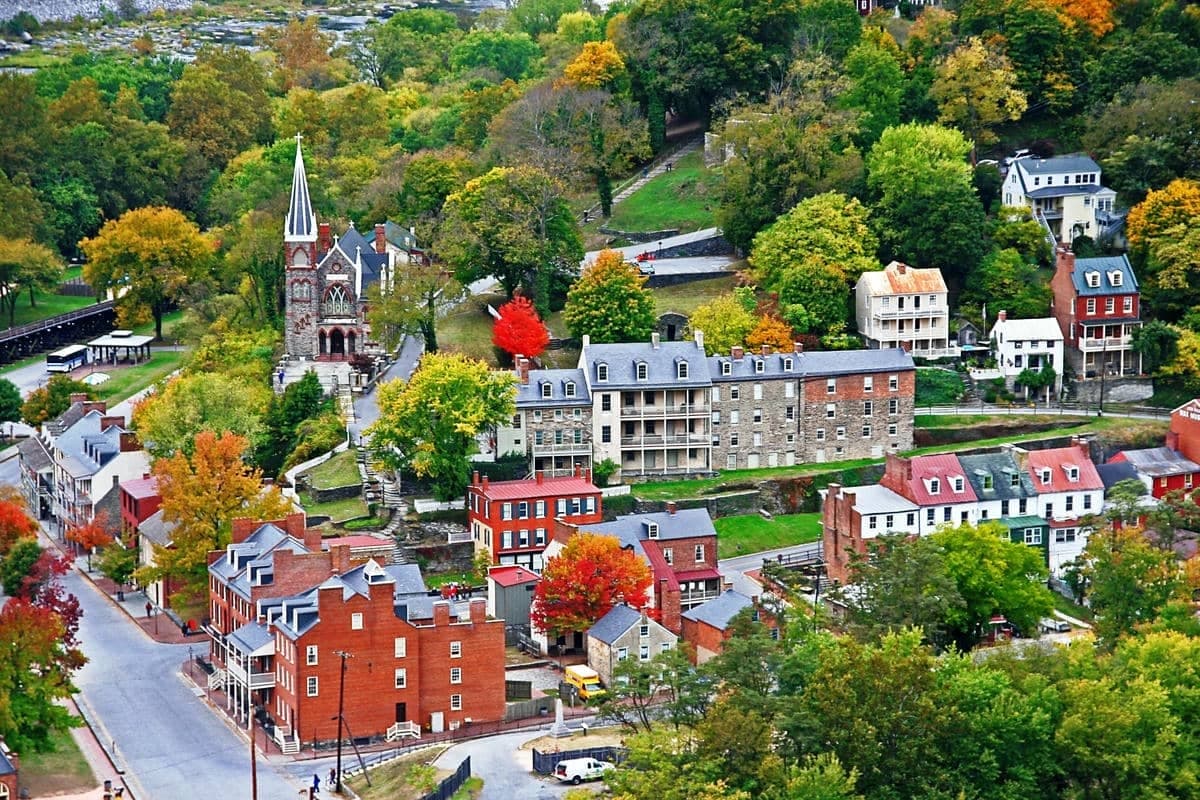
 Popular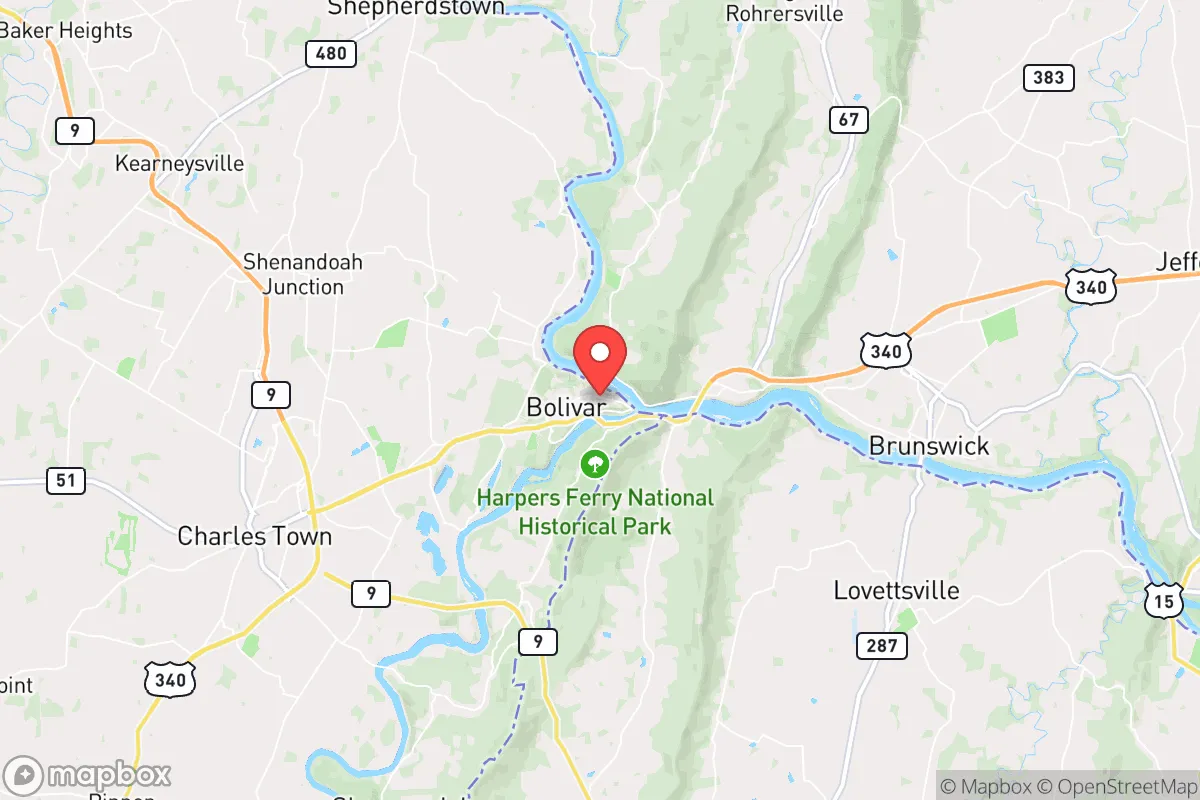
Quality of Life in Harpers Ferry, WV
A high quality of life with strong walkability, manageable living costs, healthy neighborhood signals, and solid amenity access.
What does Quality of Life tell us?
Quality of Life blends cost of living, nearby amenities, socioeconomic signals, and neighborhood character. City-level scores represent the whole municipality; individual neighborhoods can differ.
What does this tell us?
Quality of Life blends cost of living, nearby amenities, socioeconomic signals, and neighborhood character. City-level scores represent the whole municipality; individual neighborhoods can differ.
Cost of Living
The Real Cost of Living in Harpers Ferry, WV for 2026
| Tier | Individual | Family (4) |
|---|---|---|
| Survival | $29k | $54k |
| Comfortable | $84k | $123k |
| Luxury | $136k+ | $210k+ |
| Elite (Top 5%) | $160k+ | $247k+ |
91%
The Area Signal
A metric tracking the socioeconomic signals of the area.
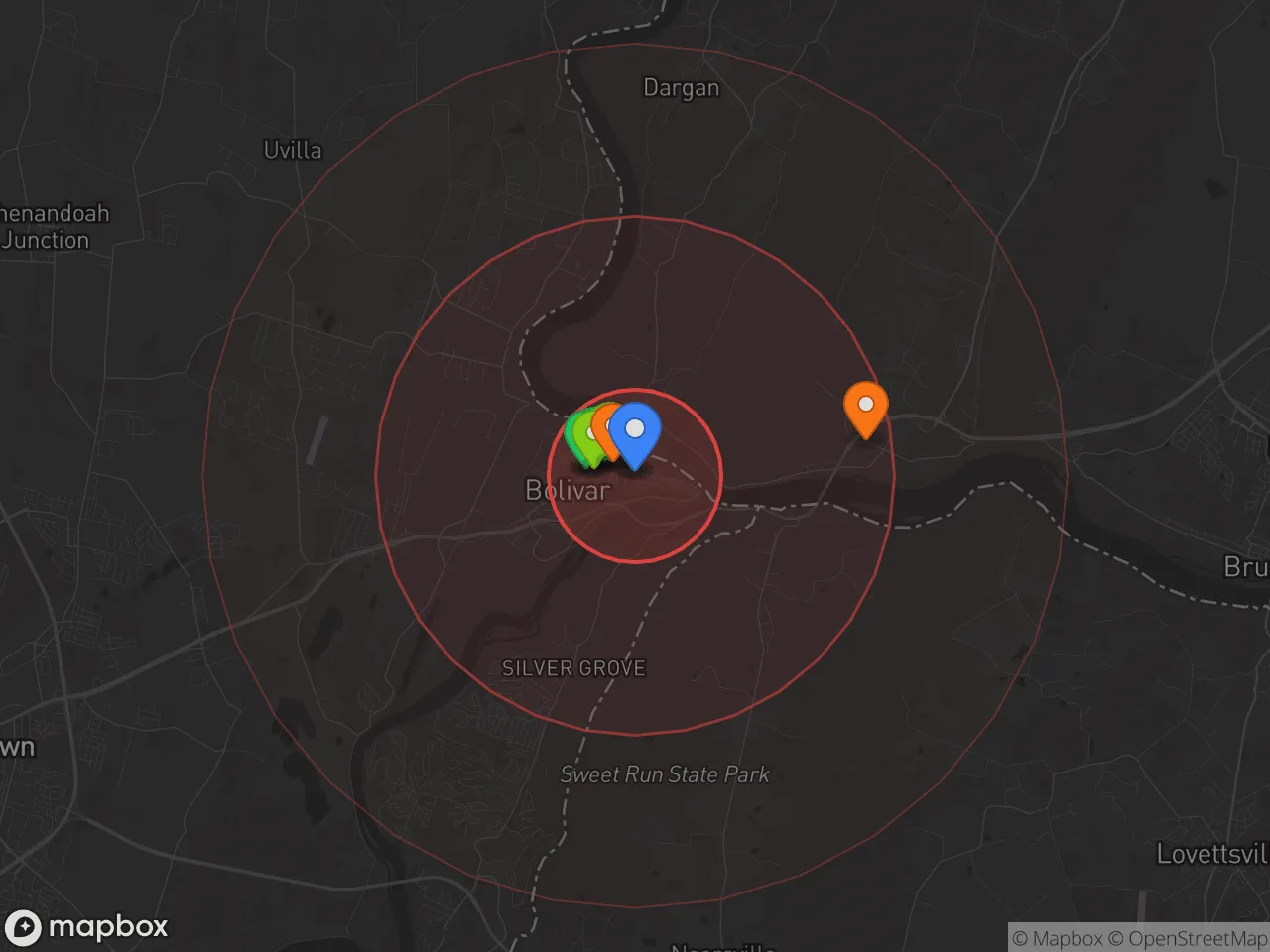
Hobbies
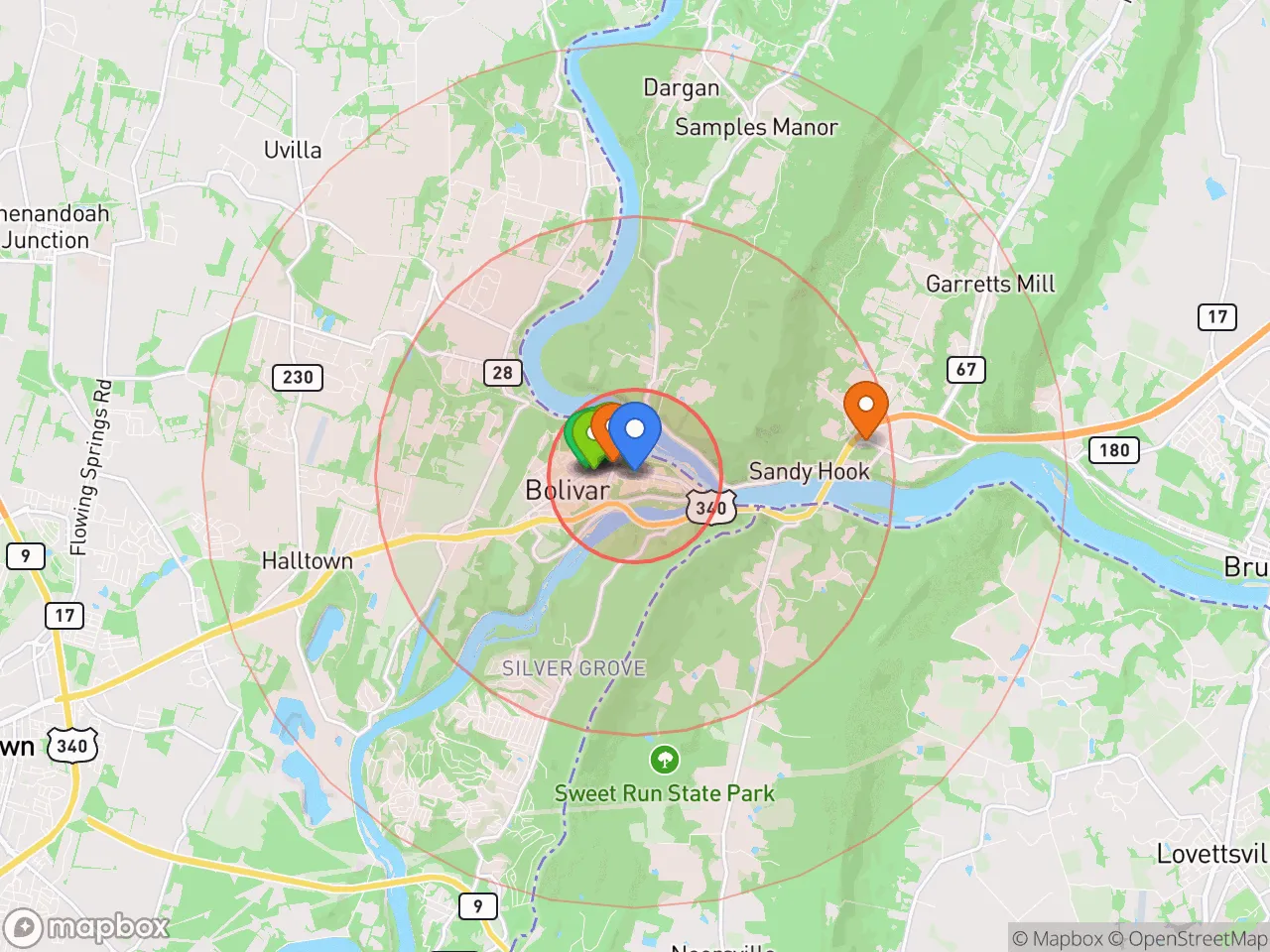
Explore the areaGroceries
3 within 10 miles
Gas
20 within 10 miles
Hospital
7 within 20 miles
Airport
IAD — Washington Dulles International
Post Office
USPS — Harpers Ferry, WV
Critical Amenities
Quality-of-Life Analysis
Harpers Ferry, West Virginia, is a historically rich and affluent town where the cost of living index of 155 sits well above the national average of 100, reflecting a premium for its scenic location at the confluence of the Potomac and Shenandoah rivers. The population skews toward professionals, retirees, and second-home owners who prioritize natural beauty, outdoor recreation, and a slower pace over urban convenience. Median household incomes in the area are notably higher than the West Virginia state average, supporting a community that values preservation and quality of life over rapid growth.
Cost of living, housing affordability, and how it compares to nearby areas
Harpers Ferry’s cost of living is driven primarily by housing. The median home value sits at $430,800, more than double the West Virginia median of roughly $170,000 and significantly higher than neighboring Charles Town (around $350,000) or Martinsburg (around $280,000). Median rent is $1,813, which is steep for the region and reflects limited rental inventory in a town where historic zoning restricts new development. For context, renters in nearby Frederick, Maryland, pay a similar median, but Maryland’s higher income taxes offset that parity. The average commute of 26.6 minutes is manageable, though many residents commute east into Maryland or Virginia for work, where housing is even more expensive. Utility costs and groceries are slightly above national averages, but property taxes in Jefferson County remain low compared to neighboring Loudoun County, Virginia, offering some relief for homeowners.
Local amenities, schools, and what daily life is really like
Daily life in Harpers Ferry revolves around its historic district, the Appalachian Trail, and the Harpers Ferry National Historical Park, which draws over 500,000 visitors annually. The town has a small but functional grocery store, a handful of locally owned restaurants, and boutique shops, but most residents drive 10–15 minutes to Charles Town or Ranson for big-box retail, medical services, and entertainment. Jefferson County Schools serve the area, with Harpers Ferry’s elementary school rated above average by the West Virginia Department of Education; high school students attend Jefferson High School in nearby Shenandoah Junction. The town lacks a hospital, but Jefferson Medical Center in Ranson is 12 minutes away. The rhythm is quiet and seasonal: summer and fall bring heavy tourist traffic, while winter is slow. Residents trade 24-hour convenience for immediate access to hiking, biking, kayaking, and Civil War history.
This combination of high housing costs, low property taxes, and deep access to nature makes Harpers Ferry best suited for remote workers, retirees, and families who can afford the premium and value walkable historic streets over suburban sprawl. It is less ideal for young renters on a budget or anyone needing frequent urban amenities, as the trade-off for beauty and tranquility is a longer drive for most errands and employment. Those who thrive here are typically self-sufficient, outdoors-oriented, and willing to pay a premium for one of the most picturesque small towns in the Mid-Atlantic.

Crime in Harpers Ferry, WV
Generally safer than 68% of comparable U.S. locations.
Violent CrimeViolent Crime Analysis
Property CrimeProperty Crime Analysis
Crime Analysis
Harpers Ferry, West Virginia, presents a mixed safety profile for potential residents. The town’s violent crime rate of 229.7 incidents per 100,000 people sits below the national average, but its property crime rate of 944.7 per 100,000 exceeds the national benchmark, indicating that theft and burglary are more pressing concerns than violent offenses. As a small historic town near the Washington, D.C. metro area, Harpers Ferry benefits from a relatively low population density, but its proximity to a large, progressive-leaning metropolitan region introduces risks associated with regional crime spillover and lenient justice policies.
Crime in context
When compared to West Virginia’s statewide violent crime rate of roughly 320 per 100,000, Harpers Ferry’s 229.7 figure is notably lower, reflecting a safer environment than many other parts of the state. However, the property crime rate of 944.7 per 100,000 is significantly higher than the national average of approximately 1,950 per 100,000, meaning residents face a moderate risk of theft, vehicle break-ins, and burglary. The town’s location within Jefferson County, which is part of the Washington-Arlington-Alexandria metro area, means it is influenced by crime patterns from a large urban center. Progressive district attorneys and judges in nearby jurisdictions, particularly in Maryland and the District of Columbia, have adopted policies that prioritize diversion and reduced sentencing, which can lead to repeat offenders cycling back into surrounding communities like Harpers Ferry. This regional dynamic is a key factor for anyone evaluating long-term safety.
What residents experience
Daily life in Harpers Ferry is generally quiet, with most violent crime being rare and often related to domestic disputes or isolated incidents rather than random attacks. Residents are more likely to encounter property crime, including theft from vehicles parked at trailheads or in downtown lots, especially during peak tourist seasons. The town’s small size—fewer than 300 year-round residents—means that most people know their neighbors, which acts as a natural deterrent. However, the influx of visitors to the Harpers Ferry National Historical Park and the Appalachian Trail creates transient opportunities for theft. Local law enforcement in Jefferson County is proactive, but the broader metro area’s progressive criminal justice reforms have been criticized for reducing accountability, potentially emboldening property criminals who know they face minimal consequences if caught. This is a legitimate concern for families and retirees considering relocation.
Neighborhood-level variation is limited due to the town’s compact geography, but areas closer to the historic district and the Potomac River see higher foot traffic and, consequently, more property crime. Residential streets farther from the tourist core, such as those on the higher bluffs, report fewer incidents. Prospective residents should prioritize homes with off-street parking and secure storage, as vehicle break-ins are the most common crime. Overall, Harpers Ferry offers a safe living environment relative to violent crime, but the property crime rate and the influence of a progressive metro-area justice system warrant careful consideration and practical precautions.
* Values derived from national, state, county, city and local statistics and may differ in a specific area. Last updated: 2026-07-21T20:00:45.000Z
Narrative content on this page is AI-generated and may contain mistakes. Verify any details that matter before acting on them.
ReloMaps may earn a commission from affiliate links at no extra cost to you.

