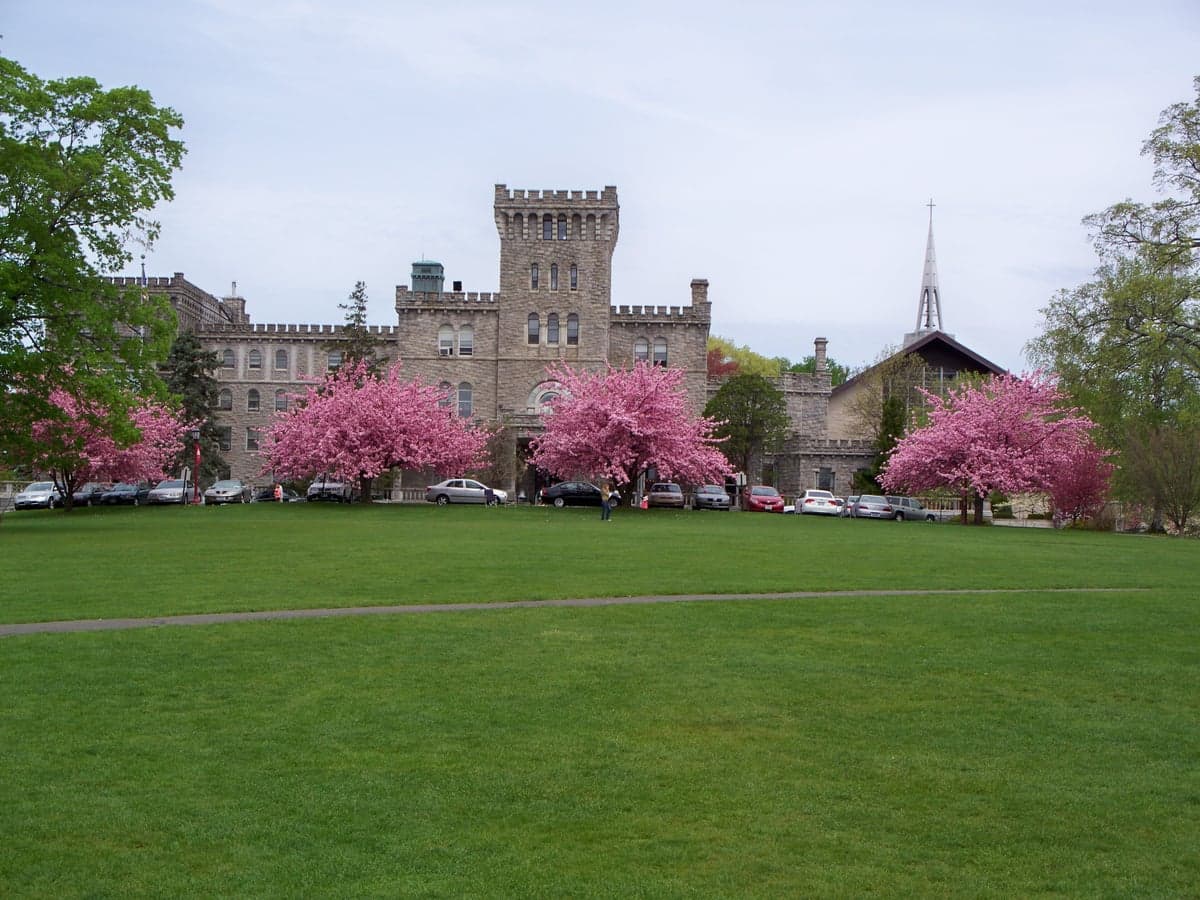
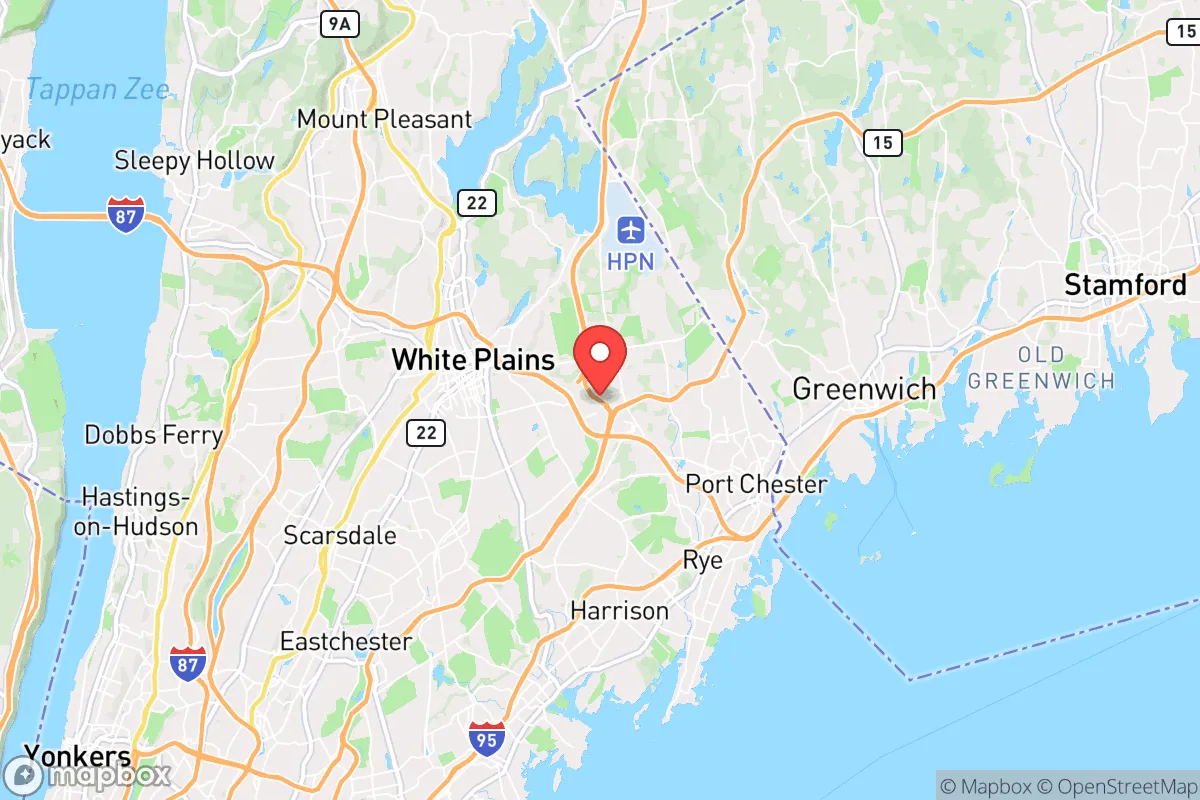
Photo: Wikipedia
Demographics of Harrison, NY
Affluence Level in Harrison, NY
A wealthy area with high-earning, well-educated households. Incomes, home values, and educational attainment meaningfully outpace national averages.
People of Harrison, NY
The people of Harrison, New York, today form a densely settled, highly educated community of 29,279 residents, characterized by a white majority (68.8%) alongside substantial Hispanic (17.2%) and East/Southeast Asian (5.7%) populations, with a smaller but notable Indian-subcontinent community (1.4%). The city’s identity is shaped by its blend of historic, walkable villages and newer suburban enclaves, a strong public school system, and a commuter-oriented population—over 60% of adults hold a college degree. Distinctive markers include a robust sense of local civic pride, a growing diversity in the downtown and eastern neighborhoods, and a demographic profile that is more affluent and educated than Westchester County as a whole.
How the city was settled and grew
Harrison’s original population was drawn by the area’s fertile farmland and its position along the Bronx River, with the first European settlers arriving in the late 17th century as part of the larger Manor of Scarsdale land grant. The village of Harrison itself was formally incorporated in 1855, but the real growth came with the arrival of the New York and Harlem Railroad in the 1840s, which turned the area into a commuter suburb for New York City. The historic Downtown Harrison district, centered around Halstead Avenue, was built by Irish and German immigrants who worked on the railroad and in local farms and quarries. By the early 20th century, Italian and Eastern European families settled in the West Harrison neighborhood, establishing small businesses and working in the growing service economy. The post-World War II boom brought a wave of middle-class white families—many of them Jewish and Catholic—into the Purchase area, which developed as a semi-rural enclave of larger homes and estates, while Silver Lake became a popular summer colony that later transitioned to year-round suburban housing.
Modern era (post-1965)
After the 1965 Hart-Cellar Act, Harrison began to see its first significant non-European immigration, though the change was gradual compared to neighboring cities. The Hispanic population—now 17.2%—grew steadily from the 1980s onward, concentrated in the Downtown Harrison and West Harrison neighborhoods, where many families found work in landscaping, construction, and local service industries. East/Southeast Asian communities (5.7%), primarily of Chinese and Korean ancestry, began arriving in the 1990s and 2000s, drawn by the highly ranked Harrison Central School District and the proximity to corporate campuses in Purchase and White Plains; they settled predominantly in the Purchase and Sterling Ridge areas. The Indian-subcontinent population (1.4%) is smaller but visible, with families often choosing the Purchase neighborhood for its larger homes and quiet streets. The Black population (4.4%) is relatively stable, with many families having deep roots in the area dating to earlier migrations from the South. Overall, the city’s foreign-born share (12.1%) is below the Westchester County average, reflecting a community that has grown more through domestic in-migration than international arrivals.
The future
Harrison’s population is trending toward greater diversity, but the pace is moderate and the pattern is one of distinct enclaves rather than wholesale integration. The Hispanic share is likely to continue growing, especially in the Downtown Harrison and West Harrison neighborhoods, as younger families are attracted by relatively more affordable housing and the city’s strong schools. East/Southeast Asian and Indian-subcontinent populations are expected to increase slowly, drawn by the same educational and professional opportunities, but they are unlikely to reach the proportions seen in nearby Scarsdale or Edgemont. The white, non-Hispanic majority is aging and shrinking slightly, as younger white families are priced out or choose other suburbs. The city is not homogenizing—rather, it is tribalizing into distinct residential zones: the historic downtown remains the most diverse, Purchase and Sterling Ridge are becoming more Asian and Indian, and the older single-family neighborhoods west of the Hutchinson River Parkway remain predominantly white. For a conservative-leaning individual or family moving in now, Harrison offers a stable, high-amenity environment with a clear social structure, strong schools, and a population that values privacy and local governance over rapid change.
Harrison is becoming a more layered, multi-ethnic suburb where each group occupies a distinct geographic and social niche, rather than a melting pot. For a new resident, this means predictable neighborhood character, excellent schools, and a community that values order and tradition—but also one where newcomers will find clear, established social networks rather than a blank slate.

* Values derived from national, state, county, city and local statistics and may differ in a specific area. Last updated: 2026-05-01T01:45:41.000Z
Narrative content on this page is AI-generated and may contain mistakes. Verify any details that matter before acting on them.
ReloMaps may earn a commission from affiliate links at no extra cost to you.

