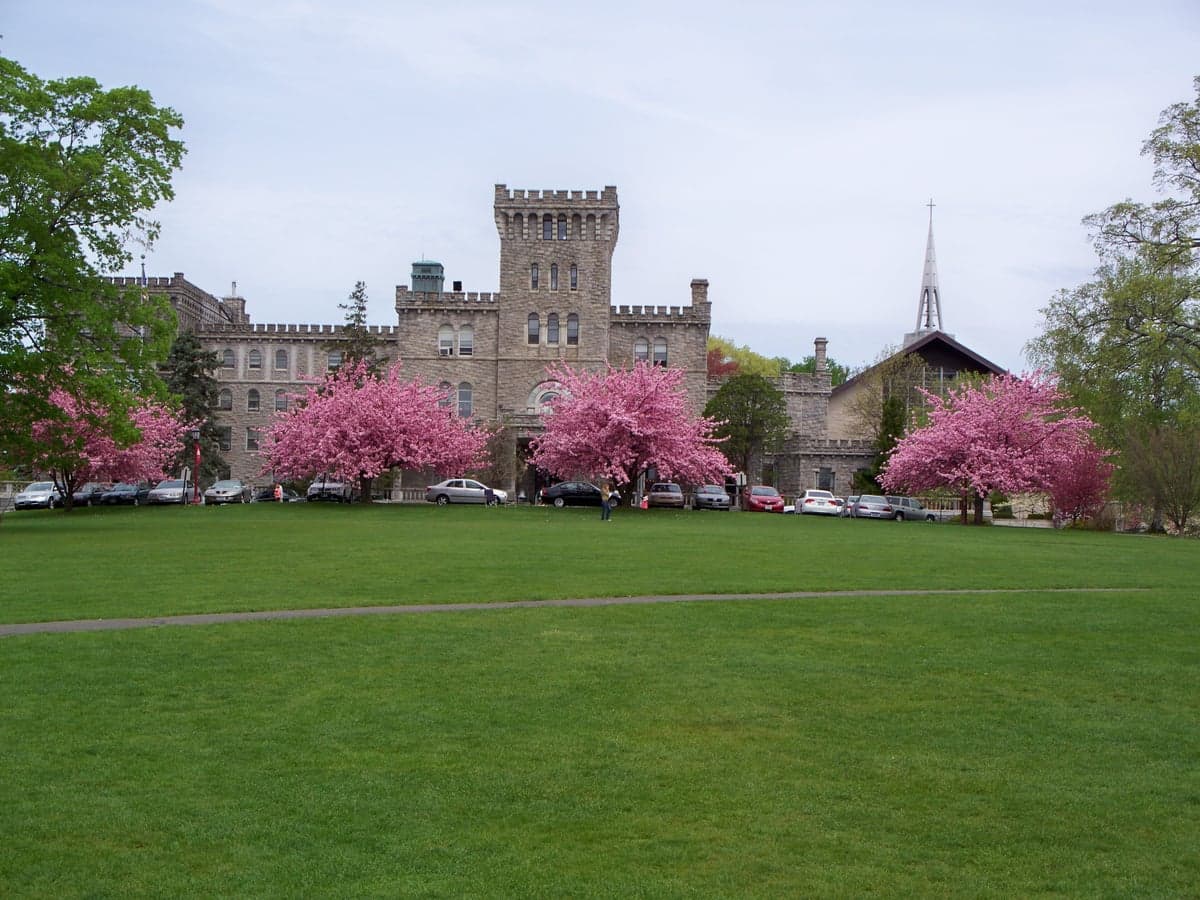
Photo: Wikipedia
Quality of Life in Harrison, NY
A high quality of life with strong walkability, manageable living costs, healthy neighborhood signals, and solid amenity access.
What does Quality of Life tell us?
Quality of Life blends cost of living, nearby amenities, socioeconomic signals, and neighborhood character. City-level scores represent the whole municipality; individual neighborhoods can differ.
What does this tell us?
Quality of Life blends cost of living, nearby amenities, socioeconomic signals, and neighborhood character. City-level scores represent the whole municipality; individual neighborhoods can differ.
Cost of Living
176% above national average
The Real Cost of Living in Harrison, NY for 2026
| Tier | Individual | Family (4) |
|---|---|---|
| Survival | $41k | $78k |
| Comfortable | $195k | $286k |
| Luxury | $277k+ | $429k+ |
| Elite (Top 5%) | $479k+ | $743k+ |
54%
The Area Signal
A metric tracking the socioeconomic signals of the area.
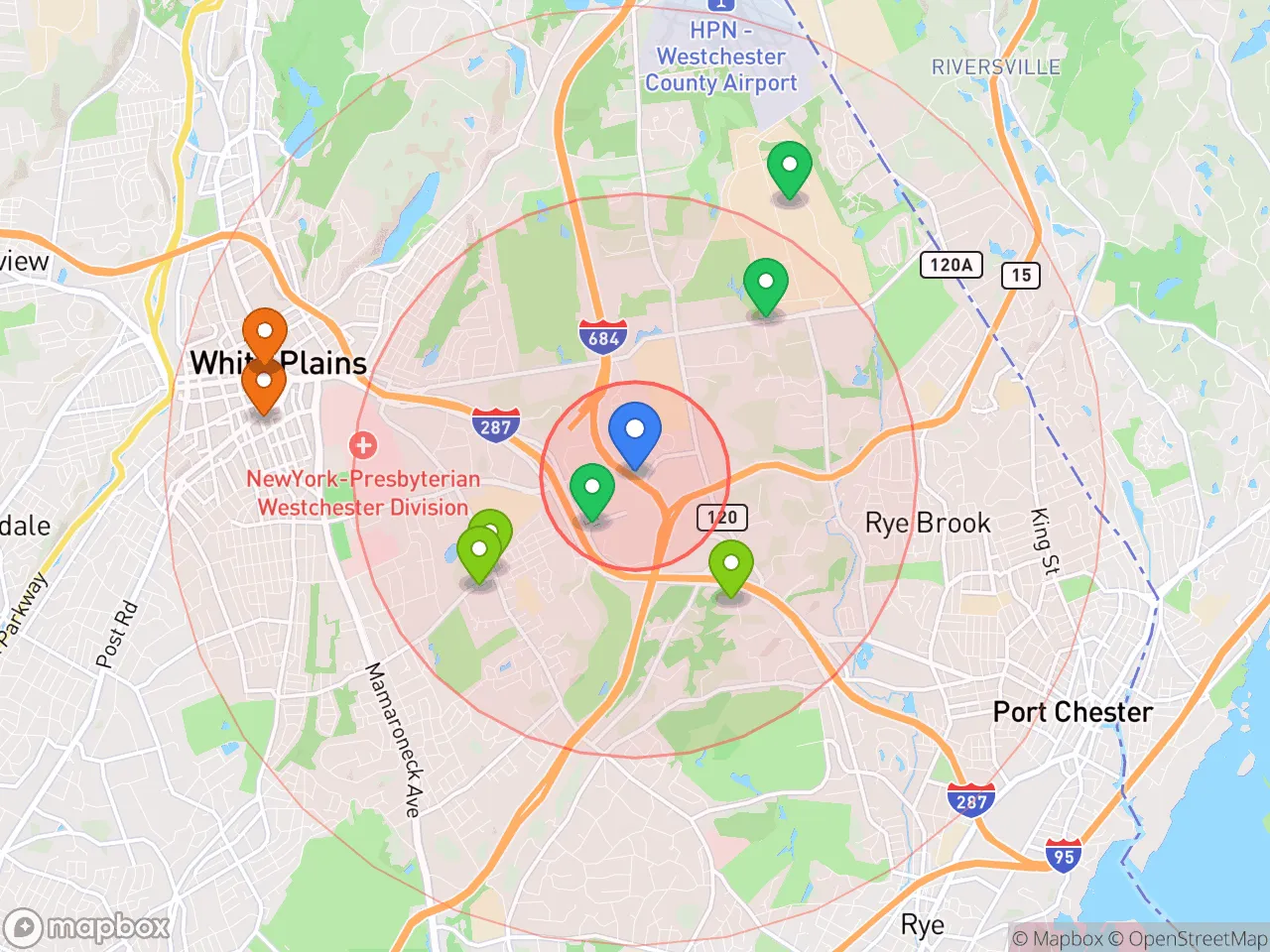
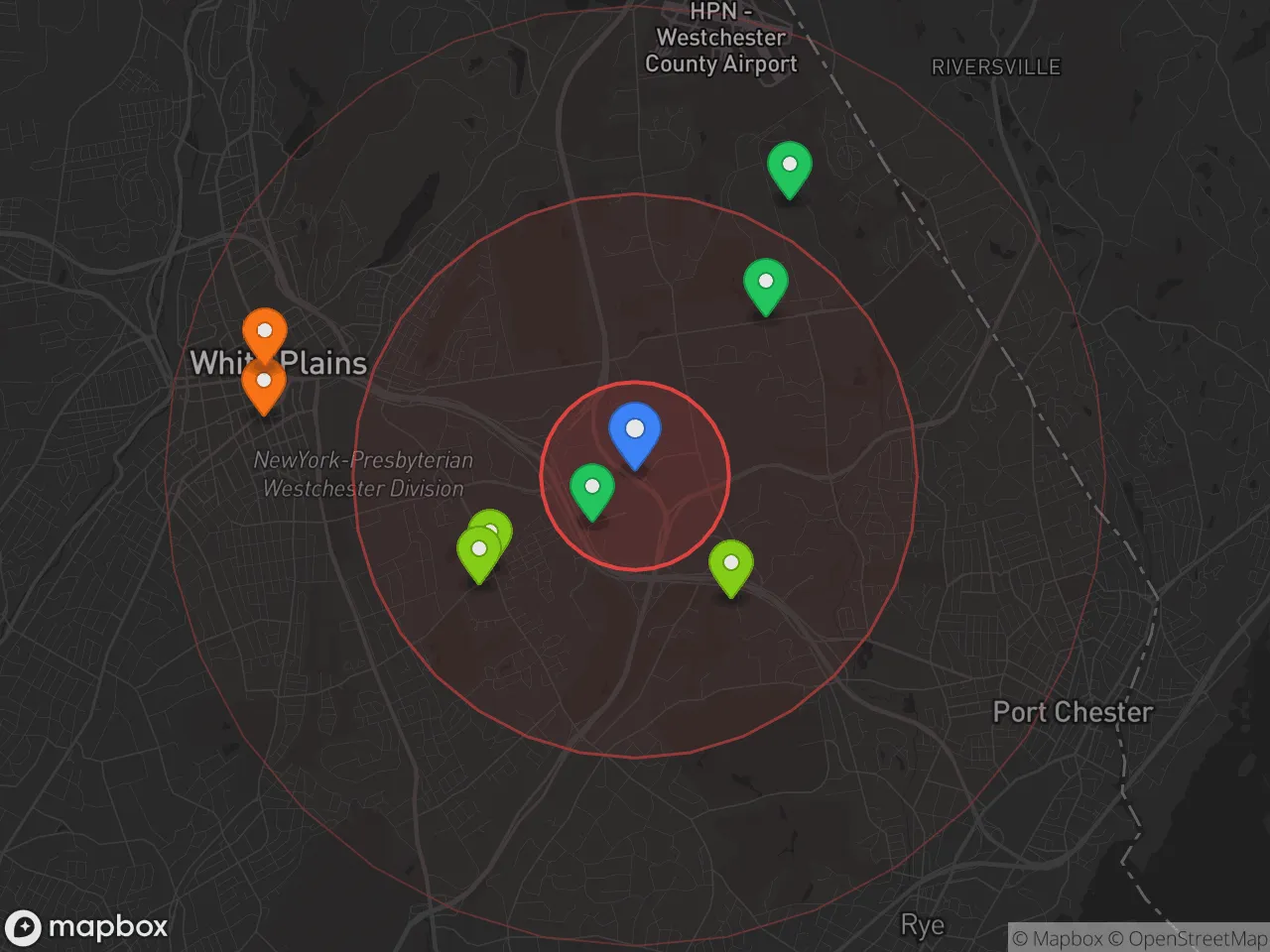
Hobbies
Explore the areaGroceries
8 within 10 miles
Gas
20 within 10 miles
Hospital
20 within 20 miles
Airport
JFK — John F. Kennedy International
Post Office
USPS — Harrison, NY
Critical Amenities
Quality-of-Life Analysis
Harrison, New York, is a wealthy suburban enclave in Westchester County defined by its exceptionally high cost of living and a population that is predominantly affluent, well-educated, and family-oriented. With a cost of living index of 276—nearly three times the national average—the village attracts professionals, executives, and entrepreneurs who commute to Manhattan or work in nearby corporate hubs like White Plains and Stamford. The community’s character is shaped by its stately homes, top-tier public schools, and a quiet, tree-lined atmosphere that prioritizes privacy and quality of life over urban convenience.
Cost of living, housing affordability, and how it compares to nearby areas
Harrison’s cost of living index of 276 is among the highest in Westchester County, driven almost entirely by housing. The median home value sits at $1,001,900, placing it well above the county median of roughly $750,000 and far exceeding the national median of about $350,000. For renters, the median rent of $2,585 per month is similarly steep, though it undercuts Manhattan’s median rent of roughly $4,200. Compared to neighboring towns like Rye ($1.3 million median home value) or Scarsdale ($1.5 million), Harrison offers slightly more attainable pricing for entry-level luxury homes. However, affordability remains a barrier: a household would need an annual income of roughly $300,000 to comfortably afford the median-priced home, based on standard 28% front-end ratios. Property taxes in Harrison are also high—typical annual bills range from $15,000 to $25,000—further narrowing the pool of buyers who can sustain homeownership here. The average commute of 29 minutes is shorter than many Westchester suburbs (e.g., 45 minutes from Bedford), thanks to Harrison’s Metro-North station on the New Haven Line, which offers express trains to Grand Central in about 35 minutes.
What daily life is like for families: schools, amenities, and local rhythm
Daily life in Harrison revolves around its highly rated public school system, Harrison Central School District, which consistently ranks among the top 10% in New York State for academic performance, with a 95% graduation rate and strong Advanced Placement participation. The village’s compact downtown along Halstead Avenue offers a walkable mix of independent restaurants, a farmers market, and boutique shops, while larger retail and dining options are a 10-minute drive away in White Plains or the Westchester Mall. Outdoor amenities include the 100-acre Harrison Meadows Country Club (public golf and tennis), the 40-acre Silver Lake Preserve for hiking, and multiple town parks with sports fields. The community’s rhythm is quiet and residential: weekdays are dominated by school drop-offs and commutes, weekends by youth sports leagues, farmers market visits, and social gatherings at local eateries like The Harrison or Via Forno. The village also hosts annual events such as the Harrison Summer Concert Series and the Harrison Holiday Tree Lighting, which reinforce a tight-knit, family-first atmosphere.
Harrison is best suited for affluent families and professionals who prioritize exceptional public schools, a short commute to Manhattan, and a serene, low-crime environment over urban energy or nightlife. Empty-nesters and retirees also find the village appealing for its walkable downtown, access to golf and nature, and proximity to medical centers like White Plains Hospital. Singles and young renters may find the social scene limited and the cost prohibitive, but for those who can afford it, Harrison delivers a high-quality, stable suburban lifestyle with strong community ties and top-tier amenities.

Crime in Harrison, NY
Generally safer than 56% of comparable U.S. locations.
Violent CrimeViolent Crime Analysis
Property CrimeProperty Crime Analysis
Crime Analysis
Harrison, New York, presents a mixed safety profile for prospective residents. While the village is generally considered a safe, affluent suburb of New York City, its reported crime rates are notably higher than the national average for similar communities. Specifically, Harrison’s violent crime rate stands at 331.5 incidents per 100,000 residents, and its property crime rate is 1,323.4 per 100,000, figures that warrant careful consideration, particularly for those relocating from lower-crime areas.
Crime in context
When compared to state and national benchmarks, Harrison’s crime statistics are a point of concern. The village’s violent crime rate is significantly higher than the national average of roughly 380 per 100,000, but it is the property crime rate that stands out, exceeding the national average of approximately 1,954 per 100,000. However, these numbers must be understood within the context of Westchester County and the broader New York metropolitan area. Harrison is part of a region where many jurisdictions, including nearby cities like Mount Vernon and New Rochelle, report higher crime rates. A key factor for readers to consider is the prevailing progressive ideology within the local and county justice system. Westchester County, like much of the New York metro area, has elected district attorneys and judges who often prioritize rehabilitation and diversion programs over incarceration. While intended to reduce recidivism, this approach can result in more offenders remaining on the street, potentially increasing the risk to public safety and diminishing justice for victims. This systemic leniency is a direct contributor to the elevated crime figures seen in Harrison and its surrounding communities.
What residents experience
Despite the statistical concerns, daily life in Harrison for most residents does not feel dangerous. The village is characterized by well-maintained neighborhoods, active community policing, and a strong sense of local oversight. The vast majority of reported crime is property-related, including theft from vehicles, burglary, and larceny. Violent incidents, while present, are less common and often concentrated in specific areas or tied to domestic disputes. Residents typically feel safe walking their dogs, patronizing local businesses, and sending their children to school. However, the property crime rate is a persistent annoyance, with unlocked cars and packages left on porches being common targets. The presence of a progressive prosecutorial philosophy in the county means that even when perpetrators are caught, they may face minimal consequences, which can be frustrating for victims and contribute to a sense of impunity among repeat offenders.
Neighborhood-level variation
Safety in Harrison is not uniform. The village is divided into distinct neighborhoods, with the area around the Harrison Metro-North station and the downtown commercial corridor experiencing higher rates of property crime, particularly theft and vandalism. In contrast, the more secluded, upper-income residential areas—such as those near the Harrison Meadows Country Club and the Sterling Ridge section—report far fewer incidents. The Purchase College campus, while technically within Harrison’s borders, maintains its own security and has a different crime profile. Prospective residents should research block-level crime data and consider that living in a quieter, less accessible part of the village can significantly reduce exposure to the property crime that drives the overall statistics. The influence of the county’s progressive justice policies is felt across all neighborhoods, however, meaning that the systemic risk of lenient sentencing applies village-wide.
* Values derived from national, state, county, city and local statistics and may differ in a specific area. Last updated: 2026-05-01T01:45:41.000Z
Narrative content on this page is AI-generated and may contain mistakes. Verify any details that matter before acting on them.
ReloMaps may earn a commission from affiliate links at no extra cost to you.

