Photo: Wikipedia
Find The Best Places To Live
in White Plains
PRO TIP! You can paste a Zillow or Redfin link to get info on that property.
What It's Like Living in White Plains, NY
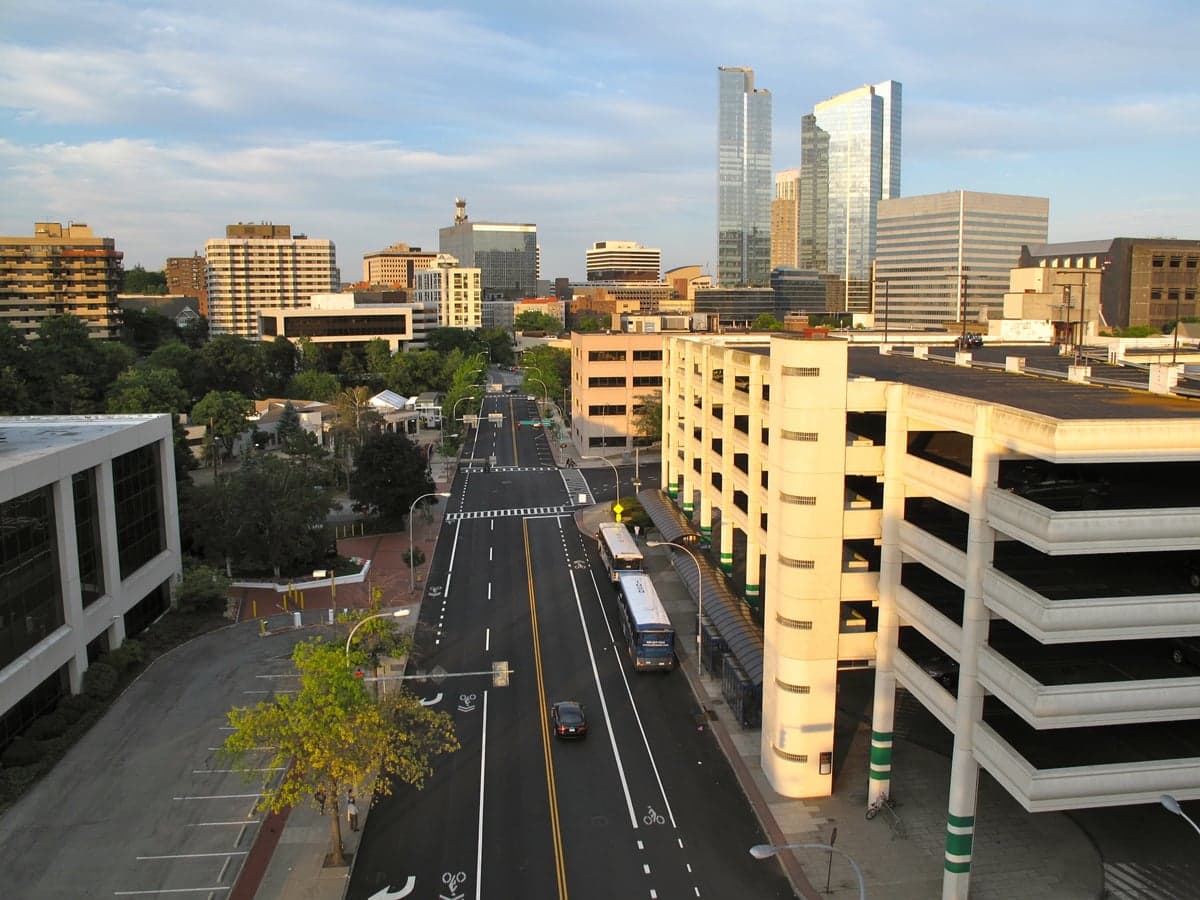
Living in White Plains feels less like a typical suburb and more like a small city that happens to have great train access to Manhattan. You get the density and energy of a downtown with office towers, a performing arts center, and a surprisingly lively restaurant scene, but you’re also just a short drive from the kind of leafy, quiet neighborhoods that define Westchester. It’s a place where you can walk to a craft brewery after work and still have a backyard for a grill, which explains why the median age here is 41.5 — it attracts people who want urban amenities without giving up the space and school system that come with suburban life.
The Daily Rhythm: Walkable Downtown, Car-Everywhere Else
Most days in White Plains revolve around the downtown core, which is denser and more built-up than almost any other city in Westchester. People grab coffee at Mimi’s Coffee House on Mamaroneck Avenue, hit the White Plains Farmers Market on Saturdays from May through November, and do their grocery shopping at the Whole Foods or Trader Joe’s that anchor the retail scene. The Galleria and Westchester mall draw shoppers from all over the county, but locals know that the real action is at the independent restaurants and bars tucked along the side streets — places like Forty North for pizza and beer, or Eataly for a more polished Italian meal. The average commute clocks in at just under 28 minutes, which is manageable by regional standards, but that number hides a lot of stop-and-go traffic on the Cross Westchester Expressway (I-287) during rush hour. If you work in Manhattan, the Metro-North express train gets you to Grand Central in about 35 minutes, and many residents treat that commute as a trade-off for having a real downtown to come home to.
Who Fits In: Professionals, Families, and Empty-Nesters
With a median household income of $115,586 and over half the population holding a college degree, White Plains skews toward white-collar professionals and dual-income families. You’ll find a lot of lawyers, finance people, and healthcare administrators who work in the city or at nearby corporate campuses like IBM in Armonk or PepsiCo in Purchase. The White Plains Hospital is a major employer and a source of stability for the local economy. Single professionals tend to rent in the newer luxury apartment buildings near the train station, while families and empty-nesters buy into neighborhoods like Rosedale or Battle Hill, where the median home value sits at $624,100 — steep, but still cheaper than comparable homes in Scarsdale or Greenwich. The cost of living index of 200 (double the national average) is a real shock for newcomers, especially on things like utilities and dining out, but most residents accept it as the price of proximity to New York City and a school system that consistently ranks among the best in the state.
Sports, Entertainment, and the Weekend Vibe
White Plains doesn’t have a major pro sports team of its own, but that doesn’t mean sports culture is absent. High school football games at White Plains High School draw solid crowds on Friday nights, and the local youth soccer and lacrosse leagues are a big part of family life. For pro sports, residents are split between Yankees and Mets fans, with a healthy contingent of Knicks and Rangers supporters who make the short trip to the city. The Westchester Knicks (the NBA G League affiliate) play at the Westchester County Center, which is a low-key, affordable option for basketball fans. On the entertainment side, the White Plains Performing Arts Center hosts touring Broadway shows and concerts, and the ArtsWestchester gallery on Mamaroneck Avenue keeps the cultural calendar full. The biggest annual event is the White Plains Jazz Festival in September, which turns downtown into a block party with free outdoor performances. For outdoor recreation, Silver Lake Preserve offers hiking trails and a small beach, while Kensico Dam Plaza in nearby Valhalla is a favorite for picnics and the annual Westchester County Fair. The weather follows a classic four-season rhythm: hot, humid summers; crisp, colorful autumns; cold, snowy winters; and a brief but beautiful spring.
Pros and Cons of Living Here
- Pro: Walkable downtown with real urban energy. You can live in a condo and never need a car for errands, restaurants, or entertainment — rare for a suburb.
- Con: Traffic and parking are a daily headache. The downtown gridlock during rush hour and the scarcity of free parking frustrate even longtime residents.
- Pro: Excellent public schools. The White Plains school district is a major draw for families, with strong academics and a diverse student body.
- Con: High cost of living. The index of 200 means everything from rent to a sandwich costs roughly double the national average.
- Pro: Direct train to Manhattan. The express Metro-North service makes it feasible to work in the city while living in a proper community.
- Con: Violent crime rate of 331.5 per 100,000. This is higher than many surrounding suburbs, though most incidents are concentrated in specific areas and property crime is the bigger concern for most residents.
One cultural quirk you’ll notice: White Plains has a slightly formal, business-casual vibe compared to more laid-back Westchester towns. People dress up for dinner, and the local identity is tied to being the county seat — there’s a sense of civic pride that comes with hosting the courthouse, the county government, and the major hospital. It’s not a place for people who want a sleepy, rural retreat. But if you want a walkable, amenity-rich city with a strong school system and a train to Manhattan, it delivers exactly what it promises.

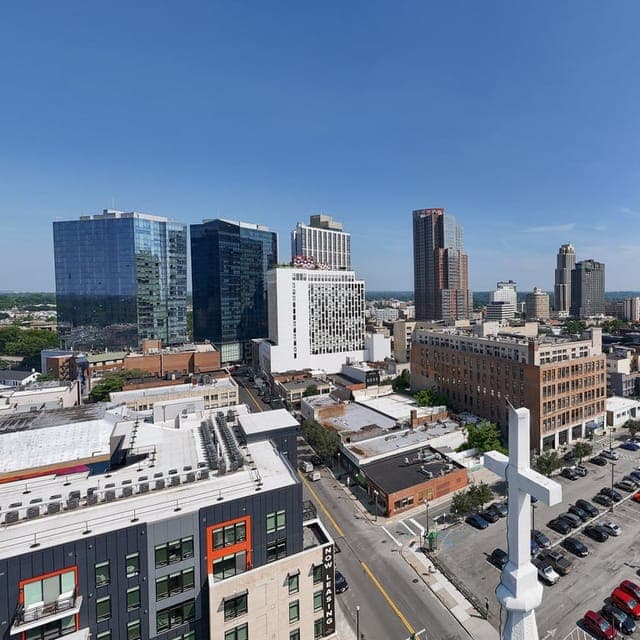
Similar small cities to White Plains
* Values derived from national, state, county, city and local statistics and may differ in a specific area. Last updated: 2026-05-01T23:54:06.000Z
Narrative content on this page is AI-generated and may contain mistakes. Verify any details that matter before acting on them.
ReloMaps may earn a commission from affiliate links at no extra cost to you.

