Photo: Wikipedia
Quality of Life in Hood River, OR
A high quality of life with strong walkability, manageable living costs, healthy neighborhood signals, and solid amenity access.
What does Quality of Life tell us?
Quality of Life blends cost of living, nearby amenities, socioeconomic signals, and neighborhood character. City-level scores represent the whole municipality; individual neighborhoods can differ.
What does this tell us?
Quality of Life blends cost of living, nearby amenities, socioeconomic signals, and neighborhood character. City-level scores represent the whole municipality; individual neighborhoods can differ.
Cost of Living
60% above national average
The Real Cost of Living in Hood River, OR for 2026
| Tier | Individual | Family (4) |
|---|---|---|
| Survival | $23k | $43k |
| Comfortable | $115k | $169k |
| Luxury | $141k+ | $218k+ |
| Elite (Top 5%) | $199k+ | $308k+ |
46%
The Area Signal
A metric tracking the socioeconomic signals of the area.
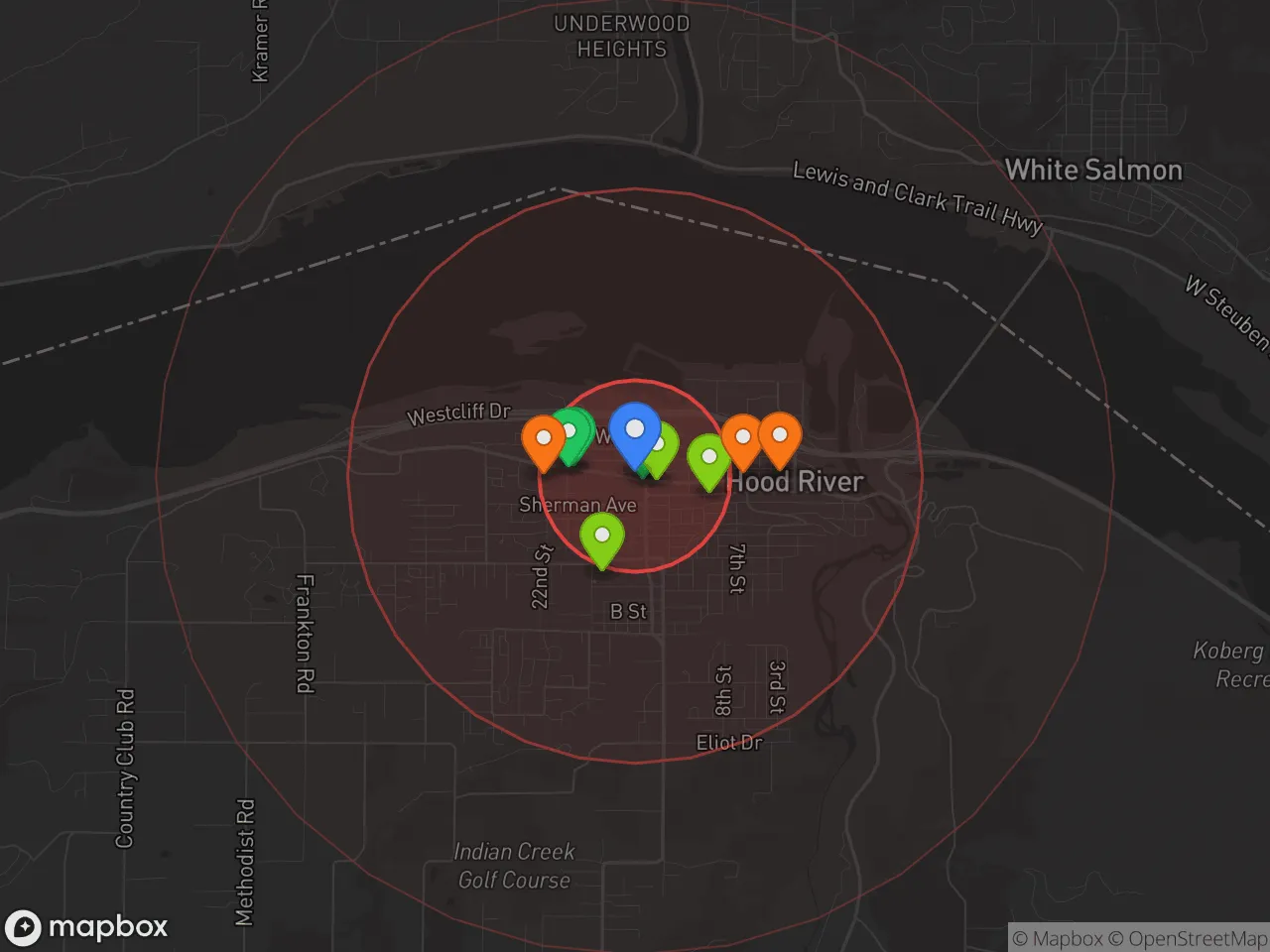
Hobbies
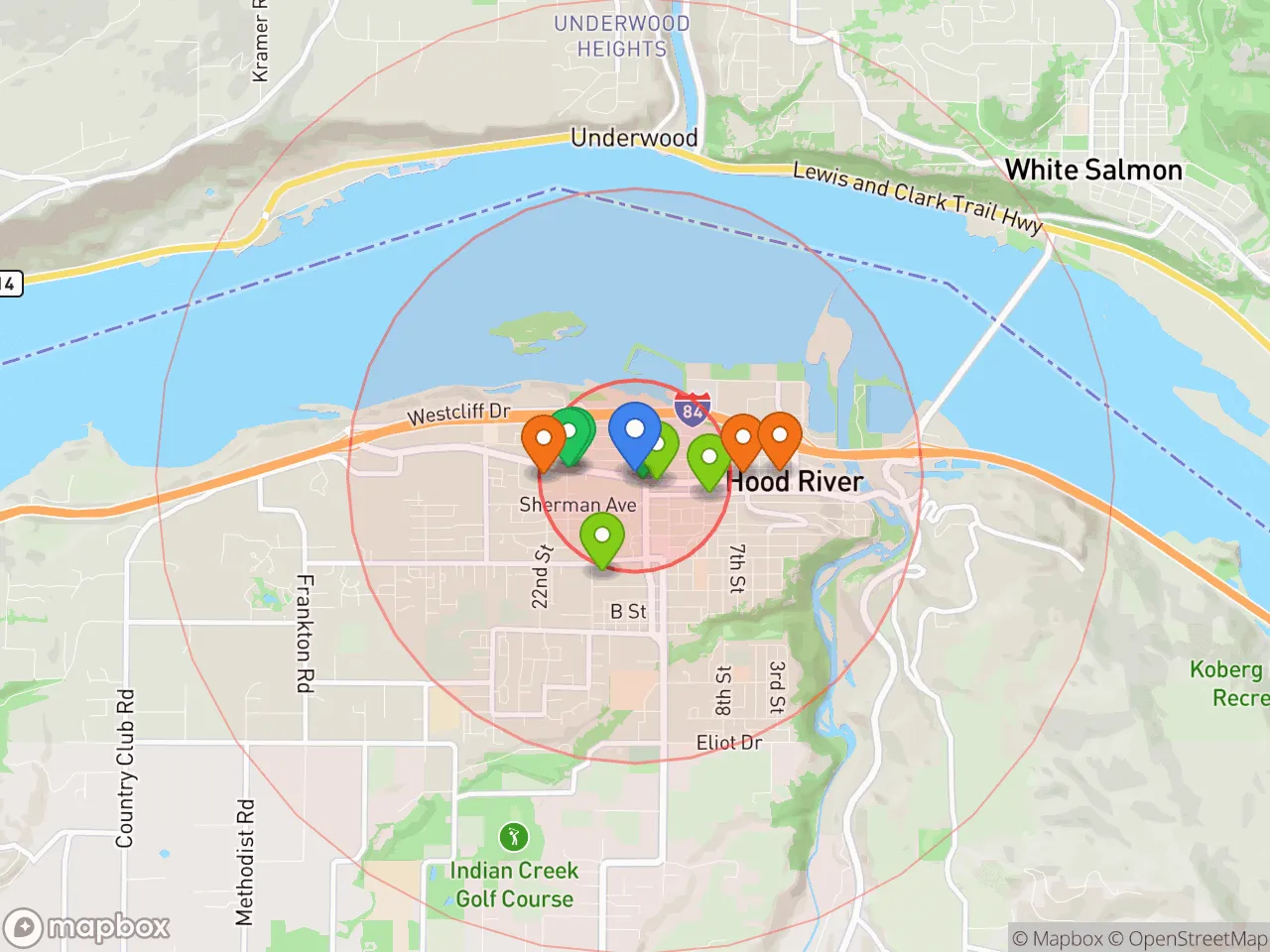
Explore the areaGroceries
1 within 10 miles
Gas
18 within 10 miles
Hospital
3 within 20 miles
Airport
PDX — Portland International
Post Office
USPS — Odell, OR
Critical Amenities
Quality-of-Life Analysis
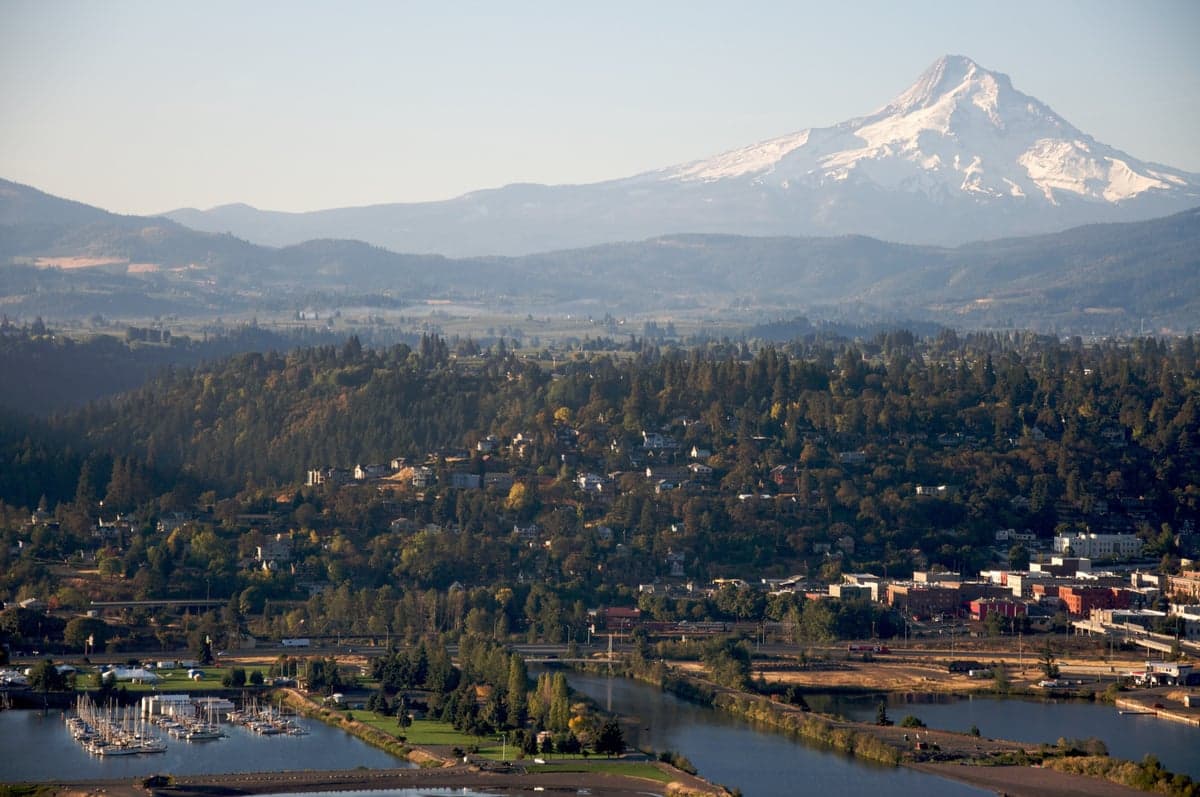
Hood River, Oregon, is a high-cost, high-amenity community where affluence is the norm and the population skews toward outdoor enthusiasts, remote professionals, and second-home owners drawn by the Columbia River Gorge. With a cost-of-living index of 160 — 60% above the U.S. average — the city sits firmly in the "expensive" tier of Pacific Northwest towns, comparable to Bend but still below Portland's priciest suburbs. The median household income of roughly $72,000 per year is stretched thin by housing costs, meaning many residents either earn well above the local average or have relocated from higher-wage markets like Seattle or the Bay Area.
How housing costs and affordability compare to nearby towns
Hood River's housing market is the primary driver of its elevated cost of living. The median home value sits at $602,800, more than double the national median and roughly 40% higher than in neighboring The Dalles, where comparable homes average around $380,000. Renters face a median monthly rent of $1,446, which is manageable for dual-income households but steep for service-industry workers — a key tension in a town where tourism and hospitality are major employers. The average commute of 23.2 minutes is slightly longer than the national average (26 minutes), reflecting the fact that many workers live in more affordable outlying areas like Odell or Mosier and drive into Hood River for jobs. For buyers, the market is competitive: homes often sell within two weeks, and cash offers from out-of-state buyers are common. Property taxes in Hood River County are moderate (around 0.85% of assessed value), but the overall monthly carrying cost for a median-priced home — including mortgage, insurance, and taxes — easily exceeds $3,500, putting homeownership out of reach for most renters.
What daily life is like for families and outdoor enthusiasts
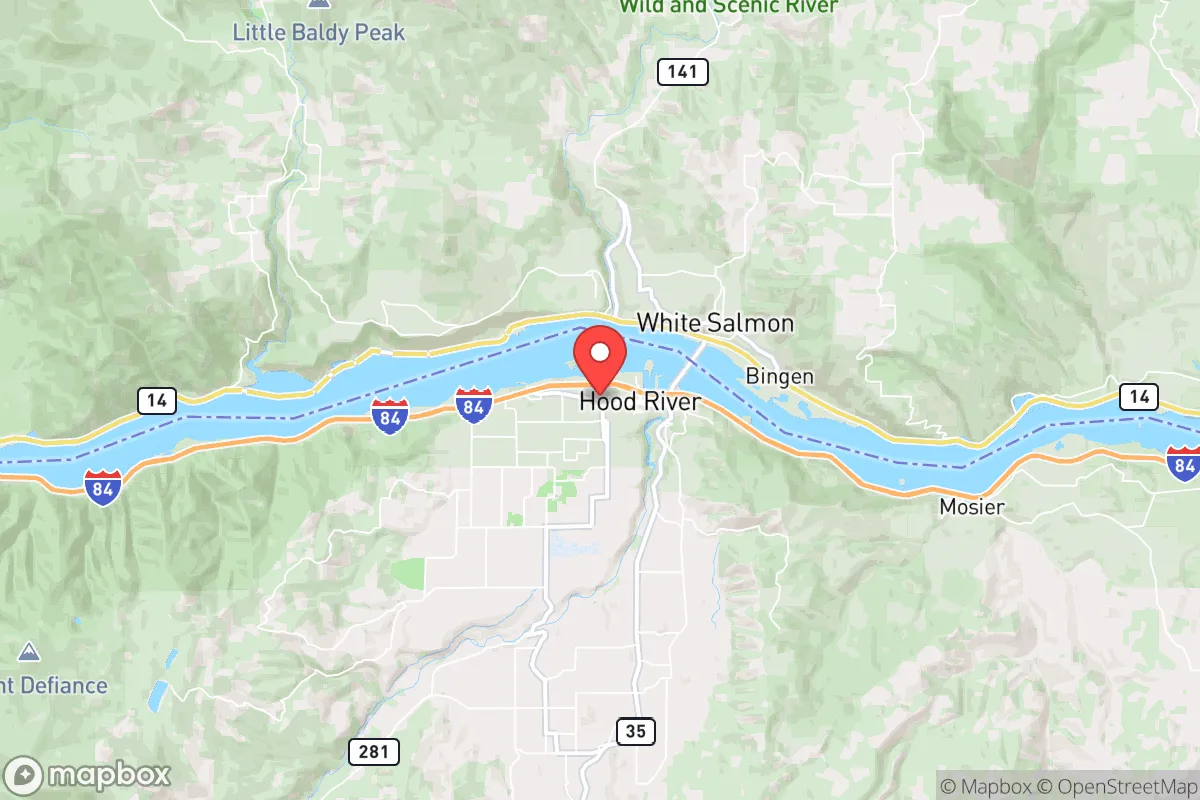
Daily life in Hood River revolves around the outdoors, local food, and a tight-knit community calendar. The Hood River County School District serves roughly 3,700 students and earns above-average ratings, with Hood River Valley High School offering International Baccalaureate and strong STEM programs. Amenities are concentrated along the waterfront and downtown: the Hood River Waterfront Park, the Columbia Gorge Discovery Center, and a walkable main street lined with breweries, coffee shops, and boutique groceries like the Hood River Farmers Market (year-round). For families, the rhythm is seasonal — windsurfing and kiteboarding in summer, skiing at Mount Hood Meadows (45 minutes away) in winter, and hiking in the Gorge year-round. The city's small size (population ~8,000) means most errands are a 10-minute drive, and the lack of big-box retail is offset by proximity to Portland (60 miles west) for major shopping. Healthcare is served by Providence Hood River Memorial Hospital, a 49-bed critical-access facility, though specialists often require a trip to Portland.
Hood River is best suited for people who prioritize outdoor recreation and community connection over low housing costs or urban convenience. Remote workers with coastal salaries, wind sports enthusiasts, and families who can afford the premium for a Gorge lifestyle will find the trade-offs worthwhile. Those on a tighter budget, or who need frequent access to big-city amenities, will likely find The Dalles or Portland's eastern suburbs a more practical fit. The city's affluence and desirability create a self-selecting population — one that values the Gorge's natural beauty and active culture enough to pay a steep premium for it.

Crime in Hood River, OR
Lower crime rates than 83% of comparable U.S. locations.
Violent CrimeViolent Crime Analysis
Property CrimeProperty Crime Analysis
Crime Analysis
Hood River, Oregon, presents a mixed safety profile that warrants careful consideration, particularly given its location within a larger progressive metro area. The city's violent crime rate stands at 306.9 incidents per 100,000 residents, while property crime is reported at 2,110.8 per 100,000. These figures place Hood River in a challenging position, especially when factoring in the broader regional justice system's ideological leanings, which can influence enforcement and recidivism outcomes.
Crime in context
Compared to national averages, Hood River's violent crime rate is notably higher than the U.S. median of roughly 230 per 100,000, while its property crime rate significantly exceeds the national median of approximately 1,950 per 100,000. When measured against Oregon's statewide violent crime rate of about 290 per 100,000, Hood River is slightly above the state average. The property crime rate, however, is markedly higher than Oregon's statewide figure of roughly 2,400 per 100,000, indicating a persistent issue with theft, burglary, and vehicle-related crimes. These statistics are concerning because they reflect not just raw numbers but the real-world consequences of a justice system that, in many parts of the Pacific Northwest, has adopted progressive policies that prioritize diversion and reduced incarceration over public safety. Such approaches, while well-intentioned, can lead to higher rates of repeat offending and a diminished deterrent effect, directly impacting residents' security.
What residents experience
For those living in Hood River, the elevated property crime rate translates into tangible risks. Vehicle break-ins, bicycle thefts, and package thefts are common complaints, particularly in areas near downtown and popular trailheads. The violent crime rate, while lower in absolute numbers, still means that residents face a non-trivial risk of assault, robbery, or other serious offenses. The city's status as a small but growing hub within the Portland metro area's sphere of influence means it is subject to the same regional trends in crime and justice policy. The presence of progressive district attorneys and judges in the broader region, who often emphasize rehabilitation over punishment, can result in shorter sentences and more plea deals for property and drug-related crimes. This directly contributes to a revolving-door effect where offenders are quickly back on the streets, undermining the sense of safety for law-abiding residents and victims.
Neighborhood-level variation in Hood River is notable. The downtown core and areas near the waterfront experience higher rates of property crime, particularly during tourist season. Residential neighborhoods on the Heights, such as those near Westcliff Drive, tend to have lower reported crime rates, though they are not immune to theft. The city's proximity to Interstate 84 also facilitates transient crime, with offenders moving quickly between communities. For prospective residents, understanding that Hood River's crime challenges are exacerbated by the broader regional justice philosophy is essential. The progressive approach, while sympathetic to offenders, often fails to prioritize the safety and rights of victims and the general public, making it a significant factor in any relocation decision.
* Values derived from national, state, county, city and local statistics and may differ in a specific area. Last updated: 2026-08-15T00:43:48.000Z
Narrative content on this page is AI-generated and may contain mistakes. Verify any details that matter before acting on them.
ReloMaps may earn a commission from affiliate links at no extra cost to you.

