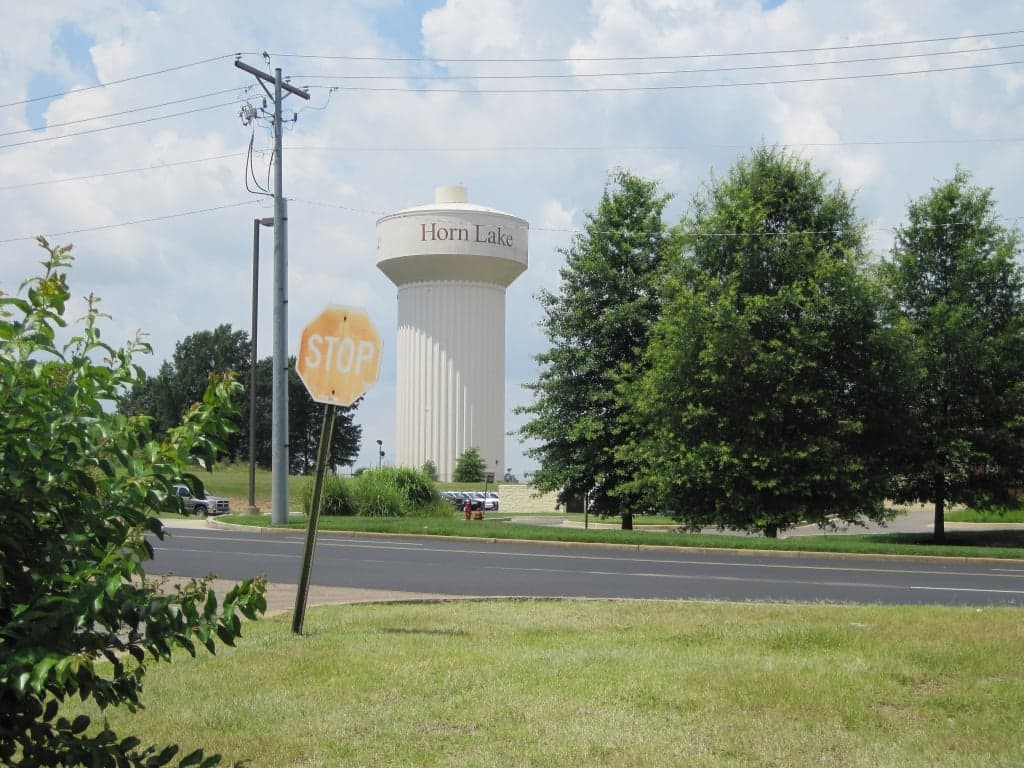
Photo: Wikipedia
Strategic Assessment of Horn Lake, MS
Multiple tactical vulnerabilities. Population density, target proximity, or disaster risk are likely compounding. A retreat property and exit planning is required.
What does the Strategic Assessment tell us?
Our Strategic Assessment grades tactical survivability of an area. Major population centers, military targets, fallout zones, natural disasters, and border exposure all drive risk — lower exposure means a more defensible position in a crisis.
This is heavily inspired by Joel Skousen's Strategic Relocation book. Highly recommended you checkout the book ($)What does this tell us?
Our Strategic Assessment grades tactical survivability of an area. Major population centers, military targets, fallout zones, natural disasters, and border exposure all drive risk — lower exposure means a more defensible position in a crisis.
This is heavily inspired by Joel Skousen's Strategic Relocation book. Highly recommended you checkout the book ($)Strategic Pillars

Key Distances
Regional Safe Places
Below is our recommended "safe zones" in Mississippi and the surrounding area based on our strategic heuristics. For most people, it's unrealistic to live in a “safe zone” full-time due to work, family or other personal reasons. They tend to be more rural. However, many of these areas are perfect for second homes and retreat properties that double as a vacation home or even a short-term rental.
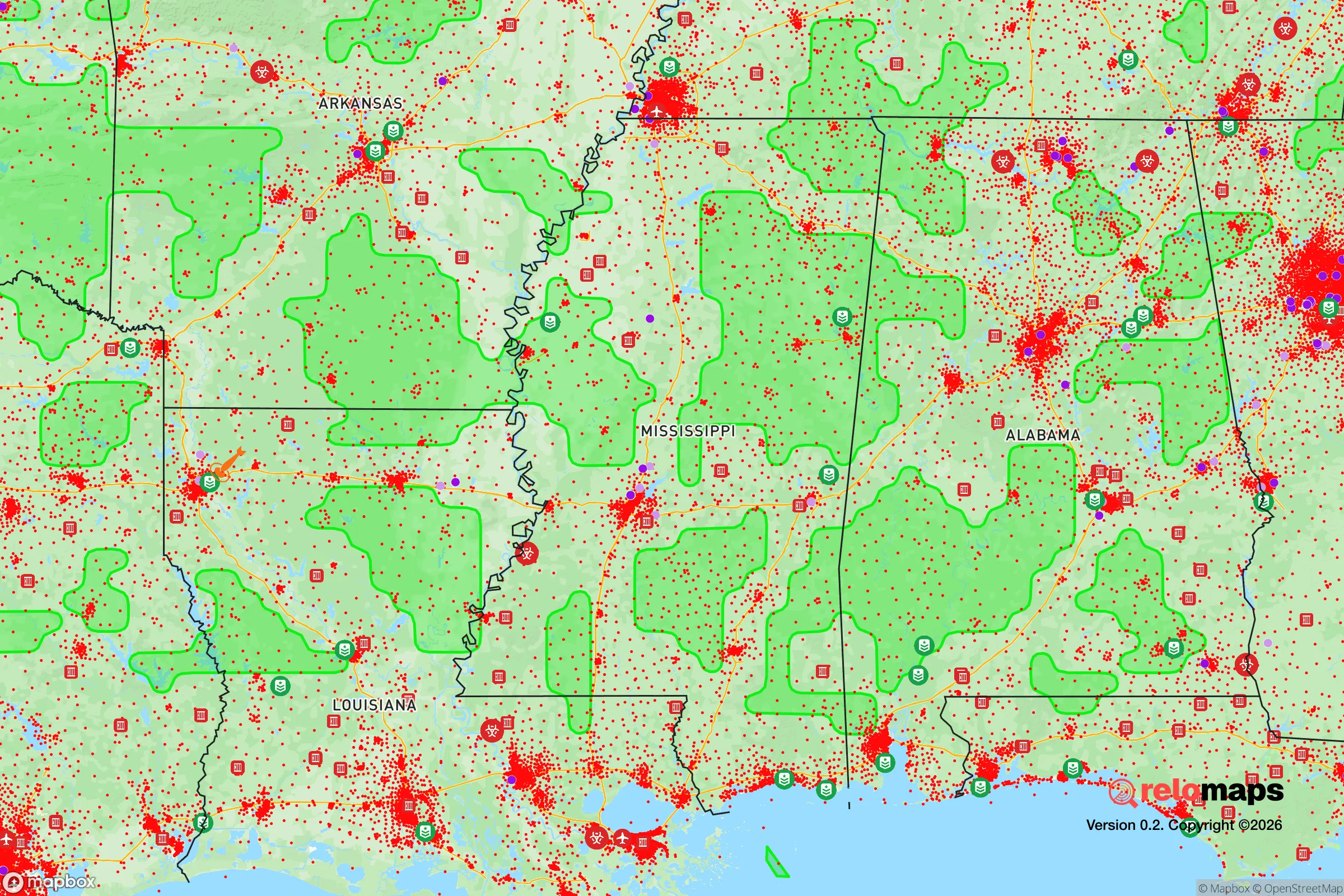
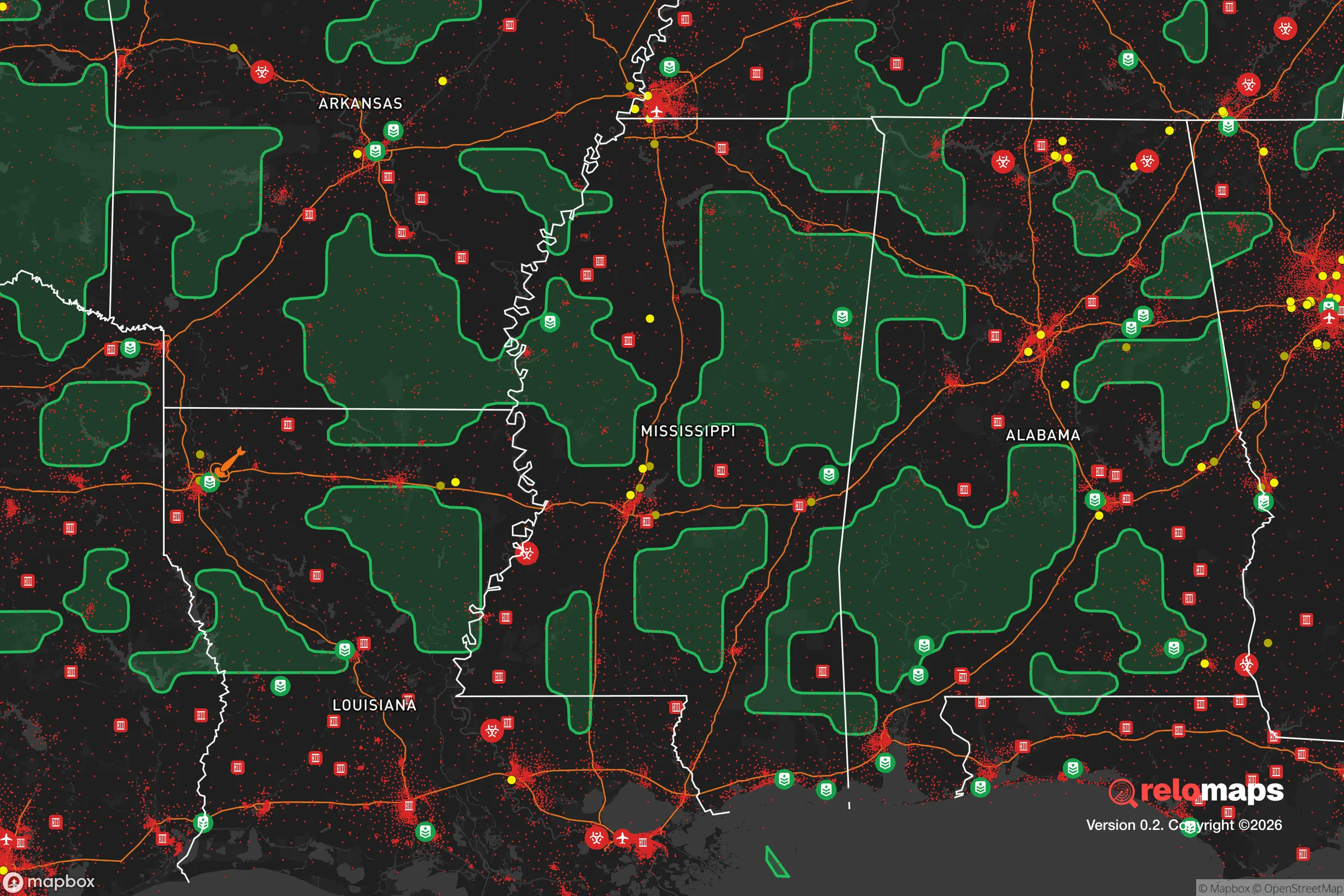


Important Note: For informational purposes only. This does not mean nothing bad ever happens in the green zones. Please use common sense. This is based on public data and modeled with AI. We tried to take a conservative approach but mistakes happen. We update this regularly as new information becomes available.
Solar Generator Recommendations
Backup power matters more here than in safer locations. We've picked three solar generators across budgets and capacity tiers — start with the budget unit if you only need a few essentials, or step up if you want to run a fridge and HVAC for days at a time.

Jackery Portable Power Station Explorer 300
Budget OptionPower on the Go: Weighing only 11 lbs, it's convenient to set up and store with book-sized foldable solar panels

BLUETTI Portable Power Station AC180
Designed for both indoor and outdoor scenarios, AC180 is highly capable as it has a robost capacity and continuous output power.

EF ECOFLOW DELTA Pro Ultra Power Station
Upgraded PickEcoFlow DELTA Pro Ultra is a whole-home energy system designed to grow with your family. Integrated with the Smart Home Panel 2, it scales to meet your evolving energy needs — keeping your home powered, intelligent, and secure through every stage of life.
We earn a commission, at no additional cost to you.
Strategic Assessment Analysis
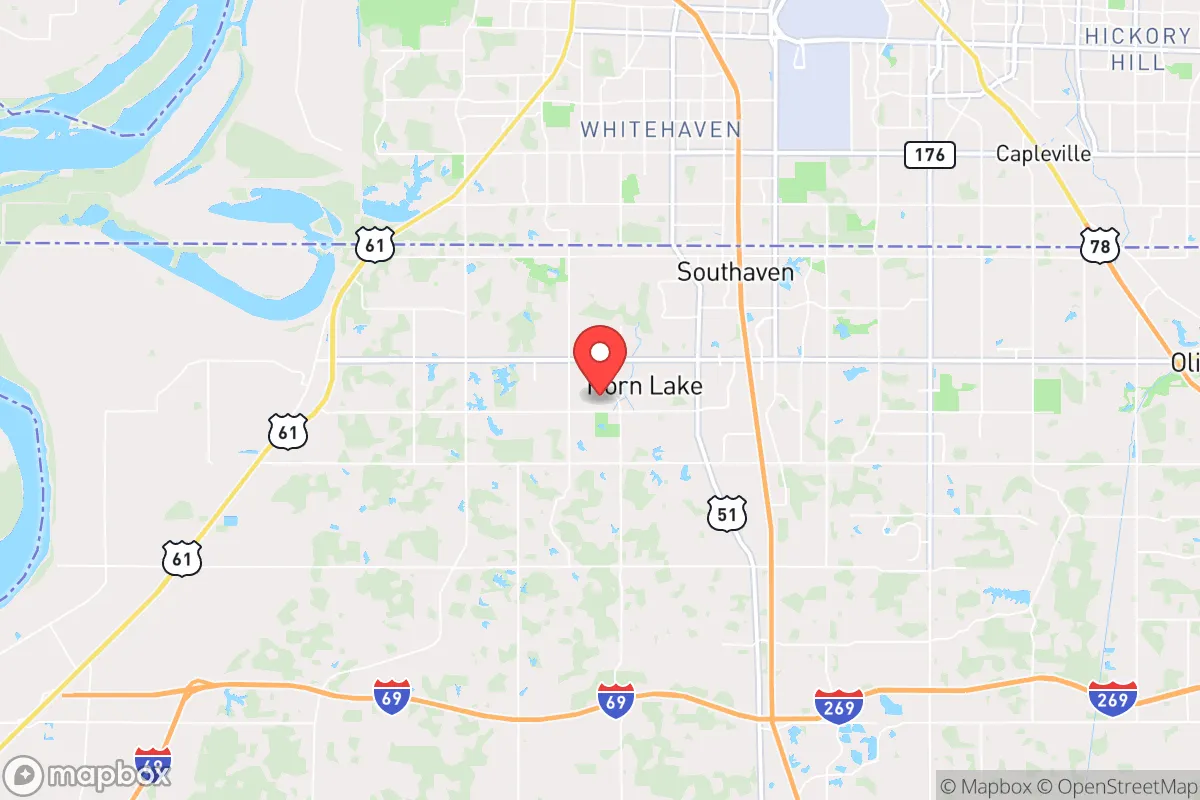
Horn Lake, Mississippi, sits in a precarious but potentially strategic pocket for those serious about resilience. Its location just south of Memphis, Tennessee, offers proximity to major infrastructure while technically placing you in a different state with a more conservative legal and political environment. For a relocator weighing civic unrest, supply chain disruptions, or mass casualty events, Horn Lake presents a mixed bag: you get the buffer of a smaller city with a lower population density than Memphis proper, but you’re still within the blast radius of a major metropolitan target. The key is understanding that this isn’t a remote retreat—it’s a forward operating base with specific advantages and glaring vulnerabilities.
Geographic position and natural advantages for long-term stability
Horn Lake’s primary strategic asset is its position in DeSoto County, Mississippi, which sits on the state line directly south of Memphis. This places you roughly 15 miles from downtown Memphis, close enough to access its medical centers, transportation hubs, and supply chains, but far enough to avoid the immediate chaos of a city-center collapse. The area sits on the Mississippi Delta’s eastern edge, meaning the terrain is flat and fertile—good for small-scale agriculture if you have the land, but poor for natural defensibility. There are no mountains, dense forests, or natural chokepoints to slow down a determined threat. The climate is humid subtropical, with hot summers and mild winters, which means year-round growing seasons for food but also high humidity that complicates long-term food storage without proper equipment. The Mississippi River is about 20 miles west, providing a potential water source and trade route, but also a flood risk and a vector for disease if sanitation breaks down. For a prepper, the flat, open terrain means you’ll rely on man-made barriers and community networks rather than natural cover.
Risks, exposures, and proximity to fallout-relevant landmarks
The elephant in the room is Memphis. Horn Lake’s proximity to a major city with a history of civil unrest, high crime rates, and significant infrastructure vulnerabilities is the single biggest risk. Memphis is a major transportation hub for FedEx and the U.S. rail system, making it a prime target for any coordinated attack, cyber disruption, or mass casualty event. If the Memphis bridges (I-40 and I-55) are compromised, Horn Lake becomes a dead-end for evacuation. The city also has a nuclear research facility at the University of Tennessee Health Science Center and a major medical district that could be a secondary target. On the natural disaster front, the New Madrid Seismic Zone is roughly 100 miles north—a major earthquake there would devastate Memphis and send shockwaves through Horn Lake, likely collapsing older infrastructure and disrupting power grids for weeks. Tornadoes are a seasonal threat, with the area sitting in the Dixie Alley corridor. For a relocator, the risk calculus is clear: you’re betting that the buffer of state lines and suburban sprawl will insulate you from the worst of Memphis’s problems, but you’re also accepting that you’re not truly remote. If a mass casualty event hits Memphis, Horn Lake will see refugees, supply shortages, and potential violence within hours.
Practical resilience for a relocator: food, water, energy, and defensibility
For day-to-day preparedness, Horn Lake offers a few concrete advantages. DeSoto County has a strong agricultural base, with local farms and farmers’ markets that can supplement food supplies in a crisis. The water table is high, meaning shallow wells are viable for those who can drill, but municipal water comes from the Memphis Sand Aquifer—one of the cleanest in the country. If the grid goes down, you’ll need a generator or solar setup to pump it. Energy reliability is average; the local utility, Entergy, has a mixed track record during storms, but the area is not prone to the rolling blackouts seen in Texas or California. Defensibility is the weak point. Horn Lake is a suburban grid of cul-de-sacs and strip malls, with no natural high ground or cover. Your best bet is a home on a larger lot with a fenced perimeter and a clear line of sight to the street. The local police force is well-funded compared to rural Mississippi, but in a prolonged crisis, you cannot rely on them. The community is largely conservative-leaning, with a strong church presence and a gun-friendly culture—Mississippi is a constitutional carry state, and you’ll find neighbors who are armed and aware. That’s a double-edged sword: it means potential allies, but also potential targets if things go south. For a single individual or family, the key is to build a network of like-minded neighbors before the crisis hits. Stockpiling food and water is straightforward given the proximity to big-box stores like Walmart and Costco in Southaven, but those will be looted within 24 hours of a major event.
The overall strategic picture for Horn Lake is one of calculated trade-offs. It’s not a bug-out location—you’re not going to survive a total collapse here without a solid plan and a community. But for someone who wants to stay within striking distance of Memphis’s job market and medical facilities while maintaining a lower profile and a more conservative legal environment, it’s a viable option. The biggest mistake a relocator could make is treating Horn Lake as a safe haven rather than a staging ground. You need to harden your home, establish a mutual aid group, and have a secondary evacuation route that avoids the Memphis bridges entirely—heading east toward Tupelo or south toward Jackson. If you’re willing to put in the work, Horn Lake offers a middle ground between urban vulnerability and rural isolation. If you’re looking for a place to ride out the storm without lifting a finger, look elsewhere. This is a spot for the prepared, not the passive.

* Values derived from national, state, county, city and local statistics and may differ in a specific area. Last updated: 2026-05-01T05:12:39.000Z
Narrative content on this page is AI-generated and may contain mistakes. Verify any details that matter before acting on them.
ReloMaps may earn a commission from affiliate links at no extra cost to you.

