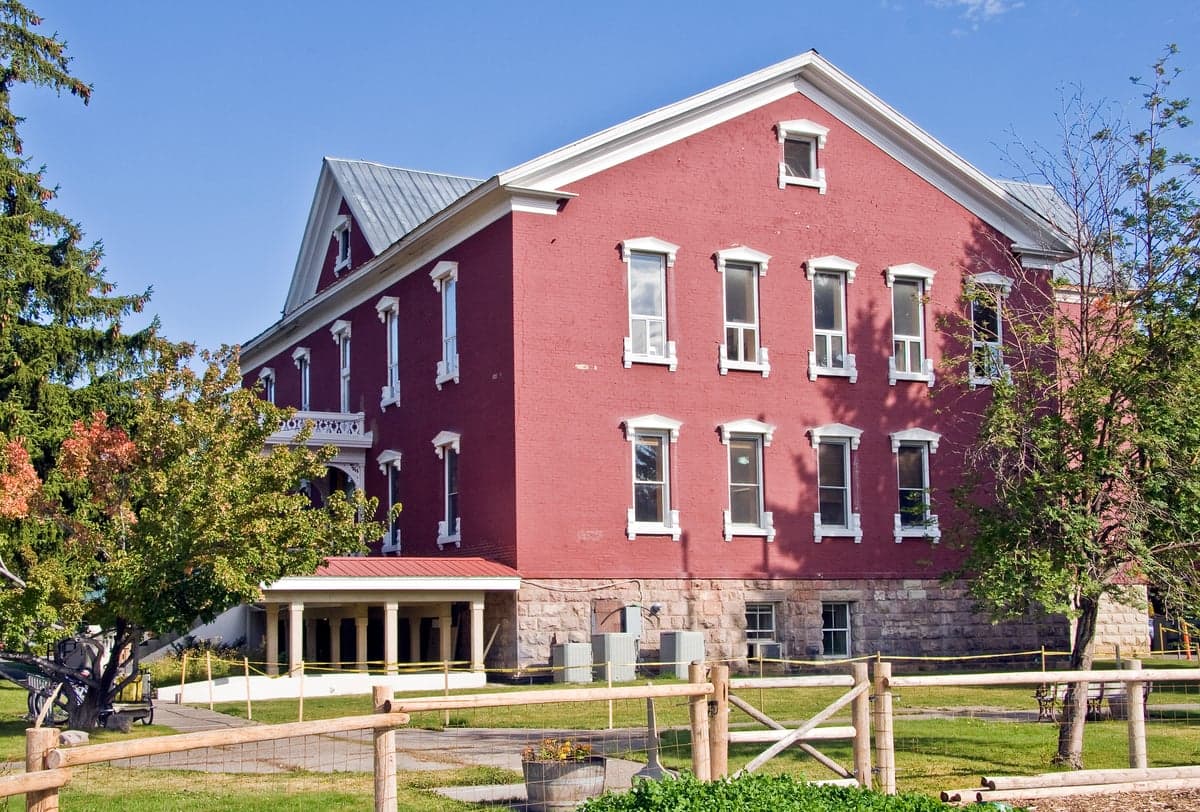
Photo: Wikipedia
Personal Sovereignty in Blaine County
Moderate friction. Expect trade-offs in some aspect of personal liberty and independence.
What does Personal Sovereignty tell us?
Personal Sovereignty measures your capacity for self-reliance and independence with minimal government friction. Higher scores mean fewer barriers between you and the way you want to live... but it assumes you have the space you need and good neighbors.
What does this tell us?
Personal Sovereignty measures your capacity for self-reliance and independence with minimal government friction. Higher scores mean fewer barriers between you and the way you want to live... but it assumes you have the space you need and good neighbors.
State Policy
Energy independence: Importer (25% of energy produced in-state)
Personal Liberty
Homesteading

Personal Liberty Analysis
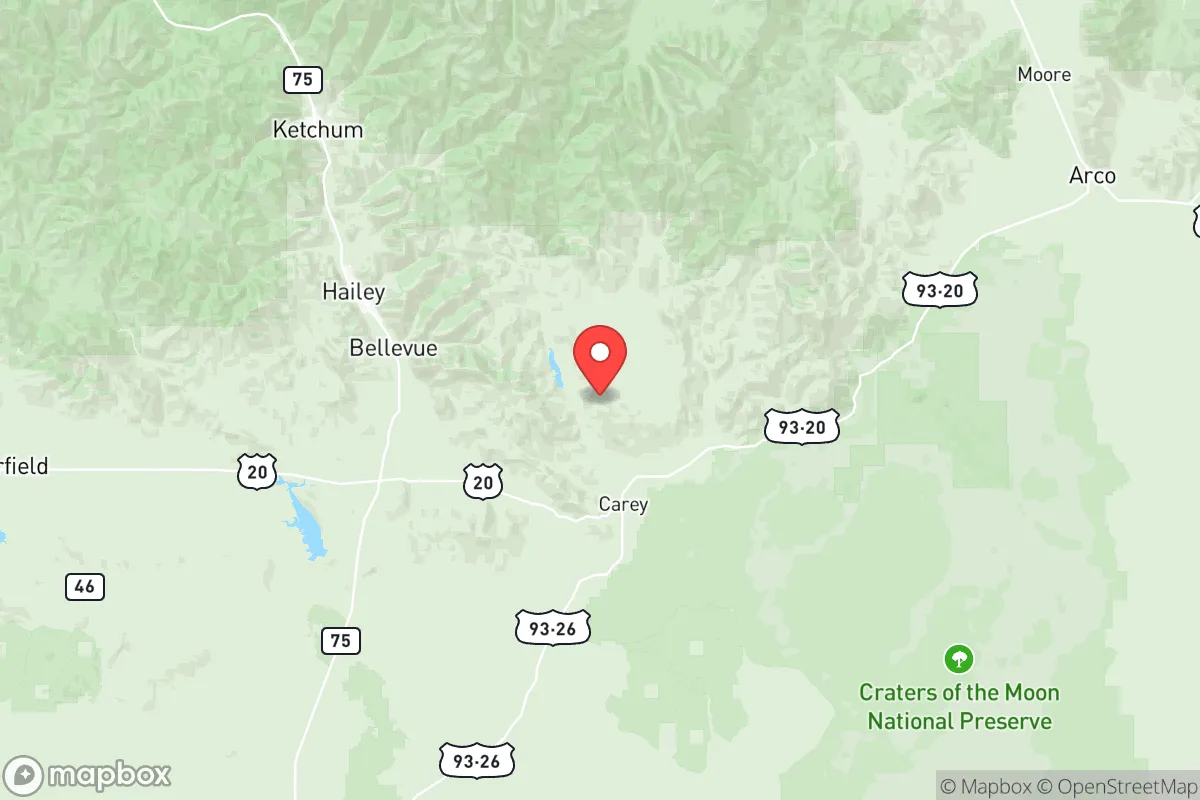
Blaine County, Idaho, offers a level of personal sovereignty that is increasingly rare in the modern United States, making it a serious consideration for those prioritizing autonomy over convenience. The county’s rugged geography and small, dispersed population create a natural buffer against the kind of dense, top-down governance found in urban centers like Boise or Sun Valley’s more regulated enclaves. For the individual or family operating from a survivalist or prepper mindset, the key question isn’t whether the government will leave you alone—it’s how much of that independence you can actually secure on the ground. The answer varies significantly depending on whether you’re looking at the remote stretches near Carey, the more populated Hailey corridor, or the high-altitude reaches around Ketchum.
Tax burden and regulatory posture in Blaine County
Idaho’s state-level framework is a clear advantage for those wary of fiscal overreach. There is no state inheritance tax, no estate tax, and no tax on Social Security benefits, which directly preserves wealth transfer and retirement savings from government erosion. The state income tax is a flat 5.8%, and while Blaine County’s property tax rates are slightly above the state median due to local school and infrastructure levies, they remain far below what you’d face in coastal states like California or Oregon. The regulatory posture here is generally light-touch, but with a critical caveat: the city of Ketchum and, to a lesser extent, Hailey have adopted more restrictive land-use codes and building permit requirements than the unincorporated county. If you want maximum freedom from permitting and zoning bureaucracy, the rural areas outside these town limits—particularly near Bellevue or the expansive ranchlands south of Carey—are where you’ll find the least government interference in what you build or how you use your land.
Self-defense and gun law specifics in Blaine County
Idaho is a constitutional carry state, meaning no permit is required to carry a concealed firearm for anyone legally allowed to possess one. This is a foundational liberty for those who view self-defense as a non-negotiable personal right, not a privilege to be licensed by the state. Blaine County’s sheriff’s office has historically been supportive of Second Amendment rights, though the political lean of the county—more moderate than deep-red eastern Idaho—means you’ll encounter a wider range of opinions in public spaces, particularly in Ketchum. That said, there are no county-level magazine capacity bans, no “assault weapon” registries, and no red flag laws on the books as of 2026. For the prepper, this means you can stockpile and train without worrying about sudden legislative shifts at the local level. The real-world implication is that a homestead near Carey or Picabo allows you to practice on your own property without neighbor complaints, whereas a property inside Ketchum city limits might draw unwanted attention from law enforcement if you’re running drills.
Self-reliance and homesteading viability in Blaine County
Blaine County’s zoning and lot size regulations are a mixed bag for the serious homesteader. In unincorporated areas, minimum lot sizes are typically 5 to 20 acres, which is ample for a garden, small livestock, and even a private well and septic system. The county does not impose the kind of suburban-style HOAs or design review boards that plague many Western resort communities. However, the high desert climate—with annual precipitation around 12–15 inches and a short growing season of roughly 90 days—demands serious planning. Off-grid feasibility is high in terms of solar potential (over 300 sunny days per year) and water rights, but you must secure a water right permit from the Idaho Department of Water Resources, which can be a bureaucratic hurdle. The areas around Bellevue and Carey have more forgiving soil and better access to groundwater than the rocky slopes near Ketchum. For those looking to be fully self-sufficient, the trade-off is clear: you can live off-grid with minimal government oversight, but you’ll need to invest in water storage, greenhouse infrastructure, and possibly a backup generator for the harsh winters.
Personal liberties in Blaine County: parental rights, medical autonomy, and property
Idaho has some of the strongest parental rights laws in the nation, including a statute that explicitly affirms parents’ “fundamental right” to direct their children’s education, healthcare, and religious upbringing. This is a critical factor for families who view government schools or medical mandates as overreach. Blaine County’s school district, while competent, is more progressive than rural Idaho districts, so homeschooling or private religious schooling is a common choice among conservative families. Medical autonomy is also robust: Idaho does not have a state vaccine mandate for adults, and there are no county-level health orders that override individual choice—a stark contrast to the lockdown-era policies still lingering in some Western states. Property rights are protected by Idaho’s “private property protection act,” which requires the government to compensate landowners for any regulatory taking that reduces property value. This legal framework makes it difficult for the county to impose arbitrary land-use restrictions without paying you, a powerful check on local government overreach. The practical effect is that a landowner near Hailey can build a workshop, store supplies, or even construct a bunker without the kind of permit battles you’d face in more regulated jurisdictions.
Overall, Blaine County offers a level of personal sovereignty that places it in the top tier of Western counties for those prioritizing freedom from government intrusion. The combination of constitutional carry, strong parental rights, low taxes, and minimal zoning in unincorporated areas creates an environment where a determined individual can live largely on their own terms. The trade-offs are real—harsh winters, limited medical infrastructure, and a higher cost of living in the Ketchum-Sun Valley corridor—but for the prepper or survivalist who values autonomy over convenience, the remote stretches of Blaine County represent one of the last best places in the lower 48 to exercise genuine self-reliance without constant government oversight.

* Values derived from national, state, county, city and local statistics and may differ in a specific area. Last updated: 2026-05-27T19:05:07.000Z
Narrative content on this page is AI-generated and may contain mistakes. Verify any details that matter before acting on them.
ReloMaps may earn a commission from affiliate links at no extra cost to you.

