Photo: Wikipedia
Find The Best Places To Live
in Boise
PRO TIP! You can paste a Zillow or Redfin link to get info on that property.
What It's Like Living in Boise, ID
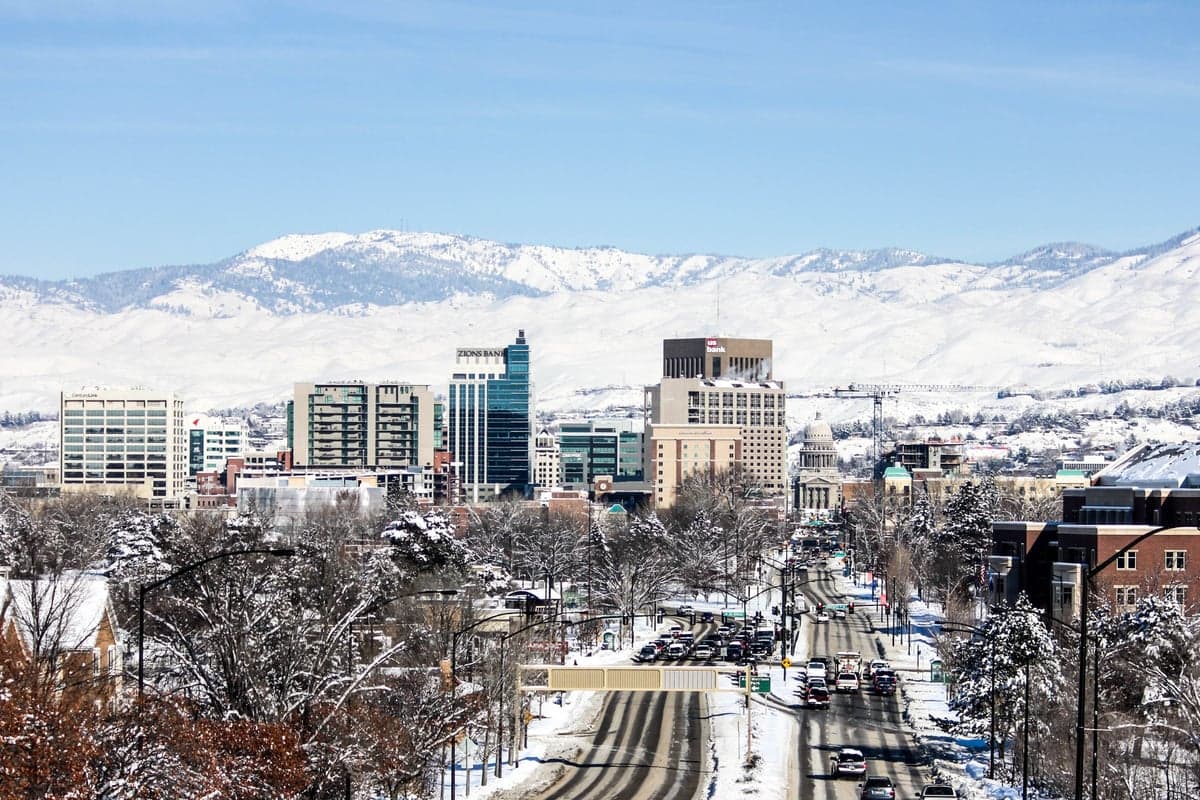
Boise has a reputation as a clean, safe, outdoorsy city that still feels like a big small town, and for the most part, that reputation holds up. It’s a place where people actually wave at each other on the Greenbelt, where the Friday night high school football game is a community event, and where you can be on a world-class mountain bike trail within 15 minutes of leaving your front door. But the city’s rapid growth over the past decade has brought real tension between that laid-back, affordable past and a more expensive, congested present.
The Daily Rhythm: What People Actually Do
For most Boiseans, the day starts early. The median commute is just 19 minutes, which means you can actually have a morning coffee at home before heading to work. The biggest employers are state government, Micron Technology, and St. Luke’s Health System, so a lot of the workforce is either in tech, healthcare, or public service. After work, the city empties into the Boise River Greenbelt — a 25-mile paved path that runs through the heart of town. On a summer evening, you’ll see families on bikes, runners, and people floating the river in inner tubes. The city’s median age is 38.2, and the median household income is $81,308, which supports a comfortable middle-class lifestyle — though that’s getting harder as home prices climb.
Weekends are built around the outdoors. Bogus Basin, a ski resort just 16 miles from downtown, is where locals go for winter skiing and summer mountain biking. In town, the Boise Farmers Market at 10th and Grove is a Saturday morning ritual from April through October. People shop for local produce, grab a breakfast burrito, and sit on the grass at the nearby Grove Plaza. For dining, locals have strong opinions: Bardenay claims to be the nation’s first distillery-restaurant, Goldy’s Breakfast Bistro has lines out the door on weekends, and Wylder is the current favorite for a nicer dinner. The food scene is good but not great — you’ll find solid farm-to-table options and decent Mexican food, but don’t expect the depth of Portland or Seattle.
Sports, Community, and the Local Identity
Boise is a sports town, but not in a rabid, big-city way. The Boise State Broncos are the undisputed kings — their blue turf at Albertsons Stadium is a national landmark, and fall Saturdays are a citywide event. Tailgating starts early, and even non-alumni show up. The Boise Hawks (minor league baseball) and Idaho Steelheads (ECHL hockey) draw solid crowds, but they’re more of a cheap family outing than a civic obsession. High school sports are genuinely big here — Bishop Kelly and Timberline football games can draw thousands, and it’s common for parents to plan their weekends around their kids’ games. The city’s identity is deeply tied to the Boise River and the foothills. Locals take pride in being able to hike Table Rock or Camel’s Back Park right from the edge of town. There’s a strong “work hard, play hard” ethic, and people who don’t enjoy outdoor recreation can sometimes feel left out of the social scene.
One cultural quirk: Boise has a surprisingly strong Basque community, dating back to sheepherders who settled here in the early 1900s. The Basque Block on Grove Street hosts the annual San Inazio Festival in July, with traditional dancing, food, and a strong sense of heritage. It’s a unique piece of local identity that most transplants don’t expect.
What’s There to Do (and What’s Missing)
The biggest annual event is Treefort Music Fest, a five-day indie music and arts festival that takes over downtown every March. It’s drawn national acts like Modest Mouse and Built to Spill, and it gives the city a hip, young energy for a week. Other major events include the Boise Music Festival in June and the Western Idaho Fair in August. For nightlife, 8th Street downtown is the main strip — a pedestrian-friendly block of bars and restaurants. The Reef is a popular tiki bar, Pengilly’s Saloon is a dive with live music, and Neurolux is the go-to for indie shows. The Morrison Center for the Performing Arts brings in Broadway tours and symphony performances.
What’s missing? A truly diverse food scene — you’ll struggle to find authentic Korean, Vietnamese, or Caribbean food. Nightlife is limited to a few blocks, and it’s mostly a 20-something crowd. For families, the Discovery Center of Idaho and the Zoo Boise are solid but not destination-level. The city’s cost of living index is 135 (35% above the national average), and the median home value of $456,000 is a shock for anyone who remembers when you could buy a house here for under $200,000. That’s the biggest frustration for longtime residents — the feeling that Boise is being “discovered” faster than it can handle.
Pros and Cons of Living Here
- Pro: Access to the outdoors. You can ski, bike, hike, fish, and float the river without ever driving more than 30 minutes. The Greenbelt is a genuine asset that connects the whole city.
- Pro: Safety and community. The violent crime rate is 279.3 per 100,000 — below the national average — and people generally leave their doors unlocked in the suburbs. Schools are a central part of community life, and the Boise School District is well-regarded.
- Con: Housing costs. The median home value has nearly doubled in five years. Rent is also high — a two-bedroom apartment averages $1,500–$1,800. This is the #1 complaint from both newcomers and locals.
- Con: Limited diversity. The population is 235,701, and it’s overwhelmingly white and politically moderate-to-conservative. If you’re looking for a multicultural urban experience, this isn’t it. The city votes blue in local elections, but the surrounding county is deep red.
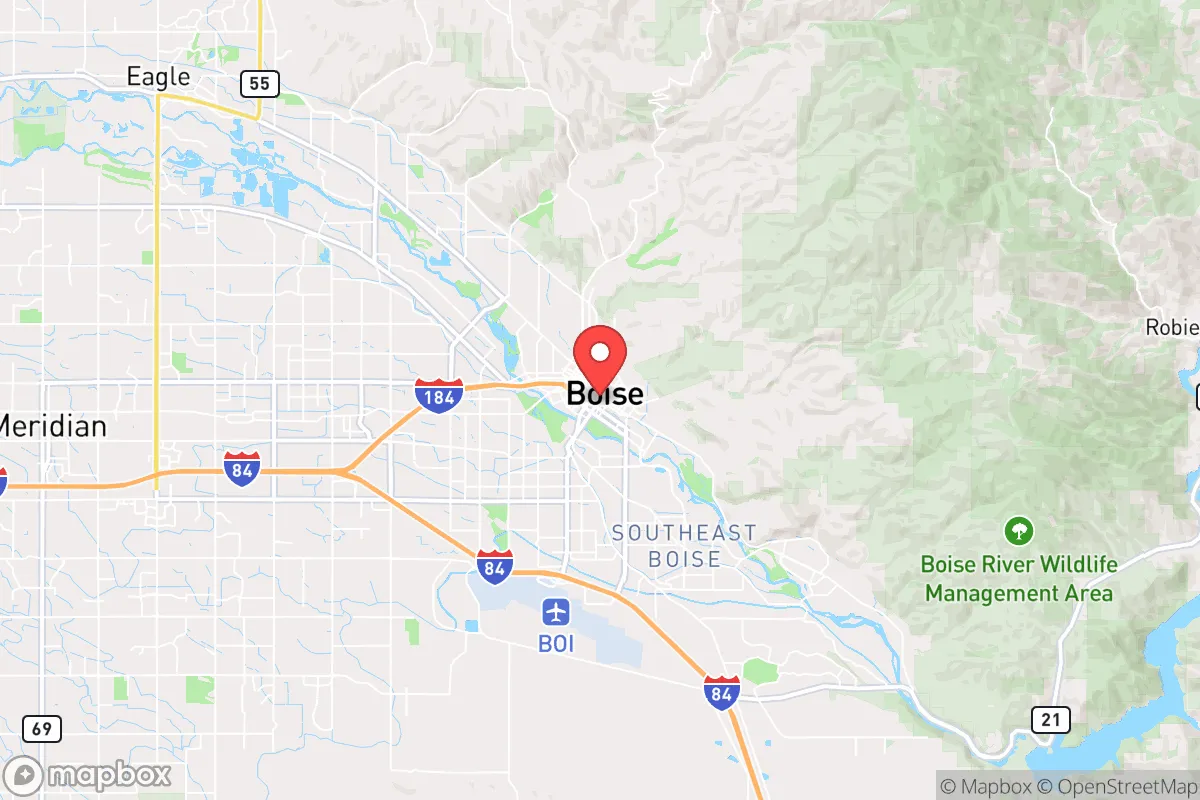
- Con: Traffic is getting worse. It’s still manageable by big-city standards, but the Connector (I-184) is a parking lot during rush hour, and suburban sprawl is pushing commutes longer.
The kind of person who fits in Boise is someone who values a slower pace, outdoor recreation, and a strong sense of community — but can afford the rising cost of entry. It’s ideal for families who want good schools and safe neighborhoods, and for singles who are active and don’t need a 24-hour city. The weather is classic four-season: hot, dry summers (90s), cold, snowy winters (20s), and beautiful springs and falls. The Boise River runs through everything, literally and figuratively. It’s a good place to raise kids, start a career, or retire — if you can get in the door.

Similar small cities to Boise
* Values derived from national, state, county, city and local statistics and may differ in a specific area. Last updated: 2026-04-15T23:29:25.000Z
Narrative content on this page is AI-generated and may contain mistakes. Verify any details that matter before acting on them.
ReloMaps may earn a commission from affiliate links at no extra cost to you.

