
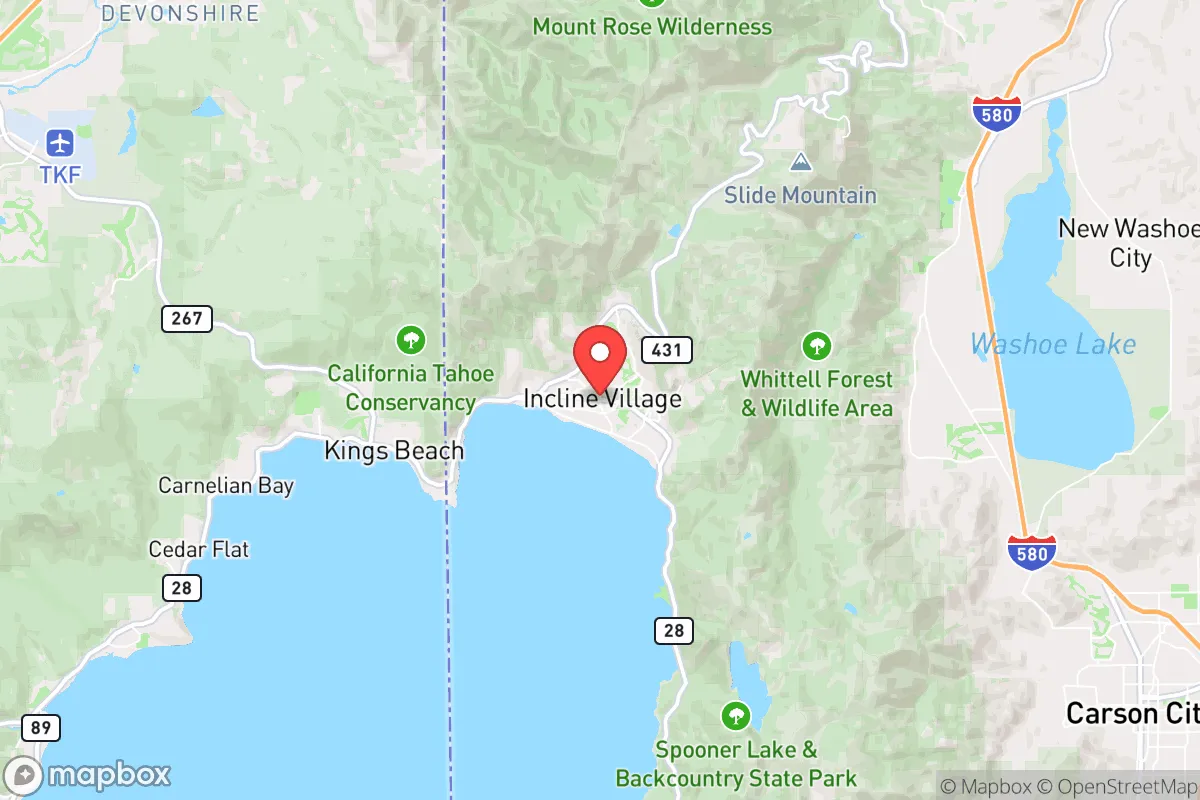
Photo: Wikipedia
Quality of Life in Incline Village, NV
A high quality of life with strong walkability, manageable living costs, healthy neighborhood signals, and solid amenity access.
What does Quality of Life tell us?
Quality of Life blends cost of living, nearby amenities, socioeconomic signals, and neighborhood character. City-level scores represent the whole municipality; individual neighborhoods can differ.
What does this tell us?
Quality of Life blends cost of living, nearby amenities, socioeconomic signals, and neighborhood character. City-level scores represent the whole municipality; individual neighborhoods can differ.
Cost of Living
188% above national average
The Real Cost of Living in Incline Village, NV for 2026
| Tier | Individual | Family (4) |
|---|---|---|
| Survival | $31k | $59k |
| Comfortable | $256k | $376k |
| Luxury | $294k+ | $456k+ |
| Elite (Top 5%) | $469k+ | $727k+ |
43%
The Area Signal
A metric tracking the socioeconomic signals of the area.
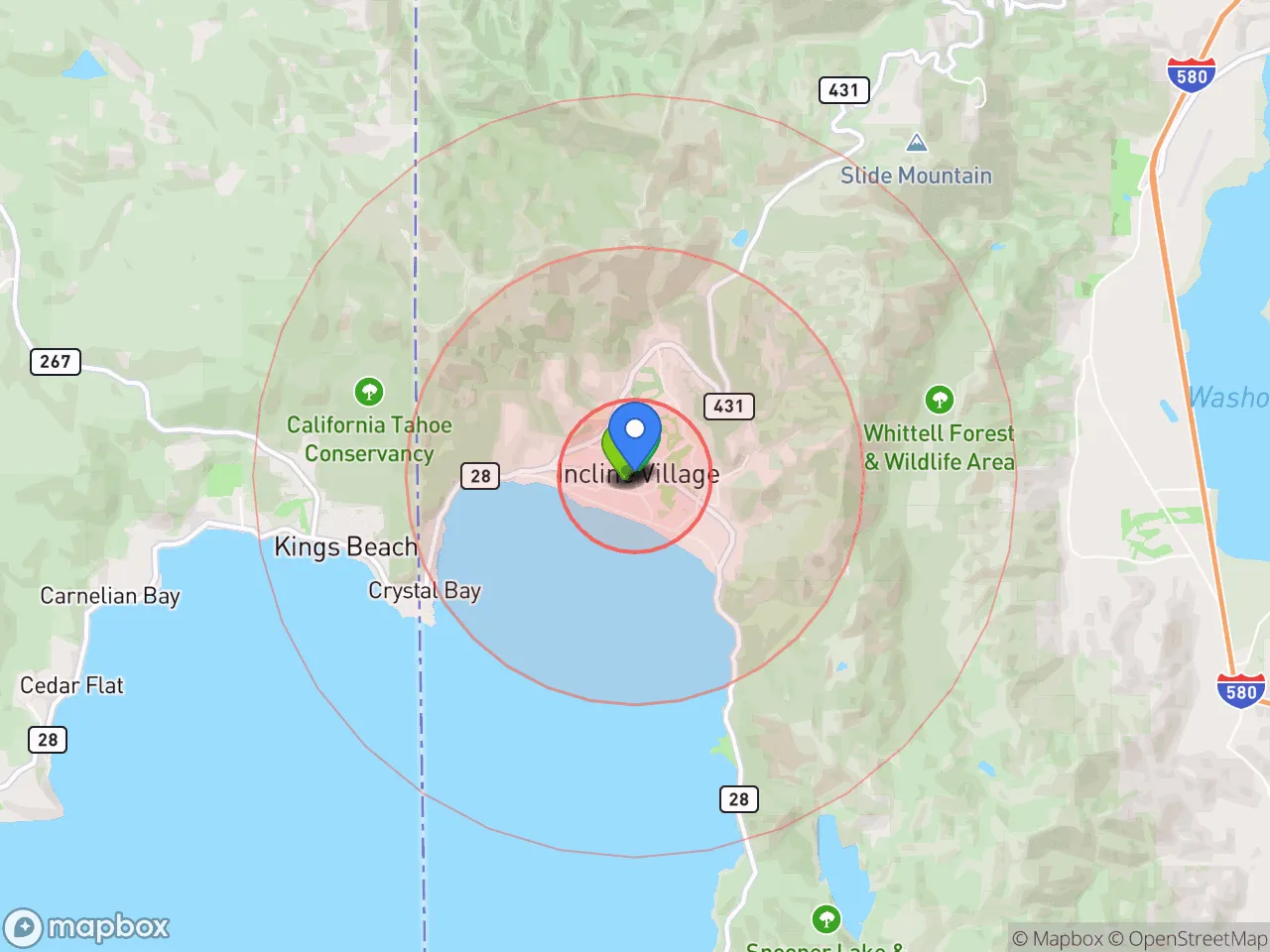
Hobbies
Explore the areaGroceries
2 within 10 miles
Gas
5 within 10 miles
Hospital
13 within 20 miles
Airport
SAN — Oakland San Francisco Bay
Post Office
USPS — Incline Village, NV
Critical Amenities
Quality-of-Life Analysis
Incline Village, Nevada, is a high-altitude lakeside community on the north shore of Lake Tahoe, defined by its extraordinary natural setting and a cost of living that places it among the most expensive small towns in the United States. With a cost of living index of 288 (nearly three times the national average of 100), the area attracts a mix of affluent second-home owners, remote tech workers, and professionals employed in the Reno-Tahoe corridor. The permanent population of roughly 8,000 residents skews older and wealthier than the national median, creating a quiet, recreation-focused atmosphere that differs sharply from the more commercialized South Lake Tahoe or the bustling casinos of Stateline.
Cost of living, housing market, and affordability compared to Truckee and Reno
The primary barrier to living in Incline Village is housing. The median home value sits at $1,315,700, roughly 3.5 times the national median, while median rent is a comparatively modest $1,963 — a figure that reflects a rental market dominated by older condos and seasonal leases rather than single-family homes. For context, nearby Truckee, California (15 miles west) has a median home value around $900,000, while Reno (35 miles east) is significantly more accessible at roughly $550,000. The average commute of 21.5 minutes is surprisingly short for such a remote area, largely because many residents work locally in hospitality, property management, or remotely for out-of-state employers. Groceries, utilities, and healthcare all carry a premium of 20–40% above national averages, driven by the area's isolation and reliance on seasonal tourism. Property taxes in Nevada are low (no state income tax, roughly 0.6% effective rate), which partially offsets the high purchase price for homeowners, but renters and first-time buyers face a market where entry-level condos start above $600,000.
Schools, outdoor amenities, and what daily life is actually like
Daily life in Incline Village revolves around the outdoors and a small-town social rhythm. The Washoe County School District operates Incline Elementary, Middle, and High School, all of which consistently rank among Nevada's top 10% for test scores and college readiness, thanks in part to strong parent fundraising and a low student-teacher ratio. The community's crown jewel is Diamond Peak Ski Resort, a mid-sized mountain with 1,840 vertical feet that sees far fewer crowds than Palisades or Heavenly. Year-round, residents use the 30+ miles of hiking and mountain biking trails on the Tahoe Rim Trail, the private Incline Village beaches (access requires a recreation pass or homeowner association membership), and the Championship Golf Course at Incline Village. Dining options are limited to about 20 restaurants, mostly upscale-casual (e.g., Lone Eagle Grille, Austin's Restaurant), with no fast-food chains inside the village limits. The nearest major grocery store is a Raley's in Incline Village proper, while big-box shopping requires a 35-minute drive to Reno. Internet infrastructure is strong, with fiber-optic service from Charter Spectrum and local provider Tahoe Internet, supporting the large remote-work population.
Incline Village is best suited for affluent families, outdoor enthusiasts, and remote professionals who prioritize year-round recreation and low crime rates (violent crime is roughly 70% below the national average) over urban convenience or housing affordability. Retirees and second-home owners will find the quiet, gated-community feel appealing, while younger renters or service workers may struggle with the high cost of entry and limited job diversity outside of hospitality and property management. The trade-off is clear: a premium price for a pristine, uncrowded slice of the Sierra Nevada that few other Lake Tahoe communities can match.

Crime in Incline Village, NV
Higher crime rates than 57% of comparable U.S. locations.
Violent CrimeViolent Crime Analysis
Property CrimeProperty Crime Analysis
Crime Analysis
Incline Village, Nevada, presents a crime profile that demands careful scrutiny, particularly given its status as a wealthy enclave on Lake Tahoe's north shore. With a violent crime rate of 371.5 per 100,000 residents and a property crime rate of 1,977.7 per 100,000, the community experiences crime at levels that are notably higher than many might expect for an affluent resort area. These figures place Incline Village in a position where safety should be a primary consideration for anyone evaluating a move to the area.
Crime in context
To understand the severity of these numbers, context is essential. Incline Village's violent crime rate of 371.5 per 100,000 is more than double the national average of roughly 370 per 100,000 for violent crime in recent years, and significantly exceeds the Nevada state average of approximately 440 per 100,000. The property crime rate of 1,977.7 per 100,000 is also elevated, sitting above the national average of around 1,950 per 100,000 and the state average of roughly 2,100 per 100,000. While not the highest in the region, these rates indicate that Incline Village is not insulated from crime despite its high property values and tourist-driven economy. The area's proximity to the broader Reno-Sparks metropolitan area, which has its own crime challenges, likely contributes to these figures.
What residents experience
For those living in Incline Village, the primary safety concern is property crime. The rate of nearly 2,000 incidents per 100,000 residents translates to a tangible risk of theft, burglary, and vehicle break-ins, particularly in areas frequented by tourists or near vacation rentals. Violent crime, while less common, is still a reality—the rate of 371.5 per 100,000 means residents face a higher likelihood of assault, robbery, or other serious offenses than in many comparably affluent communities. This is especially concerning given the broader trend in Nevada and other Western states where progressive criminal justice policies, including lenient sentencing and reduced prosecution for certain offenses, have been linked to increased recidivism and a greater number of offenders on the street. In Washoe County, where Incline Village is located, district attorneys and judges who prioritize rehabilitation over accountability can create an environment where criminals face minimal consequences, directly undermining public safety and victim justice.
Neighborhood-level variation within Incline Village is limited by the community's relatively small size and homogeneous housing stock, but some patterns emerge. Areas closer to the lakefront and major resorts, such as those along Lakeshore Boulevard, may see higher rates of property crime due to tourist traffic, while more secluded residential streets near the golf courses or the Diamond Peak ski area tend to report fewer incidents. However, the overall crime rates suggest that no part of Incline Village is entirely immune, and residents should remain vigilant regardless of location. For those considering a move, a thorough review of local crime maps and discussions with current residents is strongly advised to gauge the real-world safety experience.
* Values derived from national, state, county, city and local statistics and may differ in a specific area. Last updated: 2026-04-23T04:12:50.000Z
Narrative content on this page is AI-generated and may contain mistakes. Verify any details that matter before acting on them.
ReloMaps may earn a commission from affiliate links at no extra cost to you.

