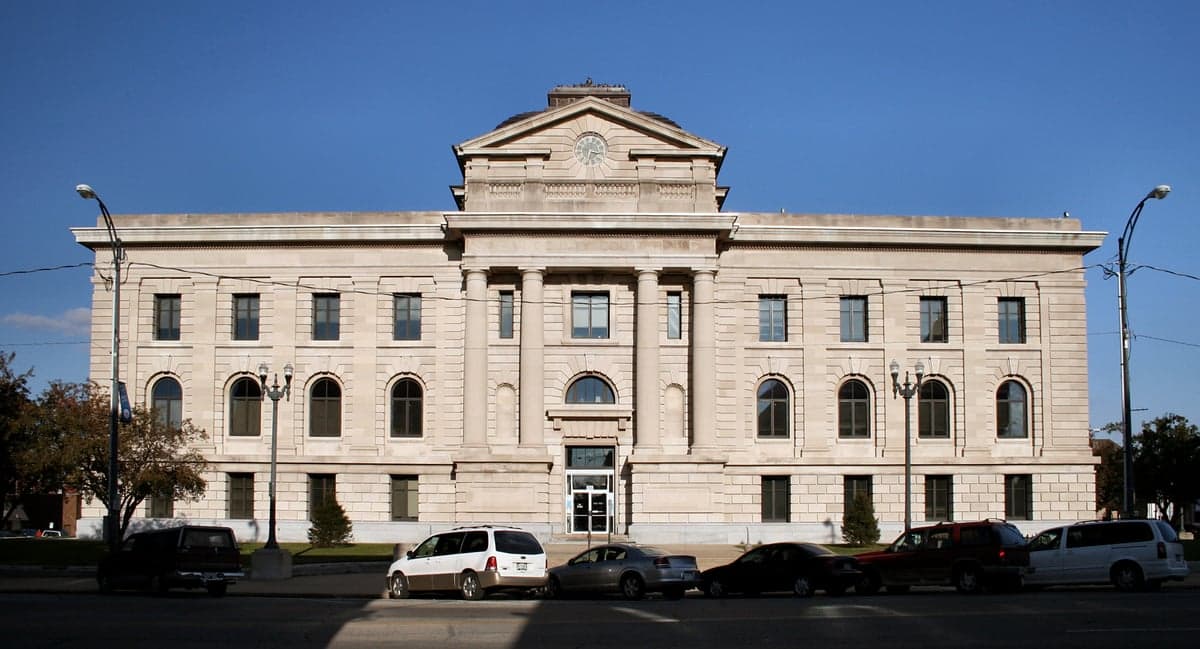
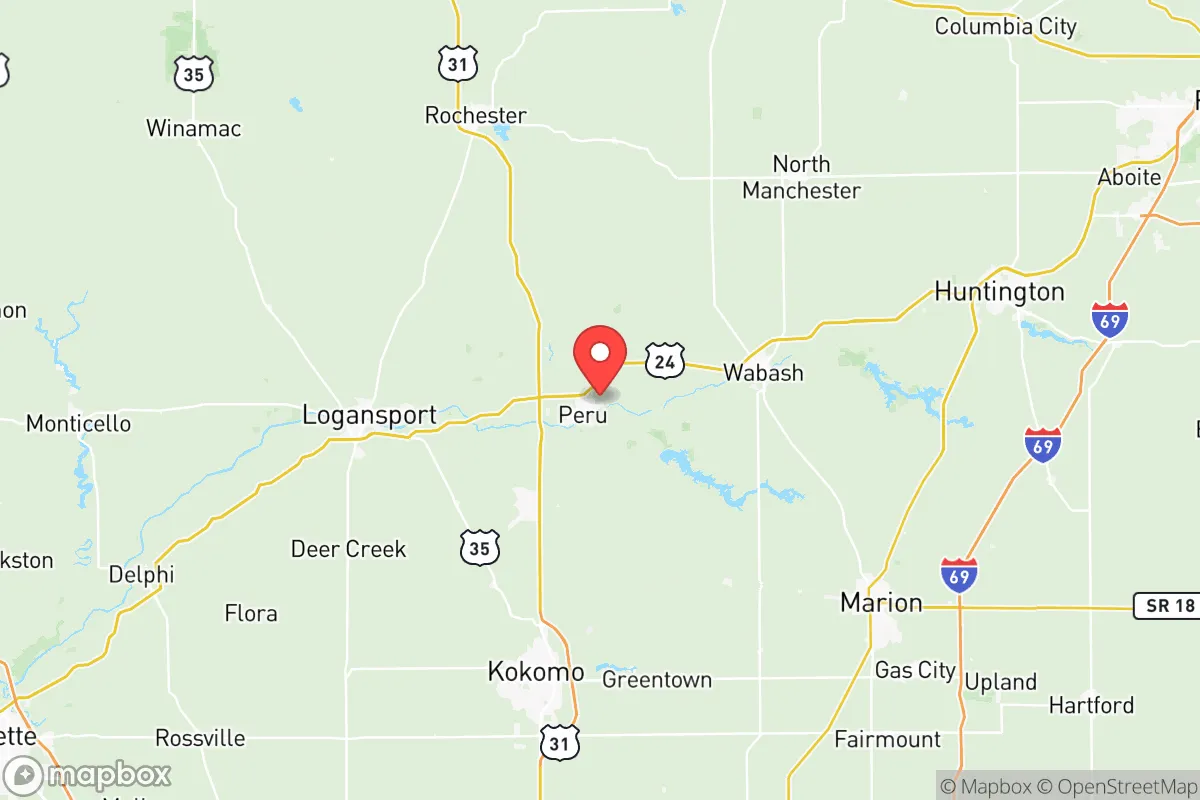
Photo: Wikipedia
Quality of Life in Miami County
A livable area that tracks near national norms for affordability, walkability, and neighborhood health.
What does Quality of Life tell us?
Quality of Life measures an area by evaluating factors like cost of living, nearby amenities, country club access, airport proximity, socioeconomic signals and neighborhood character. For large states, this is a general average — quality of life can vary dramatically between metro areas, suburbs, and rural communities within the same state.
What does this tell us?
Quality of Life measures an area by evaluating factors like cost of living, nearby amenities, country club access, airport proximity, socioeconomic signals and neighborhood character. For large states, this is a general average — quality of life can vary dramatically between metro areas, suburbs, and rural communities within the same state.
Cost of Living
42% below national average
181%
The Real Cost of Living in Miami County for 2026
| Tier | Individual | Family (4) |
|---|---|---|
| Survival | $13k | $24k |
| Comfortable | $23k | $34k |
| Luxury | $93k+ | $144k+ |
| Elite (Top 5%) | $109k+ | $169k+ |
Quality-of-Life Analysis
Miami County, Indiana, offers a distinct quality-of-life spectrum that ranges from the historic, walkable river town of Peru to quiet unincorporated crossroads and working farmland, drawing residents who want small-city amenities without metropolitan costs. The county’s overall cost of living index sits at 58 (42 percent below the U.S. average), with a median home value of $118,000 and median rent of $794, making it one of the most affordable places in north-central Indiana. The average commute of roughly 25 minutes keeps daily life local, while the mix of housing types and community sizes means a retiree, a young family, and a remote worker can each find a fitting niche within a 15-minute drive.
Largest town(s) & population centers
Peru, the county seat and only incorporated city, anchors the county with roughly 11,000 residents. Daily life here centers on the historic downtown along the Wabash River, where the Miami County Courthouse and the Circus City Festival grounds provide a sense of place. Peru offers the county’s widest range of services: a full-service hospital (Dukes Memorial Hospital), a public library, multiple grocery stores, and the Peru High School athletic complex. Housing stock includes Victorian-era homes near the river, mid-century ranches in subdivisions like Westwood, and a handful of newer townhomes. The Grissom Air Reserve Base, just south of town, provides a steady employer base and keeps the local economy stable. For daily errands, residents walk to the downtown square or drive five minutes to the U.S. 31 corridor, which connects to Kokomo (15 minutes south) and Logansport (20 minutes west).
Smaller towns & rural pockets
Outside Peru, the county’s smaller incorporated towns offer quieter, more affordable alternatives. Bunker Hill (pop. ~900) sits near the Grissom base and has a small grocery, a post office, and a cluster of ranch homes on larger lots. Converse (pop. ~1,200) straddles the Miami-Grant county line and provides a compact downtown with a hardware store, a bank, and a popular diner; its proximity to Mississinewa Reservoir makes it a draw for boaters and anglers. Denver (pop. ~500) and Macy (pop. ~200) are classic rural villages with a grain elevator, a church, and a volunteer fire department — places where residents often commute to Peru or Kokomo for work. Unincorporated areas like Paw Paw and Gilead consist of scattered farmhouses and mobile homes on acreage, with no retail services; residents drive 10–15 minutes to Peru for groceries and medical care. The county’s rural character is defined by corn and soybean fields punctuated by wooded creek bottoms, with the Wabash River forming the southern boundary.
Cost & lifestyle range
The cost spread across Miami County is narrow by national standards but meaningful locally. At the low end, a two-bedroom rental in a rural pocket like Denver or Macy can go for $550–$650 per month, while a similar unit in Peru’s downtown historic district averages $750–$850. Home prices follow the same gradient: a fixer-upper on a half-acre lot in Bunker Hill might list at $85,000, while a move-in-ready three-bedroom in Peru’s Westwood subdivision runs $130,000–$150,000. The lifestyle trade-off is clear: Peru offers walkable access to restaurants (the Jaxson’s burger joint and Riverwalk Brewing are local favorites), a farmers market, and the Miami County YMCA, while the smaller towns trade those amenities for larger lots, lower taxes, and quieter streets. For remote workers, the county’s fiber-optic internet coverage is spotty — Peru and Bunker Hill have good broadband, but rural addresses near Paw Paw may rely on satellite or fixed wireless. Property taxes in Miami County average roughly 0.8% of assessed value, among the lowest in Indiana, which keeps carrying costs low across the entire county.
This county works best for people who value affordability and space over urban convenience. Retirees on fixed incomes often choose Peru for its walkable downtown and medical access. Young families gravitate toward Bunker Hill or Converse for the lower home prices and proximity to the reservoir. Remote workers and tradespeople who don’t mind a 25-minute commute to Kokomo or Logansport find the rural pockets appealing. Anyone expecting a vibrant nightlife, high-end dining, or a diverse job market will be disappointed — Miami County’s strength is its quiet, low-stress rhythm and the financial breathing room that comes with a cost of living well below the national average.

Crime in Miami County
Generally safer than 59% of comparable U.S. locations.
Violent CrimeViolent Crime Analysis
Property CrimeProperty Crime Analysis
Crime Analysis
Miami County, Indiana, presents a mixed safety profile that falls roughly in line with rural Indiana averages, though property crime rates warrant closer attention from potential residents. With a violent crime rate of 263.1 per 100,000 residents and a property crime rate of 1,096.3 per 100,000, the county sits below the national average for violent offenses but above the state median for property-related incidents. The county seat of Peru anchors the region's population and crime reporting, while smaller communities like Bunker Hill, Converse, and Amboy contribute to the overall statistical picture.
Crime in context
Miami County's violent crime rate of 263.1 per 100,000 is notably lower than the national average of approximately 380 per 100,000, placing it among the safer rural counties in north-central Indiana for violent offenses. However, the property crime rate of 1,096.3 per 100,000 exceeds the Indiana state average of roughly 1,800 per 100,000—meaning property crime here is actually about 40% lower than the state figure, though still a concern for homeowners and renters. For comparison, neighboring Howard County (Kokomo) reports violent crime rates near 400 per 100,000, while Wabash County to the east posts rates closer to 200 per 100,000. The Miami County Prosecutor's Office, led by a Republican officeholder, maintains a generally conservative approach to prosecution, which aligns with the county's voting patterns—Donald Trump carried Miami County by 36 points in 2024. This judicial philosophy tends to prioritize public safety and victim rights over progressive diversion programs, a factor that can influence recidivism rates and overall community security.
What residents experience
Residents in Miami County's largest town, Peru, report the highest concentration of both violent and property crimes, particularly in the downtown corridor and areas near the Wabash River. The Peru Police Department handles the bulk of calls, with larceny-theft and burglary being the most common property offenses. In contrast, the village of Bunker Hill—home to Grissom Air Reserve Base—experiences significantly lower crime rates, partly due to the military presence and tighter community oversight. Converse, straddling the Miami-Grant county line, sees occasional drug-related property crimes but maintains a quiet residential character. Amboy and Denver, both unincorporated towns, report minimal violent crime but occasional thefts from vehicles and outbuildings. The Miami County Sheriff's Department patrols unincorporated areas and provides law enforcement for smaller towns without their own police forces, with response times averaging 12-18 minutes in rural zones versus 5-8 minutes within Peru city limits.
Neighborhood-level variation
Crime in Miami County is not evenly distributed. The most significant safety concerns cluster in Peru's older neighborhoods near the downtown core and along the U.S. 31 corridor, where transient populations and rental properties contribute to higher incident rates. Conversely, the rural townships of Butler, Clay, and Washington report violent crime rates below 100 per 100,000, making them the safest areas for families seeking acreage or small-town living. The presence of Grissom Air Reserve Base in Bunker Hill creates a unique security buffer, with military police supplementing local law enforcement and fostering a lower-crime environment. For those considering relocation, the safest housing options lie in the county's northern and eastern townships, while properties within a half-mile of Peru's downtown should be evaluated with extra scrutiny regarding property crime prevention measures like lighting and security systems.
* Values derived from national, state, county, city and local statistics and may differ in a specific area. Last updated: 2026-08-19T02:22:50.000Z
Narrative content on this page is AI-generated and may contain mistakes. Verify any details that matter before acting on them.
ReloMaps may earn a commission from affiliate links at no extra cost to you.

