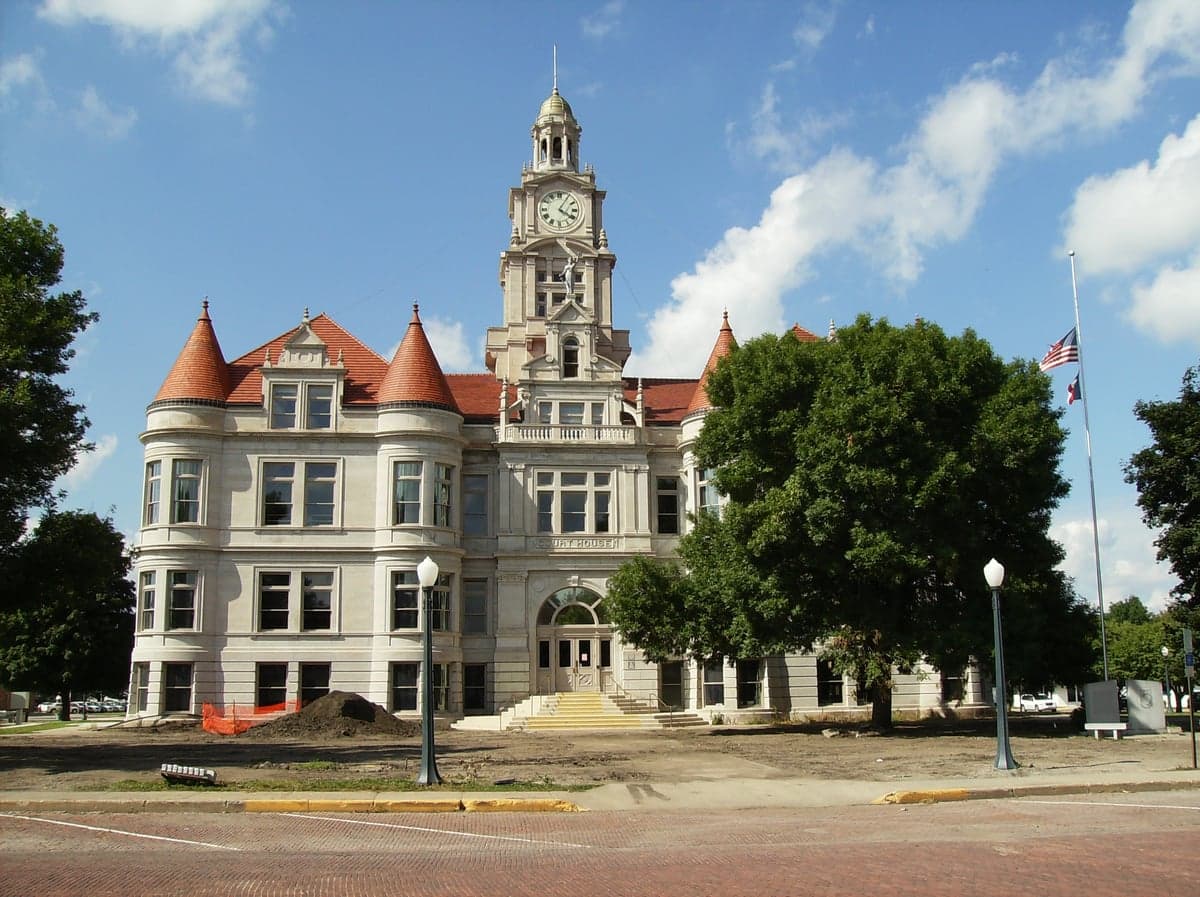
Photo: Wikipedia
Strategic Assessment of Dallas County
Workable tactical position. Some exposure to population density or targets, but generally defensible in a crisis.
What does the Strategic Assessment tell us?
Our Strategic Assessment grades tactical survivability of an area. Major population centers, military targets, fallout zones, natural disasters, and border exposure all drive risk — lower exposure means a more defensible position in a crisis.
This is heavily inspired by Joel Skousen's Strategic Relocation book. Highly recommended you checkout the book ($)What does this tell us?
Our Strategic Assessment grades tactical survivability of an area. Major population centers, military targets, fallout zones, natural disasters, and border exposure all drive risk — lower exposure means a more defensible position in a crisis.
This is heavily inspired by Joel Skousen's Strategic Relocation book. Highly recommended you checkout the book ($)Strategic Pillars

Key Distances
Strategic Assessment Analysis
Dallas County, Iowa, sits in a sweet spot that few relocators fully appreciate: close enough to Des Moines for supply runs and employment, yet far enough to avoid the worst of urban chaos when things go sideways. The county’s agricultural backbone, low population density, and position outside major fallout corridors make it a defensible base for those thinking long-term about resilience. For a conservative-leaning individual or family looking to hedge against civic unrest, supply chain disruptions, or larger-scale disasters, this area offers a rare combination of self-sufficiency potential and strategic isolation—without being completely cut off from civilization.
Geographic position and natural advantages for long-term stability
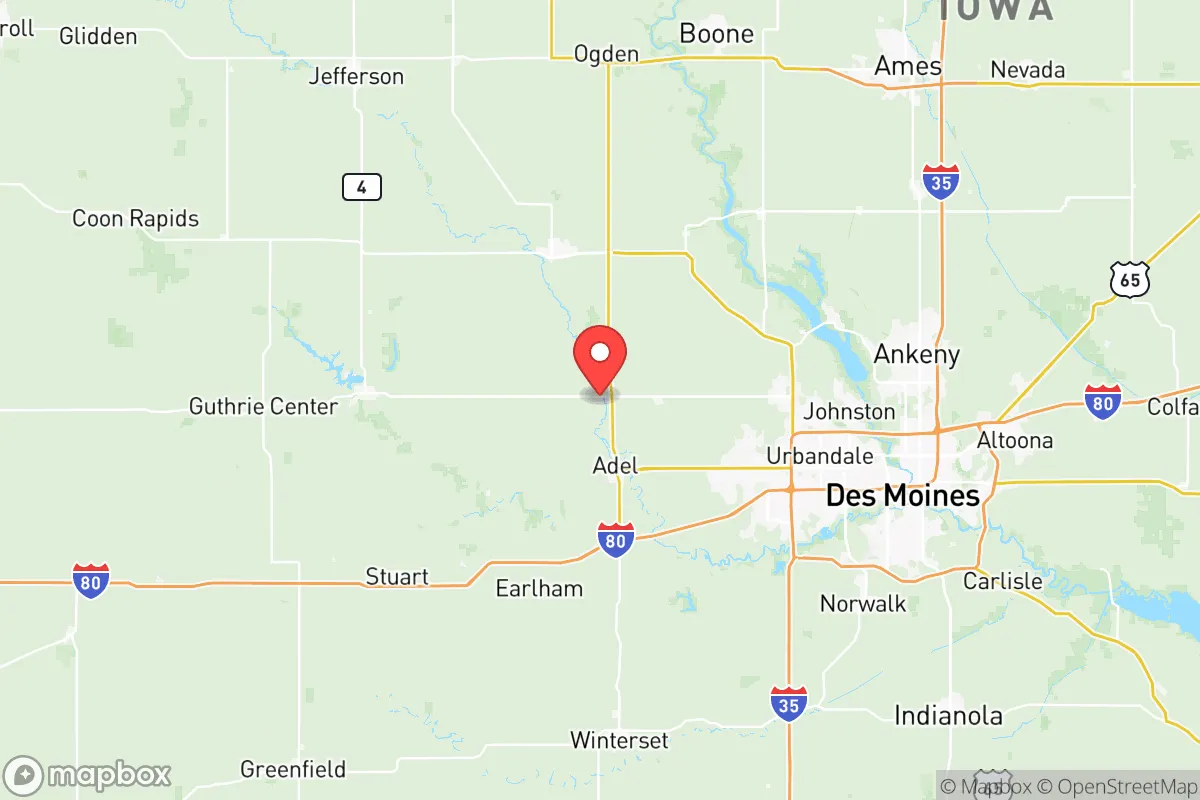
Dallas County anchors the western edge of Iowa’s rapidly growing “Metro Growth Ring,” but its character remains distinctly rural. The county seat, Adel, sits about 20 miles west of downtown Des Moines, while towns like Perry, Waukee, and Grimes form a buffer zone of smaller communities. The Raccoon River and the North Raccoon River cut through the county, providing reliable surface water sources—critical if municipal systems fail. The terrain is gently rolling farmland, not mountainous, but that flatness actually aids in self-defense visibility and makes off-grid solar or wind setups more practical. The area’s hardiness zone (5b) supports a long growing season for staple crops like corn, soybeans, and garden vegetables, which matters when grocery store shelves go bare. Unlike coastal or border regions, Dallas County is far from international ports, major military bases, or obvious terrorist targets—the nearest significant military installation is Camp Dodge in Johnston, about 25 miles east, which is a state-level training facility, not a high-value strategic asset.
Risks, exposures, and proximity to fallout-relevant landmarks
No location is risk-free, and Dallas County has its own set of vulnerabilities that a prepper must account for. The most obvious is proximity to Des Moines—the state capital and largest city, with a metro population over 700,000. In a major civil unrest scenario, that population could push westward along Interstates 80 and 35, both of which run through or near the county. The Des Moines International Airport (about 25 miles east of Adel) and the Johnston rocket fuel plant (a known EPA-listed hazardous site) are potential secondary targets for sabotage or accident. More concerning is the Iowa Ordnance Training Plant near Ankeny, about 30 miles northeast—a former munitions facility that still handles explosives. While not a nuclear target, a conventional strike or industrial accident there could produce toxic fallout. On the plus side, Dallas County has no nuclear power plants, no major refineries, and no intermodal rail hubs that would attract a first-strike scenario. The nearest nuclear plant is Duane Arnold Energy Center near Palo, about 50 miles east, which is permanently shut down but still stores spent fuel. For a relocator, the key takeaway is: you’re not in a primary blast zone, but you’re within a day’s drive of multiple secondary risks. That means having a bug-out plan that goes west—toward Guthrie County or the Loess Hills—is wise.
Practical resilience for a relocator: food, water, energy, and defensibility
Dallas County’s practical resilience comes down to four pillars: water, food, energy, and community. On water: the Raccoon River and its tributaries run through the county, and many rural properties have private wells. The Adel Water Works and Perry Municipal Water are surface-water-dependent, but a well with a hand pump bypasses that vulnerability entirely. On food: the county is Iowa’s second-largest producer of corn and soybeans, and smaller farms near Redfield and Dallas Center still raise cattle, hogs, and poultry. Farmers’ markets in Adel and Waukee operate through summer and fall, and the Amish community in nearby Kalona (about 90 miles southeast) is a backup trade network. On energy: the county is served by MidAmerican Energy, which relies on a mix of coal, wind, and natural gas. But the flat terrain and consistent wind speeds (averaging 12-15 mph) make small-scale wind turbines viable. Solar panels work well here too, though snow cover in winter requires occasional clearing. On defensibility: the county’s layout favors small, tight-knit communities. Perry, with its historic downtown and grid street pattern, is more defensible than sprawling Waukee. Rural properties with long driveways and tree lines offer natural cover. The Dallas County Sheriff’s Office is professional but small—about 30 deputies for 600 square miles—so in a prolonged crisis, you’ll rely on neighbors, not 911. That’s where the conservative culture works in your favor: many locals already own firearms, hunt, and keep supplies. Church networks in Adel and Perry are strong and could serve as mutual aid hubs.
The overall strategic picture for Dallas County is one of calculated balance. It’s not a remote bunker in the Rockies, nor is it a suburban sprawl with no escape route. It’s a working agricultural county with enough infrastructure to support a modern life but enough distance from major targets to survive a shock. The biggest threat isn’t a direct strike—it’s the secondary wave of refugees from Des Moines or the disruption of supply chains that could make life hard for unprepared residents. For a relocator who arrives with a well, a garden, a solar panel, and a plan to integrate into the local community, Dallas County offers a solid foundation. The land is affordable, the water is plentiful, and the people are the kind who still wave at strangers. In a world that feels increasingly fragile, that’s worth more than any bunker.

* Values derived from national, state, county, city and local statistics and may differ in a specific area. Last updated: 2026-05-09T23:49:42.000Z
Narrative content on this page is AI-generated and may contain mistakes. Verify any details that matter before acting on them.
ReloMaps may earn a commission from affiliate links at no extra cost to you.

