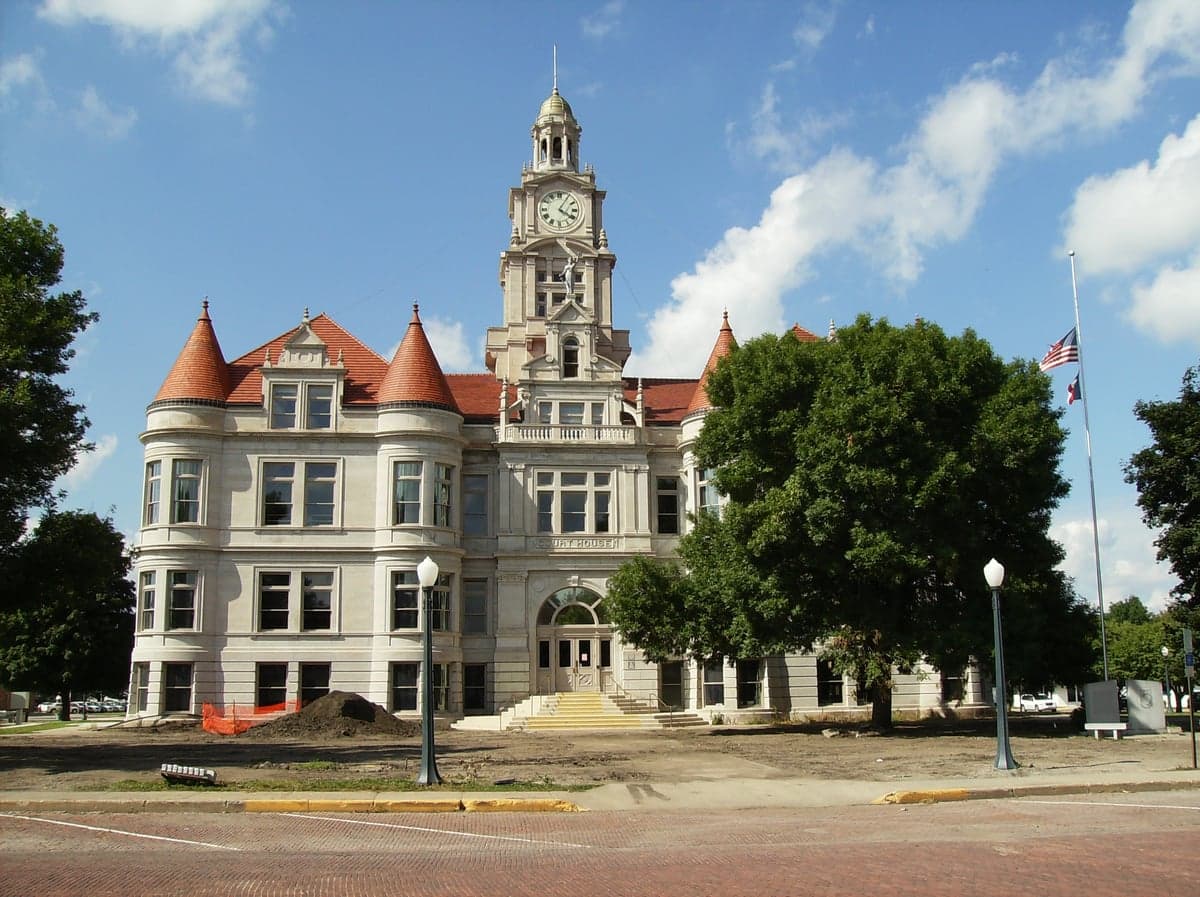
Photo: Wikipedia
Quality of Life in Dallas County
A livable area that tracks near national norms for affordability, walkability, and neighborhood health.
What does Quality of Life tell us?
Quality of Life measures an area by evaluating factors like cost of living, nearby amenities, country club access, airport proximity, socioeconomic signals and neighborhood character. For large states, this is a general average — quality of life can vary dramatically between metro areas, suburbs, and rural communities within the same state.
What does this tell us?
Quality of Life measures an area by evaluating factors like cost of living, nearby amenities, country club access, airport proximity, socioeconomic signals and neighborhood character. For large states, this is a general average — quality of life can vary dramatically between metro areas, suburbs, and rural communities within the same state.
Cost of Living
11% above national average
107%
The Real Cost of Living in Dallas County for 2026
| Tier | Individual | Family (4) |
|---|---|---|
| Survival | $20k | $37k |
| Comfortable | $65k | $95k |
| Luxury | $176k+ | $273k+ |
| Elite (Top 5%) | $207k+ | $321k+ |
Quality-of-Life Analysis
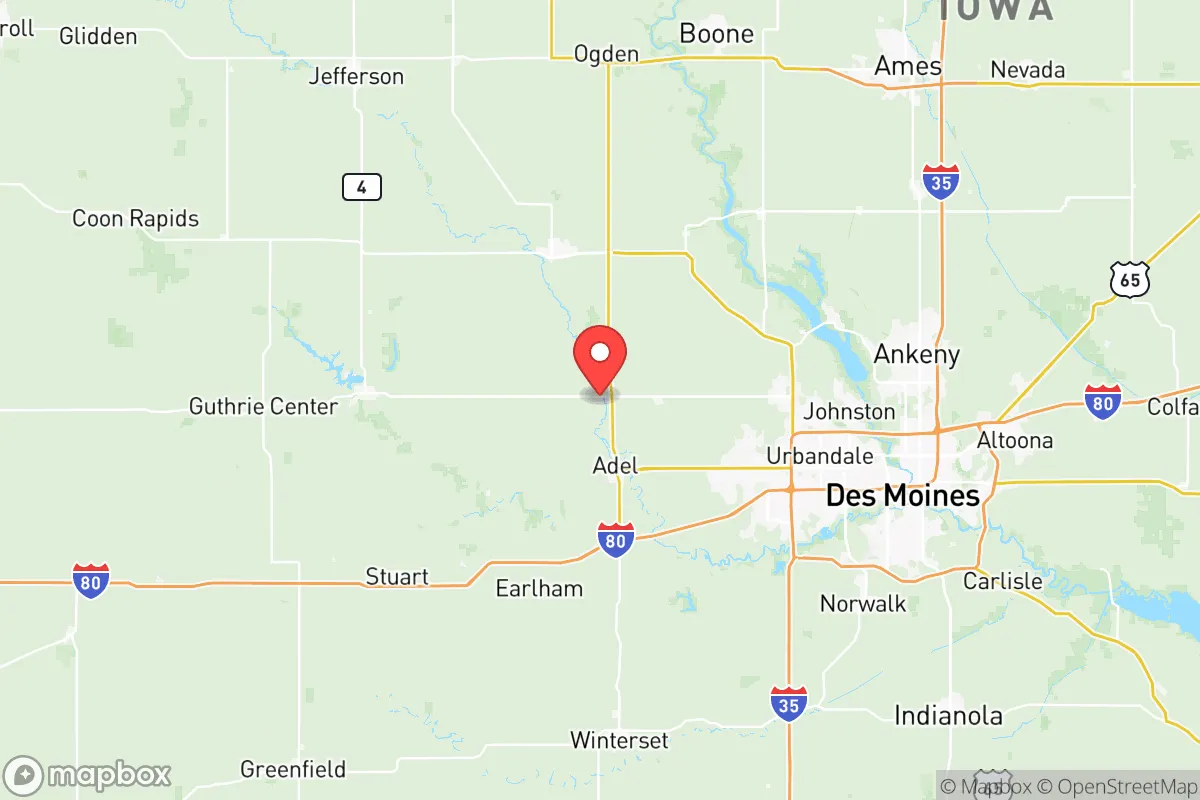
Dallas County, Iowa, offers a broad spectrum of quality-of-life options that range from the suburban, amenity-rich environment of its largest city, Waukee, to the quiet, agricultural rhythms of smaller communities like Adel, Van Meter, and rural unincorporated areas. The county’s character is defined by this contrast: it is one of the fastest-growing counties in Iowa, driven by Des Moines’ westward expansion, yet it retains deep-rooted small-town and farming traditions. People drawn to the county include young families seeking top-rated schools and new housing developments, professionals commuting to the state capital, and long-time residents who value slower-paced, land-based living.
Largest town(s) & population centers
Waukee is the county’s largest and most dynamic population center, with a population exceeding 25,000 and rapid growth fueled by its proximity to Des Moines. Daily life here revolves around new subdivisions, the bustling Waukee Marketplace retail corridor, and the highly regarded Waukee Community School District. The city’s Kettlestone and Shuler neighborhoods are popular with families, while the Waukee Trail system connects residents to parks and the Raccoon River Valley Trail. Adel, the county seat, is a smaller but significant hub (population ~6,000) with a historic downtown square, the Dallas County Courthouse, and a more traditional small-town feel. Van Meter (population ~1,500) is a tight-knit community known for its excellent school system and the nearby Van Meter State Park, offering outdoor recreation. These towns share a commute averaging just under 21 minutes to downtown Des Moines, making them practical for professionals.
Smaller towns & rural pockets
Beyond the main population centers, Dallas County contains several smaller incorporated towns and unincorporated rural areas that define its quieter side. De Soto (population ~1,050) is a classic Iowa farm town with a grain elevator and a strong sense of community, though it has seen some new housing development. Earlham (population ~1,450) sits in the county’s western portion and is known for its annual Earlham Sweet Corn Festival and a slower pace of life. Redfield (population ~800) is the county’s westernmost town, with a historic downtown and access to the Middle Raccoon River. Unincorporated areas like Dallas Center (technically a city but with a population under 1,800) and the rural countryside between these towns are characterized by corn and soybean fields, scattered farmsteads, and gravel roads. These areas offer privacy, land ownership, and a connection to agricultural heritage that is absent in the suburban eastern edge of the county.
Cost & lifestyle range
The cost of living and lifestyle options vary significantly across Dallas County. The county’s overall cost-of-living index of 111 (100 = U.S. average) is driven upward by the high-demand Waukee area, where median home values of $333,400 and median rents of $1,239 reflect the premium for new construction and school quality. In contrast, smaller towns like De Soto or Redfield often have lower home prices—sometimes 15-20% below the county median—and lower property taxes, though rental options are scarce. At the high end, Waukee’s West Lakes and Shuler neighborhoods feature homes exceeding $500,000 with access to trails, pools, and retail. At the low end, rural properties near Earlham or Redfield can be found for under $250,000, but with fewer nearby amenities and longer drives to grocery stores or healthcare. The average commute of 20.8 minutes is manageable across the county, though residents in western towns like Redfield face a 30-minute drive to Des Moines, while Waukee commuters often have a 15-minute trip.
This county is best suited for people who want a clear choice between suburban convenience and rural tranquility, all within a short drive of Iowa’s largest metro area. Families prioritizing schools and new housing will gravitate to Waukee or Van Meter; those seeking land, lower costs, and a slower pace will find a home in De Soto, Earlham, or the surrounding countryside. Dallas County’s strength is that it does not force a single lifestyle—it offers a genuine spectrum, from the edge of Des Moines’ sprawl to the heart of Iowa’s farm country.

Crime in Dallas County
Generally safer than 69% of comparable U.S. locations.
Violent CrimeViolent Crime Analysis
Property CrimeProperty Crime Analysis
Crime Analysis
Dallas County, Iowa, presents a safety profile that is notably more complex than its suburban reputation suggests, with property crime rates significantly exceeding both state and national averages even as violent crime remains comparatively low. The county, which includes the rapidly growing cities of Adel, Waukee, Clive, Grimes, and Perry, recorded a violent crime rate of 229.1 per 100,000 residents and a property crime rate of 1,163.4 per 100,000 in the most recent data. These figures place Dallas County in a middle tier for safety within the Des Moines metro area, where residents enjoy lower violent crime than Polk County but face property crime risks that are roughly 30% higher than the Iowa state average.
Crime in context
When compared to statewide and national benchmarks, Dallas County's violent crime rate of 229.1 per 100,000 is approximately 39% lower than the national average of roughly 380 per 100,000, and slightly below the Iowa state average of 240 per 100,000. This is a meaningful distinction: residents in communities like Waukee and Clive generally face a lower risk of homicide, aggravated assault, and robbery than those in many other parts of the country. However, the property crime rate of 1,163.4 per 100,000 tells a different story. This figure is roughly 30% higher than the Iowa state average of about 890 per 100,000 and approaches the national average of approximately 1,200 per 100,000. Theft, burglary, and motor vehicle theft are the primary drivers, with suburban retail corridors and newer housing developments in Grimes and Adel being frequent targets for property crime rings operating across the Des Moines metro.
What residents experience
For the typical Dallas County resident, the most tangible safety concern is property crime rather than violent confrontation. Police reports and community forums in Waukee and Clive frequently cite unlocked vehicle entries, package thefts from porches, and occasional garage burglaries as the most common incidents. Violent crime is far less routine, but it does concentrate in specific areas. Perry, the county's most diverse and economically challenged community, sees a disproportionate share of aggravated assaults and domestic violence calls relative to its population. The Dallas County Sheriff's Office and local police departments in Adel and Grimes have responded by increasing patrols in commercial districts and launching neighborhood watch programs, but the sheer volume of property crime—driven by easy highway access via I-80 and I-35—remains a persistent challenge. Residents should also be aware that the judicial philosophy of the district attorney's office, which operates under a progressive framework emphasizing diversion and rehabilitation over incarceration, has raised concerns among some community members. Critics argue that this approach, while well-intentioned, can result in repeat property offenders cycling through the system without meaningful consequences, undermining public confidence and leaving victims feeling underserved.
Neighborhood-level variation
Safety in Dallas County varies considerably by municipality and even by neighborhood within the same city. Waukee and Clive consistently report the lowest violent crime rates in the county, with many subdivisions seeing fewer than 50 violent incidents per 100,000 residents. In contrast, Perry experiences a violent crime rate that can exceed 400 per 100,000, driven largely by domestic disputes and alcohol-related altercations. Property crime is more evenly distributed but still shows patterns: newer developments near retail hubs in Grimes and Adel see higher rates of theft and burglary, while established neighborhoods with older housing stock in central Adel report fewer incidents. The unincorporated areas of the county, particularly rural stretches between Perry and Woodward, have the lowest overall crime rates but also the longest emergency response times. For prospective residents, choosing a home in a well-patrolled subdivision in Waukee or Clive offers the best statistical safety, while those considering Perry should be prepared for a higher baseline of property crime and occasional violent incidents.
* Values derived from national, state, county, city and local statistics and may differ in a specific area. Last updated: 2026-05-09T23:49:42.000Z
Narrative content on this page is AI-generated and may contain mistakes. Verify any details that matter before acting on them.
ReloMaps may earn a commission from affiliate links at no extra cost to you.

