
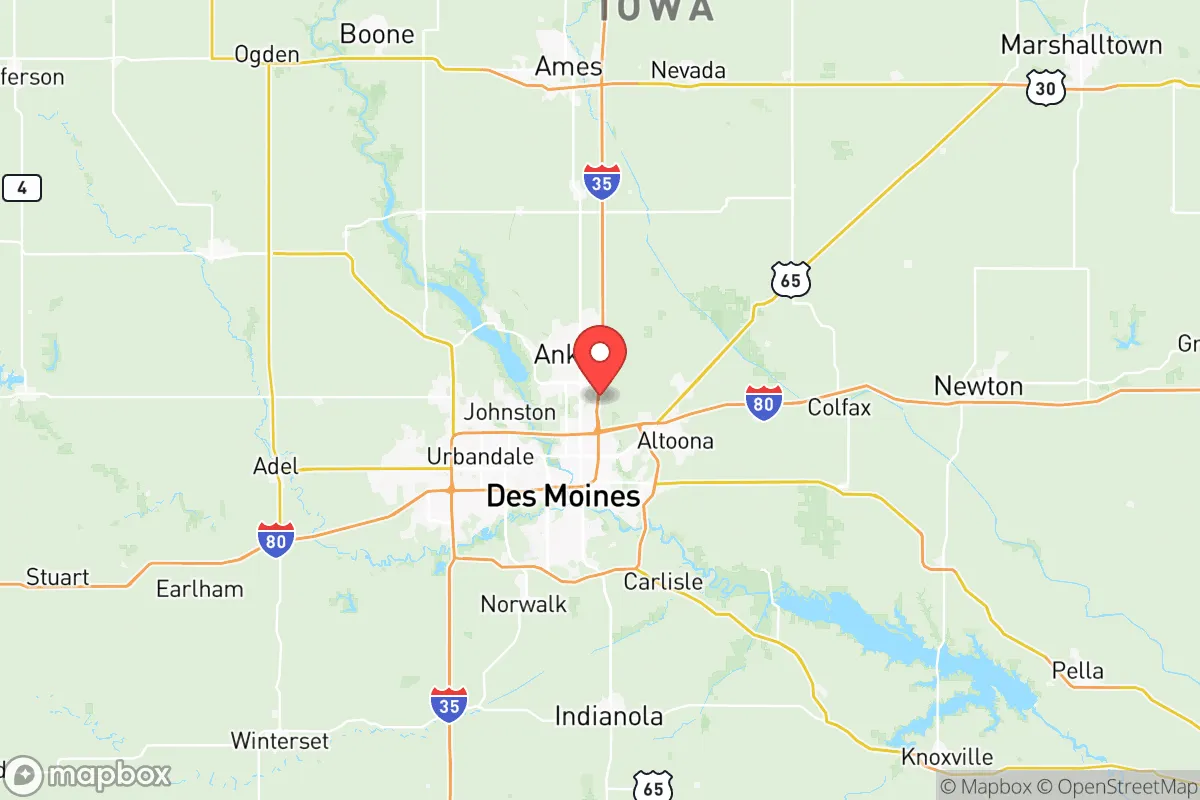
Photo: Wikipedia
Find The Best Places To Live in Polk County
PRO TIP! You can paste a Zillow or Redfin link to get info on that property.
Best Places to Live in Polk County
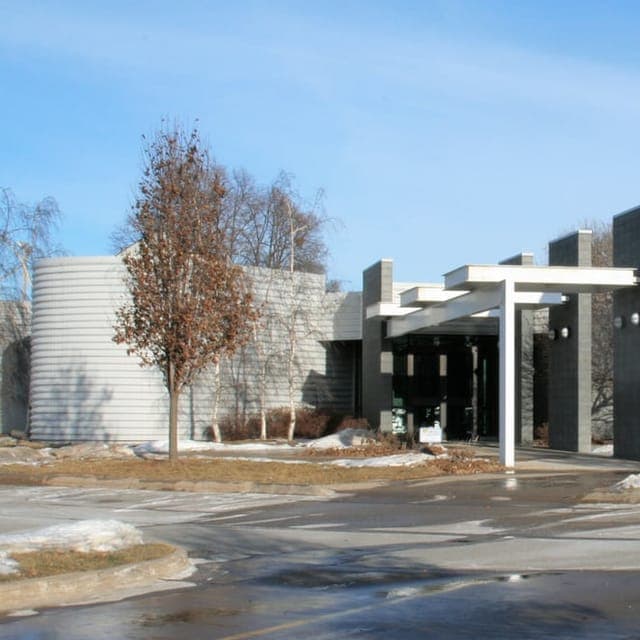
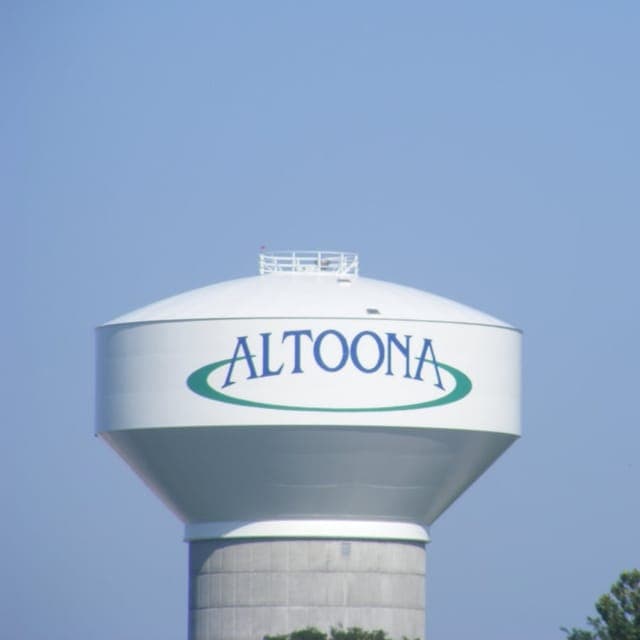
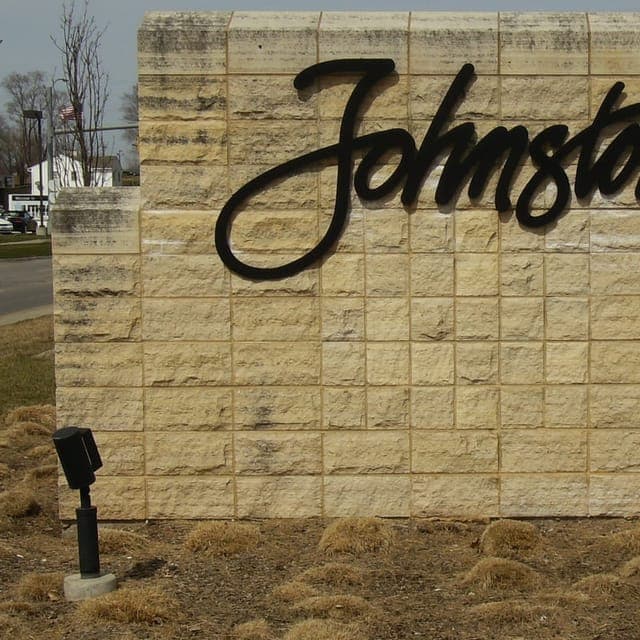
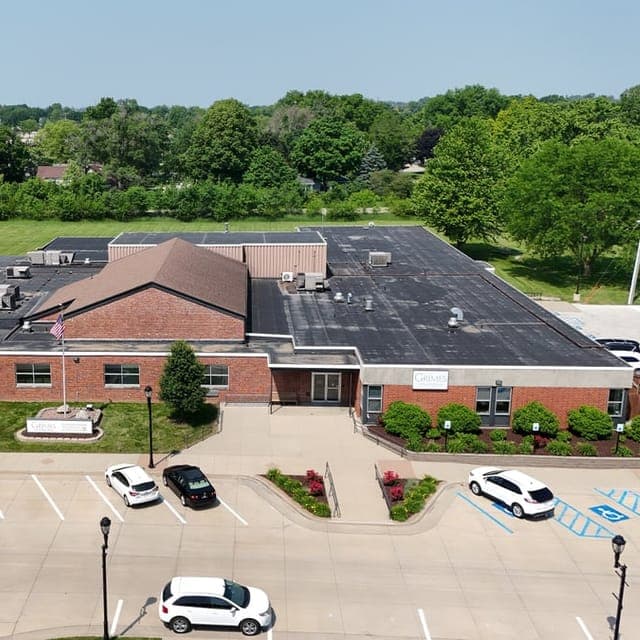
Cities & Towns in Polk County
Cities in Polk County
What It's Like Living in Polk County, IA
Polk County is the kind of place where you can grab a craft beer in Des Moines, watch a high school football game in Ankeny, and drive 20 minutes to hike the trails in rural Elkhart — all in the same day. It’s Iowa’s most populous county, but it doesn’t feel like a sprawling metro; instead, it’s a collection of distinct communities, each with its own personality, that together offer a balanced, family-oriented lifestyle. Whether you’re a single professional or a parent, the county’s mix of urban energy and small-town calm is its biggest draw.
Daily Rhythm: From Downtown Des Moines to Suburban Ankeny
For most people, daily life in Polk County revolves around a short commute — the average is just under 20 minutes, which means you can live in a quiet neighborhood in Johnston and still be at a downtown Des Moines office in 15 minutes. The county’s median age of 36.2 reflects a population that’s largely in the working-and-raising-kids stage, and that shows in the rhythms of the week. Weekday mornings see coffee shops in the East Village of Des Moines buzzing with remote workers, while afternoons bring parents to soccer fields in Waukee or the massive Ankeny Centennial High School campus for games and practices.
Shopping and errands are spread across the county, but the Jordan Creek Town Center in West Des Moines is the regional hub for retail and dining — think Apple stores and Cheesecake Factory alongside local spots like Fong’s Pizza in Des Moines for a unique crab rangoon pizza. Weekends often involve a trip to the Des Moines Farmers’ Market (one of the largest in the Midwest) or a hike at Jester Park in Granger, where you can kayak on Saylorville Lake. The cost of living index sits at 93, meaning everyday expenses like groceries and utilities are noticeably cheaper than the national average, which frees up money for weekend trips or saving for a home.
Sports & Community: Friday Night Lights and Statewide Pride
High school sports are a genuine cultural force here, not just a pastime. Ankeny and Waukee have some of the largest high schools in the state, and their football and basketball games regularly draw crowds of 5,000 or more. The Iowa High School State Wrestling Tournament at Wells Fargo Arena in Des Moines is a statewide event that fills the city with families for a week each February. For college sports, it’s all about the Iowa State Cyclones in Ames (30 minutes north) and the Iowa Hawkeyes in Iowa City (2 hours east), but many locals are also loyal to Drake University in Des Moines, especially for its men’s basketball team.
Pro sports are no major professional sports teams in Polk County, but the Iowa Cubs (Triple-A affiliate of the Chicago Cubs) play at Principal Park in Des Moines, offering affordable baseball with a view of the downtown skyline. The Des Moines Buccaneers (USHL hockey) also have a dedicated following. For a county of nearly 500,000 people, the sports scene is intimate — you’ll recognize faces at games, and that’s part of the appeal.
What’s There to Do: Festivals, Parks, and Local Hangouts
Entertainment in Polk County is surprisingly robust for a Midwestern county of this size. The Iowa State Fair in Des Moines is the headline event — 11 days of fried food, livestock shows, and concerts that draw over a million visitors each August. Beyond that, the 80/35 Music Festival in downtown Des Moines brings indie and national acts to Western Gateway Park, and the Altoona Fun City Festival celebrates the city’s historic amusement park roots. For outdoor enthusiasts, Brown’s Woods in West Des Moines offers 500 acres of hiking trails, while Big Creek State Park in Polk City is a go-to for fishing and camping.
Nightlife is concentrated in Des Moines’ East Village and Court Avenue District, where you’ll find speakeasies like The Lift and live music at Wooly’s. But smaller towns have their own charm — Bondurant has a popular annual BBQ competition, and Mitchellville hosts a classic car show every summer. The median home value of $248,400 means that even a single person on a median income of $81,621 can afford a decent house in most parts of the county, though prices are higher in desirable suburbs like West Des Moines and Waukee.
Pros and Cons of Living Here
Longtime residents love the balance: you get urban amenities without big-city headaches, and the schools (especially in Ankeny, Waukee, and Johnston) are consistently top-rated, which is a major draw for parents. The violent crime rate of 229.1 per 100,000 is below the national average, and most people feel safe walking downtown Des Moines at night. The weather, however, is a real trade-off. Winters are long and cold — expect several weeks of sub-zero wind chills — and summers can be humid, though the county’s many parks and pools help. Traffic is rarely a serious issue, but the I-35/I-80 interchange near downtown can get congested during rush hour.
What frustrates some locals is the lack of truly walkable neighborhoods outside of Des Moines’ core. Most of the county is car-dependent, and while the Des Moines Area Regional Transit Authority (DART) runs buses, it’s not a system you’d rely on for daily errands. Another quirk: the county’s 39.5% college-educated rate is solid but not elite, so while there are plenty of white-collar jobs in insurance and finance (Des Moines is a major hub for companies like Principal Financial and Wells Fargo), the social scene can feel a bit homogeneous. Still, for someone looking for a safe, affordable place with good schools and a genuine sense of community, Polk County delivers without the hype.

* Values derived from national, state, county, city and local statistics and may differ in a specific area. Last updated: 2026-05-19T05:11:42.000Z
Narrative content on this page is AI-generated and may contain mistakes. Verify any details that matter before acting on them.
ReloMaps may earn a commission from affiliate links at no extra cost to you.

