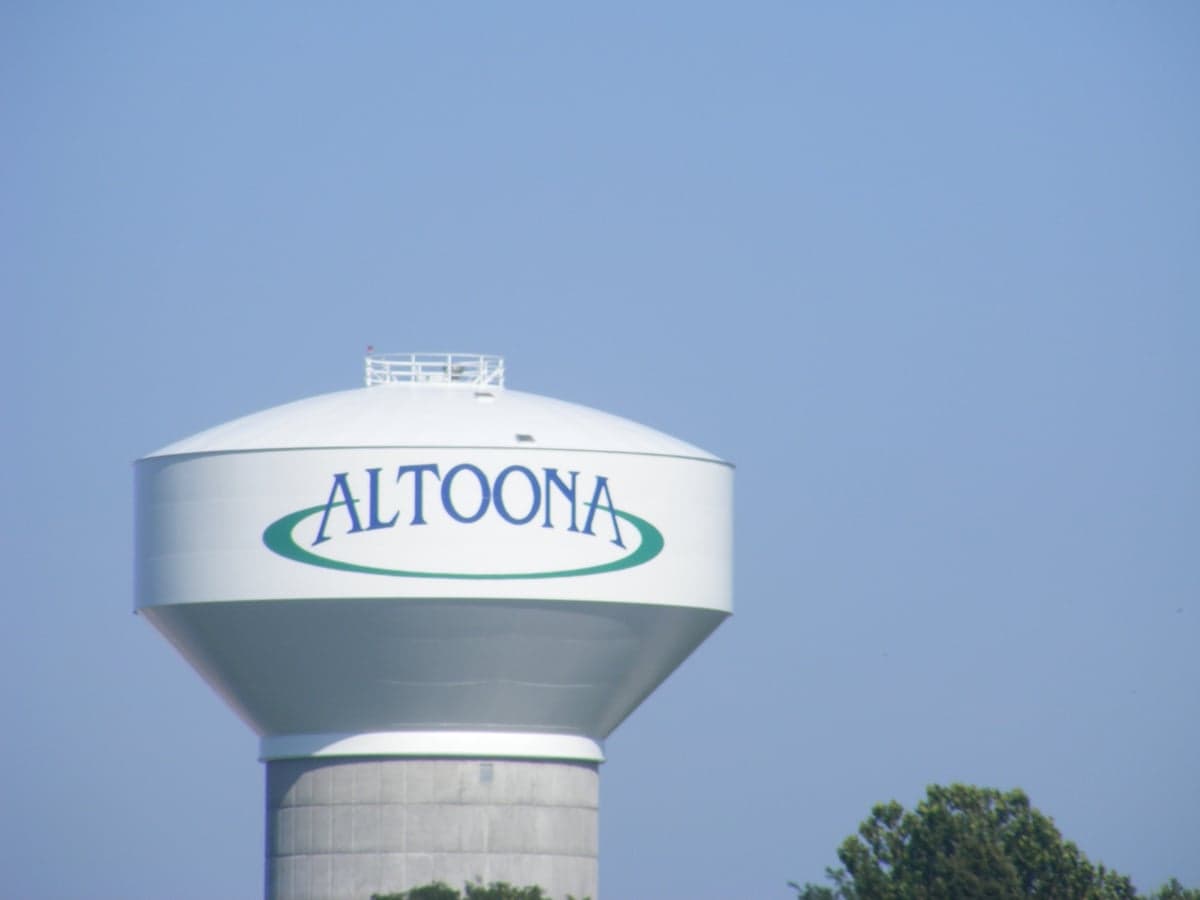
Photo: Wikipedia
Find The Best Places To Live
in Altoona
PRO TIP! You can paste a Zillow or Redfin link to get info on that property.
What It's Like Living in Altoona, IA
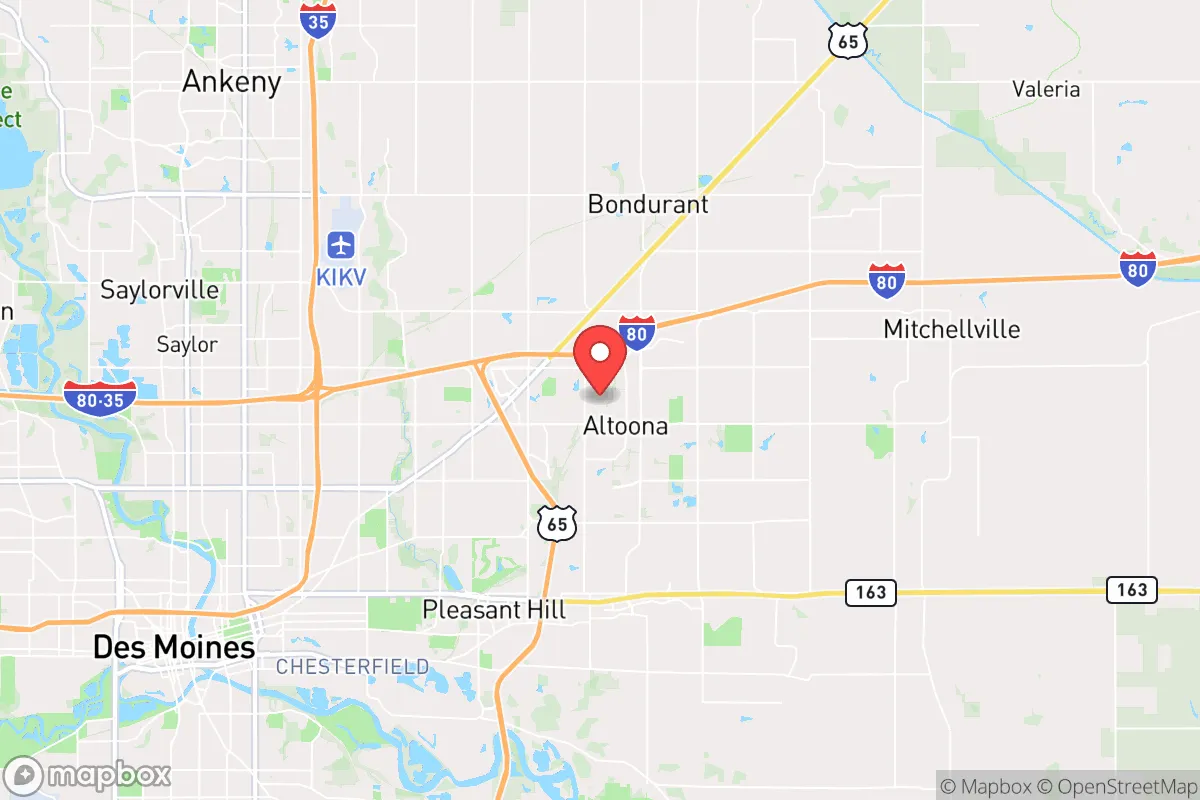
Altoona, Iowa, feels less like a suburb of Des Moines and more like its own small town that happens to have a killer amusement park in the backyard. With a population just over 20,500, it’s big enough to have its own identity—rooted in families, outdoor space, and a surprisingly strong local sports scene—but close enough to the capital that you can be downtown in 20 minutes. The median age here is 35.5, which tracks: this is a place where people settle down, buy a home (median value around $257,300), and raise kids, all while keeping a toe in the Des Moines job market.
Daily Rhythm: What Weekends and Weeknights Actually Look Like
Most mornings in Altoona start with a commute that averages about 23 minutes—short enough that you’re not losing your morning to traffic, but long enough that you’re probably driving into Des Moines or Ankeny for work. The local economy leans on logistics and retail (the Bass Pro Shops and the Adventureland complex are major employers), but plenty of residents work in insurance, finance, or healthcare in the metro. After work, the routine is often family-driven: kids’ soccer games at Altoona Campus, a quick dinner at Fong’s Pizza or Brick City Grill, or grabbing groceries at the Hy-Vee on 8th Street. Weekends are where Altoona shines. Prairie Ridge Sports Complex draws families for tournaments and casual walks, and the Altoona Farmers Market (summer Saturdays) is a genuine community hub—not a tourist trap. The cost of living index sits at 99, right at the national average, which means your dollar goes further here than in many Des Moines suburbs, especially on housing.
Sports, Entertainment, and the Adventureland Factor
Altoona’s identity is tied to Adventureland Park in a way that’s hard to overstate. It’s the summer anchor—roller coasters, the water park, and the annual Altoona Days festival in June that turns the whole town into a block party. But the sports culture runs deeper than the amusement park. High school athletics at Southeast Polk High School (which serves Altoona) are a big deal—Friday night football games draw crowds that rival small colleges, and the wrestling program is consistently among the best in the state. For pro sports, it’s all about the Iowa Cubs (Triple-A baseball) and the Iowa Wild (AHL hockey), both a short drive into Des Moines. There’s no major pro team in town, but the proximity means you’re never more than 20 minutes from a game. For music and nightlife, you’re mostly heading to Des Moines—the Wooly’s and Val Air Ballroom are the go-to venues—but Altoona has its own low-key spots like The Keg Stand and Whiskey River for a quieter night out.
Who Fits In—and Who Might Struggle
Altoona works best for people who want a predictable, family-oriented life with easy access to city amenities. The median household income of $87,123 supports a comfortable middle-class lifestyle—think newer subdivisions, two-car garages, and annual trips to Adventureland season passes. About 32.6% of adults hold a college degree, which is slightly below the national average but reflects the area’s mix of white-collar commuters and blue-collar tradespeople. The kind of person who thrives here is someone who values space and safety over urban buzz. The violent crime rate of 183.9 per 100,000 is notably lower than the national average, and residents will tell you they feel comfortable letting kids ride bikes to the park. That said, if you’re single and under 30, you might find the social scene limited—most evening activity revolves around families, and the dating pool skews young married or divorced parents. Nightlife is sparse; you’ll be driving to Des Moines for anything beyond a bar with a pool table.
Pros and Cons of Living in Altoona
- Pro: Housing affordability. At $257,300, the median home value is well below Des Moines suburbs like West Des Moines or Ankeny, and you get newer construction in planned communities like Lakeland and Hickory Ridge.
- Pro: Outdoor access. The High Trestle Trail runs through town, offering 25 miles of paved biking and walking, and Big Creek State Park is 15 minutes north for fishing and hiking.
- Pro: Low commute stress. Traffic is minimal except during Adventureland events, and the 23-minute average commute is realistic even for downtown Des Moines workers.
- Con: Limited local employment. Most higher-paying jobs require a drive; Altoona itself is heavy on retail, hospitality, and logistics.
- Con: Summer tourist crush. Adventureland brings crowds and traffic to 8th Street and Highway 65 from June through August, which locals find annoying.
- Con: Cultural thinness. No independent movie theater, no live music venue, and few sit-down restaurants that aren’t chains. You’ll rely on Des Moines for anything beyond casual dining.
Weather, Schools, and the Seasonal Rhythm
Iowa weather is a four-season reality check. Summers are humid and hot (90°F is common), winters are cold and snowy (expect several weeks below freezing), and spring and fall are short but gorgeous. The school system—Southeast Polk Community School District—is a major reason families choose Altoona. It’s well-regarded, with strong extracurriculars and a community that shows up for school events. The district’s bond issues and facility upgrades are regular topics at city council meetings, which tells you how central education is to local identity. Seasonal rhythms here are predictable: fall means high school football and apple picking at Center Grove Orchard in nearby Cambridge, winter is for indoor sports and Hy-Vee runs, spring brings baseball and yard work, and summer is all about Adventureland and the farmers market. It’s not a flashy life, but for the people who live here, that’s exactly the point.

Similar towns to Altoona
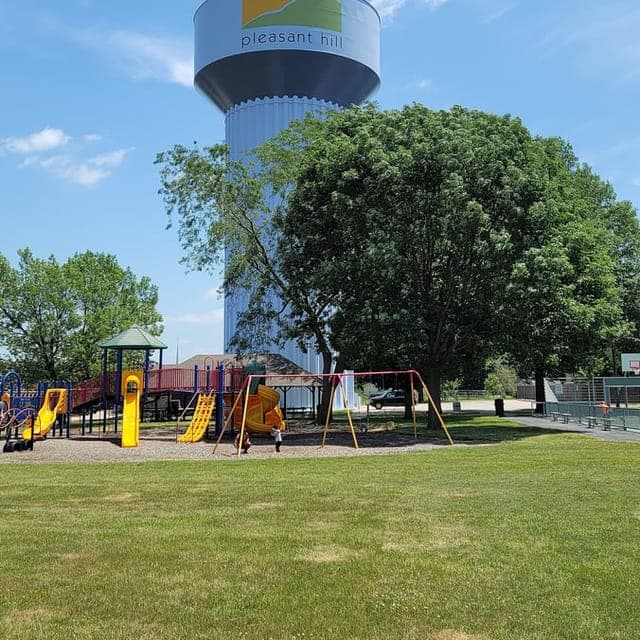

* Values derived from national, state, county, city and local statistics and may differ in a specific area. Last updated: 2026-04-21T07:16:35.000Z
Narrative content on this page is AI-generated and may contain mistakes. Verify any details that matter before acting on them.
ReloMaps may earn a commission from affiliate links at no extra cost to you.

