Photo: Wikipedia
Quality of Life in Jackson, WY
A high quality of life with strong walkability, manageable living costs, healthy neighborhood signals, and solid amenity access.
What does Quality of Life tell us?
Quality of Life blends cost of living, nearby amenities, socioeconomic signals, and neighborhood character. City-level scores represent the whole municipality; individual neighborhoods can differ.
What does this tell us?
Quality of Life blends cost of living, nearby amenities, socioeconomic signals, and neighborhood character. City-level scores represent the whole municipality; individual neighborhoods can differ.
Cost of Living
176% above national average
The Real Cost of Living in Jackson, WY for 2026
| Tier | Individual | Family (4) |
|---|---|---|
| Survival | $32k | $59k |
| Comfortable | $166k | $244k |
| Luxury | $203k+ | $315k+ |
| Elite (Top 5%) | $286k+ | $443k+ |
46%
The Area Signal
A metric tracking the socioeconomic signals of the area.
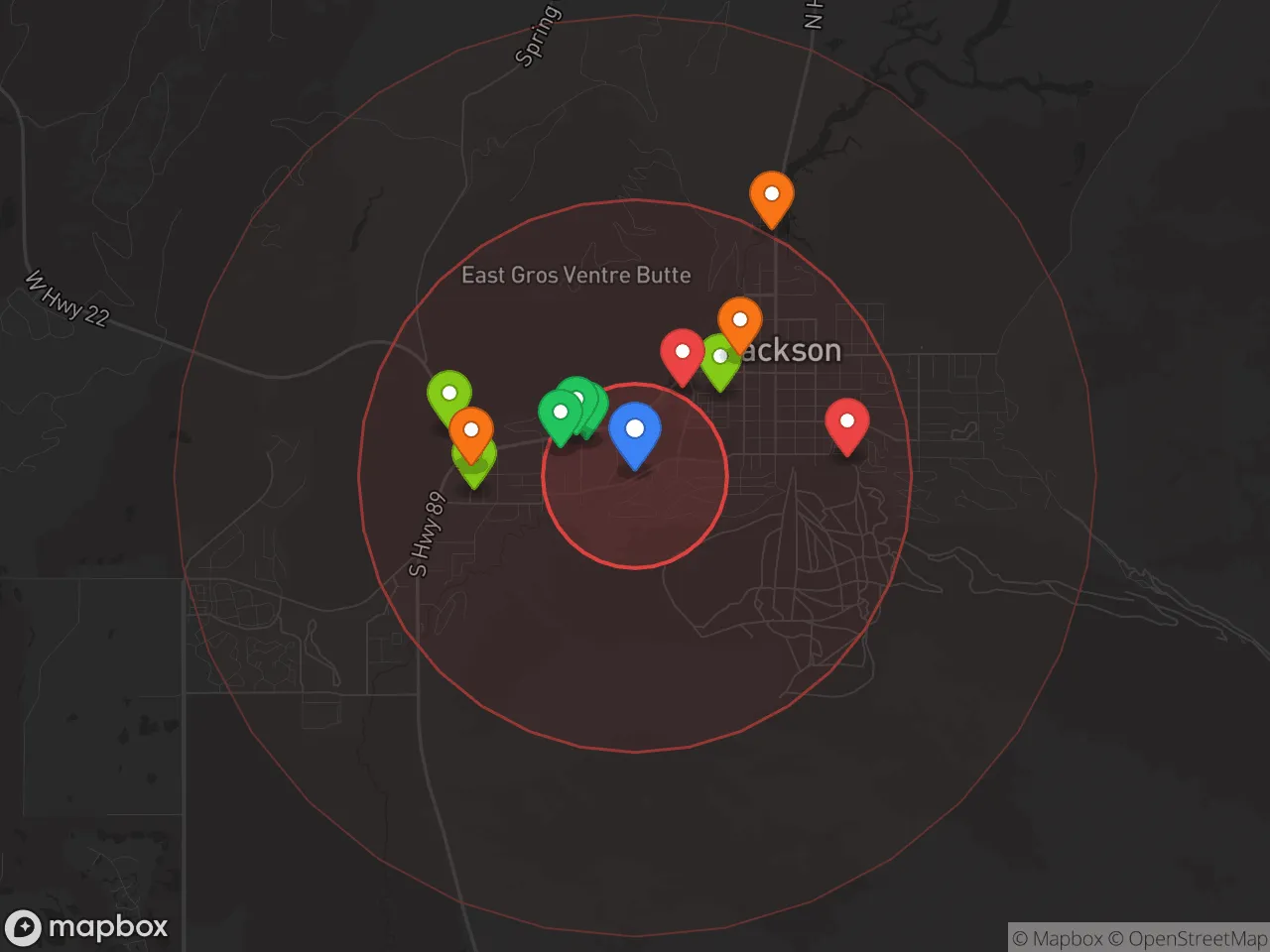
Hobbies
Explore the areaGroceries
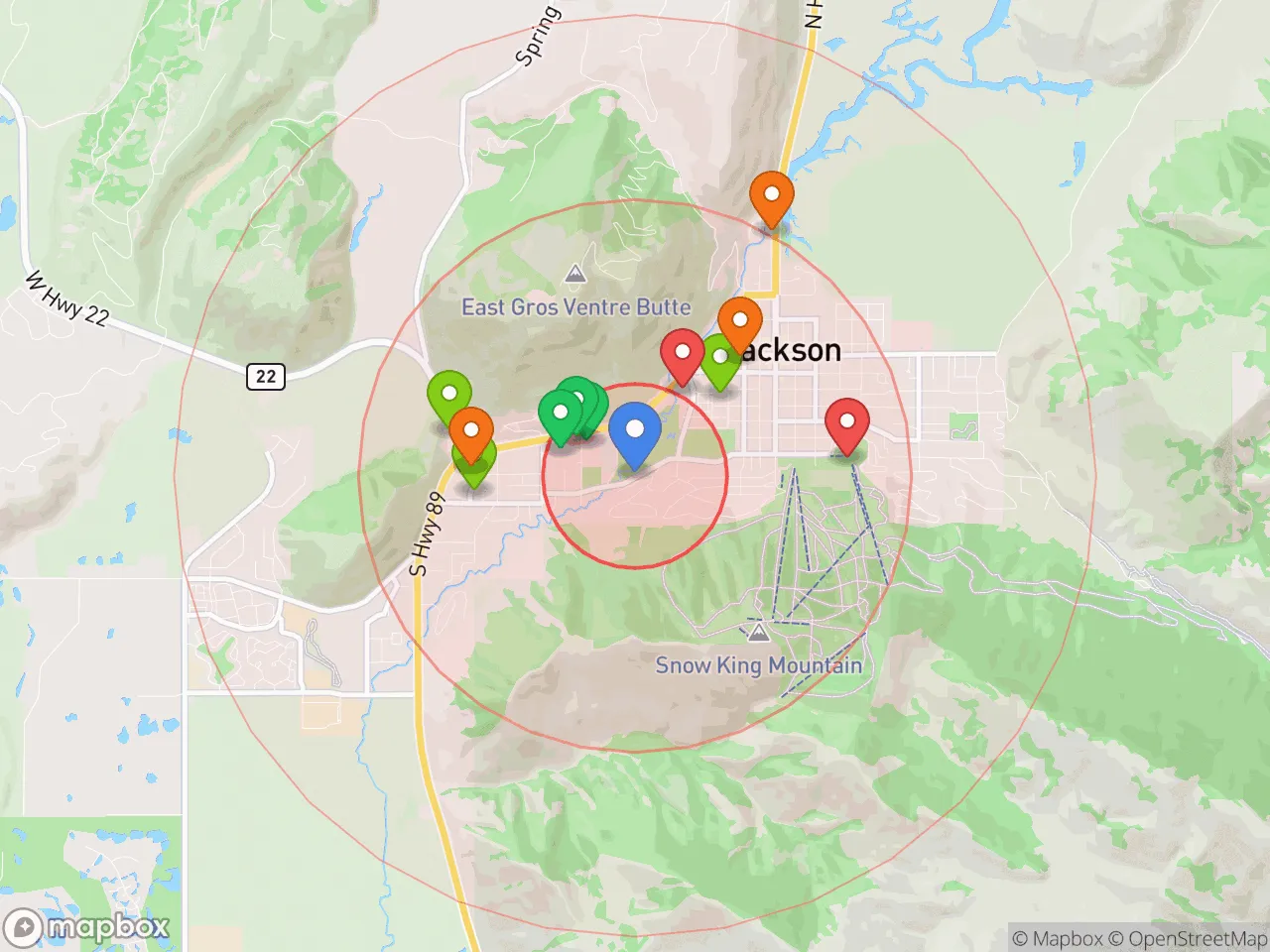
3 within 10 miles
Gas
9 within 10 miles
Hospital
2 within 20 miles
Airport
SLC — Salt Lake City International
Post Office
USPS — Jackson, WY
Critical Amenities
Quality-of-Life Analysis
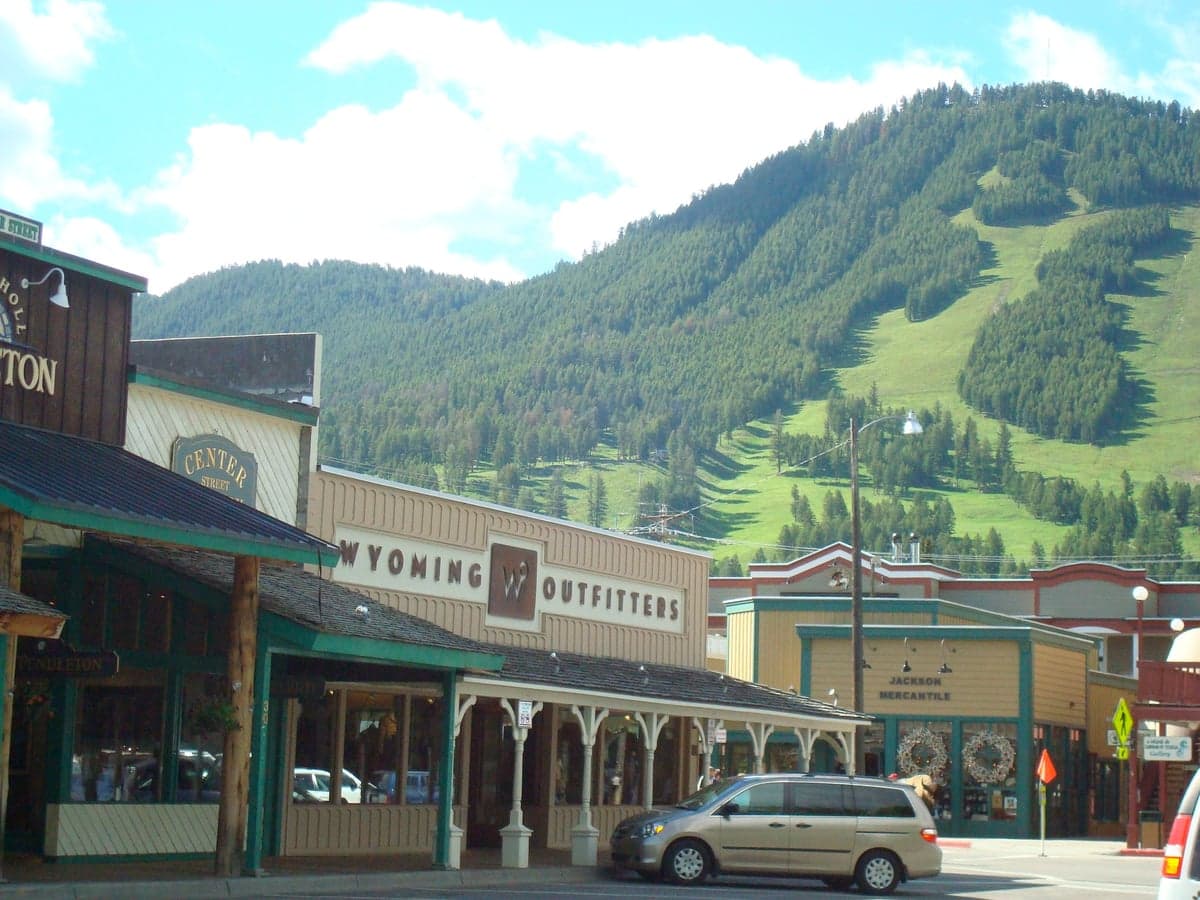
Jackson, Wyoming, is one of the most affluent small towns in the United States, defined by a unique demographic blend of ultra-high-net-worth second-home owners, seasonal service workers, and year-round outdoor professionals. With a cost of living index of 276 (nearly three times the national average), the town’s economy is driven by luxury tourism, real estate investment, and the adjacent Teton Village ski resort, creating a stark economic divide between those who own property and those who rent. The permanent population of roughly 10,000 swells to over 30,000 during peak winter and summer seasons, giving the town a transient, resort-town character where daily life revolves around Grand Teton and Yellowstone National Parks.
Cost of living, housing affordability, and how Jackson compares to nearby towns
Jackson’s housing market is among the most expensive in the Rocky Mountain region, with a median home value of $1,228,700—roughly 20 times the national median. This figure places Jackson well above nearby resort communities like Driggs, Idaho (median ~$650,000) and Victor, Idaho (median ~$700,000), where many Jackson workers commute from to find affordable single-family homes. Median rent in Jackson sits at $1,975, which, while high, is often below market rate for available units due to a severe shortage of long-term rentals; many service-industry employees pay $1,200–$1,500 for a shared room or basement apartment. The average commute time of 18.5 minutes is deceptively low because most workers live within Teton County, but those commuting from Idaho face a 45–60 minute drive over Teton Pass, which closes frequently in winter. Groceries and utilities in Jackson also run 30–50% above national averages, driven by the remote mountain location and limited supply chains. For comparison, the nearby town of Pinedale, Wyoming, offers a cost of living index around 110, but lacks Jackson’s job market and cultural amenities.
Amenities, schools, and what daily life is like for families and professionals
Daily life in Jackson is shaped by immediate access to world-class outdoor recreation: residents can ski at Jackson Hole Mountain Resort, snowmobile in the Bridger-Teton National Forest, or hike in Grand Teton National Park within 15 minutes of downtown. The town’s public schools, part of Teton County School District #1, are well-funded and consistently rank among Wyoming’s top 10, with Jackson Hole High School offering Advanced Placement courses and a strong outdoor education program. However, the school system faces challenges with teacher retention due to housing costs—many educators commute from Idaho or live in subsidized workforce housing. Cultural amenities include the National Museum of Wildlife Art, the Jackson Hole Center for the Arts, and a vibrant summer music festival scene at the Teton Village. The town’s walkable Town Square, with its iconic elk-antler arches, serves as a social hub, but the rhythm of daily life is heavily seasonal: summer brings crowded trails and restaurant wait times, while winter offers quieter streets and deep powder skiing. Healthcare is provided by St. John’s Health, a critical-access hospital with a Level III trauma center, though residents needing specialized care often travel 90 minutes to Idaho Falls or 5 hours to Salt Lake City.
Jackson is best suited for high-income professionals, remote workers with six-figure salaries, and retirees who can afford the housing premium, as well as seasonal workers willing to accept high rent for unmatched outdoor access. Families with school-age children will find excellent schools but must budget carefully for housing, often choosing to live in workforce housing developments like the recently expanded 45-unit Rafter J subdivision. Those who thrive here are typically self-sufficient, comfortable with seasonal tourism crowds, and prioritize proximity to wilderness over urban conveniences like shopping malls or diverse dining options. For anyone earning less than $80,000 annually, Jackson presents significant financial strain, making nearby Idaho communities a more realistic base for accessing the same natural amenities.

Crime in Jackson, WY
Lower crime rates than 85% of comparable U.S. locations.
Violent CrimeViolent Crime Analysis
Property CrimeProperty Crime Analysis
Crime Analysis
Jackson, Wyoming, presents a notably low violent crime rate of 178.3 incidents per 100,000 residents, a figure well below the national average and consistent with the town's reputation as a safe, family-oriented destination. However, property crime, at 563.2 per 100,000, is a more significant concern, particularly for seasonal residents and those living near the high-traffic tourist corridor. The overall safety picture is one of a generally secure community where residents and visitors should remain vigilant against theft and vehicle break-ins, especially during peak tourism months.
Crime in context
Jackson’s violent crime rate is roughly half the national average, making it one of the safer communities in Teton County and the state of Wyoming. The property crime rate, while moderate, is slightly elevated compared to the state average, driven largely by the transient tourist population and the high value of goods (e.g., outdoor gear, vehicles) left unattended. It is important to note that Teton County, like many resort communities, operates within a broader state legal framework that is generally conservative. However, local judicial and prosecutorial decisions can vary. In jurisdictions where progressive or lenient policies are adopted—such as reduced bail, diversion programs for property offenders, or a focus on rehabilitation over incarceration—the result can be a higher recidivism rate and more criminals on the street. This directly impacts public safety by reducing deterrence and increasing the likelihood that repeat offenders will victimize residents and visitors again. Jackson residents should be aware of any local shifts toward such policies, as they can undermine the otherwise low violent crime statistics.
What residents experience
For most residents, daily life in Jackson feels very safe. Walking downtown, using the town’s extensive trail system, and leaving doors unlocked in residential neighborhoods are common practices. The most frequent safety complaints involve theft from vehicles, bicycle theft, and occasional vandalism in areas with high tourist foot traffic, such as the Town Square and the base of Snow King Mountain. Seasonal workers and renters in multi-unit housing may experience a slightly higher risk of property crime. The presence of the Teton County Sheriff’s Office and the Jackson Police Department is visible, and community policing is effective. However, the transient nature of the workforce and the high volume of visitors mean that property crime can feel more opportunistic and persistent than in a more stable, non-tourist town of similar size.
Neighborhood-level variation
Crime in Jackson is not evenly distributed. The safest areas are the established residential neighborhoods like East Jackson, the Rafter J subdivision, and the Melody Ranch area, where property crime is rare and violent crime virtually nonexistent. The highest concentration of property crime occurs in the downtown core, the area around the Jackson Hole Airport, and the rental-heavy neighborhoods near the base of Snow King. The town’s affordable housing complexes and seasonal worker dormitories can see elevated rates of theft and occasional disturbances. For those considering a move, choosing a home in a quieter, owner-occupied neighborhood away from the main tourist routes provides the greatest security. Overall, Jackson remains a very safe place to live, but the property crime dynamic—and the potential for lenient justice policies to worsen it—is the primary factor to monitor.
* Values derived from national, state, county, city and local statistics and may differ in a specific area. Last updated: 2026-04-21T11:34:32.000Z
Narrative content on this page is AI-generated and may contain mistakes. Verify any details that matter before acting on them.
ReloMaps may earn a commission from affiliate links at no extra cost to you.

