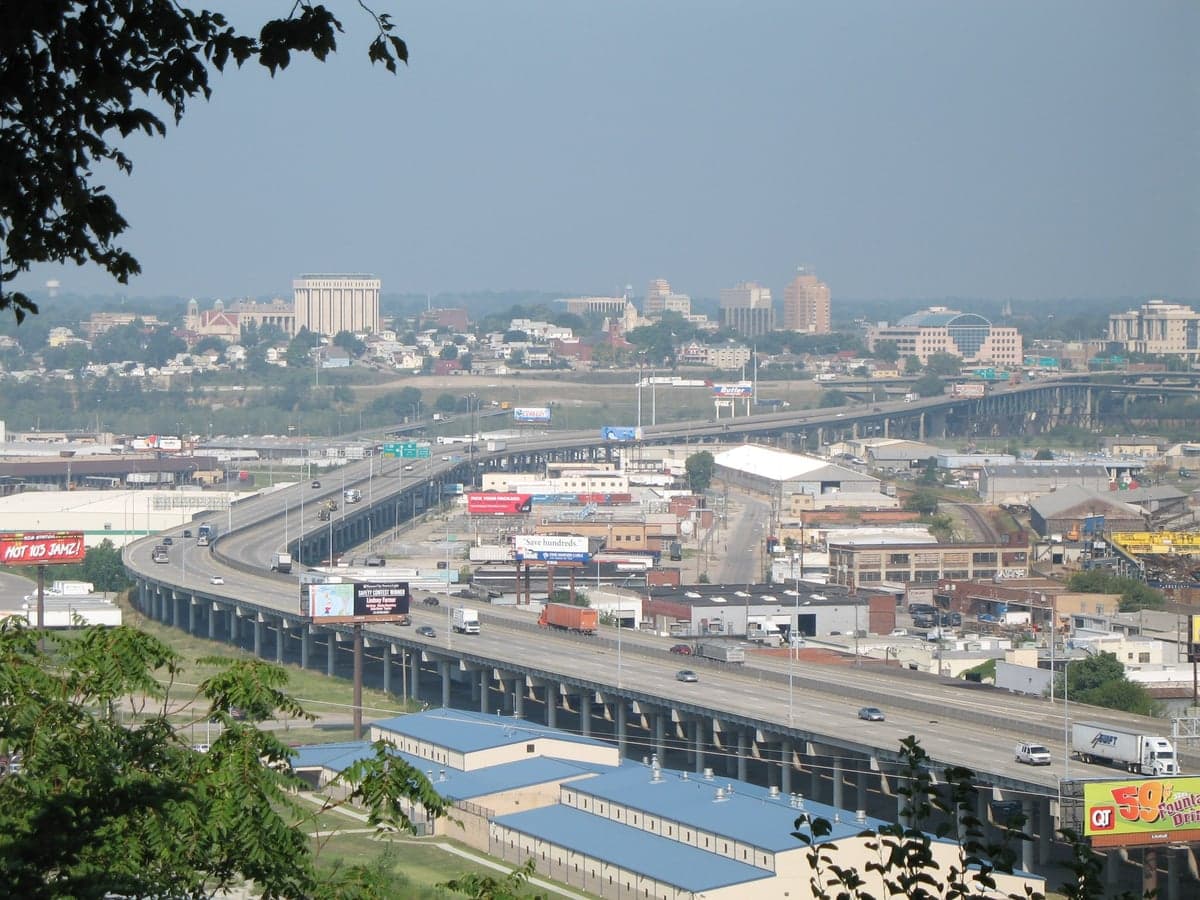
Photo: Wikipedia
Quality of Life in Kansas City, KS
Above-average quality of iife. The area offers a reasonable cost of living, decent mobility, and a mix of neighborhood amenities.
What does Quality of Life tell us?
Quality of Life blends cost of living, nearby amenities, socioeconomic signals, and neighborhood character. City-level scores represent the whole municipality; individual neighborhoods can differ.
What does this tell us?
Quality of Life blends cost of living, nearby amenities, socioeconomic signals, and neighborhood character. City-level scores represent the whole municipality; individual neighborhoods can differ.
Cost of Living
24% below national average
The Real Cost of Living in Kansas City, KS for 2026
| Tier | Individual | Family (4) |
|---|---|---|
| Survival | $17k | $32k |
| Comfortable | $29k | $42k |
| Luxury | $93k+ | $144k+ |
| Elite (Top 5%) | $109k+ | $169k+ |
141%
The Area Signal
A metric tracking the socioeconomic signals of the area.
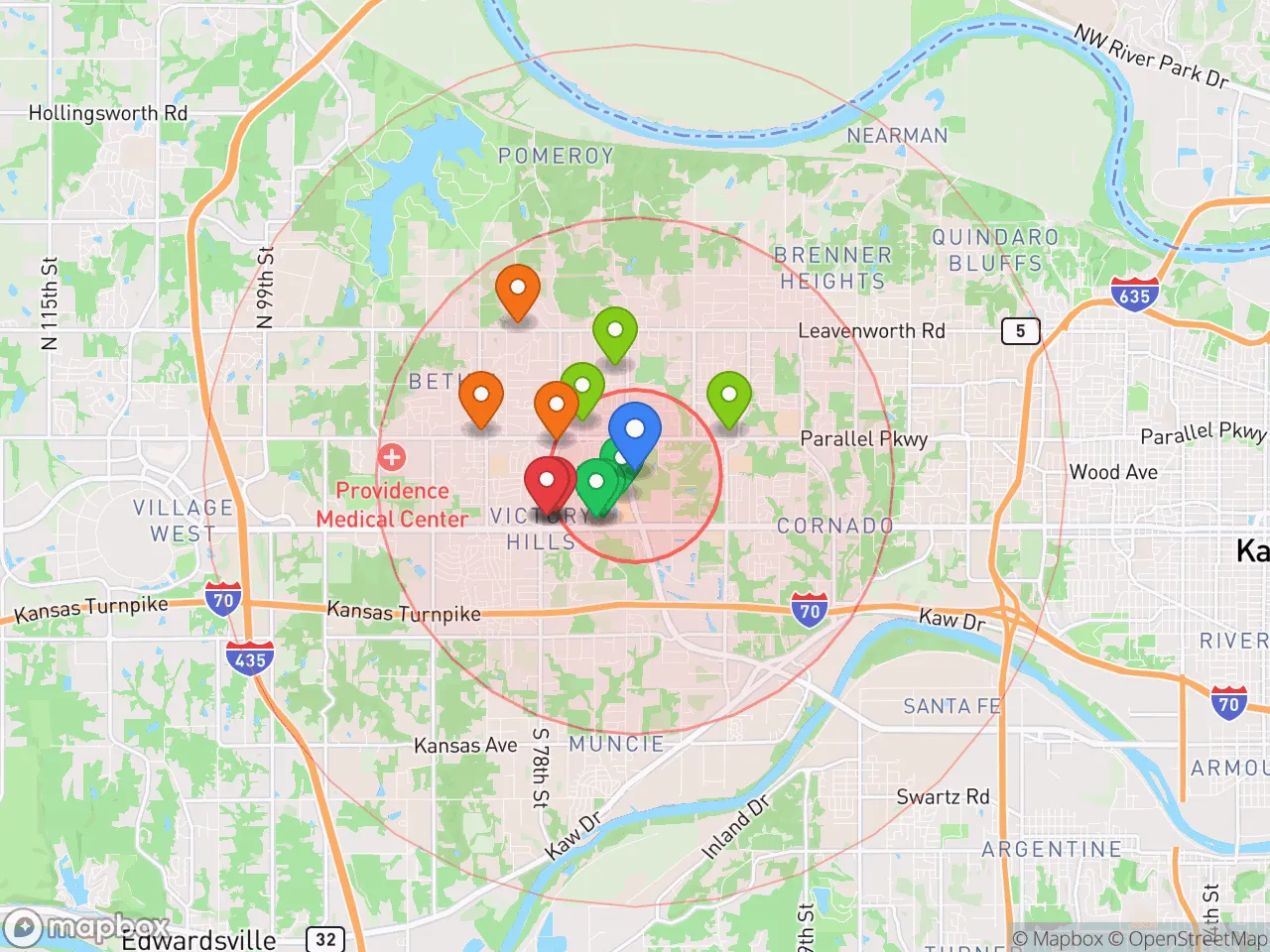
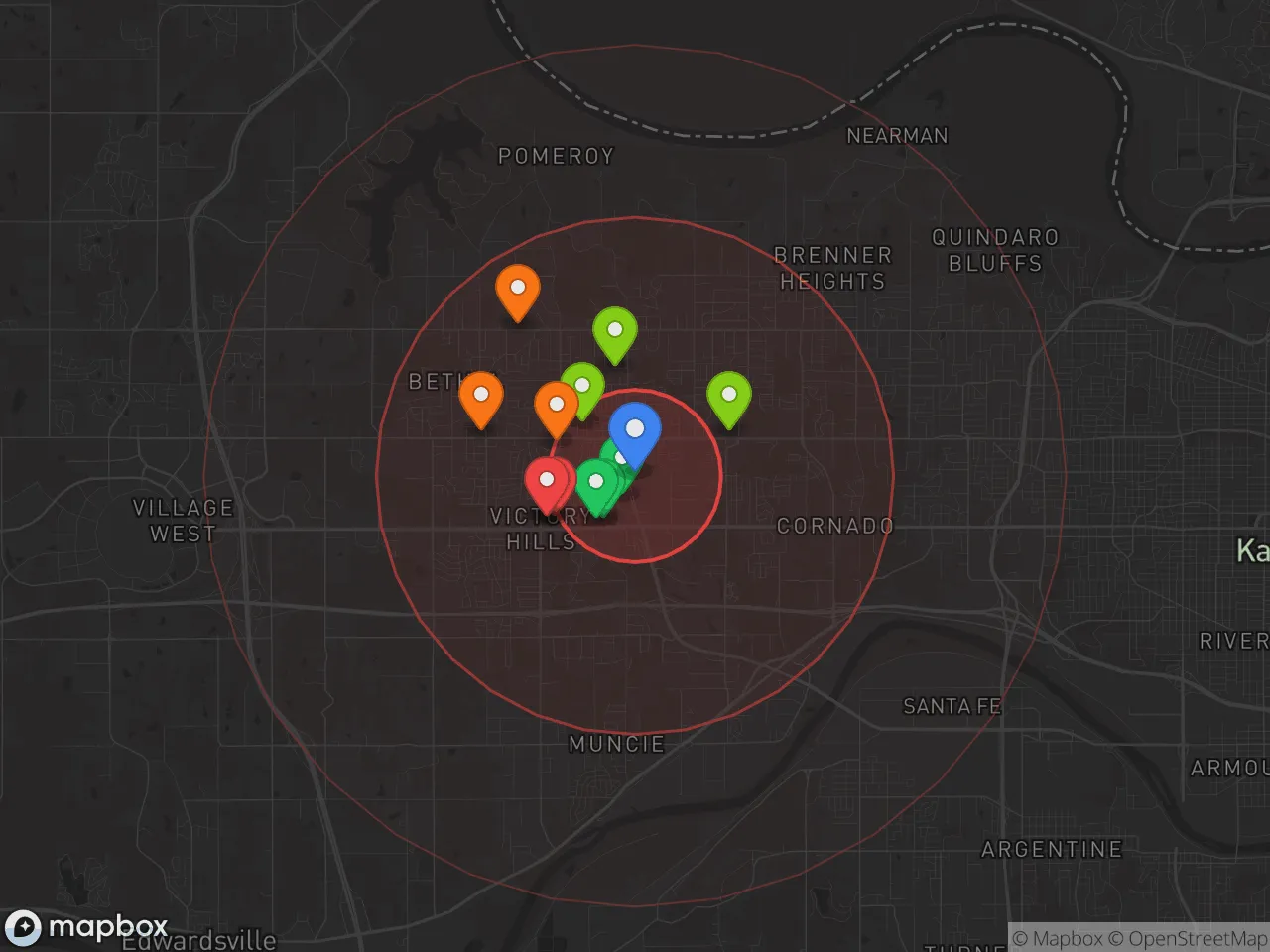
Hobbies
Explore the areaGroceries
7 within 10 miles
Gas
20 within 10 miles
Hospital
20 within 20 miles
Airport
MCI — Kansas City International
Post Office
USPS — Kansas City, KS
Critical Amenities
Quality-of-Life Analysis
Kansas City, Kansas, offers a notably affordable quality of life that attracts a mix of working-class families, first-time homebuyers, and long-term residents seeking lower costs without sacrificing urban access. With a cost of living index of 76 (24% below the national average), the city provides a financial cushion that is increasingly rare in the broader Kansas City metro area. The population skews younger and more diverse than the national average, with a strong sense of community in neighborhoods like Strawberry Hill and Argentine, where generations of families have settled.
Cost of living, housing, and affordability compared to nearby areas
Housing is the primary driver of KCK's affordability advantage. The median home value sits at $147,100, roughly half the median in neighboring Johnson County, Kansas, and significantly below the Kansas City, Missouri, median of around $230,000. Median rent is $1,073, making it one of the most budget-friendly rental markets in the entire metro area. For comparison, a similar apartment in Overland Park or Leawood typically rents for $1,400–$1,800. The average commute time of 22 minutes is shorter than the national average of 26 minutes, meaning residents save both money and time getting to jobs in downtown Kansas City, MO, or the industrial and logistics hubs along I-70 and I-635. Property taxes in Wyandotte County are moderate, and the overall tax burden is lower than in Missouri-side suburbs, though sales taxes are higher due to local levies supporting the Unified Government.
What daily life is like for families: schools, parks, and local amenities
Daily life in KCK revolves around a mix of established neighborhoods, growing retail corridors, and significant public investments. The Kansas City, Kansas Public Schools (KCKPS) serve the city, with magnet programs at Sumner Academy and Wyandotte High School drawing families from across the district. For younger children, the city operates numerous community centers and the popular Kansas City Kansas Public Library system. Outdoor recreation centers on Wyandotte County Lake Park, which offers hiking, fishing, and a 400-acre lake, and the nearby Legends Outlets Kansas City shopping and entertainment district in the Village West area. The Children's Mercy Park soccer stadium, home to Sporting KC, and the Kansas Speedway anchor a major sports and entertainment zone that draws visitors from across the region. Grocery access is improving, with new stores opening in formerly underserved areas, though some neighborhoods still rely on smaller markets. The city's rhythm is quieter than downtown Kansas City, MO, but more active than rural Wyandotte County, with a growing food scene centered on local taquerias and barbecue joints.
Kansas City, Kansas, is best suited for budget-conscious buyers and renters who want proximity to a major metro without the premium prices of Johnson County or midtown Kansas City, MO. It works well for families who prioritize affordability and community roots over top-tier school rankings, and for workers in logistics, manufacturing, or healthcare who want a short commute. Those seeking high-end retail, nationally ranked schools, or a vibrant nightlife may find the city too quiet, but for residents who value a low cost of living, a 22-minute commute, and a diverse, established community, KCK offers a solid, practical quality of life.

Crime in Kansas City, KS
Higher crime rates than 74% of comparable U.S. locations.
Violent CrimeViolent Crime Analysis
Property CrimeProperty Crime Analysis
Crime Analysis
Kansas City, Kansas (KCK) presents a significant public safety challenge, with violent and property crime rates that substantially exceed both state and national averages. The city recorded a violent crime rate of 805.4 incidents per 100,000 residents and a property crime rate of 2,613.9 per 100,000 in the most recent reporting period. These figures place KCK among the higher-crime jurisdictions in the Kansas City metropolitan area, a region where progressive prosecutorial policies in nearby Wyandotte County have been a point of concern for residents prioritizing safety.
Crime in context
To understand the severity of KCK's crime landscape, comparison to broader benchmarks is essential. The national violent crime rate hovers around 380 per 100,000, meaning KCK's rate is more than double the U.S. average. The Kansas state violent crime rate is approximately 410 per 100,000, making KCK's figure nearly twice the state level as well. Property crime in KCK is similarly elevated, with the rate of 2,613.9 per 100,000 far exceeding the national average of roughly 1,950 per 100,000. These disparities are not merely statistical; they reflect real-world risks that potential residents must weigh. The presence of a progressive district attorney's office in Wyandotte County, which has implemented policies such as reduced cash bail and diversion programs for certain offenses, is a factor many analysts link to the area's elevated crime rates, as such approaches can reduce the deterrent effect of prosecution and lead to higher recidivism.
What residents experience
For those living in KCK, the high crime rates translate into tangible daily concerns. Violent offenses, including aggravated assault, robbery, and homicide, occur with troubling frequency, particularly in certain neighborhoods. Property crimes such as burglary, motor vehicle theft, and larceny are pervasive, with residents often reporting incidents of package theft, vehicle break-ins, and home burglaries. The city's law enforcement, the Kansas City Kansas Police Department, works to address these issues, but the sheer volume of calls and the challenges of community policing in a high-crime environment strain resources. The progressive judicial philosophy in the county, which emphasizes rehabilitation over incarceration for many non-violent and even some violent offenders, means that individuals arrested for these crimes may face minimal consequences, contributing to a cycle of re-offending that directly impacts public safety and victim satisfaction.
Neighborhood-level variation
Safety in KCK is not uniform across the city. Areas like the Strawberry Hill and Rosedale neighborhoods, closer to the Missouri state line and the University of Kansas Medical Center, tend to have lower crime rates due to higher property values and more community investment. In contrast, neighborhoods in the central and eastern parts of the city, such as Piper and parts of Argentine, experience higher concentrations of violent and property crime. Prospective residents should research specific block-level data through the KCKPD crime mapping tool and consider visiting neighborhoods at different times of day to gauge safety. The influence of progressive prosecutorial policies is felt county-wide, but its impact on crime is most acute in areas with lower socioeconomic resources and less community cohesion.
* Values derived from national, state, county, city and local statistics and may differ in a specific area. Last updated: 2026-04-30T00:39:22.000Z
Narrative content on this page is AI-generated and may contain mistakes. Verify any details that matter before acting on them.
ReloMaps may earn a commission from affiliate links at no extra cost to you.

