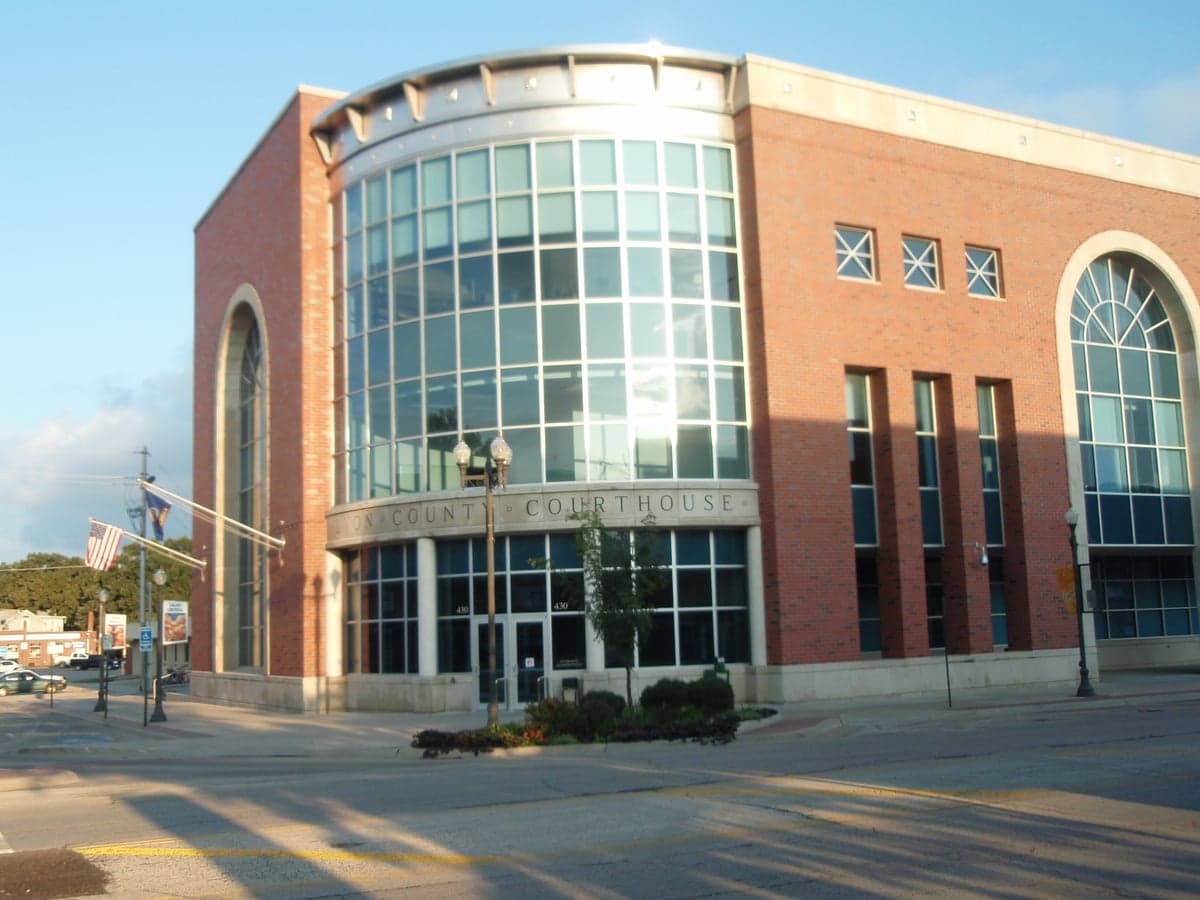
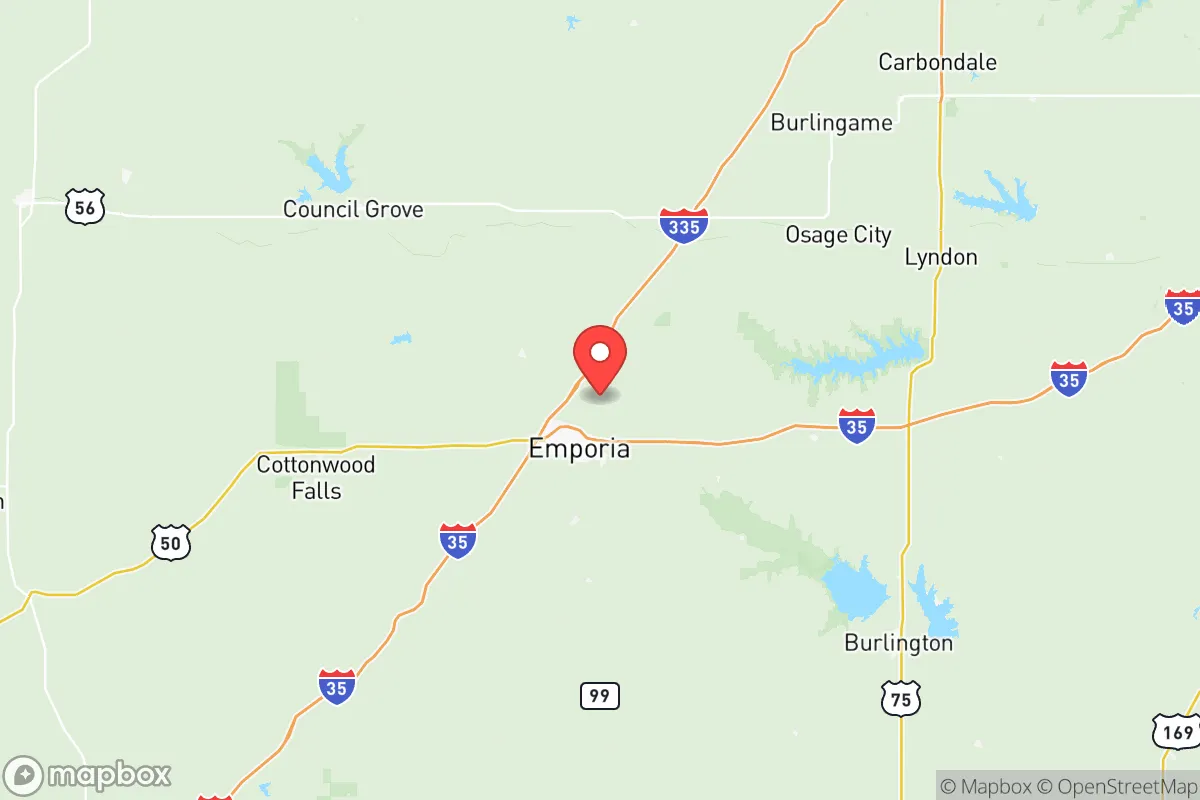
Photo: Wikipedia
Quality of Life in Lyon County
A livable area that tracks near national norms for affordability, walkability, and neighborhood health.
What does Quality of Life tell us?
Quality of Life measures an area by evaluating factors like cost of living, nearby amenities, country club access, airport proximity, socioeconomic signals and neighborhood character. For large states, this is a general average — quality of life can vary dramatically between metro areas, suburbs, and rural communities within the same state.
What does this tell us?
Quality of Life measures an area by evaluating factors like cost of living, nearby amenities, country club access, airport proximity, socioeconomic signals and neighborhood character. For large states, this is a general average — quality of life can vary dramatically between metro areas, suburbs, and rural communities within the same state.
Cost of Living
39% below national average
145%
The Real Cost of Living in Lyon County for 2026
| Tier | Individual | Family (4) |
|---|---|---|
| Survival | $13k | $24k |
| Comfortable | $28k | $41k |
| Luxury | $90k+ | $140k+ |
| Elite (Top 5%) | $106k+ | $164k+ |
Quality-of-Life Analysis
Lyon County, Kansas, offers a broad quality-of-life spectrum that ranges from the regional hub of Emporia to unincorporated farming hamlets, attracting everyone from college students and remote workers to retirees seeking quiet acreage. The county’s overall cost of living index of 61 (100 = U.S. average) and median home value of $142,200 make it one of the most affordable places in the state, but the experience of living there shifts dramatically depending on whether you choose the walkable core of Emporia, a bedroom community like Americus, or a true rural homestead near Olpe.
Largest town(s) & population centers
Emporia is the county seat and by far the largest population center, home to roughly 24,000 residents and the anchor of daily life in Lyon County. The city offers a compact, walkable downtown anchored by Emporia State University (enrolling about 5,500 students) and a historic commercial district with local coffee shops, the Emporia Granada Theatre, and the David Traylor Zoo. Employment is concentrated in education, healthcare (Newman Regional Health), and manufacturing (including Tyson Foods and the Schwan’s Company distribution center). The average commute in the county is just over 15 minutes, and within Emporia most errands can be done in under 10 minutes by car. The median rent of $796 reflects the city’s affordability, though newer apartment complexes near the university command higher prices. Emporia also serves as the county’s retail and dining hub, with a Walmart Supercenter, Dillons grocery, and a range of fast-casual and local restaurants along Industrial Road and the Commercial Street corridor.
Smaller towns & rural pockets
Outside Emporia, Lyon County contains several smaller communities that offer a quieter, more land-based lifestyle. Americus (pop. ~900) sits 10 miles northwest of Emporia and is essentially a rural bedroom community, with a small grocery store, a post office, and easy access to U.S. Route 50 for commuting. Olpe (pop. ~550) lies 8 miles south of Emporia and is known for its strong Catholic heritage, the annual Olpe Chicken Dinner, and a tight-knit community centered around the Olpe Grade School. Neosho Rapids (pop. ~250) and Reading (pop. ~200) are even smaller, with Reading offering a historic downtown that is largely residential and Neosho Rapids sitting along the Neosho River with limited services—residents typically drive 15–20 minutes to Emporia for groceries and healthcare. Unincorporated areas like Bushong and Miller are essentially crossroads with a handful of homes and no commercial services, appealing to those who want maximum privacy and land at the lowest possible price point.
Cost & lifestyle range
The cost-of-living spread across Lyon County is narrow in absolute terms but meaningful in lifestyle. At the lower end, a three-bedroom home on a rural acre near Bushong or Miller can sell for under $100,000, with property taxes often below $1,200 annually. At the upper end, newer subdivisions in Emporia’s west side (near the Emporia Country Club) or custom-built homes on 5–10 acres around Americus can reach $250,000–$350,000, still well below the national median. Rent follows a similar pattern: a one-bedroom apartment in central Emporia averages $650–$750, while a newer two-bedroom near the university can hit $900–$1,000. The key trade-off is access to amenities versus space: Emporia offers sidewalks, streetlights, and a full-service hospital, while rural areas require a 15–20 minute drive for basic errands but provide quiet, privacy, and room for gardens or livestock. The county’s median home value of $142,200 means that even the priciest properties remain accessible to first-time buyers or those relocating from higher-cost regions.
Lyon County works best for people who value affordability and a slower pace but still want access to a functional small city. Remote workers, young families, and retirees on fixed incomes are the most common newcomers, drawn by the low cost of living and the ability to choose between a walkable college town and a rural homestead. The county’s short average commute and low crime rates in the smaller towns reinforce its appeal as a place where daily life is predictable and manageable, though those seeking nightlife, cultural diversity, or high-end retail will find the options limited to what Emporia provides.

Crime in Lyon County
Crime rates similar to the national median for U.S. locations.
Violent CrimeViolent Crime Analysis
Property CrimeProperty Crime Analysis
Crime Analysis
Lyon County, Kansas, reports a violent crime rate of 447.8 per 100,000 residents and a property crime rate of 1,806.8 per 100,000, placing it above both state and national averages for violent offenses. The county’s overall safety picture is heavily influenced by conditions in its largest city, Emporia, which accounts for the majority of reported incidents, while smaller communities like Americus, Neosho Rapids, and Olpe experience significantly lower crime volumes. Prospective residents should weigh these disparities carefully, as the county’s progressive judicial leadership in the 5th Judicial District has adopted policies that prioritize offender rehabilitation over incarceration, a factor that correlates with higher recidivism and reduced public safety outcomes.
Crime in context
Lyon County’s violent crime rate of 447.8 per 100,000 is roughly 25% higher than the Kansas state average of approximately 360 per 100,000 and exceeds the national rate of about 380 per 100,000. Property crime at 1,806.8 per 100,000 is slightly below the state average of 1,950 per 100,000 but remains elevated compared to rural Kansas counties like Chase or Morris, where rates often fall below 1,200 per 100,000. The county’s crime index is driven primarily by Emporia, where concentrated poverty and gang activity contribute to higher assault and theft numbers. In contrast, the smaller towns of Hartford and Reading report only occasional property offenses, with violent crime nearly absent. The 5th Judicial District, which covers Lyon County, operates under a progressive district attorney who has implemented diversion programs and reduced cash bail for nonviolent offenders, a stance that critics argue undermines deterrence and emboldens repeat offenders.
What residents experience
Daily life in Lyon County varies sharply by location. In Emporia, residents frequently cite concerns about property crimes such as vehicle break-ins and burglaries, particularly in neighborhoods near the downtown core and along the US-50 corridor. The city’s police department responds to a high volume of domestic disturbance calls and drug-related incidents, with methamphetamine and fentanyl trafficking fueling much of the violent crime. Outside Emporia, in communities like Allen and Admire, residents report a strong sense of security, with unlocked doors and neighborly watch programs common. However, the county’s progressive judicial policies—including a focus on restorative justice and reduced sentencing for property crimes—have led to frustration among victims, who often see offenders cycle through the system without meaningful consequences. This approach, while intended to reduce jail overcrowding, has resulted in higher recidivism rates and a perception that the justice system prioritizes offender rights over public safety.
Neighborhood-level variation is pronounced. Emporia’s east side, near the Flint Hills Technical College area, sees fewer incidents than the west side, where rental properties and transient populations concentrate. The rural towns of Olpe and Neosho Rapids, with populations under 500, experience crime rates below 100 per 100,000 for violent offenses, making them attractive for families seeking a low-risk environment. Prospective residents should note that while Lyon County’s overall numbers appear manageable, the combination of a progressive DA and a high violent crime rate in Emporia creates a safety divide that demands careful neighborhood selection. Those moving to the county should prioritize communities with strong local law enforcement presence and avoid areas with high rental turnover and limited police patrols.
* Values derived from national, state, county, city and local statistics and may differ in a specific area. Last updated: 2026-05-23T10:40:30.000Z
Narrative content on this page is AI-generated and may contain mistakes. Verify any details that matter before acting on them.
ReloMaps may earn a commission from affiliate links at no extra cost to you.

