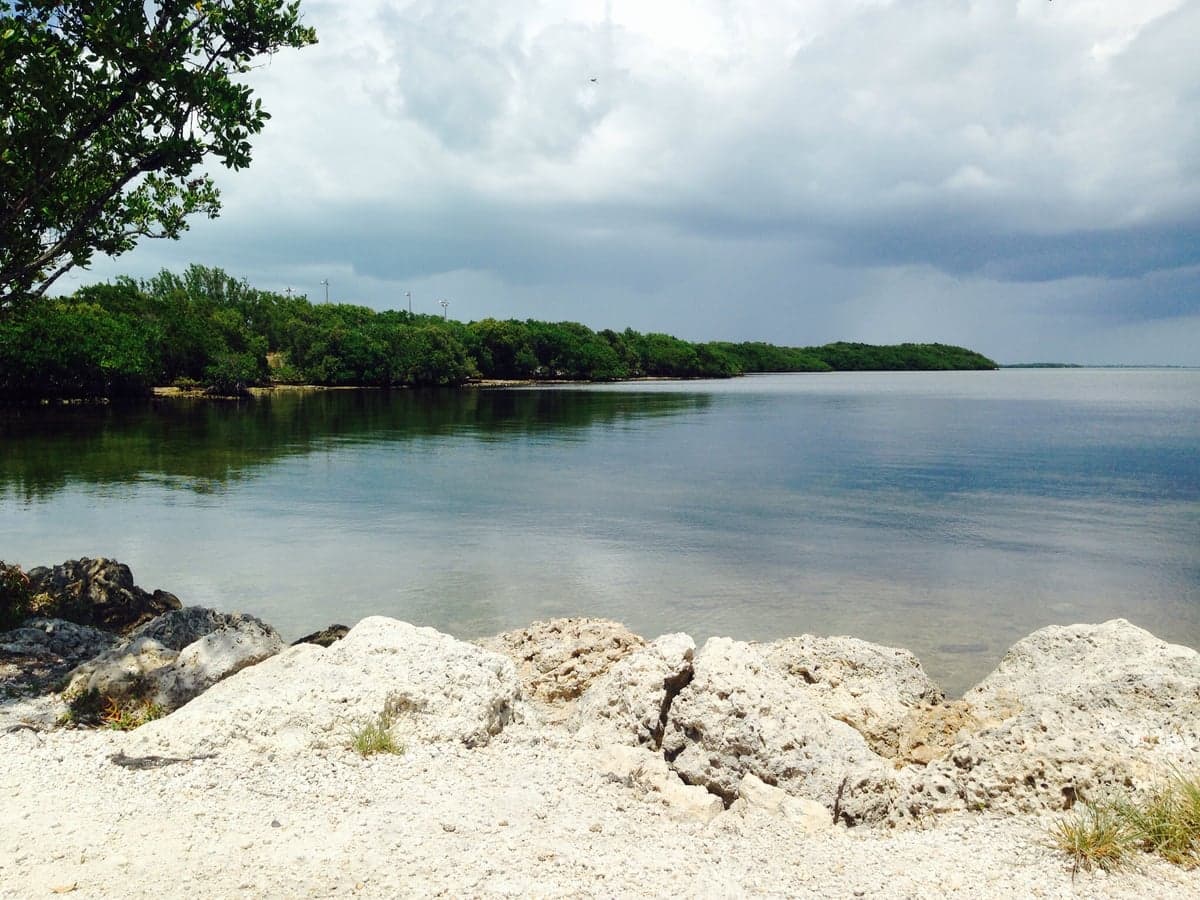
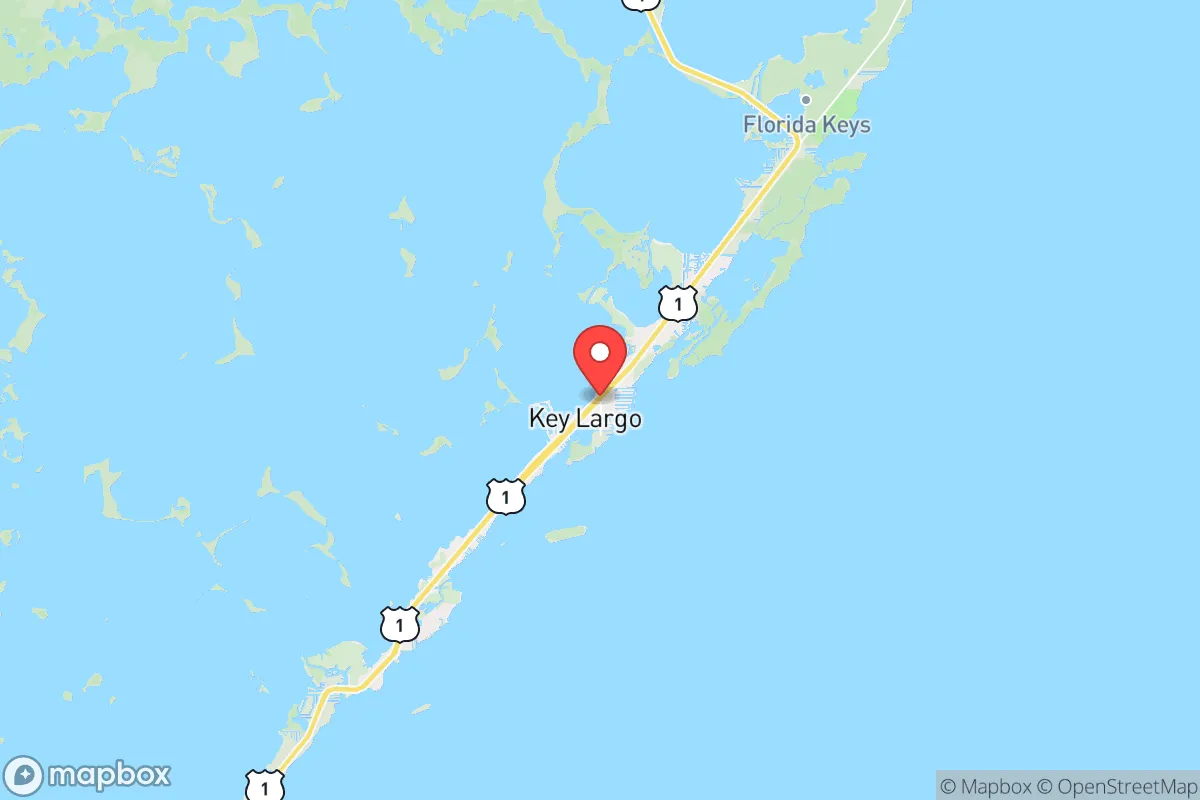
Photo: Wikipedia
Personal Sovereignty in Key Largo, FL
Viable for self-reliance. Generally workable, though some barriers may limit total independence.
What does Personal Sovereignty tell us?
Personal Sovereignty measures your capacity for self-reliance and independence with minimal government friction. Higher scores mean fewer barriers between you and the way you want to live... but it assumes you have the space you need and good neighbors.
What does this tell us?
Personal Sovereignty measures your capacity for self-reliance and independence with minimal government friction. Higher scores mean fewer barriers between you and the way you want to live... but it assumes you have the space you need and good neighbors.
State Policy
Energy independence: Importer (10% of energy produced in-state)
Personal Liberty
Homesteading

Personal Liberty Analysis
Key Largo offers a mixed bag for those prioritizing personal sovereignty, where Florida’s generally pro-liberty state framework collides with the practical constraints of island life and a tourism-driven economy. For a survivalist or prepper mindset, the trade-offs are sharp: you get strong state-level protections for gun rights and parental authority, but you also face high property taxes, strict environmental regulations tied to the Florida Keys ecosystem, and limited options for true off-grid self-reliance. The autonomy environment here is less about total independence and more about leveraging Florida’s legal shield while navigating the physical and regulatory bottlenecks of a narrow island chain.
Tax burden and regulatory posture in the Florida Keys
Florida’s lack of a state income tax is a clear win for personal sovereignty, letting you keep more of what you earn. However, Key Largo sits in Monroe County, which imposes some of the highest property tax rates in the state—typically around 0.8% to 1.0% of assessed value annually, driven by high property values and the need to fund infrastructure on fragile islands. For a prepper, this means a significant fixed cost that doesn’t scale down with self-reliance efforts. The regulatory posture is even more restrictive: the Florida Keys Area of Critical State Concern designation gives state and county agencies broad power over land use, building permits, and environmental impact. Any new construction, septic system upgrade, or even tree removal can trigger months of permitting, and the county’s strict stormwater and wastewater rules make it nearly impossible to operate fully off-grid. The message is clear: the state trusts you with your wallet, but not with your land.
Self-defense rights and gun law specifics in Monroe County
Florida is a “shall-issue” state for concealed carry permits, and Key Largo residents benefit from the state’s preemption laws that prevent local governments from enacting their own firearm restrictions. Open carry is generally prohibited, but concealed carry is accessible to any law-abiding adult who completes a training course and passes a background check—no permit required for concealed carry as of the 2023 permitless carry law (HB 543). Stand-your-ground and castle doctrine protections are fully in effect, meaning you have no duty to retreat in your home, vehicle, or any place you have a legal right to be. For a survivalist, this is a solid foundation. However, Monroe County Sheriff’s Office is small and response times in the more remote stretches of Key Largo can exceed 20 minutes, especially during hurricane evacuations or tourist season gridlock. Self-defense is legally supported, but practical reliance on law enforcement is thin—you are expected to handle threats yourself, which aligns with the prepper ethos but demands serious training and gear.
Self-reliance and homesteading viability: lot sizes, zoning, and off-grid feasibility
Key Largo’s geography and zoning make traditional homesteading nearly impossible. Minimum lot sizes in most residential zones are around 10,000 square feet, but many lots are smaller or oddly shaped due to canal frontage. Agricultural zoning is virtually nonexistent; the county’s land use plan prioritizes conservation and tourism over farming. Raising livestock is restricted to small-scale poultry and rabbits, and even those require permits and neighbor notifications. Off-grid feasibility is severely limited: Monroe County requires all homes to be connected to central water and sewer where available, and in areas without, septic systems must meet strict nitrogen-reducing standards that cost $20,000–$40,000 to install. Solar panels are allowed but must comply with hurricane wind-load codes and homeowner association rules in many subdivisions. Rainwater catchment is legal but cannot be your primary water source—county code mandates a connection to a permitted water supply. For a prepper seeking true independence, Key Largo is a poor fit. You can supplement with solar and rainwater, but you cannot disconnect from the grid without running afoul of building codes and health department regulations.
Personal liberties: parental rights, medical autonomy, speech, and property
Florida has become a national leader in protecting parental rights, with laws like the Parental Bill of Rights (HB 241, 2021) giving parents explicit authority over their children’s education, healthcare, and upbringing. In Key Largo, this means you can opt your kids out of school curricula you object to, and you have strong legal standing to challenge any government or school overreach. Medical autonomy is more complicated: Florida’s emergency powers laws allow the governor to suspend statutes during declared emergencies, which was used extensively during COVID-19 for mask mandates and business closures. Key Largo’s local government generally deferred to state directives, so your medical choices are protected at the state level but can be overridden during crises. Free speech is fully protected under the First Amendment and Florida’s own anti-SLAPP laws, which shield citizens from frivolous lawsuits aimed at silencing criticism. Property rights are strong in theory—Florida has a constitutional right to own and use property—but in practice, Monroe County’s comprehensive plan and the state’s coastal management rules heavily restrict what you can do with your land. You can build a fence, but you cannot clear mangroves without a permit. The balance leans toward state-level liberty with local-level constraint.
Overall, Key Largo offers a moderate-to-strong sovereignty environment compared to most of the country, but it falls short of the ideal for a hardcore prepper or survivalist. The lack of state income tax, permitless carry, and strong parental rights are genuine advantages that many other regions lack. However, the high property taxes, restrictive land-use regulations, and near-total dependence on centralized utilities create a ceiling on self-reliance. If you compare Key Largo to rural North Florida or the Panhandle, you get less land, more rules, and higher costs for the same legal protections. For a single individual or family who values legal autonomy over physical independence—someone who wants to carry a gun, homeschool their kids, and keep their money—Key Largo works. For someone who wants to dig a well, raise goats, and never see a building inspector, it does not. The strategic takeaway: Key Largo is a good place to be left alone by the state, but a bad place to be left alone by the county.

* Values derived from national, state, county, city and local statistics and may differ in a specific area. Last updated: 2026-05-13T16:56:27.000Z
Narrative content on this page is AI-generated and may contain mistakes. Verify any details that matter before acting on them.
ReloMaps may earn a commission from affiliate links at no extra cost to you.

