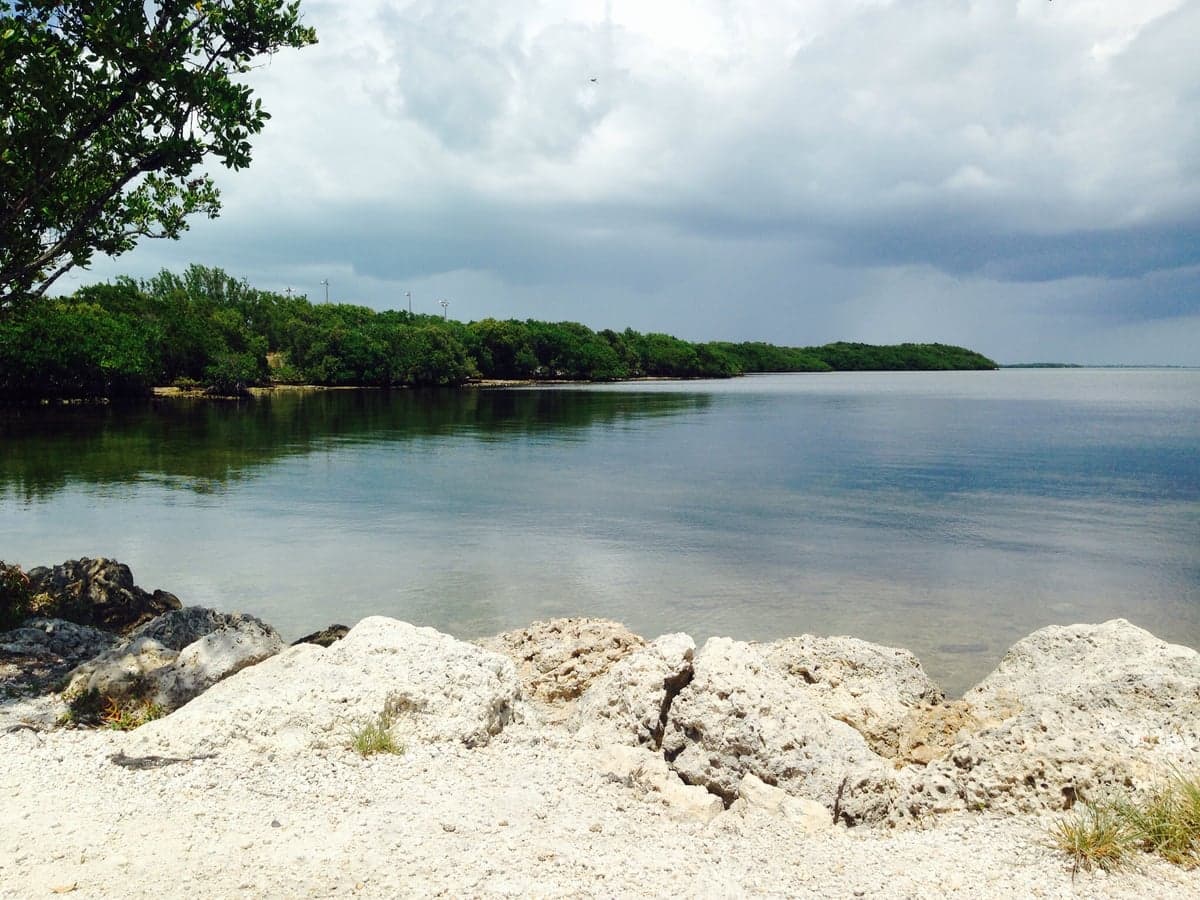
Photo: Wikipedia
Political ClimatePolitical Climate in Key Largo, FL
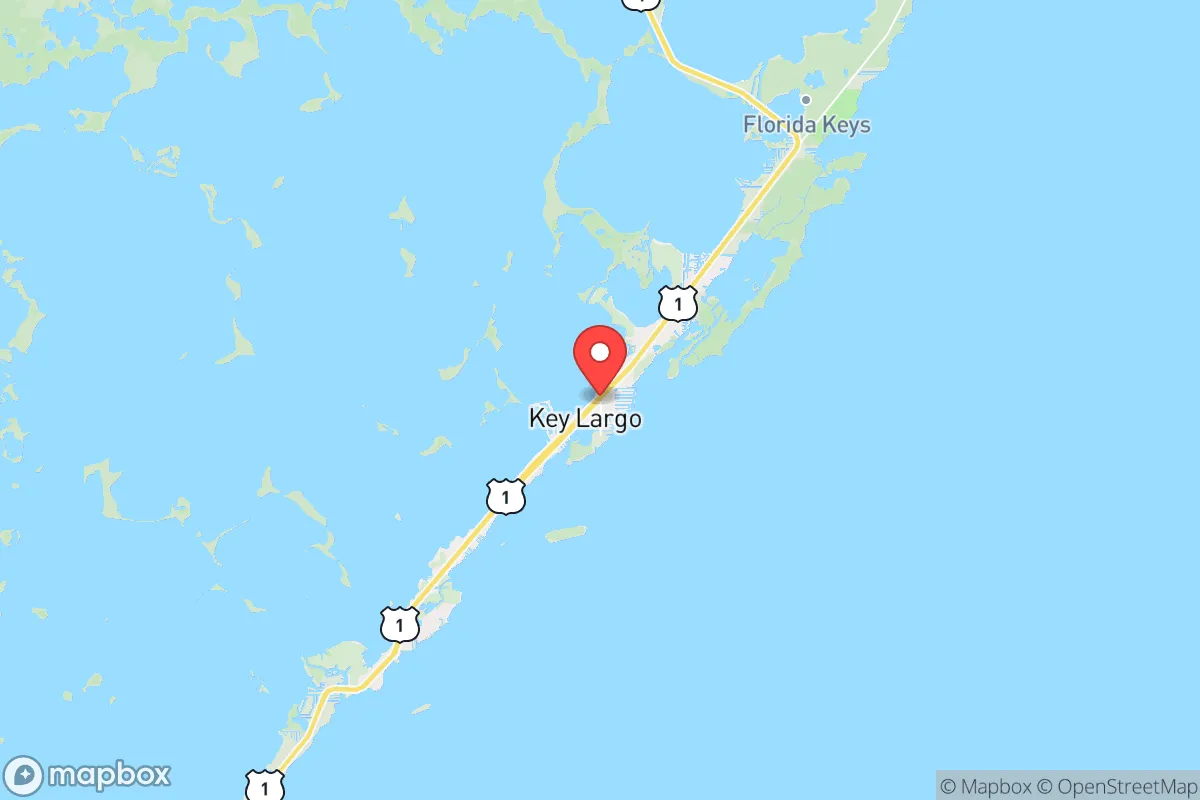
District shown is the primary district for this city’s centroid. Cities may span multiple districts.
Local Political AnalysisPolitical Analysis of Key Largo, FL
Key Largo leans solidly conservative, with a Cook PVI of R+10 that puts it well to the right of the rest of Florida (R+5). That’s not just a number on a map—it reflects a deep-rooted, live-and-let-live attitude that’s been here for decades. The political trajectory here has been steady, but there’s a growing unease as we watch the state’s more progressive pockets, like Miami-Dade and Broward, push policies that feel like they’re creeping south. For a place where folks value their boats, their guns, and their privacy, that shift is something to keep an eye on.
How it compares to the rest of Florida
When you stack Key Largo against the state average, the difference is stark. Florida as a whole leans R+5, but that number gets dragged down by the urban strongholds of Miami, Orlando, and Tampa, where progressive agendas on taxes, zoning, and environmental regulations are gaining traction. Up the road in Homestead or Florida City, you’ll find a more mixed bag—some conservative pockets, but also a growing influence from Miami’s left-leaning politics. In Key Largo, we’re insulated from that by geography and culture. The county-level voting patterns here are reliably red, with local elections often decided by who’s tougher on government overreach, not who promises more handouts. The contrast is especially clear on issues like property rights: while the state flirts with rent control and density mandates, Key Largo residents push back hard against any hint of telling us what we can do with our land.
What this means for residents
For anyone moving here, the political climate means a lower likelihood of government meddling in daily life. You won’t see the same kind of zoning battles or business mandates that plague cities like Fort Lauderdale or West Palm Beach. The local commission tends to side with property owners over developers, and there’s a strong resistance to any “one-size-fits-all” state or federal rules. That said, the long-term concern is that as Florida’s population grows—especially with transplants from blue states—the political balance could shift. If progressive policies on housing, energy, or water management start to trickle down from Tallahassee or Washington, Key Largo’s conservative identity could face real pressure. For now, residents enjoy a sense of freedom that’s getting harder to find elsewhere in the state: lower taxes, fewer regulations, and a community that values personal responsibility over government solutions.
Culturally, Key Largo stands apart from the rest of Florida in its quiet, self-reliant vibe. There’s no HOA telling you what color to paint your dock, and no city council debating bike lane mandates while ignoring rising insurance costs. The policy distinction that matters most is the local commitment to keeping government small—whether that’s resisting new impact fees or pushing back against state-level environmental rules that feel more like control than conservation. If you’re looking for a place where your voice still counts and your rights aren’t up for debate, this is it. But keep an eye on the next few election cycles—the winds are shifting, and we’re watching closely.

State Political ClimatePolitical Climate in Florida
State Political AnalysisPolitical Environment in the State
Florida is a solidly Republican state with a Cook PVI of R+5, but calling it a simple red state misses the real story. The dominant coalition is a mix of conservative retirees, military veterans, and a growing number of Hispanic voters, particularly Cuban-Americans and Venezuelans, who have shifted the state rightward over the last two decades. The big shift happened around 2010, and the trend has only accelerated — in 2020 and 2024, Florida moved further right even as the national map tightened, with Miami-Dade County flipping from blue to red and the Panhandle and I-4 corridor becoming GOP strongholds.
Urban vs. rural divide
The political map of Florida is stark. The rural Panhandle — places like Panama City, Pensacola, and Tallahassee's outskirts — is deep red, with some counties voting 70-80% Republican. The I-4 corridor, running through Tampa, Lakeland, and Orlando, is the classic swing zone, but it's been trending red since 2016. The real shocker has been South Florida: Miami-Dade County, once a Democratic stronghold, voted for Donald Trump in 2024 by a narrow margin, driven by Cuban and Venezuelan voters who associate the GOP with anti-communism and economic freedom. Broward County and Palm Beach County remain blue, but their margins are shrinking. The urban cores of Miami and Orlando still lean left, but the suburbs — places like Kendall and Weston — have flipped hard red. The rural north and the southwest coast, including Naples and Fort Myers, are reliably conservative.
Policy environment
Florida's policy environment is a conservative's dream compared to states like New York or California. There is no state income tax, which is a huge draw for high-earners and retirees. Property taxes are moderate, and the state has a homestead exemption that caps annual increases. The regulatory posture is business-friendly, with right-to-work laws and minimal red tape for new construction. On education, Governor Ron DeSantis pushed through the Parental Rights in Education Act (HB 1557), which prohibits classroom instruction on sexual orientation and gender identity in K-3, and the Stop WOKE Act (HB 7), which restricts critical race theory in schools and workplace training. School choice is robust, with the Family Empowerment Scholarship program giving state funds directly to parents for private or homeschool use. Healthcare is a mixed bag: Florida did not expand Medicaid under the ACA, and the state has a strong medical marijuana program but no recreational cannabis. Election laws were tightened after 2020, with stricter voter ID requirements, limits on drop boxes, and a ban on ballot harvesting — all designed to restore confidence in the system.
Trajectory & freedom
Florida is arguably the most freedom-oriented state in the country right now, and it's getting freer. The 2023 permitless carry law (HB 543) allows any law-abiding adult to carry a concealed firearm without a permit, a major expansion of Second Amendment rights. The Parental Rights in Education Act and the Stop WOKE Act have pushed back against government overreach in schools and workplaces. On medical freedom, DeSantis signed a law banning COVID-19 vaccine mandates for private businesses and government employees, and the state has aggressively prosecuted anyone who tried to enforce mask mandates in schools. Property rights are strong, with no state-level rent control and a strict "takings" law that limits local governments from downzoning without compensation. The only area where freedom is arguably contracting is on abortion: the state passed a 15-week ban in 2022, and in 2024 a six-week ban took effect, with exceptions for rape, incest, and the life of the mother. For conservatives who value limited government, Florida is trending in the right direction.
Civil unrest & political movements
Florida has seen its share of political flashpoints, but they've been less violent than in other states. The 2020 Black Lives Matter protests in Miami and Tampa were large but mostly peaceful, though there were isolated incidents of looting. The state's response was firm: DeSantis declared a state of emergency and deployed the National Guard to protect property. On the right, the "Florida Man" phenomenon is real, but organized activism is more about school board meetings and local elections than street protests. Immigration politics are front and center: Florida passed the toughest anti-sanctuary city law in the country (SB 1718) in 2023, requiring businesses with 25+ employees to use E-Verify and making it a felony to transport undocumented immigrants into the state. This has caused tension in agricultural areas like Immokalee and Homestead, where many farmworkers are undocumented. There's been no serious secession talk, but there is a strong "We Are Florida" sentiment that rejects federal overreach. Election integrity remains a hot topic, with the state creating a new Office of Election Crimes and Security in 2022, which has already prosecuted several cases of illegal voting.
Projection
Over the next 5-10 years, Florida will likely become even more Republican. The in-migration pattern is clear: people are moving from blue states like New York, California, and Illinois, and they're bringing their conservative politics with them. The Hispanic vote, especially among Cubans, Venezuelans, and Nicaraguans, is solidifying around the GOP. The only wild card is the growing Puerto Rican population in Central Florida, which tends to vote more Democratic, but even that is shifting as Puerto Ricans see the benefits of Florida's low taxes and school choice. The state's population is projected to grow by another 3-4 million by 2035, and most of those new residents will settle in the red-leaning suburbs of Tampa, Orlando, and Jacksonville. The Democratic Party in Florida is in disarray, with no clear leader and a shrinking base. If you're moving here now, expect to live in a state that is increasingly conservative, with a government that is actively pushing back against federal overreach and progressive ideology.
For a new resident, the bottom line is this: Florida offers a level of personal freedom that is rare in the United States today. You won't pay state income tax, you can carry a gun without a permit, your kids won't be taught critical race theory or gender ideology in school, and your local government can't impose mask mandates or vaccine passports. The trade-off is that you'll have to deal with hot summers, hurricane season, and a housing market that has gotten expensive in places like Miami and Naples. But if you value individual liberty and want to live in a state that is actively fighting the progressive agenda, Florida is the place to be.
* Values derived from national, state, county, city and local statistics and may differ in a specific area. Last updated: 2026-05-13T16:56:27.000Z
Narrative content on this page is AI-generated and may contain mistakes. Verify any details that matter before acting on them.
ReloMaps may earn a commission from affiliate links at no extra cost to you.

