Demographics of Kingsbury, NV
Affluence Level in Kingsbury, NV
A wealthy area with high-earning, well-educated households. Incomes, home values, and educational attainment meaningfully outpace national averages.
People of Kingsbury, NV
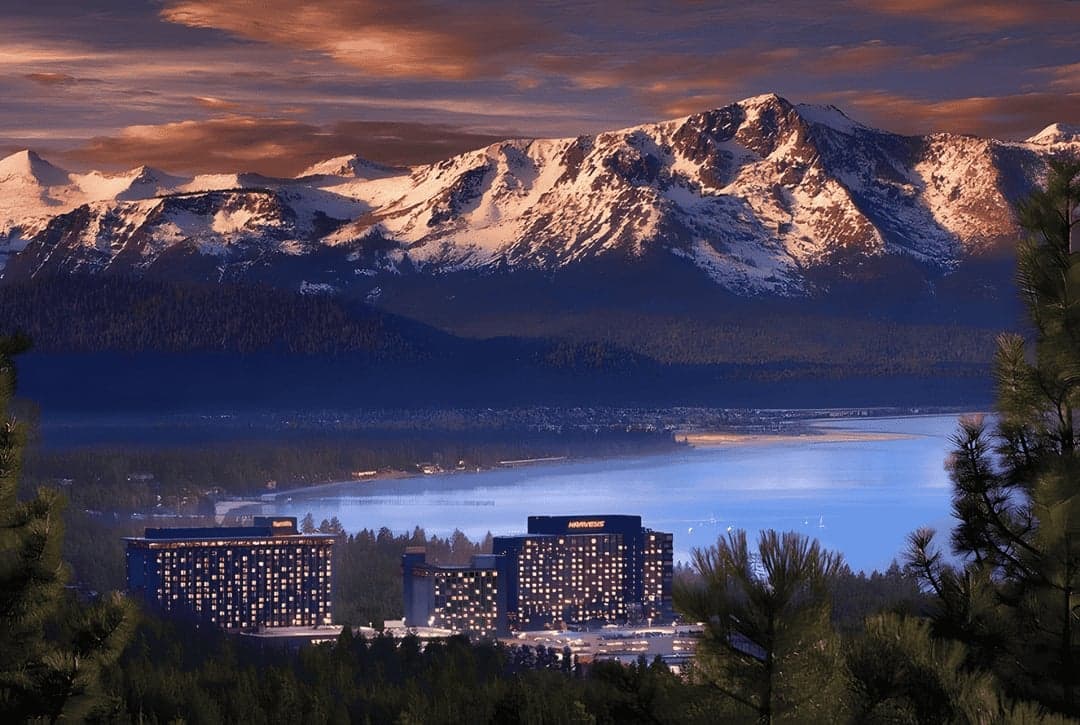
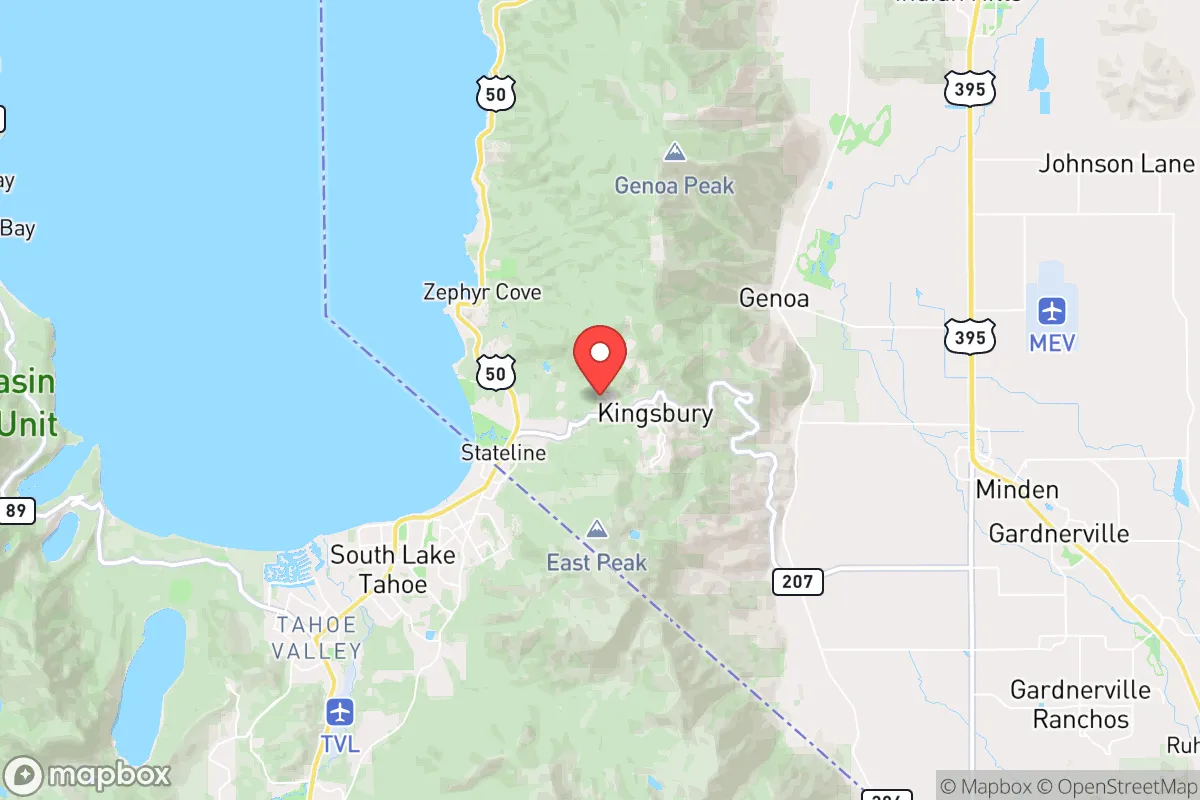
Kingsbury, Nevada, is a small, unincorporated community of 2,165 residents on the eastern slope of the Sierra Nevada, just south of Lake Tahoe. The population is predominantly white (81.6%) and highly educated, with 54.0% holding a college degree, reflecting a character shaped by second-home ownership, tourism, and remote work. The foreign-born share is very low at 2.8%, and the community is notably homogeneous, with a Hispanic population of 9.6% and East/Southeast Asian residents at 3.2%. Kingsbury feels less like a traditional town and more like a collection of mountain neighborhoods where seasonal residents and long-term locals coexist.
How the city was settled and grew
Kingsbury was never a mining camp or railroad town. Its settlement history begins in the mid-20th century, driven by the rise of Lake Tahoe as a recreation destination. The area was originally part of the historic Kingsbury Grade, a steep wagon route used by ranchers and loggers to move goods between the Carson Valley and the Tahoe Basin. The first permanent residents were a mix of Nevada ranchers and California entrepreneurs who saw the potential for summer cabins and ski lodges. The Kingsbury Meadows neighborhood, near the base of the grade, was among the earliest clusters of homes, built in the 1950s and 1960s for families working at the nearby Heavenly Ski Resort. The Montgomery Estates area, slightly higher in elevation, attracted wealthier buyers from the San Francisco Bay Area who wanted vacation homes with lake views. No single ethnic group dominated these early waves; the population was almost entirely white, drawn by outdoor recreation and the quiet mountain lifestyle.
Modern era (post-1965)
After the 1965 Immigration and Nationality Act, Kingsbury saw virtually no change in its ethnic composition. The community remained overwhelmingly white, with no significant influx of immigrants from Asia, Latin America, or elsewhere. The post-1965 growth that transformed many Western suburbs simply bypassed Kingsbury, largely because of its remote location, high property values, and lack of large-scale employment. Instead, the modern era brought domestic in-migration from California, particularly during the 1990s and 2000s tech boom. Professionals from the Bay Area and Los Angeles purchased second homes or relocated permanently, drawn by the proximity to Heavenly Ski Resort and the relative affordability compared to California's Tahoe side. The North Benjamin neighborhood, a cluster of newer single-family homes built in the late 1990s, became a landing point for these California transplants. The Kingsbury Village condominium complex, developed in the 1980s, attracted a mix of seasonal renters and permanent residents, many of whom worked in the hospitality industry at the nearby casinos and ski lodges. The Hispanic population, now 9.6%, grew modestly during this period, primarily through workers in construction, landscaping, and hospitality who settled in older, more affordable rental units along the grade. The East/Southeast Asian population (3.2%) is largely composed of second-home owners from the Bay Area, concentrated in the higher-end Lakeside Park area near the Nevada-California border.
The future
Kingsbury's population is likely to remain small and stable, with slow growth driven by continued in-migration from California and the expansion of remote work. The community is not homogenizing further—it is already very homogeneous—but it is becoming slightly more diverse at the margins. The Hispanic share may grow incrementally as service-sector workers find housing in older neighborhoods like Kingsbury Meadows, but high property values will limit significant influx. The East/Southeast Asian population is expected to plateau, as most second-home buyers from that demographic already own property. The Indian-subcontinent population is zero and unlikely to grow, given the lack of tech or professional employment hubs in the immediate area. The biggest demographic shift will be age-related: as baby boomer second-home owners retire and sell, younger families and remote workers may replace them, potentially increasing the share of school-age children. The Upper Kingsbury area, with its newer custom homes, may see the most turnover as older owners downsize or move to lower elevations.
For someone moving to Kingsbury now, the community offers a stable, predominantly white, highly educated environment with a strong outdoor-recreation identity. It is not a place of rapid demographic change or ethnic diversity. New residents will find a population that values privacy, nature, and a low-key lifestyle, with the social fabric shaped more by shared interests in skiing, hiking, and lake access than by ethnic or cultural institutions. The area is becoming slightly more family-oriented as remote workers settle permanently, but it remains fundamentally a mountain enclave for those who can afford the premium on space and solitude.

* Values derived from national, state, county, city and local statistics and may differ in a specific area. Last updated: 2026-04-23T04:22:10.000Z
Narrative content on this page is AI-generated and may contain mistakes. Verify any details that matter before acting on them.
ReloMaps may earn a commission from affiliate links at no extra cost to you.

