Political ClimatePolitical Climate in Kingsbury, NV
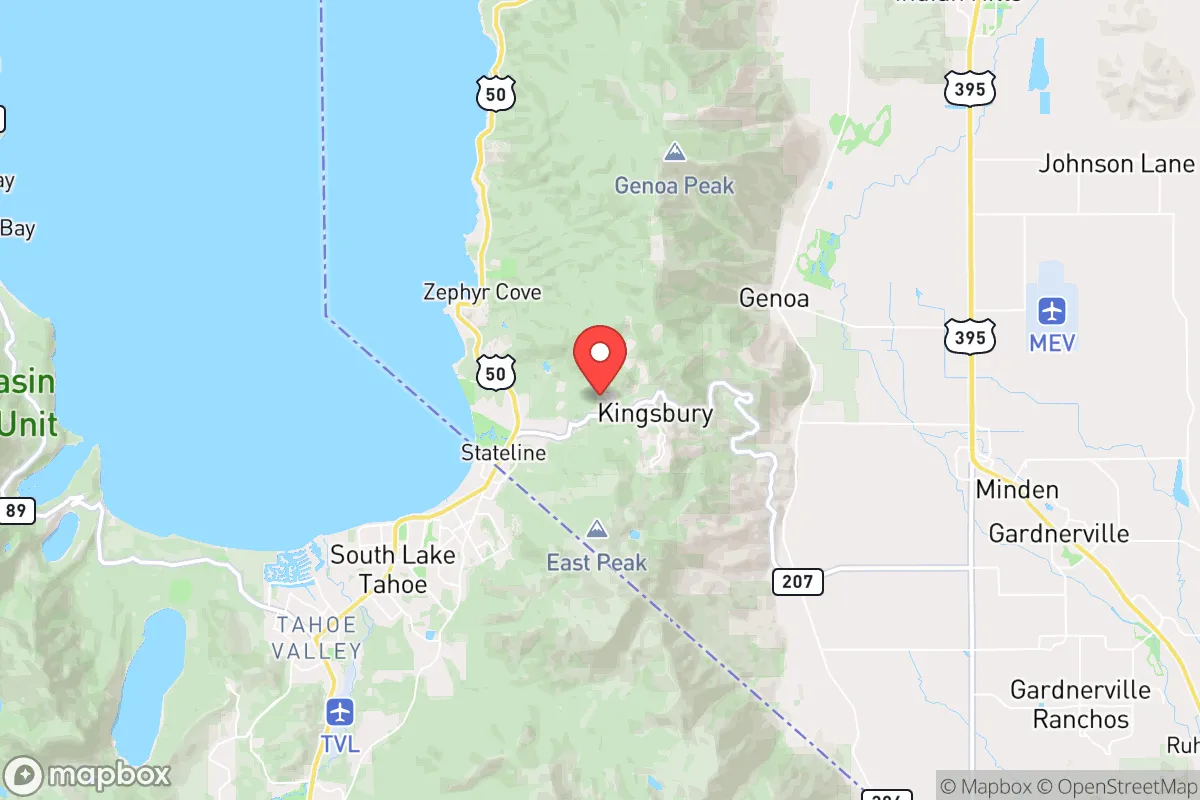
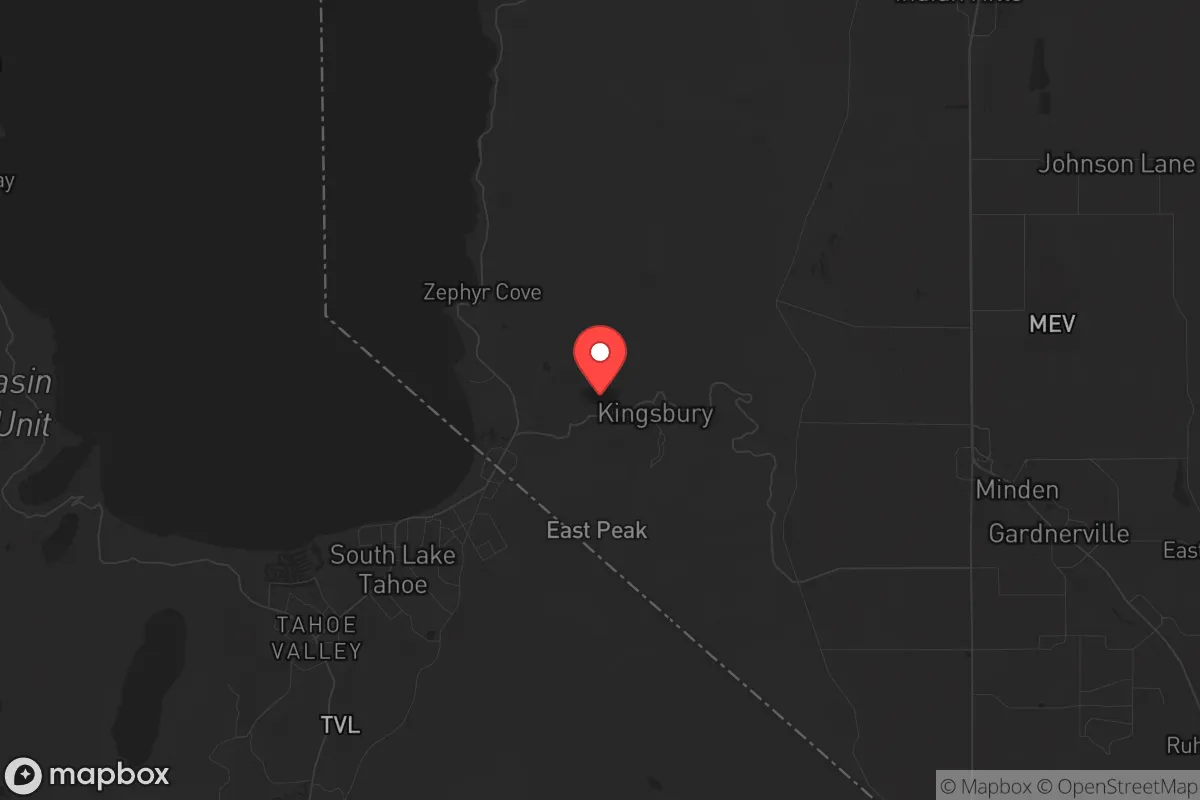
District shown is the primary district for this city’s centroid. Cities may span multiple districts.
Local Political AnalysisPolitical Analysis of Kingsbury, NV
Kingsbury, Nevada, leans solidly conservative, with a Cook PVI of R+7 that reflects a deep-rooted preference for limited government and personal responsibility. This isn't a flashy political statement; it's the quiet, steady reality of a community that values its freedom to live without constant interference from Carson City or Washington. The trajectory here has been remarkably stable over the past decade, with a slow but noticeable hardening of conservative sentiment as folks watch nearby areas like Reno and even parts of Carson City drift leftward on issues like land use and taxation.
How it compares
To really understand Kingsbury, you have to look at what's around it. Drive ten minutes north into Stateline, and you're in a tourist-driven zone where the politics are more transactional and less rooted—business interests often trump ideology there. Head west across the state line into South Lake Tahoe, California, and you've entered a completely different world: a deep-blue stronghold where progressive policies on housing, environmental regulation, and taxes are the norm. Kingsbury sits as a deliberate counterpoint to that. Locals here see the chaos that comes with California-style governance—overreaching building codes, skyrocketing fees, and a general attitude that the state knows better than you do—and they want no part of it. Compared to the rest of Douglas County, Kingsbury is actually a bit more moderate than the rural ranchlands to the east, but it's still firmly in the conservative camp, especially on fiscal matters and property rights.
What this means for residents
For the people who live here, the political climate translates into a tangible sense of autonomy. You're not constantly looking over your shoulder for the next regulation on your backyard shed or a new tax on your truck. The local government tends to take a hands-off approach, trusting residents to make their own choices—whether that's how they use their land, how they run their small business, or how they educate their kids. That said, there's a growing unease. As more people move in from California and other high-tax states, there's a real concern that the political balance could tip. You see it in local elections: candidates who talk about "smart growth" and "sustainability" often mean more restrictions and higher costs. The long-term worry is that Kingsbury could slowly lose its character, becoming another bedroom community where freedom takes a backseat to bureaucratic convenience.
Culturally, Kingsbury still holds onto a few distinctions that set it apart. There's a strong gun culture here, with many households owning firearms for hunting and self-defense, and that's respected without question. The local schools emphasize traditional values, and community events like the annual Christmas tree lighting are proudly non-political—just neighbors gathering. But the pressure is real. The biggest policy flashpoint in recent years has been over short-term rental regulations, with some pushing for strict limits that would effectively let the government decide who can rent out their own home. That kind of overreach is exactly what worries long-time residents. If you value your privacy, your property rights, and the freedom to live your life without a permit for everything, Kingsbury is still a good bet—for now. But keep an eye on those local elections. The fight to keep this place from turning into another Tahoe is ongoing, and it's going to take active, engaged residents to hold the line.

State Political ClimatePolitical Climate in Nevada
State Political AnalysisPolitical Environment in the State
Nevada is a classic swing state with a libertarian streak, but over the last 20 years it has drifted from a purple battleground to a lean-blue state at the presidential level, driven almost entirely by the explosive growth of Clark County (Las Vegas) and the influx of service-industry and union households. The state voted for Hillary Clinton by 2.4 points in 2016, Joe Biden by 2.4 in 2020, and Kamala Harris by roughly 2.5 in 2024 — a remarkably consistent margin that masks a deep urban-rural chasm. While the rural counties and the conservative rurban fringe of Washoe County (Reno) remain deeply red, the Democratic machine in Las Vegas and the growing Hispanic and Asian populations in the suburbs have kept the state just out of reach for Republicans in statewide races. For a conservative considering relocation, the key question is whether the state’s famous “live and let live” ethos still holds, or whether the progressive wave from the coast is washing it away.
Urban vs. rural divide
The political map of Nevada is a tale of two deserts. Clark County, home to 73% of the state’s population, is the engine of Democratic power — Las Vegas, Henderson, and North Las Vegas reliably deliver 55-60% of the vote for Democratic candidates, powered by the Culinary Union, casino workers, and a diverse, transient population. The city of Reno (Washoe County) is a genuine swing area, with the urban core trending blue while the outer suburbs like Spanish Springs and the foothills of the Sierra Nevada lean red. The real conservative strongholds are the rural counties: Elko, Nye, Lander, and White Pine routinely vote 70-80% Republican. The town of Elko, a mining and ranching hub, is as reliably red as any place in Utah. The political divide isn’t just about geography — it’s about lifestyle. The Las Vegas Strip and the Reno-Tahoe corridor are global tourism destinations with a transient workforce; the rest of the state is ranching, mining, and small-town life. A conservative moving to Nevada will find a very different political reality depending on whether they settle in the rural north or the suburban south.
Policy environment
Nevada’s policy environment is a mixed bag for conservatives. The good news: there is no state income tax, and the property tax cap (the “Nevada Plan”) keeps annual increases to 3% for owner-occupied homes, which is a massive draw for retirees and families fleeing California. The bad news: the state has a heavy reliance on sales tax and gaming revenue, and the legislature in Carson City has been controlled by Democrats for most of the last decade. On education, Nevada ranks near the bottom nationally in K-12 outcomes, and the state has a robust school choice program (the Education Savings Account program was revived in 2023 after years of legal battles), but the teachers’ union remains powerful. Election laws are relatively loose — no voter ID requirement, automatic voter registration at the DMV, and universal mail-in ballots were made permanent in 2021 (AB 321), which conservatives view as a vulnerability. Healthcare policy is dominated by the state’s Medicaid expansion under Obamacare, and the state has a relatively high uninsured rate. On the regulatory front, Nevada is business-friendly in theory but has a thicket of occupational licensing and gaming regulations that can frustrate entrepreneurs. The state’s “right-to-work” status is a plus for conservatives, though union density in hospitality remains high.
Trajectory & freedom
The trajectory of personal freedom in Nevada is a source of concern for conservatives. The state’s libertarian reputation — no income tax, legalized prostitution in some rural counties, easy divorce, and a “what happens in Vegas stays in Vegas” attitude — is being eroded by progressive legislation. In 2023, the legislature passed SB 171, which codified “gender-affirming care” as a protected right for minors, overriding parental consent in certain circumstances — a major red flag for parents. Gun rights are still relatively strong: Nevada is a “shall issue” state for concealed carry, and there is no state-level assault weapons ban, but a 2016 ballot initiative (Question 1) expanded background checks to private sales, and the state has a “red flag” law (SB 143, 2019) that allows temporary firearm seizure without a criminal conviction. On property rights, the state has a strong “eminent domain” protection law, but the rapid growth of solar farms in the rural north has sparked land-use conflicts. The most concerning trend for conservatives is the erosion of election integrity: the 2021 law making universal mail-in ballots permanent, combined with same-day voter registration and no voter ID, has created a system that many conservatives view as vulnerable to fraud. The state’s “sanctuary” policies are limited — Nevada is not a formal sanctuary state, but local jurisdictions like Clark County have policies limiting cooperation with ICE.
Civil unrest & political movements
Nevada has seen its share of political flashpoints. The 2020 election cycle saw the “Stop the Steal” movement hold rallies in Carson City and Las Vegas, and the state’s election results were the subject of multiple lawsuits. The “Battle Born” conservative movement is active in rural counties, with groups like the Nevada Republican Assembly pushing for stricter election laws and parental rights in education. On the left, the Culinary Union remains the most powerful political force in the state, and the “Vegas Strong” movement after the 2017 Route 91 Harvest festival shooting galvanized gun control activism. Immigration politics are a constant undercurrent: the state’s large Hispanic population (nearly 30%) means that border policy and sanctuary debates are front and center. In 2024, the city of Las Vegas saw protests over the Israel-Hamas war, and the state’s growing Asian population has become a political force, particularly in the suburbs of Henderson and Spring Valley. The most visible flashpoint for a new resident would be the constant presence of political advertising — Nevada is a perennial swing state, so the airwaves are saturated with attack ads every cycle.
Projection
Over the next 5-10 years, Nevada is likely to remain a competitive swing state, but the demographic trends favor the Democrats. The state is growing fast — Nevada’s population increased by 15% between 2010 and 2020, and the growth is concentrated in Clark County and the Reno-Sparks area. The new arrivals are disproportionately from California, and while many are fleeing high taxes, they often bring their progressive voting habits with them. The rural counties are losing population, which means the political center of gravity will continue to shift south. The wild card is the Hispanic vote: while Nevada’s Hispanic population leans Democratic, it is not monolithic, and the GOP has made inroads with working-class Hispanic voters in places like North Las Vegas. The most realistic projection is that Nevada will remain a lean-blue state for presidential elections, but with enough volatility that a strong Republican candidate could flip it. For a conservative moving in now, the expectation should be that the state will not become a red stronghold, but that the rural and suburban areas will remain safe havens for conservative values.
Bottom line for a new resident: If you’re a conservative looking for a low-tax, relatively free environment, Nevada is still a good option — but you need to choose your location carefully. The rural counties (Elko, Nye, White Pine) offer a deeply conservative lifestyle with minimal government interference. The suburbs of Reno (Spanish Springs, Damonte Ranch) and the outer edges of Clark County (Henderson’s Anthem area, Boulder City) provide a more moderate environment with good schools and lower crime. Avoid the urban cores of Las Vegas and Reno if you want to escape progressive politics. The state’s trajectory is concerning, but the lack of an income tax and the property tax cap are powerful anchors that will keep Nevada competitive for years to come. Just keep an eye on Carson City — the legislature is the main threat to your freedoms.
* Values derived from national, state, county, city and local statistics and may differ in a specific area. Last updated: 2026-04-23T04:22:10.000Z
Narrative content on this page is AI-generated and may contain mistakes. Verify any details that matter before acting on them.
ReloMaps may earn a commission from affiliate links at no extra cost to you.

