Political ClimatePolitical Climate in Ladue, MO
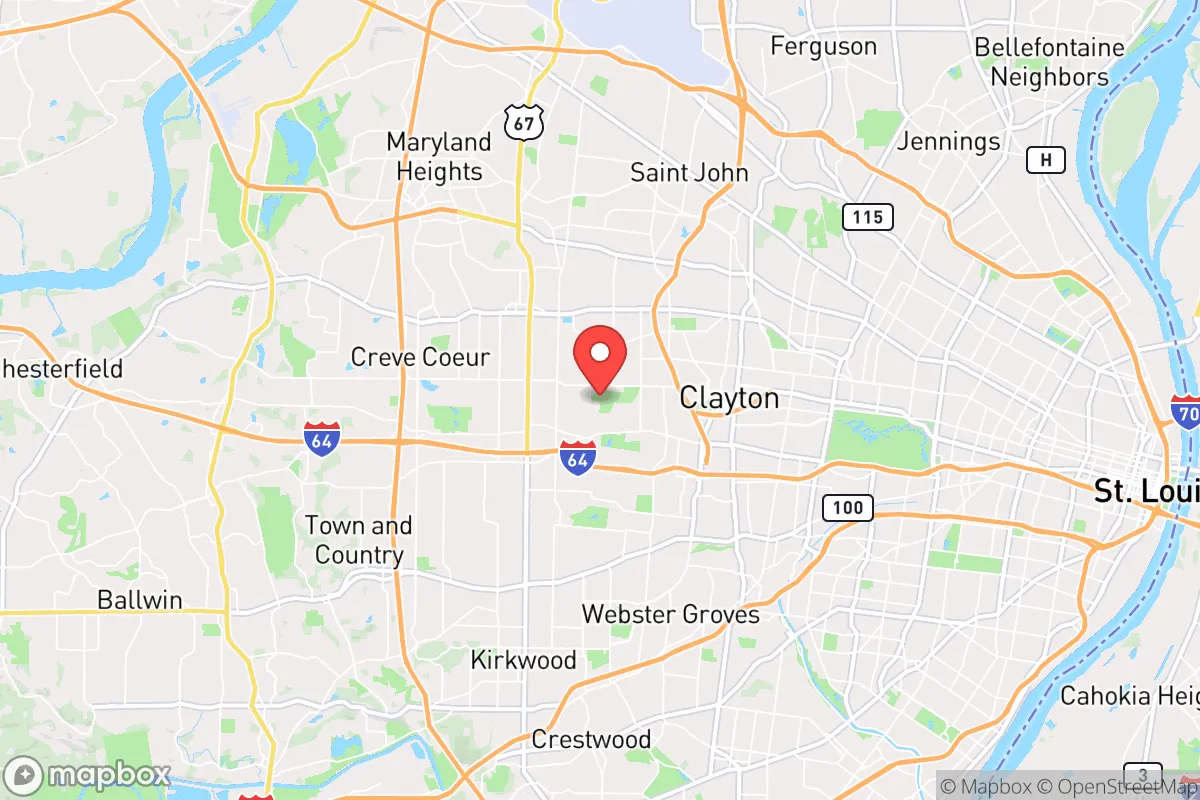
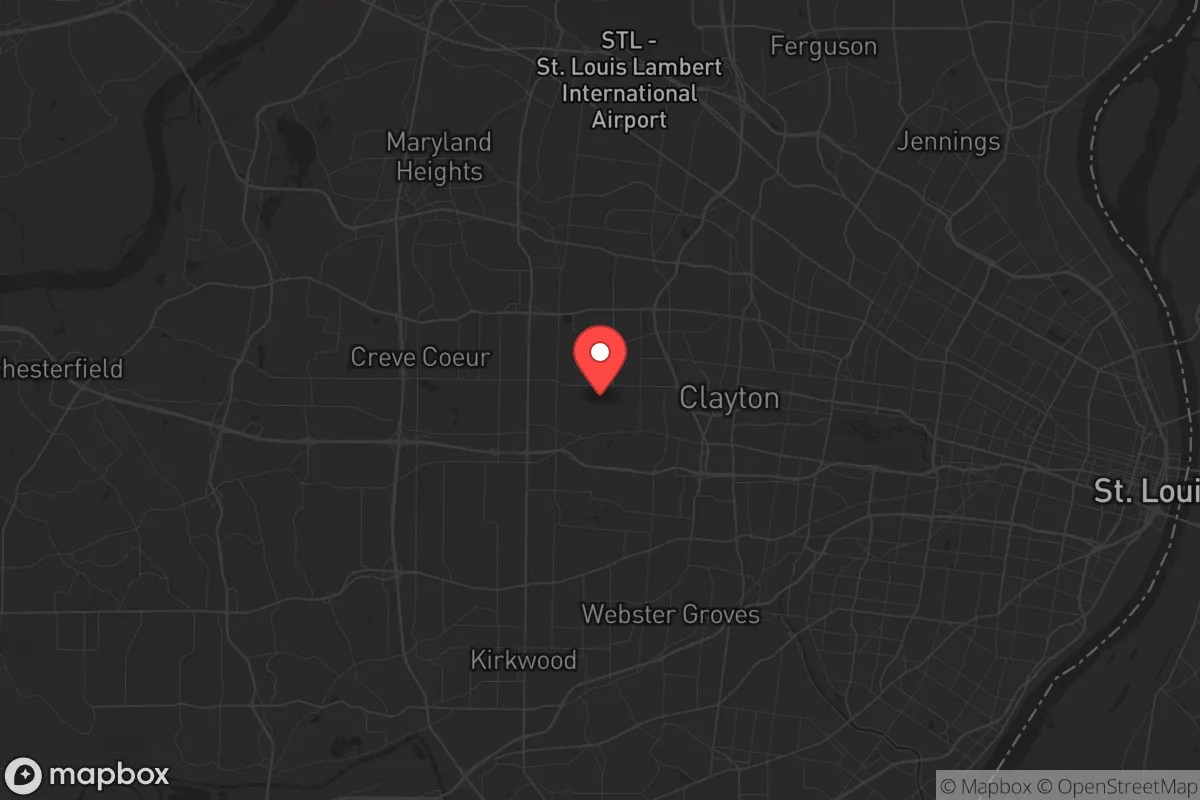
District shown is the primary district for this city’s centroid. Cities may span multiple districts.
Local Political AnalysisPolitical Analysis of Ladue, MO
Ladue, Missouri, has long been a quiet bastion of conservative values in the St. Louis region, and despite the national tide shifting left, it still holds its ground. The Cook PVI rating of R+4 tells you the district leans Republican, but honestly, if you’ve lived here as long as I have, you know that number undersells the traditional, family-first mindset that’s been the backbone of this community for decades. We’re seeing some subtle shifts—more progressive voices in the county-level government and a few new neighbors who don’t quite get why we like our low taxes and local control—but the core of Ladue still votes like it’s 1999. The trajectory is a slow, cautious drift, not a hard turn, but anyone paying attention knows we’re fighting to keep it from becoming another Clayton or University City.
How it compares
Drive ten minutes east into Clayton, and you’re in a different world—that’s where the county government sits, and it’s been getting more progressive every cycle, pushing zoning changes and tax hikes that would never fly in Ladue. Head south to Richmond Heights or Maplewood, and you’ll see the same story: denser development, more rental properties, and a city council that’s all too eager to spend your money on pet projects. Ladue, by contrast, still feels like the old guard. We’ve got the lowest property tax levy in the county for a reason, and our city council fights tooth and nail to keep state and federal overreach out of our neighborhoods. The contrast is stark: where other towns are bending to the pressure of “equity” initiatives and unfunded mandates from Jefferson City, Ladue holds the line on personal property rights and fiscal restraint. It’s not perfect—we’ve had a few close votes on short-term rental regulations that felt like a backdoor to more government control—but compared to the surrounding areas, we’re still the place where a handshake and a local vote mean something.
What this means for residents
For the folks who live here, the political climate means you get to keep more of what you earn and raise your kids without the city telling you how to live. The school board, for instance, has resisted the kind of curriculum overhauls you see in districts like Parkway or Clayton—no critical race theory nonsense, no gender ideology pushed on elementary kids. That’s a big deal for families who moved here specifically to avoid that stuff. On the flip side, the slow creep of progressive influence means you have to stay engaged. We’ve seen attempts to add more “affordable housing” mandates that would effectively let the county override our zoning laws, and there’s always a proposal to raise the sales tax for some regional transit boondoggle. If you value your Second Amendment rights, Ladue is still solid—no local magazine bans or red flag ordinances like you’ll find in St. Louis City—but you can’t get complacent. The long-term worry is that as St. Louis County’s demographics shift and the state legislature gets more chaotic, Ladue’s insulation might wear thin. For now, though, it’s one of the last places in the metro where a conservative can feel like their vote actually counts.
Culturally, Ladue has always prided itself on being a place where personal responsibility and community involvement matter more than government programs. You won’t find a lot of public art installations or bike lane expansions here—that’s not our style. Instead, you’ll see neighbors funding their own private security patrols, maintaining their own historic homes, and donating to local charities without a city mandate. The biggest policy distinction is our fierce opposition to any form of regional government consolidation; we’ve fought off multiple attempts to merge Ladue into a larger St. Louis County authority, because we know that would mean higher taxes and less local say. If you’re looking for a place where the government stays out of your business and the schools teach your kids how to think, not what to think, Ladue is still that place. Just keep an eye on the city council meetings—the fight isn’t over yet.

State Political ClimatePolitical Climate in Missouri
State Political AnalysisPolitical Environment in the State
Missouri has long been a bellwether state, but over the past 20 years it has shifted from a classic purple battleground to a solidly red stronghold, with Republicans holding supermajorities in both legislative chambers and every statewide office. The state voted for Donald Trump by 18 points in 2024, a stark contrast to the razor-thin margins of the 2000 and 2008 elections. This rightward march is driven by a powerful coalition of rural conservatives, exurban families fleeing St. Louis and Kansas City, and a growing population of culturally conservative transplants from blue states, particularly in the southwestern part of the state.
Urban vs. rural divide
The political map of Missouri is a tale of two islands of blue surrounded by a deep red sea. The urban cores of St. Louis City and Kansas City are reliably Democratic, often voting 80% or more for the party's nominee, but they are shrinking in population and political influence. The real action is in the suburbs and exurbs. St. Charles County, just west of St. Louis, has become a Republican powerhouse, flipping from a swing county in the 1990s to a +30 point GOP county by 2024. Similarly, Cass County south of Kansas City and Jefferson County south of St. Louis have moved decisively right. The fastest-growing region is the Springfield and Branson corridor in the Ozarks, where conservative values are deeply entrenched and the population is booming with in-migrants from Illinois and California. The rural "Bootheel" counties in the southeast remain solidly Democratic on paper, but those are culturally conservative, blue-dog Democrats who often vote Republican in national races and have little in common with coastal progressives.
Policy environment
Missouri's policy environment is a dream for those seeking limited government. The state has a flat income tax that was recently cut from 5.3% to 4.8%, with a trigger mechanism to eventually phase it down to 4.5% if revenue targets are met. There is no state property tax on vehicles, and property taxes on real estate are among the lowest in the nation, averaging around 0.8% of assessed value. The state is a "right-to-work" state (though the law was repealed by referendum in 2018, the practical effect was minimal as union membership continues to decline). Missouri is a "shall issue" state for concealed carry and passed constitutional carry in 2016, meaning no permit is needed to carry a concealed firearm. Education policy is a mixed bag: the state has a robust charter school law in St. Louis and Kansas City, but the rest of the state relies on traditional public schools. The Missouri Empowerment Scholarship Accounts program, passed in 2021, provides tax credits for donations to scholarship funds for private school tuition, a major win for school choice advocates. On healthcare, Missouri did not expand Medicaid until 2021, and only after a ballot initiative forced the legislature's hand. The state has some of the most restrictive abortion laws in the country, with a near-total ban in effect since the Dobbs decision, with no exceptions for rape or incest.
Trajectory & freedom
The trajectory in Missouri is decidedly toward more personal freedom, particularly in the areas of gun rights, parental rights, and tax relief. The Second Amendment Preservation Act (SAPA), passed in 2021, declares federal gun laws that infringe on the Second Amendment to be "invalid" in Missouri and prohibits state and local law enforcement from enforcing them. This law has been challenged in court but remains in effect, and it signals a strong pro-gun posture. In 2023, the legislature passed the "Parental Bill of Rights," which requires schools to notify parents of any curriculum changes related to sexuality and prohibits instruction on gender identity in grades K-3. On the tax front, the 2024 tax cut package is the largest in state history, and the legislature is actively discussing eliminating the income tax entirely. However, there are warning signs. The state's initiative petition process has been used by progressive groups to bypass the legislature, as seen with the Medicaid expansion and the 2022 vote to legalize recreational marijuana. There is a growing movement among conservatives to make it harder to amend the state constitution via initiative, which would protect the legislature's ability to set policy without direct voter interference.
Civil unrest & political movements
Missouri has a history of civil unrest, most notably the 2014 Ferguson protests in the St. Louis suburb, which were a flashpoint for the Black Lives Matter movement and led to a significant exodus of residents from the city to the surrounding counties. That event still shapes political discourse, with many conservatives viewing it as a case of lawlessness being rewarded by the media and progressive activists. More recently, there have been smaller protests over COVID-19 mandates, particularly in St. Louis County, where the health department's restrictions were met with fierce resistance from business owners and parents. The immigration debate is less visible here than in border states, but there is a strong undercurrent of concern about illegal immigration, with the state attorney general suing the Biden administration over border policies. There is no sanctuary city policy in Missouri; in fact, state law prohibits any local government from adopting such policies. Election integrity is a hot topic, with the state passing a voter ID law in 2022 and banning private funding of election administration (the "Zuckerbucks" ban). You won't see the kind of street-level political violence you might in Portland or Seattle, but the cultural divide between the urban cores and the rest of the state is palpable and growing.
Projection
Over the next 5-10 years, Missouri will likely become even more conservative, driven by two powerful forces: the continued exodus from St. Louis and Kansas City to the suburbs and exurbs, and the influx of conservative-leaning migrants from Illinois, California, and Colorado who are drawn to the low taxes and cultural values. The rural areas will continue to lose population, but the Springfield and Branson corridor, along with the Lake of the Ozarks region, will see explosive growth. The state's political leadership will likely push for a complete phase-out of the income tax, further deregulation of housing and business, and even stronger protections for gun rights and parental control over education. The biggest risk is the initiative petition process, which could be used to impose progressive policies like a higher minimum wage or expanded government healthcare. If conservatives can successfully reform that process, Missouri will be locked in as a red state for a generation. If not, you could see occasional progressive ballot wins that the legislature will have to contend with.
For a new resident, the bottom line is this: Missouri offers a high degree of personal freedom, low taxes, and a culture that respects individual rights, particularly for gun owners and parents. You will find a welcoming environment in the suburbs and rural areas, but you should be prepared for the urban cores to be politically and culturally alien. If you are moving here to escape a high-tax, high-regulation state, you will find a place that largely shares your values, but you need to be aware that the fight over the state's direction is not over, and the initiative petition process remains a wild card. Choose your county carefully, and you will likely find Missouri to be a place where you can live your life largely free from government overreach.
* Values derived from national, state, county, city and local statistics and may differ in a specific area. Last updated: 2026-04-16T00:30:03.000Z
Narrative content on this page is AI-generated and may contain mistakes. Verify any details that matter before acting on them.
ReloMaps may earn a commission from affiliate links at no extra cost to you.

