 Popular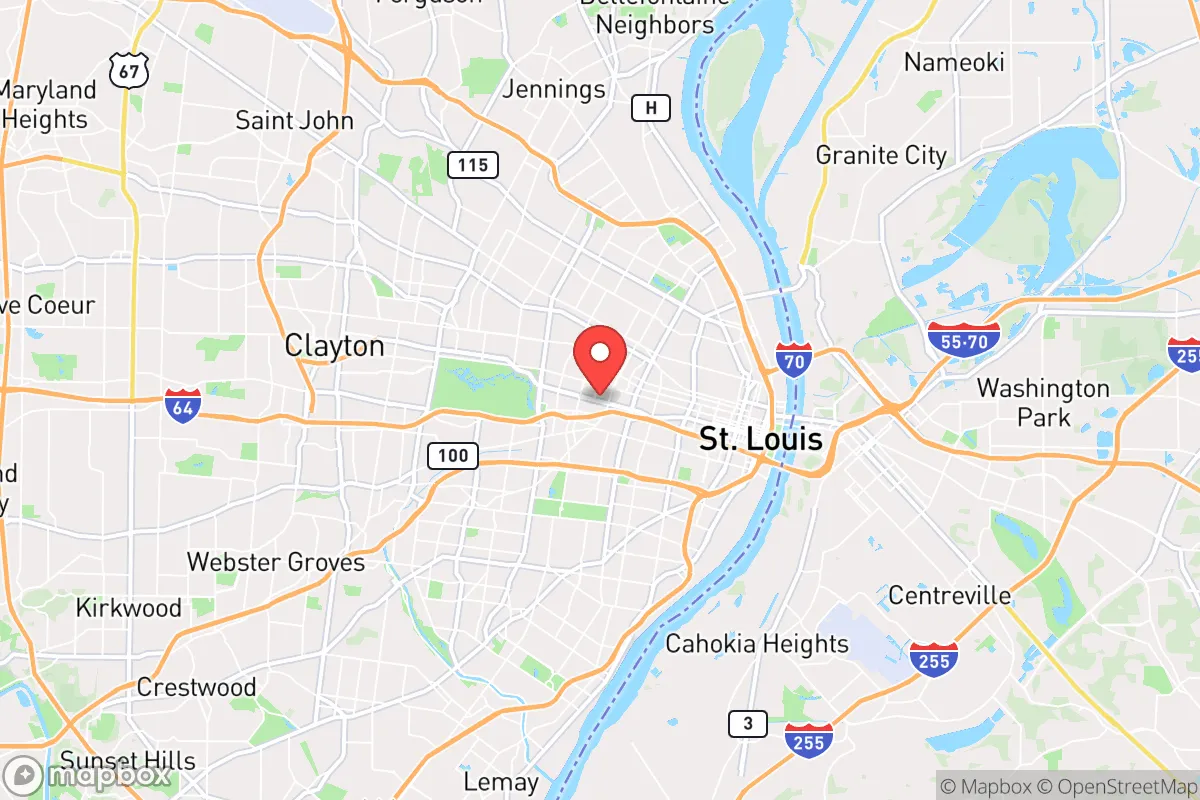
Photo: Wikipedia
Find The Best Places To Live
in St. Louis
PRO TIP! You can paste a Zillow or Redfin link to get info on that property.
What It's Like Living in St. Louis, MO
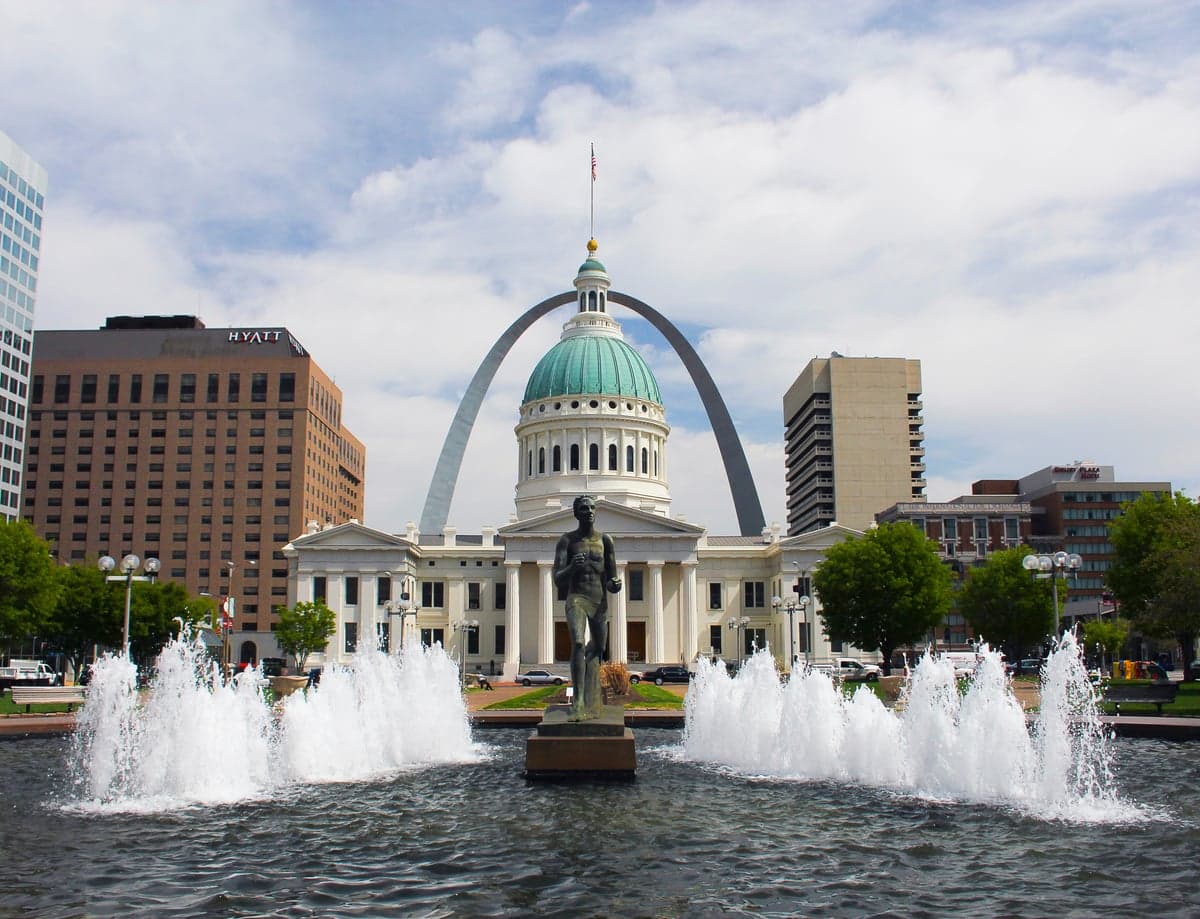
St. Louis is a city that wears its history on its sleeve, from the iconic Gateway Arch to the weathered brick of its oldest neighborhoods, but it’s also a place where that history feels alive and constantly in conversation with the present. Living here means getting used to a city that’s both fiercely proud and deeply self-critical, where you can grab world-class barbecue from a gas station and then catch a free symphony concert in a sprawling urban park. It’s a big city with a small-town feel, but that intimacy comes with some very real trade-offs you need to know about before packing your bags.
The Daily Rhythm: Neighborhoods, Commutes, and the Cost of Living
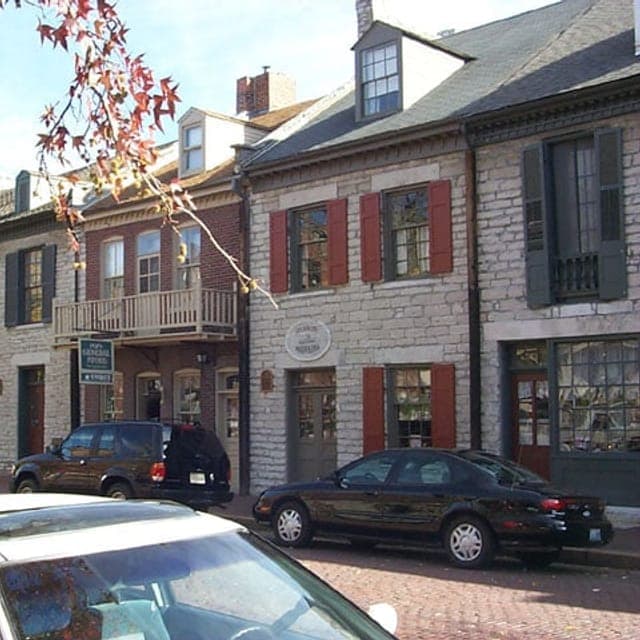
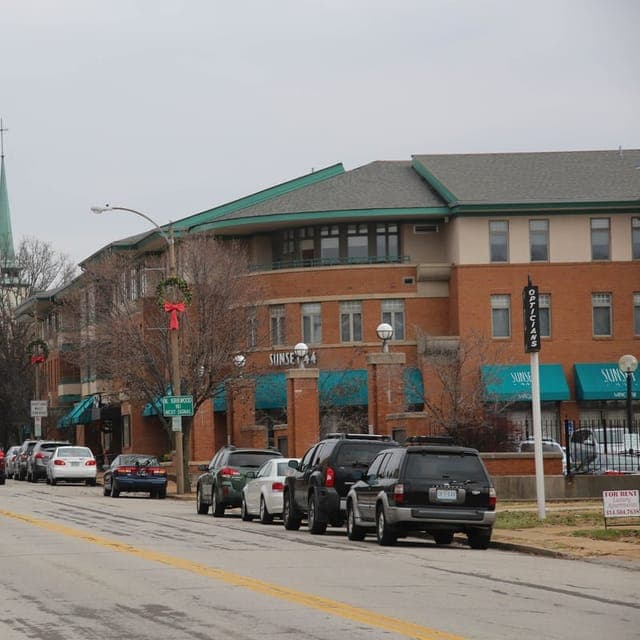
Daily life in St. Louis is defined by its neighborhoods. Most residents don’t think of themselves as living in “St. Louis” so much as they live in Tower Grove South, The Hill, South City, or Clayton (if they’re in the county). The city proper has a population of about 293,000, but the metro area swells to nearly 2.8 million, so where you land shapes everything. The average commute is a remarkably short 22 minutes, which means you can live in a quiet, tree-lined street in Southampton and be downtown in 15 minutes. Traffic is rarely the soul-crushing grind you’d find in Chicago or Dallas—most frustration comes from potholes and the occasional highway closure for a Cardinals game.
The cost of living is a major draw. With an index of 77 (100 is the US average), your money goes far. The median home value is $185,100, and while the median household income sits at $55,279, that combination means a young professional or a single parent can actually afford a decent house with a yard. You’ll see people shopping at Schnucks or Dierbergs for groceries, grabbing lunch at local spots like Gioia’s Deli (the hot salami is a religious experience), and spending weekends at the Tower Grove Farmers Market or the Missouri Botanical Garden. The weather is a full four-season experience: humid summers that push you into air conditioning, crisp autumns perfect for Cardinals baseball, and winters that can be gray and icy but rarely paralyzing.
Sports, Community, and the Cardinals Religion
If you move here, you need to understand one thing: the St. Louis Cardinals are not just a baseball team; they are the city’s civic religion. From April to October, the city’s rhythm revolves around Busch Stadium. Even if you’re not a fan, you’ll feel it in the way bars like Ballpark Village fill up, in the radio chatter, and in the way locals talk about the 2011 World Series run like it was yesterday. The Blues (hockey) and City SC (soccer) have passionate followings too, but baseball is the anchor. High school sports are big in the suburbs—Ladue, Chaminade, and De Smet draw crowds for football and basketball—but they don’t dominate the way they do in Texas or Ohio. The St. Louis Battlehawks (XFL) have also carved out a fun, rowdy niche, proving the city will support any team that plays hard.
Community events are a huge part of the identity. The St. Louis Art Fair in Clayton, the Greek Fest in the Central West End, and the Shakespeare in the Park series at Forest Park are staples. Forest Park itself is larger than Central Park and holds the St. Louis Zoo (free), the Art Museum (free), and the Science Center. Locals spend whole weekends there without spending a dime. The city’s German heritage shows in the Soulard Oktoberfest and the many neighborhood pubs where you can still get a proper goblet of ale.
Honest Pros and Cons: What You’ll Love and What Will Frustrate You
Let’s be direct about the trade-offs. The biggest pro is affordability—you can buy a solid brick home in a historic neighborhood for under $200,000, something unthinkable on the coasts. The food scene is genuinely world-class: Pappy’s Smokehouse for ribs, Olive + Oak for a date night, and Imo’s Pizza (thin crust, Provel cheese) for a love-it-or-hate-it local staple. The city is also surprisingly green, with over 100 parks and the Great Rivers Greenway trail system connecting the Mississippi and Missouri rivers.
The cons are serious. The violent crime rate is 1,224.1 per 100,000, which is high and concentrated in certain north-side neighborhoods. Most residents in safer areas (like Webster Groves, Kirkwood, or Benton Park) will tell you they feel safe day-to-day, but property crime and car break-ins are common citywide. You’ll learn to lock your car doors and not leave anything visible. The public school system in the city proper has struggled for decades, which is why many families with kids move to the county for schools like Clayton, Ladue, or Parkway. The city’s population has been declining for years, and that shows in some vacant storefronts and a sense that the downtown core hasn’t fully recovered its pre-pandemic energy.
Another quirk: St. Louis is technically an independent city, separate from St. Louis County. This means city residents pay both city and state taxes, and the city-county divide is a constant source of political tension. You’ll hear locals joke about “the county” like it’s a different planet, even though it’s a 10-minute drive. The weather can be dramatic—tornado warnings are a spring ritual, and the humidity in July will test your patience.
Who fits in here? Someone who values authenticity over polish. St. Louis isn’t trying to be the next Austin or Nashville. It’s a blue-collar, midwestern city with a rich cultural core, where you can still find a $5 beer and a conversation with a stranger at a dive bar like Schlafly Tap Room or The Heavy Anchor. It’s great for a single person who wants a low-cost, high-quality lifestyle, or for a parent willing to navigate the school landscape for the sake of a backyard and a short commute. It’s not for someone who needs constant newness or a booming nightclub scene—but if you want a place with soul, history, and a real sense of community, St. Louis delivers.

Similar mid-size cities to St. Louis

* Values derived from national, state, county, city and local statistics and may differ in a specific area. Last updated: 2026-04-22T01:27:35.000Z
Narrative content on this page is AI-generated and may contain mistakes. Verify any details that matter before acting on them.
ReloMaps may earn a commission from affiliate links at no extra cost to you.

