 Popular
Quality of Life in Laguna Beach, CA
A high quality of life with strong walkability, manageable living costs, healthy neighborhood signals, and solid amenity access.
What does Quality of Life tell us?
Quality of Life blends cost of living, nearby amenities, socioeconomic signals, and neighborhood character. City-level scores represent the whole municipality; individual neighborhoods can differ.
What does this tell us?
Quality of Life blends cost of living, nearby amenities, socioeconomic signals, and neighborhood character. City-level scores represent the whole municipality; individual neighborhoods can differ.
Cost of Living
328% above national average
The Real Cost of Living in Laguna Beach, CA for 2026
| Tier | Individual | Family (4) |
|---|---|---|
| Survival | $45k | $84k |
| Comfortable | $255k | $374k |
| Luxury | $263k+ | $408k+ |
| Elite (Top 5%) | $439k+ | $681k+ |
38%
The Area Signal
A metric tracking the socioeconomic signals of the area.
Hobbies
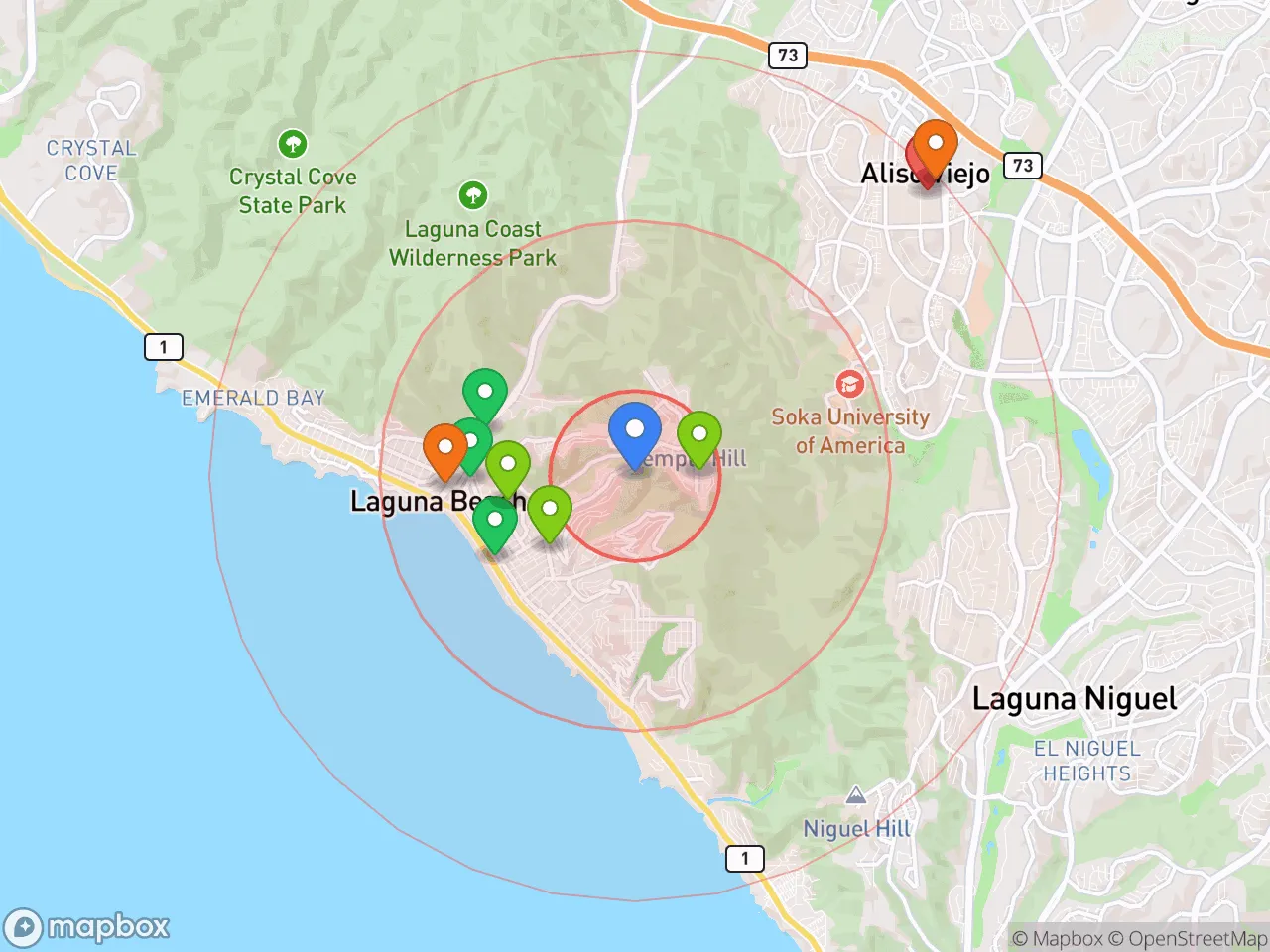
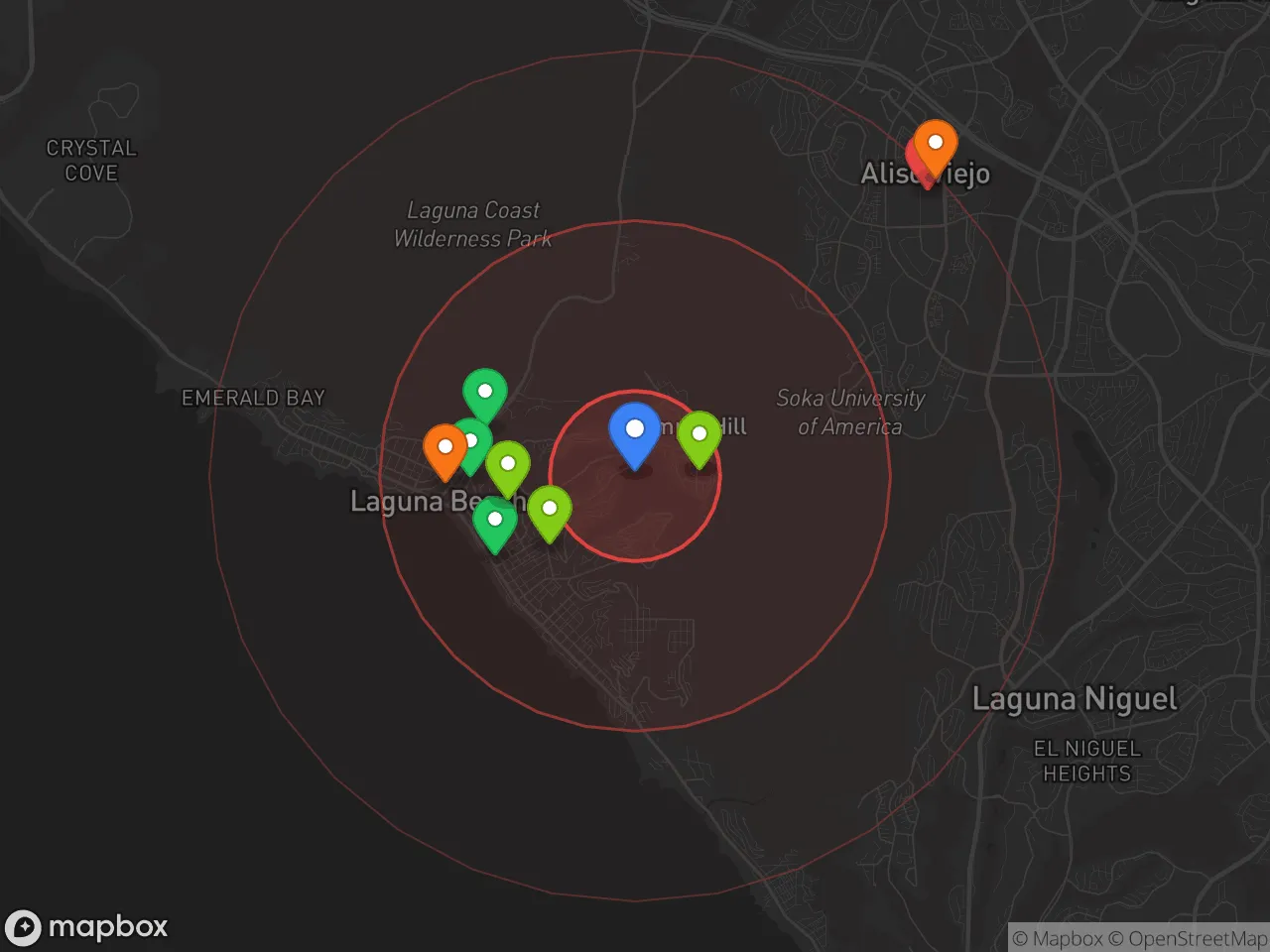
Explore the areaGroceries
7 within 10 miles
Gas
20 within 10 miles
Hospital
20 within 20 miles
Airport
SAN — San Gabriel Valley
Post Office
USPS — Laguna Beach, CA
Critical Amenities
Quality-of-Life Analysis
Laguna Beach, California, is a coastal enclave where an extraordinarily high cost of living and a median home value exceeding $2 million create a community that is overwhelmingly affluent, attracting established professionals, empty-nesters, and second-home buyers who prioritize oceanfront living and a vibrant arts scene over affordability. With a cost of living index of 428—more than four times the national average—the city’s population skews older and wealthier than the surrounding Orange County region. The daily rhythm here is defined by a blend of tourism-driven energy, a strong local arts identity, and a deep connection to the Pacific coastline, making it a distinct lifestyle choice for those who can afford it.
Cost of living, housing costs, and how Laguna Beach compares to nearby coastal cities
Laguna Beach’s housing market is among the most expensive in the United States, with a median home value of $2,000,001 and a median rent of $2,802 per month. While the rent figure appears moderate relative to the home values, it reflects a market where rental inventory is scarce and often consists of older cottages or condos rather than luxury units. Compared to neighboring Newport Beach (median home value ~$1.8 million) and Dana Point (~$1.5 million), Laguna Beach commands a premium for its dramatic canyon-and-coast geography and its reputation as an artist colony. The cost of living index of 428 means that everyday expenses—groceries, utilities, transportation—are roughly double the national average, though many residents offset this with high household incomes. The average commute time of 28.3 minutes is slightly longer than the Orange County average, as many workers drive inland to jobs in Irvine, Costa Mesa, or Santa Ana, where housing is more attainable but still expensive by national standards.
What daily life is like for families, amenities, and school quality in Laguna Beach
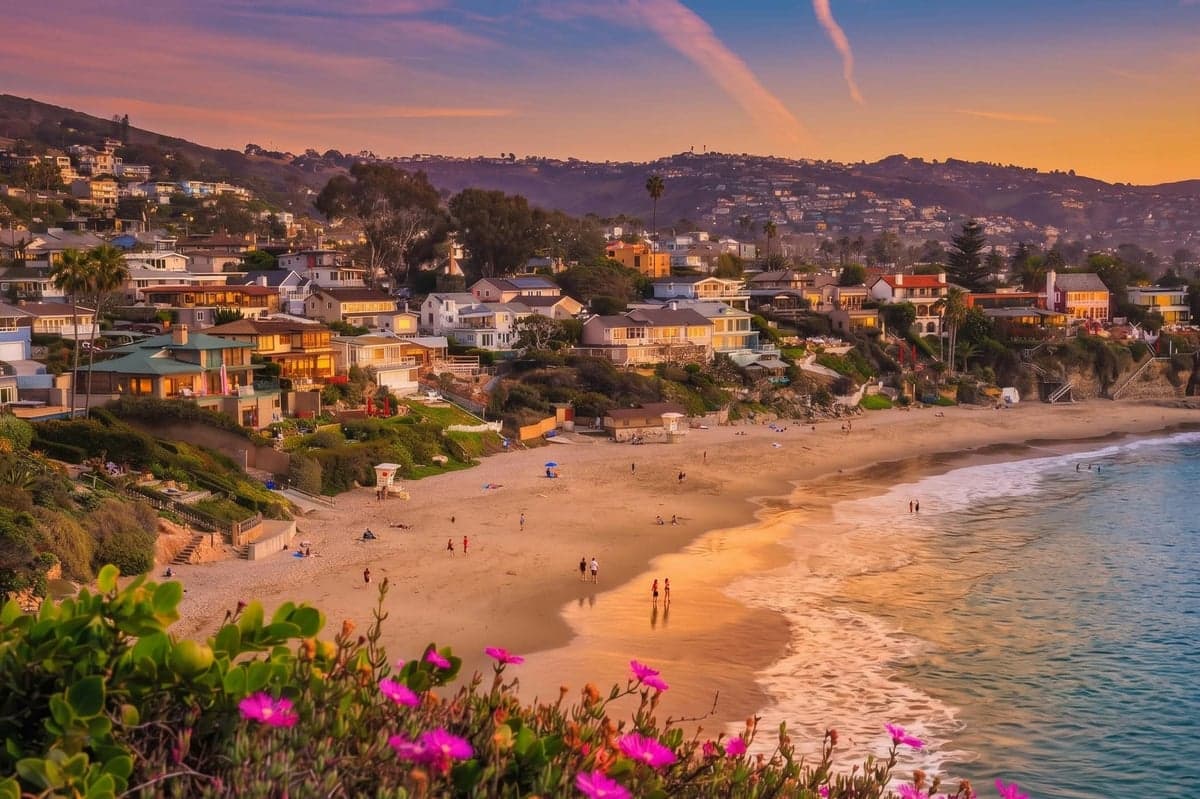
Daily life in Laguna Beach revolves around its seven miles of coastline, with residents frequently walking to beaches like Main Beach, Crescent Bay, or Thousand Steps for surfing, swimming, or tidepooling. The city’s walkable downtown village—centered on Forest Avenue and Pacific Coast Highway—is packed with art galleries, boutique shops, and restaurants that cater to both tourists and locals. The Laguna Beach Unified School District is highly rated, with Laguna Beach High School earning a GreatSchools rating of 9/10 and consistently ranking among the top high schools in California for academic performance and arts programs. Families here tend to be affluent and involved, though the lack of affordable housing means that many teachers, service workers, and young families commute in from less expensive inland cities like Mission Viejo or Lake Forest. The city’s robust arts scene—anchored by the Laguna Art Museum, the Festival of Arts, and the Pageant of the Masters—provides a cultural rhythm that sets it apart from other beach towns, with year-round events that draw both residents and visitors.
Laguna Beach is best suited for high-net-worth individuals, retirees, and creative professionals who can absorb the extreme housing costs and who value a walkable, beach-centric, culturally rich environment over suburban sprawl or urban convenience. Families with children will find excellent schools and a safe, tight-knit community, but they should be prepared for limited housing options and a lifestyle where space is often sacrificed for location. Those seeking a more affordable Orange County beach experience—or a larger home with a yard—will find better value in San Clemente or Huntington Beach, but for buyers who prioritize ocean views, artistic heritage, and a pedestrian-friendly downtown, Laguna Beach remains a singular, if exclusive, choice.

Crime in Laguna Beach, CA
Lower crime rates than 82% of comparable U.S. locations.
Violent CrimeViolent Crime Analysis
Property CrimeProperty Crime Analysis
Crime Analysis
Laguna Beach is a relatively safe coastal city compared to national averages, but its crime profile reflects the challenges of a wealthy, tourist-driven enclave near a major metropolitan area. With a violent crime rate of 187 per 100,000 residents and a property crime rate of 1,095.5 per 100,000, the city offers a mixed picture: violent incidents are uncommon, but theft and property offenses are a persistent concern, particularly in commercial and beach-adjacent zones.
Crime in context
Laguna Beach’s violent crime rate of 187 per 100,000 is roughly half the national average of 380 per 100,000, and significantly lower than the California state rate of 442 per 100,000. This places the city in a favorable position for personal safety. However, the property crime rate of 1,095.5 per 100,000 is slightly above the national average of 1,024 per 100,000, though below the California average of 1,234 per 100,000. The city’s high-value homes, luxury retail, and heavy tourist foot traffic create opportunities for theft, including vehicle break-ins and shoplifting. Notably, Laguna Beach benefits from a dedicated police force that maintains a visible presence in the downtown and beach areas, which helps keep violent crime low.
What residents experience
Residents generally report feeling safe walking alone during the day and in most residential neighborhoods at night. The most common crimes are non-violent: larceny-theft accounts for the majority of property crime, followed by motor vehicle theft and burglary. The city’s location within Orange County, a region with a mix of conservative and progressive judicial philosophies, means that sentencing for property crimes can vary. Critics note that progressive district attorneys in nearby larger jurisdictions sometimes pursue diversion programs for repeat property offenders, which can lead to a cycle of theft in affluent areas like Laguna Beach. For victims, this can feel like a lack of accountability, as stolen goods are rarely recovered and perpetrators may face minimal consequences. The city’s police department has responded with targeted patrols and community watch programs, but the underlying issue of property crime driven by regional justice policies remains a concern for long-term residents.
Neighborhood-level variation
Safety in Laguna Beach varies noticeably by area. The downtown core, Main Beach, and the Heisler Park vicinity see the highest rates of petty theft and vehicle break-ins, especially during summer weekends and holidays. In contrast, residential neighborhoods like Arch Beach Heights, Bluebird Canyon, and the gated communities of South Laguna experience significantly lower crime rates, with violent crime being extremely rare. The canyon areas (e.g., Laguna Canyon) have occasional reports of vehicle burglaries but are otherwise quiet. For prospective residents, choosing a home away from the main tourist corridors and ensuring secure parking can substantially reduce the risk of property crime. Overall, Laguna Beach is a safe place to live by national standards, but the influence of progressive criminal justice policies in the broader region means that property crime is a persistent nuisance that residents must actively manage.
* Values derived from national, state, county, city and local statistics and may differ in a specific area. Last updated: 2026-06-08T04:41:54.000Z
Narrative content on this page is AI-generated and may contain mistakes. Verify any details that matter before acting on them.
ReloMaps may earn a commission from affiliate links at no extra cost to you.

