 Popular
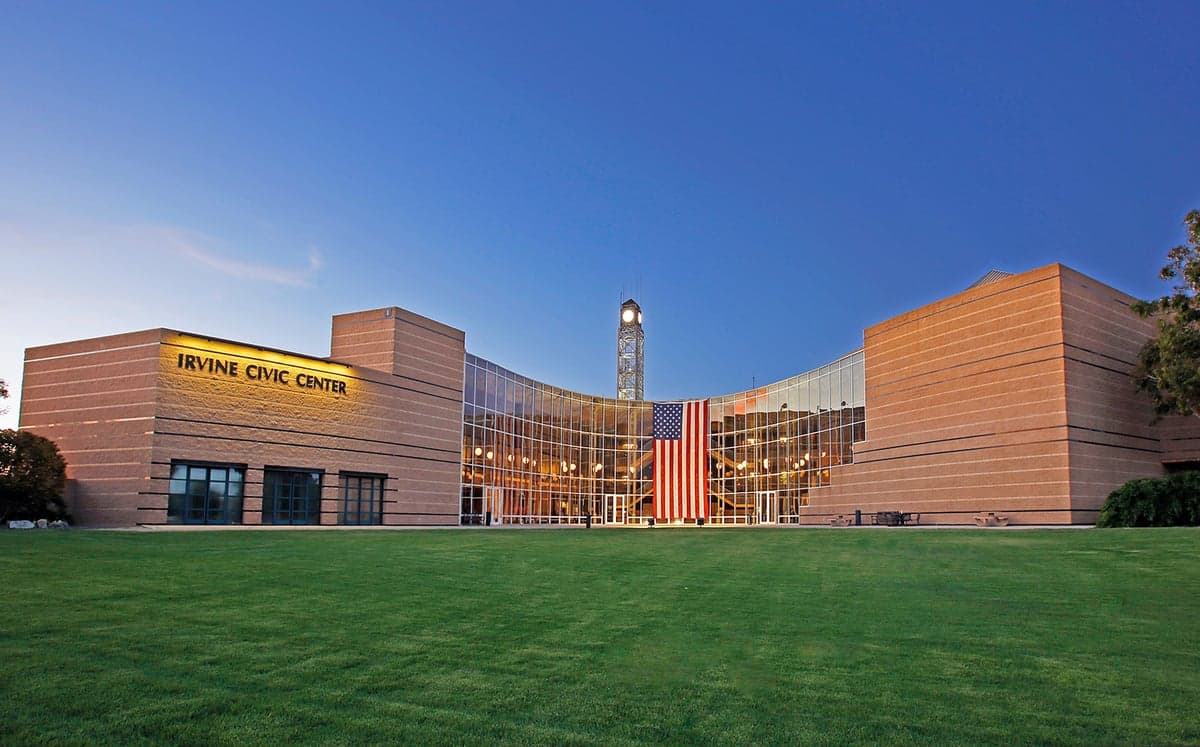
Photo: Wikipedia
Find The Best Places To Live
in Irvine
PRO TIP! You can paste a Zillow or Redfin link to get info on that property.
What It's Like Living in Irvine, CA
Living in Irvine feels a bit like being inside a master-planned diorama where everything works exactly as intended, but you have to decide whether that level of order feels like peace or pressure. It’s a city of wide, tree-lined boulevards, synchronized traffic lights, and neighborhoods that all seem to share the same HOA-approved shade of beige. The median age here is 33.9, and with a median household income of $129,647, the city attracts a specific kind of resident: young professionals working in tech or healthcare, dual-income families who moved here for the schools, and empty-nesters who traded a bigger house for a safer, more predictable environment.
The Daily Rhythm: Planned Communities and the 24-Minute Commute
Most mornings in Irvine start with a commute that, at an average of 24 minutes, is remarkably short for Southern California. That’s because the city’s layout was designed to keep major employers—like the sprawling University of California, Irvine campus, Blizzard Entertainment’s headquarters, and Edwards Lifesciences—within a 15-minute drive of most residential villages. People here don’t really “go into town” because the town is a collection of self-contained villages (Woodbridge, Turtle Rock, Quail Hill) each with its own swim club, park, and strip mall anchored by a respectable sushi spot and a yoga studio. Weekends often revolve around the Irvine Regional Park for hiking, the Spectrum Center for shopping and people-watching, or the Great Park for its balloon ride and farmers market. The weather is relentlessly pleasant—average highs in the 70s and 80s, with June Gloom burning off by noon—so outdoor dining and patio bars are a year-round habit.
Sports, Schools, and the Social Fabric
Sports culture here is less about pro teams and more about high school rivalries. Irvine High School, University High, and Woodbridge High all field competitive teams, and Friday night football games in the fall are genuine community events—parents tailgate, kids wear school colors, and the games are packed. There’s no major pro sports team in Irvine itself, but the Los Angeles Angels of Anaheim (about 15 minutes north) and the Anaheim Ducks draw plenty of residents on weekends. The city’s real identity, though, is academic. With 70.6% of adults holding a bachelor’s degree or higher, the conversation at a coffee shop or a bar is as likely to be about AP exam scores as it is about the stock market. The Irvine Unified School District is a major reason families move here—it’s consistently ranked among the top in California, and the pressure to keep up can feel intense. That said, the city also has a quirky side: the Irvine Global Village Festival in September draws 15,000 people for food and performances from dozens of cultures, and the Orange County Great Park hosts free concerts and a weekly farmers market that feels like the town square the city never had.
What You’ll Love and What Will Drive You Crazy
The biggest pro is safety. With a violent crime rate of 78.1 per 100,000—roughly one-fifth the national average—residents routinely leave doors unlocked and kids bike to the park alone. The cost of living index is 308 (more than three times the U.S. average), and the median home value is $1,115,400, so you’re paying a premium for that peace of mind. The most common frustration among long-time residents is the lack of spontaneous character. There are no dive bars, no gritty music venues, no late-night diners where you can stumble in at 2 a.m. The city’s master plan means everything is clean, safe, and predictable—but also a little sterile. Bars like The Fifth in the Diamond Jamboree center or Paul Martin’s American Grill at the Spectrum are pleasant but feel like they were designed by committee. Traffic on the 5 and 405 freeways is brutal during rush hour, though surface streets are well-timed. The seasonal rhythm is mild: summer is warm and dry, winter is cool and occasionally rainy, and there’s no real “off season” for outdoor activities.
Who Fits In—and Who Doesn’t
Irvine works best for people who value predictability, safety, and convenience over spontaneity and grit. It’s a great fit for families who want their kids to walk to top-rated schools, for tech and healthcare professionals who want a short commute, and for anyone who prefers a 10-mile bike ride on a dedicated trail to a night at a dive bar. It’s less ideal for young singles looking for a vibrant nightlife, artists who thrive on urban chaos, or anyone who finds HOA rules oppressive. The cultural identity here is polite, achievement-oriented, and quietly affluent—you’ll see more Teslas than lifted trucks, and the local farmers market has more acai bowls than funnel cakes. If you want a city that feels like a well-run resort, Irvine delivers. If you want a city that feels like a city, you’ll probably find yourself driving to Costa Mesa or Santa Ana on weekends.

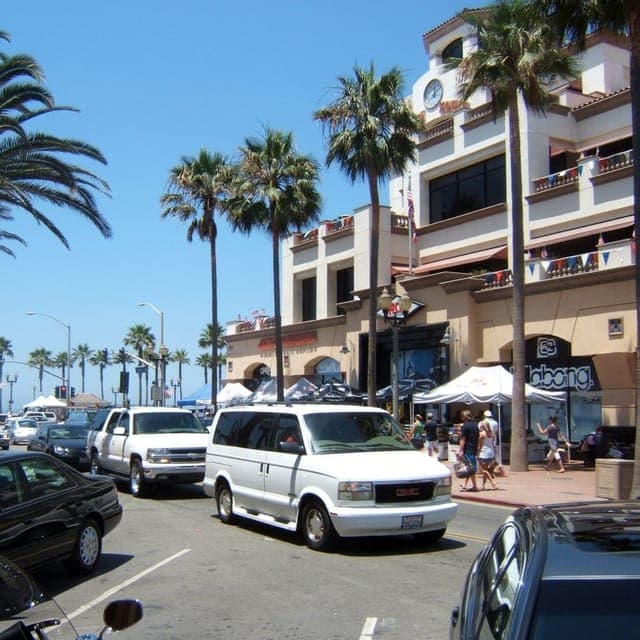
Similar mid-size cities to Irvine

* Values derived from national, state, county, city and local statistics and may differ in a specific area. Last updated: 2026-04-24T11:26:41.000Z
Narrative content on this page is AI-generated and may contain mistakes. Verify any details that matter before acting on them.
ReloMaps may earn a commission from affiliate links at no extra cost to you.

