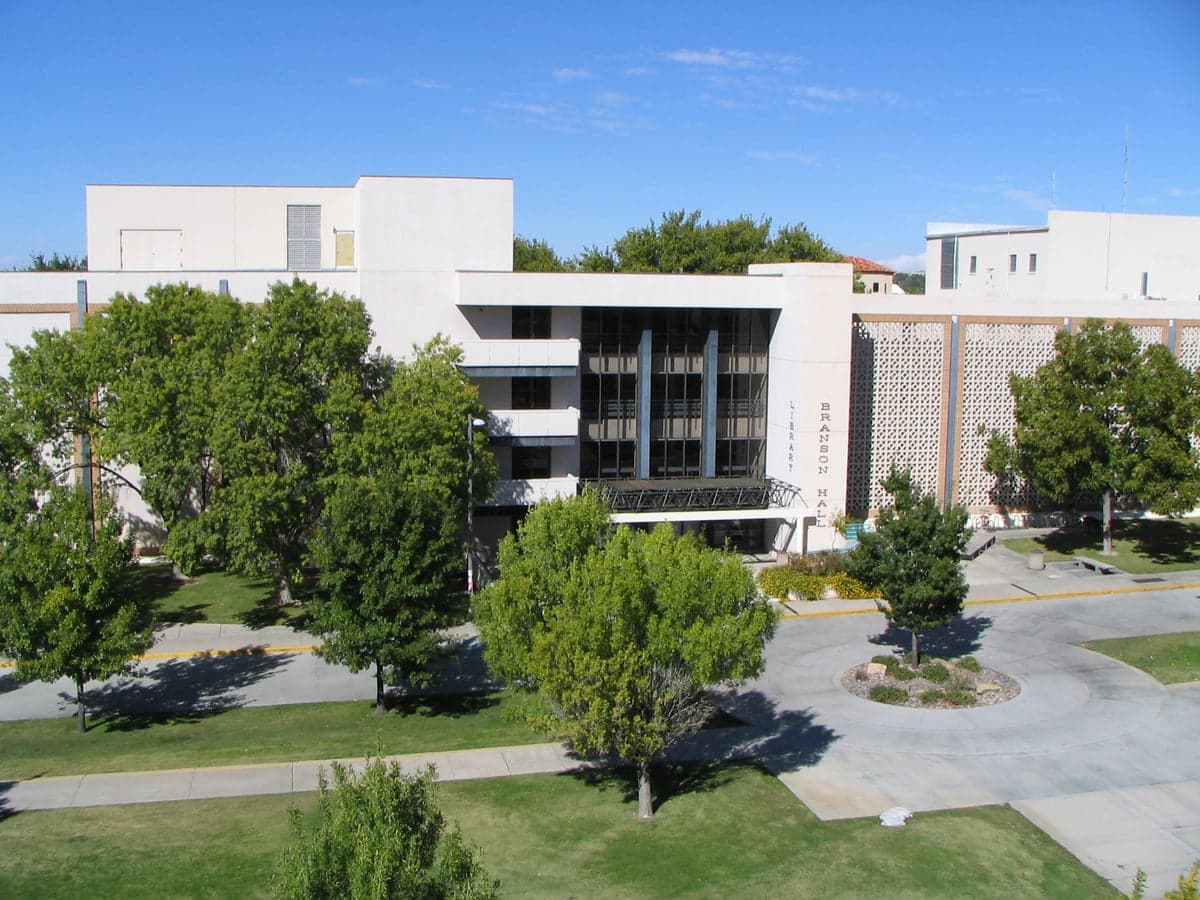


Photo: Wikipedia
Quality of Life in Las Cruces, NM
Above-average quality of iife. The area offers a reasonable cost of living, decent mobility, and a mix of neighborhood amenities.
What does Quality of Life tell us?
Quality of Life blends cost of living, nearby amenities, socioeconomic signals, and neighborhood character. City-level scores represent the whole municipality; individual neighborhoods can differ.
What does this tell us?
Quality of Life blends cost of living, nearby amenities, socioeconomic signals, and neighborhood character. City-level scores represent the whole municipality; individual neighborhoods can differ.
Cost of Living
20% below national average
The Real Cost of Living in Las Cruces, NM for 2026
| Tier | Individual | Family (4) |
|---|---|---|
| Survival | $15k | $28k |
| Comfortable | $42k | $62k |
| Luxury | $100k+ | $154k+ |
| Elite (Top 5%) | $119k+ | $185k+ |
89%
The Area Signal
A metric tracking the socioeconomic signals of the area.


Hobbies
Explore the areaGroceries
5 within 10 miles
Gas
0 within 10 miles
Hospital
3 within 20 miles
Airport
LAS — Las Cruces International
Post Office
USPS — Las Cruces, NM
Critical Amenities
Quality-of-Life Analysis
Las Cruces offers a quality of life defined by affordability and a relaxed pace, attracting a mix of retirees, remote workers, and families drawn to its low cost of living and desert climate. With a cost-of-living index of 80—20% below the national average—the area supports a modestly affluent lifestyle where housing costs leave room for discretionary spending. The population skews slightly older than the national median, reflecting its appeal to those seeking a slower rhythm, while New Mexico State University (NMSU) injects a steady stream of younger residents and academic energy.
How housing costs and everyday expenses compare to El Paso and Albuquerque
The most striking advantage of living in Las Cruces is its housing market. The median home value sits at $217,400, roughly half the national median, while the median rent of $946 is similarly low. This makes homeownership attainable for households earning the area's median income of about $52,000. Compared to nearby El Paso, Texas (COL index 84), Las Cruces is slightly cheaper overall, though Texas has no state income tax—a factor that can offset New Mexico's progressive income tax rates. Against Albuquerque (COL index 93), Las Cruces is notably more affordable, especially in housing, where Albuquerque's median home value exceeds $300,000. The average commute in Las Cruces is just 18.7 minutes, well below the national average of 26 minutes, meaning less time in traffic and more time for family or recreation. Utility costs are moderate, though summer air conditioning can spike electric bills, and grocery prices align closely with national averages.
What daily life is like for families, retirees, and outdoor enthusiasts
Daily life in Las Cruces revolves around outdoor activity and community events. The city sits in the Mesilla Valley, with the Organ Mountains-Desert Peaks National Monument offering hiking, rock climbing, and mountain biking minutes from downtown. The Las Cruces Farmers & Crafts Market, one of the largest in the Southwest, runs year-round on Saturdays and draws locals for fresh produce and artisan goods. For families, the Las Cruces Public Schools district includes several highly rated elementary schools, such as Jornada Elementary, though high school options like Las Cruces High and Mayfield High have mixed ratings; many families also consider private or charter options like the Las Cruces Academy. NMSU provides cultural programming, including the Pan American Center for concerts and Aggie sports. Healthcare is anchored by Memorial Medical Center and MountainView Regional Medical Center, both offering solid emergency and specialty care. The city's rhythm is unhurried—restaurants close earlier than in larger metros, and nightlife is limited to a handful of breweries and wine bars, reflecting the area's retiree and family orientation.
Las Cruces is best suited for those who value affordability, outdoor access, and a low-stress lifestyle over urban amenities or career density. Retirees on fixed incomes will find their dollars stretch further here than in most of the Southwest, while remote workers can leverage the low housing costs and reliable internet (though speeds vary in outlying areas). Families with young children benefit from the short commutes and safe neighborhoods, but those seeking top-tier public schools or a vibrant nightlife may find the city limiting. Professionals in specialized fields—tech, finance, or biotech—will likely need to commute to El Paso or work remotely, as local job growth is concentrated in education, healthcare, and retail. Overall, Las Cruces delivers a high quality of life for those who prioritize financial breathing room and natural beauty over career acceleration or cultural density.

Crime in Las Cruces, NM
Higher crime rates than 74% of comparable U.S. locations.
Violent CrimeViolent Crime Analysis
Property CrimeProperty Crime Analysis
Crime Analysis
Las Cruces, New Mexico, presents a crime and safety profile that demands careful consideration, particularly for those relocating from lower-crime regions. The city's violent crime rate stands at 493.4 incidents per 100,000 residents, while property crime reaches 3,655.9 per 100,000, figures that significantly exceed national averages and place public safety as a top concern for newcomers.
Crime in context
To understand Las Cruces's safety landscape, these numbers must be compared against state and national benchmarks. The national violent crime rate is roughly 380 per 100,000, meaning Las Cruces is about 30% higher. Property crime nationally averages around 1,950 per 100,000, making Las Cruces's rate nearly 87% higher than the typical U.S. city. Within New Mexico, Las Cruces's violent crime rate is slightly below the state average of approximately 780 per 100,000, but its property crime rate is notably above the state figure of about 2,900 per 100,000. This places Las Cruces in a challenging middle ground: safer than Albuquerque or Gallup, but riskier than smaller communities like Ruidoso or Los Alamos. The city's location near the U.S.-Mexico border and its status as a regional hub for retail and services contribute to these elevated property crime numbers, which include high rates of larceny and motor vehicle theft.
What residents experience
Daily life in Las Cruces involves a heightened awareness of property crime. Residents commonly report vehicle break-ins, package theft from porches, and burglaries of storage sheds and garages. Violent crime, while less frequent, is concentrated in specific areas and often tied to domestic disputes or drug-related activity. The city's justice system, influenced by progressive policies common in New Mexico's larger metro areas, has drawn criticism for prioritizing rehabilitation over incarceration. Critics argue that lenient sentencing and early release programs for property and drug offenders contribute to a cycle of recidivism, directly impacting public safety. For example, repeat offenders convicted of auto theft or burglary may receive probation or short jail terms, returning to the same neighborhoods quickly. This approach, while intended to reduce prison overcrowding, can leave residents feeling that the system fails to deter crime or adequately support victims.
Neighborhood-level variation is significant. The Mesilla Valley area, including the historic district of Mesilla, generally reports lower crime rates. The Sonoma Ranch and East Mesa areas are considered safer, with fewer incidents per capita. In contrast, the central city near the university (New Mexico State University) and older neighborhoods west of I-25, such as the Alameda District, experience higher concentrations of both property and violent crime. Gated communities and newer subdivisions on the city's outskirts tend to have the lowest crime rates. Prospective residents are advised to consult local crime mapping tools and speak with law enforcement about specific blocks, as safety can vary dramatically even within a single zip code. The overall picture is one where proactive personal security measures—such as home alarm systems, steering wheel locks, and neighborhood watch participation—are considered standard practice rather than optional precautions.
* Values derived from national, state, county, city and local statistics and may differ in a specific area. Last updated: 2026-04-19T11:34:06.000Z
Narrative content on this page is AI-generated and may contain mistakes. Verify any details that matter before acting on them.
ReloMaps may earn a commission from affiliate links at no extra cost to you.

