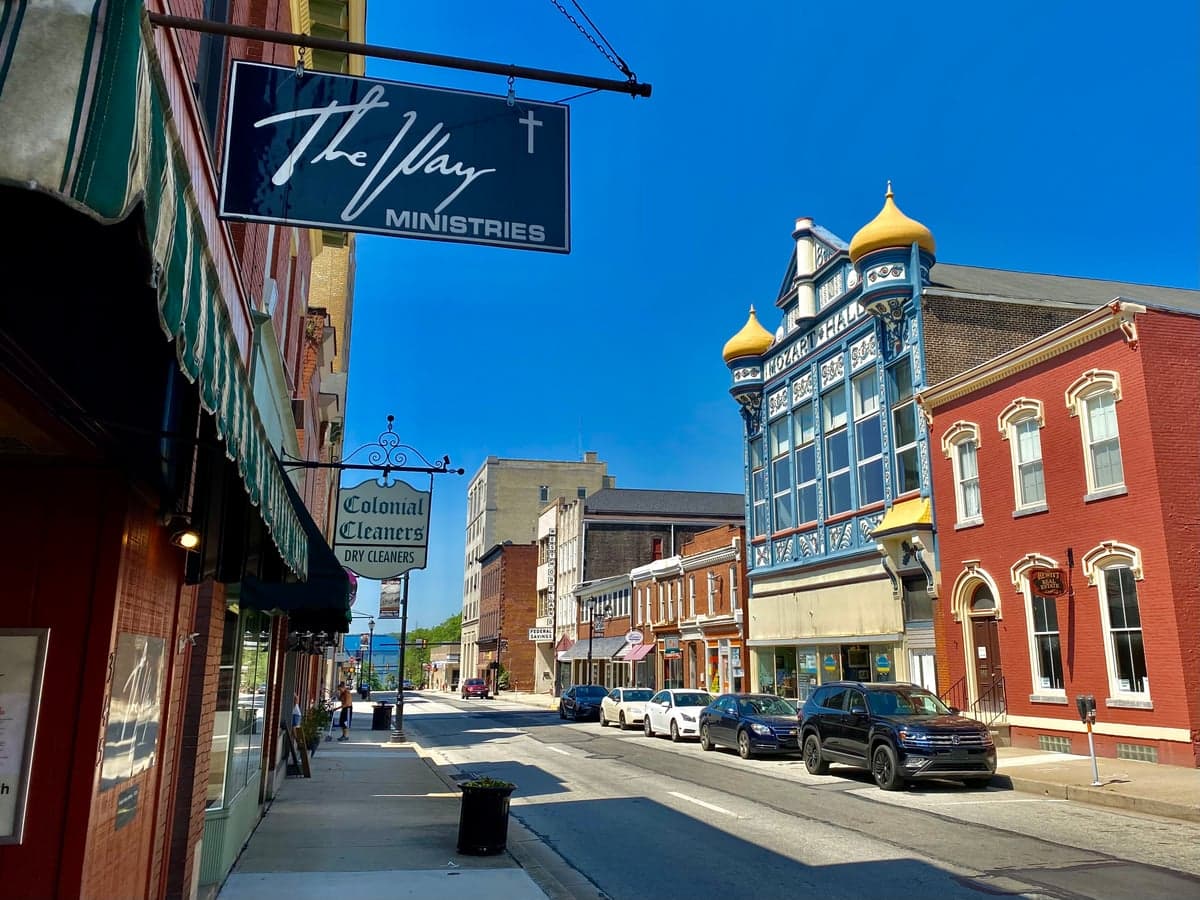
Photo: Wikipedia
Strategic Assessment of Latrobe, PA
Meaningful friction. Expect exposure to either population pressure, blast zones, or natural disaster risk. Consider buying a retreat property.
What does the Strategic Assessment tell us?
Our Strategic Assessment grades tactical survivability of an area. Major population centers, military targets, fallout zones, natural disasters, and border exposure all drive risk — lower exposure means a more defensible position in a crisis.
This is heavily inspired by Joel Skousen's Strategic Relocation book. Highly recommended you checkout the book ($)What does this tell us?
Our Strategic Assessment grades tactical survivability of an area. Major population centers, military targets, fallout zones, natural disasters, and border exposure all drive risk — lower exposure means a more defensible position in a crisis.
This is heavily inspired by Joel Skousen's Strategic Relocation book. Highly recommended you checkout the book ($)Strategic Pillars

Key Distances
Regional Safe Places
Below is our recommended "safe zones" in Pennsylvania and the surrounding area based on our strategic heuristics. For most people, it's unrealistic to live in a “safe zone” full-time due to work, family or other personal reasons. They tend to be more rural. However, many of these areas are perfect for second homes and retreat properties that double as a vacation home or even a short-term rental.
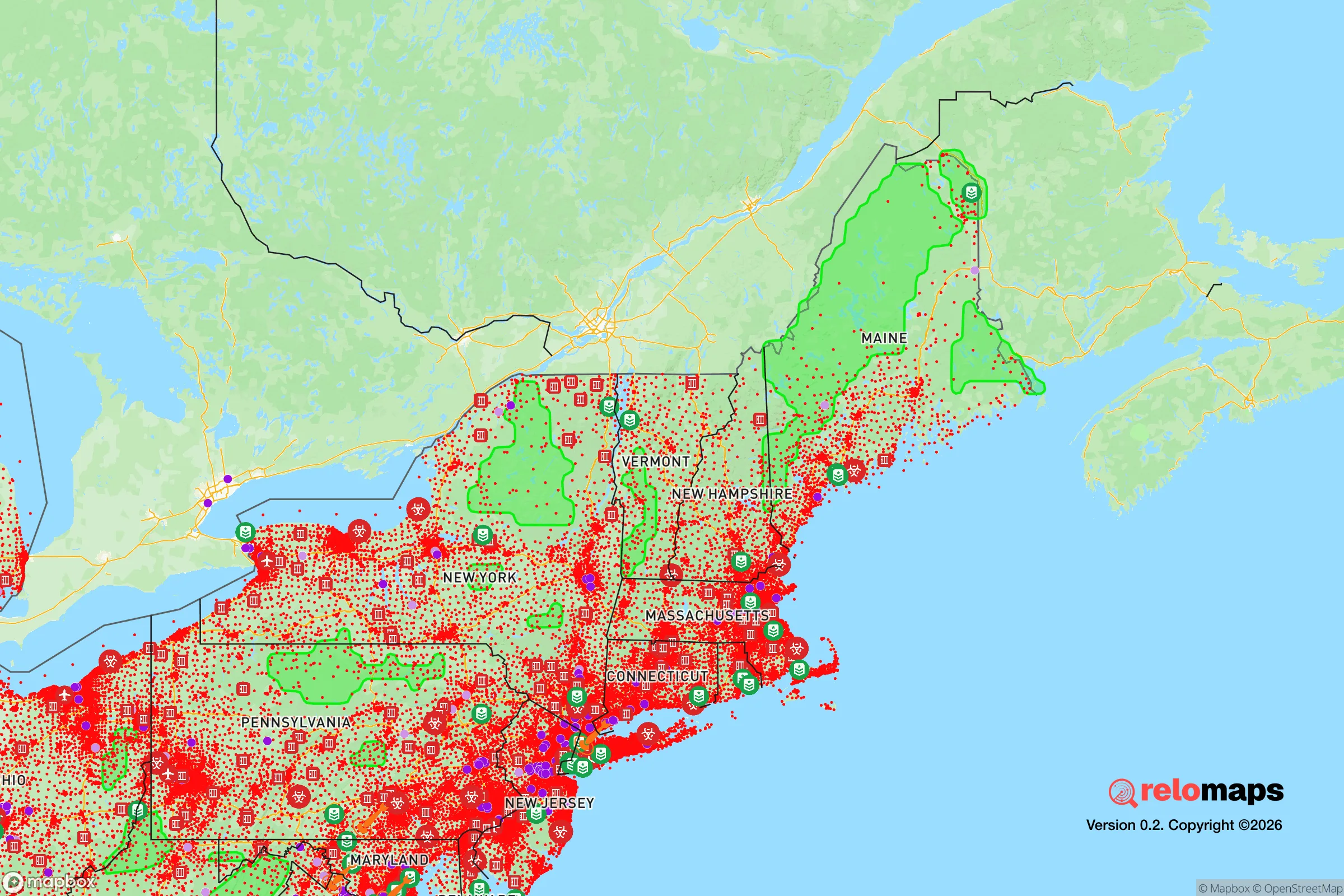
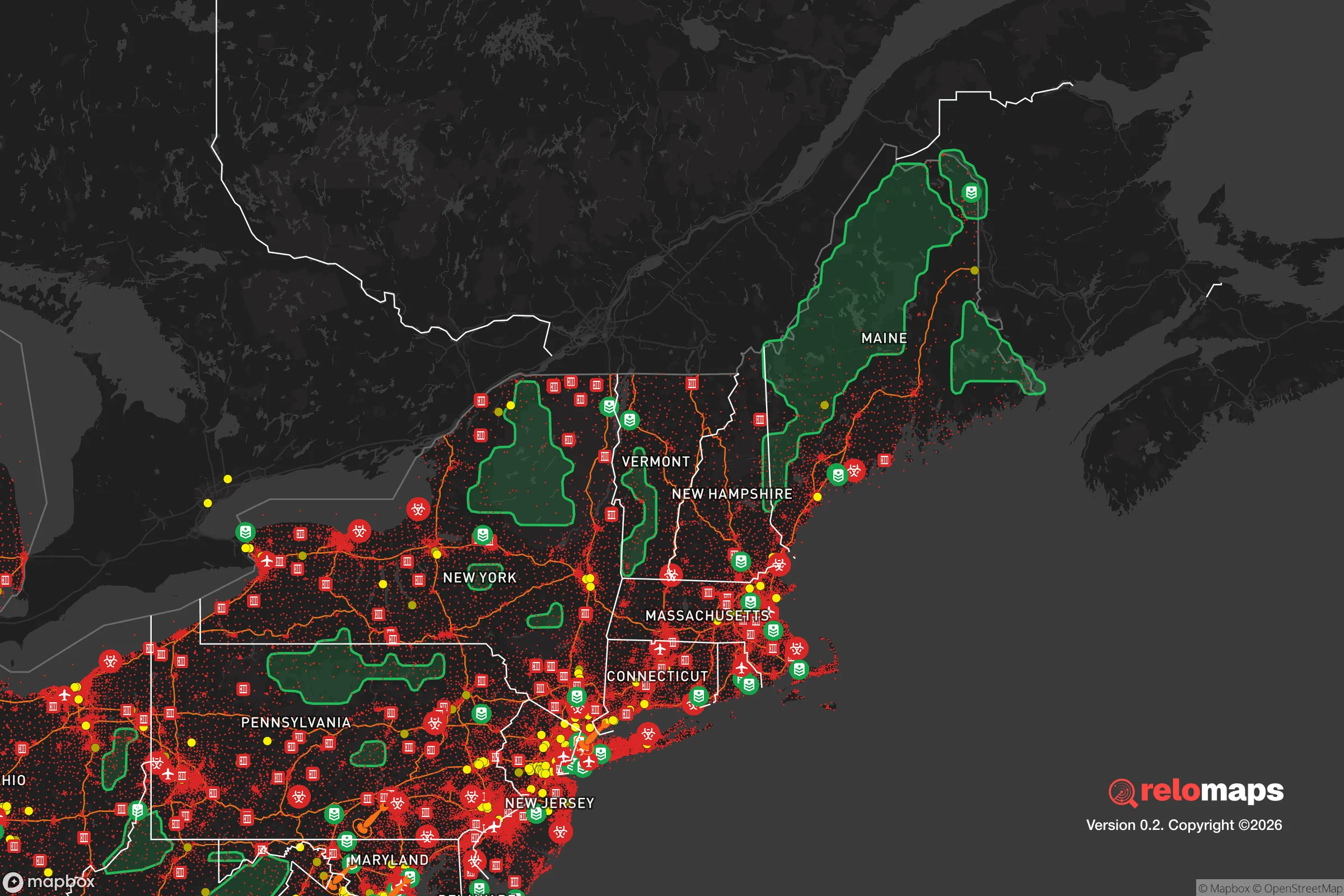


Important Note: For informational purposes only. This does not mean nothing bad ever happens in the green zones. Please use common sense. This is based on public data and modeled with AI. We tried to take a conservative approach but mistakes happen. We update this regularly as new information becomes available.
Solar Generator Recommendations
Backup power matters more here than in safer locations. We've picked three solar generators across budgets and capacity tiers — start with the budget unit if you only need a few essentials, or step up if you want to run a fridge and HVAC for days at a time.

Jackery Portable Power Station Explorer 300
Budget OptionPower on the Go: Weighing only 11 lbs, it's convenient to set up and store with book-sized foldable solar panels

BLUETTI Portable Power Station AC180
Designed for both indoor and outdoor scenarios, AC180 is highly capable as it has a robost capacity and continuous output power.

EF ECOFLOW DELTA Pro Ultra Power Station
Upgraded PickEcoFlow DELTA Pro Ultra is a whole-home energy system designed to grow with your family. Integrated with the Smart Home Panel 2, it scales to meet your evolving energy needs — keeping your home powered, intelligent, and secure through every stage of life.
We earn a commission, at no additional cost to you.
Strategic Assessment Analysis
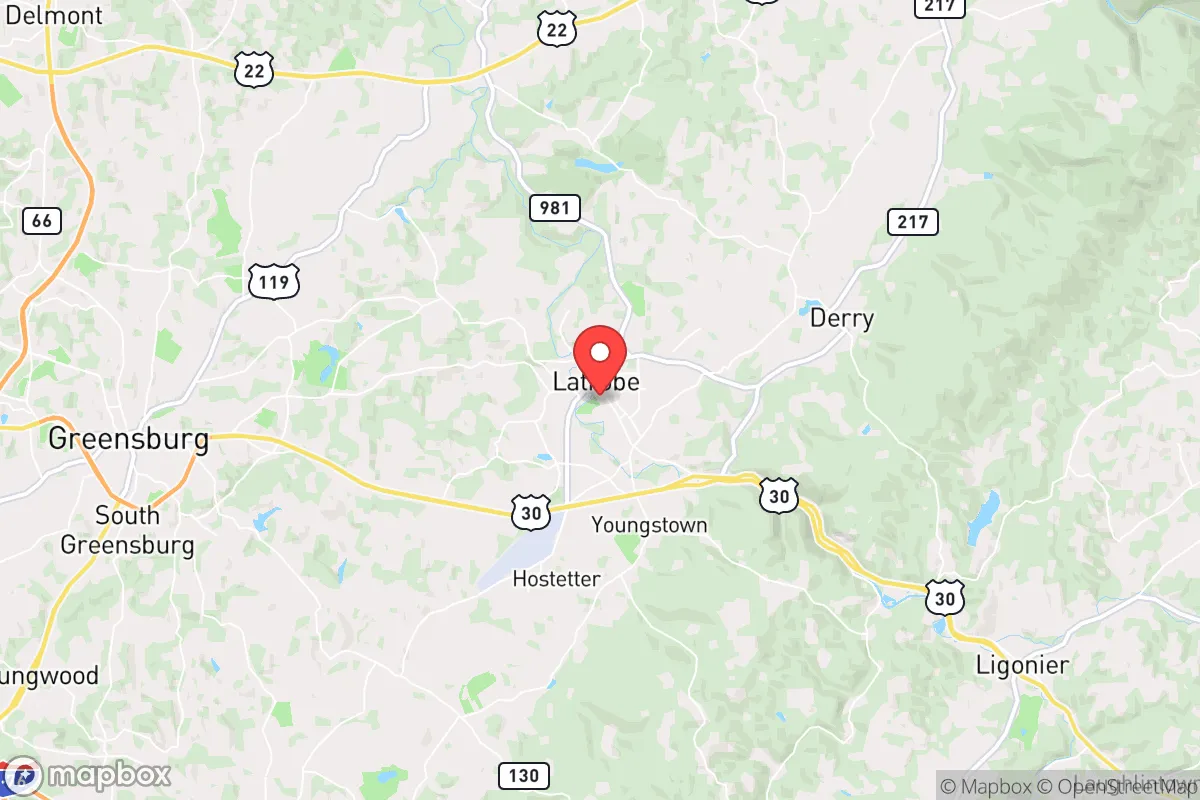
Latrobe, Pennsylvania, occupies a strategic position in the Laurel Highlands that offers a meaningful blend of geographic insulation and practical self-sufficiency for those prioritizing disaster readiness. Located roughly 40 miles southeast of Pittsburgh and 30 miles northeast of West Virginia, the area sits in a corridor that avoids the direct blast and fallout zones of major metropolitan targets while retaining access to critical supply chains and regional infrastructure. For a relocator weighing resilience against convenience, Latrobe presents a credible middle-ground option — close enough to urban resources to be practical, far enough to avoid the worst of a major disruption.
Geographic position and natural advantages for long-term stability
Latrobe’s location in the foothills of the Allegheny Mountains provides several inherent resilience advantages. The terrain is rolling and wooded, with elevations around 1,000 feet that offer natural line-of-sight protection and reduce the risk of flooding compared to low-lying river towns. The area sits within the Laurel Highlands, a region known for its abundant freshwater sources, including Loyalhanna Creek, which runs through the town, and the larger Conemaugh River system a few miles north. These water bodies are fed by reliable Appalachian rainfall — roughly 40 inches annually — and are less susceptible to drought than many western states. The surrounding forests, part of the larger Forbes State Forest complex, provide a natural buffer against wind and storm damage, as well as a source of firewood and game for those with the skills to harvest them. The region’s karst geology also means numerous springs and seeps, which can serve as emergency water sources if municipal systems fail. For a relocator, the key takeaway is that Latrobe sits in a zone where water, wood, and cover are naturally abundant, reducing dependence on fragile supply lines.
Risks, exposures, and proximity to fallout-relevant landmarks
No location is risk-free, and Latrobe has specific vulnerabilities that a strategic relocator must weigh. The most significant man-made risk is its proximity to the Pittsburgh metropolitan area, which, with its population of 2.3 million, is a plausible target for a nuclear or EMP attack. At 40 miles, Latrobe is outside the likely blast radius of a single warhead but within the zone of moderate fallout if prevailing winds carry debris eastward. The area is also within 60 miles of the Beaver Valley Nuclear Power Station (Shippingport, PA), a pressurized water reactor that, while well-regulated, represents a potential radiological release point. On the natural hazard side, the region faces occasional flash flooding from heavy rain events, particularly along Loyalhanna Creek, and winter storms that can drop 30-60 inches of snow annually, occasionally disrupting power for days. Tornado risk is low but not zero — the area averages one or two weak tornadoes per decade. Seismic activity is negligible. The area’s karst topography also means sinkholes are a minor but real concern, particularly near old mining areas. On balance, the risk profile is moderate: the primary threats are fallout from a distant strike and winter-related infrastructure disruption, both of which are manageable with preparation.
Practical resilience for a relocator: food, water, energy, and defensibility
For someone serious about self-sufficiency, Latrobe offers a workable baseline. Water security is the strongest asset: the Loyalhanna Creek watershed is perennial, and many rural properties have private wells that draw from the deep sandstone aquifers of the Appalachian Plateau. Municipal water comes from the Latrobe Municipal Authority, which draws from surface reservoirs, but a backup well or rainwater catchment system is straightforward to install. Food production is viable, with a growing season of roughly 150 days (May to October) and fertile, well-drained soils in the valley bottoms. The area has a strong agricultural heritage — Westmoreland County is among Pennsylvania’s top producers of corn, hay, and livestock — and local farmers’ markets operate year-round in nearby Greensburg and Ligonier. For those wanting to hunt, the surrounding state game lands offer deer, turkey, and small game, though pressure is moderate. Energy resilience is a mixed picture: grid power is reliable under normal conditions, but winter storms can cause outages lasting 24-72 hours. Wood heat is the most practical backup, with abundant firewood available for $150-200 per cord delivered. Solar potential is moderate — the region gets about 200 sunny days per year, less than the Southwest but enough for a grid-tied system with battery backup. Natural gas is widely available in the area, thanks to the Marcellus Shale fields, and many homes have gas furnaces that can run without grid power if the blower is battery-backed. Defensibility is reasonable: the terrain is hilly and wooded, with limited choke points on the main roads (Route 30 and Route 981). The town itself is compact, with a population of about 8,000, making it easier to secure a perimeter than a sprawling suburb. However, the area is not remote — it’s a 15-minute drive to Greensburg and 40 minutes to Pittsburgh — so a determined threat could reach it. The best strategy is to choose a property on a dead-end road or at the end of a valley, where natural terrain provides a buffer.
The overall strategic picture for Latrobe is that of a balanced, low-drama location for a relocator who wants to be prepared without living off-grid in a bunker. It offers genuine water abundance, decent agricultural potential, and a location that avoids the worst of both urban and remote extremes. The trade-offs are real: you’re close enough to Pittsburgh to be affected by its collapse, and winter storms will test your preparedness annually. But for a family or individual willing to invest in a well, a wood stove, and a modest food garden, Latrobe provides a foundation that is both practical and livable. It’s not a fortress, but it’s a place where a thoughtful person can build a resilient life without sacrificing all the conveniences of modern America.

* Values derived from national, state, county, city and local statistics and may differ in a specific area. Last updated: 2026-08-24T07:10:29.000Z
Narrative content on this page is AI-generated and may contain mistakes. Verify any details that matter before acting on them.
ReloMaps may earn a commission from affiliate links at no extra cost to you.

