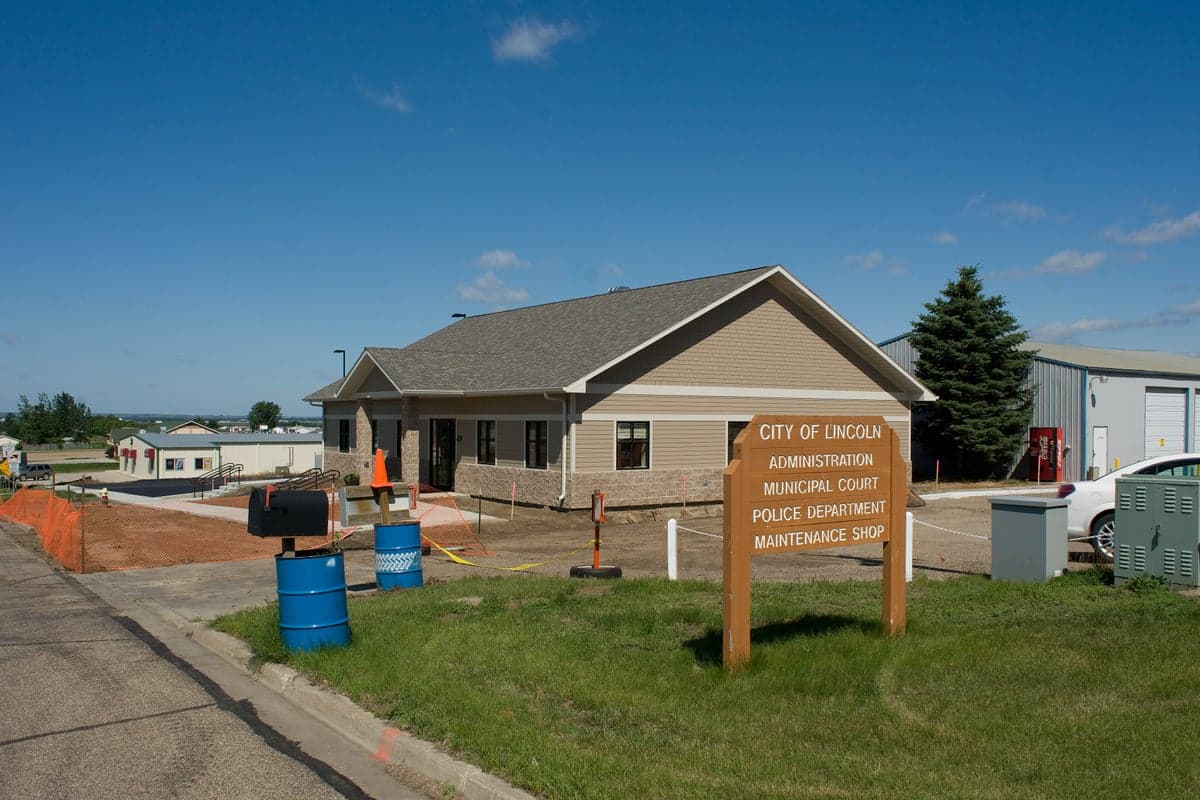
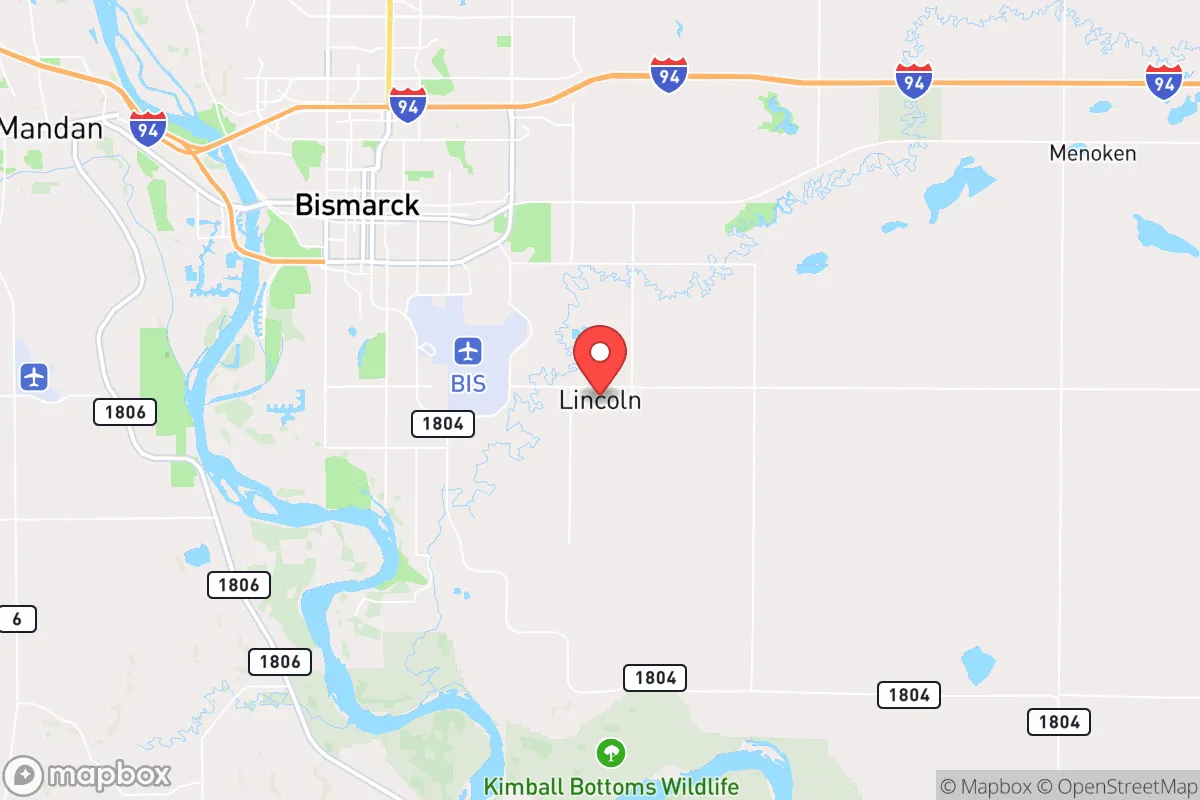
Photo: Wikipedia
Quality of Life in Lincoln, ND
A livable area that tracks near national norms for affordability, walkability, and neighborhood health.
What does Quality of Life tell us?
Quality of Life blends cost of living, nearby amenities, socioeconomic signals, and neighborhood character. City-level scores represent the whole municipality; individual neighborhoods can differ.
What does this tell us?
Quality of Life blends cost of living, nearby amenities, socioeconomic signals, and neighborhood character. City-level scores represent the whole municipality; individual neighborhoods can differ.
Cost of Living
The Real Cost of Living in Lincoln, ND for 2026
| Tier | Individual | Family (4) |
|---|---|---|
| Survival | $20k | $37k |
| Comfortable | $50k | $74k |
| Luxury | $103k+ | $160k+ |
| Elite (Top 5%) | $121k+ | $188k+ |
113%
The Area Signal
A metric tracking the socioeconomic signals of the area.


Limited data for this area
Limited data for this area
Hobbies
Explore the areaGroceries
4 within 10 miles
Gas
0 within 10 miles
Hospital
3 within 20 miles
Airport
JFK — John F. Kennedy Memorial
Post Office
USPS — Bismarck, ND
Critical Amenities
Quality-of-Life Analysis
Lincoln, North Dakota, presents a quality of life defined by above-average affluence and a strong sense of community, attracting a mix of young families, professionals, and retirees seeking a quieter alternative to nearby Bismarck. With a cost of living index of 100—exactly on par with the national average—residents enjoy a balance of affordability and access to amenities that is increasingly rare in the Upper Midwest. The population skews toward homeowners and those with higher educational attainment, reflecting a stable, family-oriented demographic that values space, safety, and short commutes.
Cost of living, housing affordability, and how Lincoln compares to Bismarck
Lincoln’s cost of living is a standout feature, offering a median home value of $259,400 and a median rent of $1,222—both figures that undercut the national averages for similar-sized communities while remaining slightly above the broader Burleigh County median. Compared to Bismarck, just 10 minutes away, Lincoln’s housing market is notably more affordable: Bismarck’s median home value hovers around $285,000, and its rents average $1,350. This price gap allows Lincoln residents to secure more square footage and larger lots for less money. The average commute of 18 minutes is a significant quality-of-life advantage, well below the national average of 26 minutes, meaning less time in traffic and more time at home. Property taxes in North Dakota are among the lowest in the nation, further stretching household budgets, though buyers should note that Lincoln’s newer subdivisions often come with higher HOA fees than older Bismarck neighborhoods.
Amenities, schools, and what daily life feels like in Lincoln
Daily life in Lincoln revolves around its tight-knit, suburban character, with most errands and social activities centered on the small downtown core and the nearby Missouri River recreation areas. The Lincoln Public School District serves the community with two elementary schools and a middle school, while high school students attend Bismarck High School or Century High School—both rated above average on GreatSchools. For daily needs, residents rely on a handful of local shops, a grocery store, and a few casual dining spots; for major shopping, healthcare, and entertainment, Bismarck’s Gateway Mall, Sanford Health, and the Bismarck Event Center are a 15-minute drive. Outdoor amenities include the Lincoln Community Park, with sports fields and playgrounds, and the nearby Fort Abraham Lincoln State Park for hiking and history. The rhythm is slow and predictable: families walk their dogs, kids ride bikes on quiet streets, and weekend traffic is minimal. The lack of a major hospital or a full-service grocery chain within town limits is a noted drawback, but most residents accept the short drive as a trade-off for the peace and low crime rates.
This quality of life is best suited for those who prioritize space, safety, and a predictable routine over urban energy and walkability. Young families will appreciate the strong schools and short commutes, while retirees will find the low taxes and quiet streets appealing. Professionals working in Bismarck’s energy, healthcare, or government sectors will benefit from the affordability and the 18-minute commute. However, singles seeking nightlife, renters wanting a dense urban core, or those without a car may find Lincoln too car-dependent and quiet. For anyone who values a suburban sanctuary with solid schools and a cost of living that doesn’t strain the budget, Lincoln offers a compelling, grounded option in central North Dakota.

Crime in Lincoln, ND
Lower crime rates than 95% of comparable U.S. locations.
Violent CrimeViolent Crime Analysis
Property CrimeProperty Crime Analysis
Crime Analysis
Lincoln, North Dakota, reports a violent crime rate of 43.8 per 100,000 residents and a property crime rate of 416.5 per 100,000, figures that place it among the safest communities in the state. These rates are significantly lower than both the North Dakota averages and national benchmarks, making Lincoln a standout for safety-conscious homebuyers and renters. However, as a small city adjacent to the larger metro area of Bismarck, Lincoln is not immune to the broader regional crime dynamics that can be influenced by policies in the surrounding county.
Crime in context
Lincoln’s violent crime rate of 43.8 per 100,000 is roughly one-eighth the national average of about 380 per 100,000 and well below North Dakota’s state rate of approximately 330 per 100,000. Property crime in Lincoln, at 416.5 per 100,000, is also far lower than the national average of roughly 1,950 per 100,000 and the state average of about 1,600 per 100,000. These numbers reflect a community where serious offenses like homicide, robbery, and aggravated assault are rare events. The low crime rates are consistent with Lincoln’s profile as a family-oriented suburb with a strong sense of community and active neighborhood watch programs.
What residents experience
Daily life in Lincoln is characterized by a general sense of security, with most crime limited to minor property offenses such as theft from vehicles or unlocked garages. The city’s small size—home to roughly 4,500 residents—means that police response times are typically fast, and officers are often familiar with the community. Residents report feeling safe walking at night and letting children play outside. However, as part of the Bismarck-Mandan metropolitan area, Lincoln is affected by regional trends. Burleigh County, which includes Bismarck, has seen a rise in drug-related offenses and property crime linked to the region’s oil and gas economy. Progressive judicial policies in Burleigh County, including a focus on diversion programs and reduced sentencing for non-violent offenders, have been cited by local law enforcement as contributing to a higher recidivism rate and a perception that property crime carries few consequences. While Lincoln itself remains insulated from the worst of these effects, residents should be aware that the broader metro area’s justice system may not prioritize public safety as aggressively as in more conservative rural counties.
Neighborhood-level variation in Lincoln is minimal, as the city is largely composed of newer subdivisions with consistent housing stock and demographics. The most significant safety difference is between the older core near Highway 83 and the newer developments on the city’s east side, where newer homes often have better lighting and more active homeowners’ associations. No specific neighborhoods in Lincoln have a reputation for elevated crime, but residents near the city’s southern edge, closer to the Bismarck city limits, report slightly higher instances of vehicle break-ins. Overall, Lincoln’s crime data and resident experiences paint a picture of a safe, tight-knit community that benefits from its small size and proactive policing, even as it navigates the challenges of being part of a larger metro area with more lenient criminal justice policies.
* Values derived from national, state, county, city and local statistics and may differ in a specific area. Last updated: 2026-04-19T05:50:54.000Z
Narrative content on this page is AI-generated and may contain mistakes. Verify any details that matter before acting on them.
ReloMaps may earn a commission from affiliate links at no extra cost to you.

