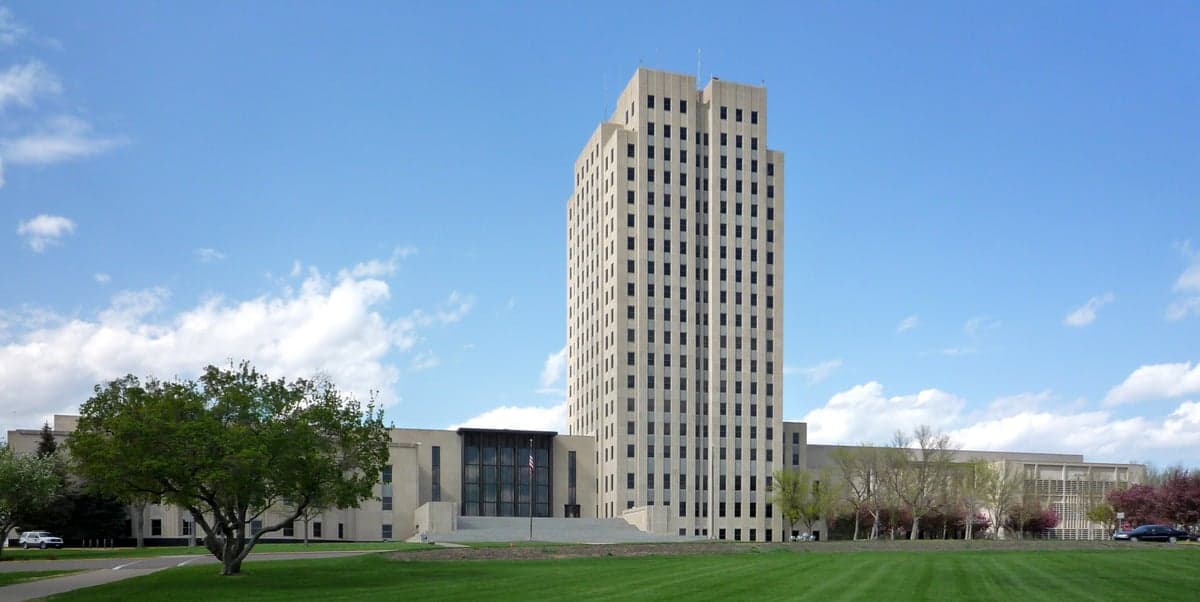
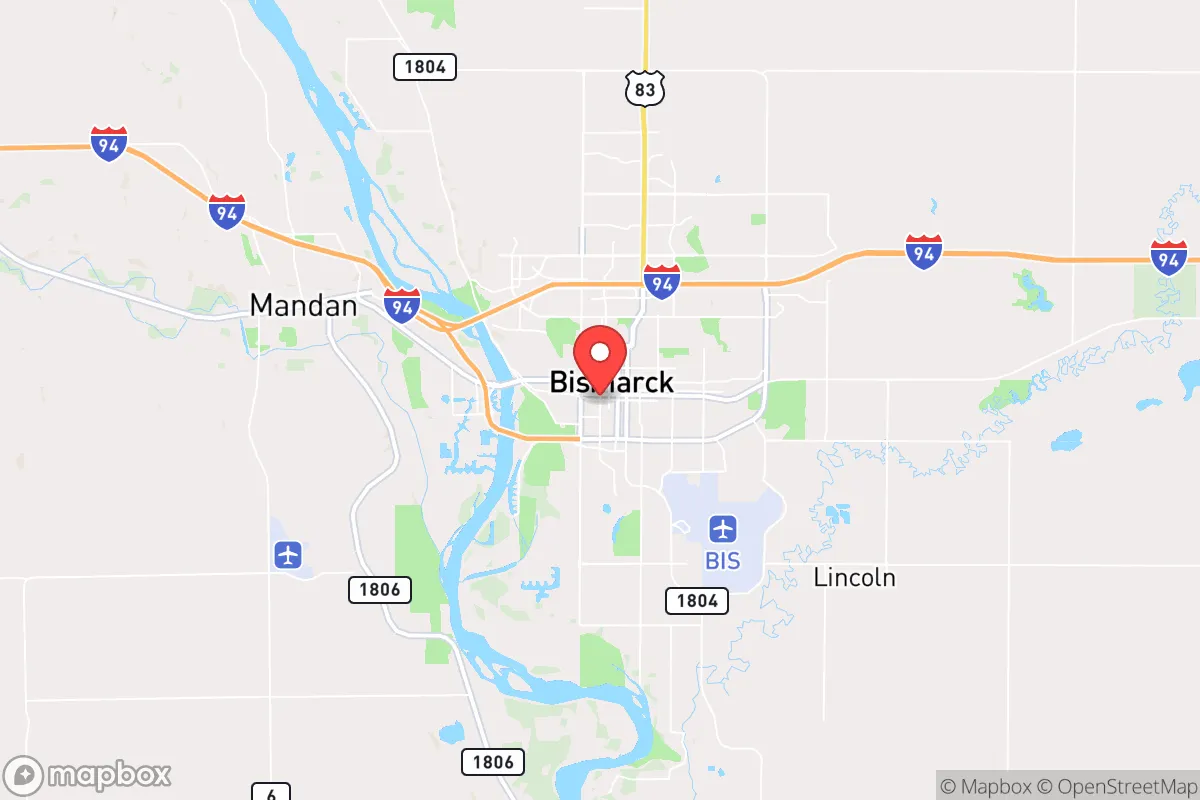
Photo: Wikipedia
Find The Best Places To Live
in Bismarck
PRO TIP! You can paste a Zillow or Redfin link to get info on that property.
What It's Like Living in Bismarck, ND
Living in Bismarck feels a bit like stepping into a friendly, well-organized small city that knows exactly what it is. It’s the state capital, but it lacks the frantic energy of a big political hub—think more “government town with a strong Main Street vibe” than “marble-hall hustle.” The Missouri River cuts through the west side, giving the place a natural anchor, and the pace of life is deliberate, not rushed. People here tend to know their neighbors, wave at passing cars on residential streets, and actually show up for high school football games on Friday nights.
The Daily Rhythm: Work, Errands, and the 15-Minute Commute
The most striking thing about daily life in Bismarck is how much time you get back. The average commute clocks in at just over 15 minutes, which means the morning grind is more of a gentle coast. You can live on the south end near the Sanford Health medical campus—the city’s largest employer—and still be home for lunch. Most errands are concentrated along the main commercial corridors like State Street and the 3rd Street corridor, where you’ll find national chains alongside local standbys like Butcher Block Meats for a good steak or Space Aliens Grill & Bar for a quirky family dinner. The median household income sits at $77,608, which, paired with a cost of living index of 93 (below the national average), means disposable income stretches further than in many places. People spend weekends on yard work, river walks, or grabbing coffee at Kumla—a local Scandinavian-inspired café that doubles as a community bulletin board.
Sports, Seasons, and the Community Glue
Sports here are less about professional franchises and more about genuine local pride. Bismarck High School football and Century High School basketball draw real crowds—think 2,000 people on a cold October night, bundled up and cheering like it’s a state championship (which it often is). The Bismarck Bobcats of the NAHL draw a loyal following for junior hockey, and the Bismarck Larks (summer collegiate baseball) offer cheap, family-friendly evenings at Bismarck Municipal Ballpark. The biggest event of the year is arguably the North Dakota State Fair in nearby Minot, but locally, the Bismarck Marathon and the Downtown Street Fair in July pack the streets with vendors, live music, and food trucks. The Missouri River provides the outdoor backbone—fishing, kayaking, and the Fort Abraham Lincoln State Park just south of town offer hiking and horseback riding through reconstructed Mandan earthlodges.
Who Fits Here—and Who Might Not
Bismarck works best for people who value stability, community, and a slower tempo. The median age is 38.2, and 38.7% of adults hold a college degree, so the workforce skews professional—state government, healthcare (Sanford and CHI St. Alexius), and energy (oil and gas support offices) dominate. It’s a place where raising kids feels manageable: schools are well-regarded, and the violent crime rate of 237.3 per 100,000 is below the national average, though property crime can be an annoyance in certain neighborhoods. The cultural vibe is polite and reserved—people are friendly but not pushy, and newcomers often join churches, the Bismarck Parks & Recreation District sports leagues, or volunteer at the Dakota Zoo to build a social circle. The downside? Winters are long and real. From November through March, temperatures often dip below zero, and the wind off the river can make a 20-degree day feel brutal. Seasonal affective disorder is a genuine topic of conversation, and the restaurant scene, while solid, lacks the variety you’d find in a larger metro—you’ll eat a lot of Midwest comfort food (hotdish, walleye, and lefse) unless you cook international cuisine at home.
Pros and Cons of Living Here
- Pro: Genuine affordability. The median home value of $291,400 means a family can buy a solid three-bedroom house on a single median income without being house-poor. Rentals are also reasonable.
- Con: Isolation. The nearest major city (Minneapolis) is a six-hour drive. Weekend getaways are limited to smaller towns like Medora or the Badlands—beautiful, but not a substitute for urban amenities.
- Pro: Low-stress commute. That 15-minute average is real. You can live on the outskirts and still be downtown in under 20 minutes, even in winter.
- Con: Limited nightlife. Bars like The Toasted Frog and Laughing Sun Brewing are great for a casual pint, but if you want live music beyond cover bands or a late-night food scene, you’ll be disappointed.
- Pro: Strong sense of safety. People leave doors unlocked in certain neighborhoods, and kids walk to school without constant parental chaperoning.
- Con: Weather extremes. The cold is manageable with the right gear, but the lack of sunlight in December and January wears on even the most resilient residents.
Bismarck isn’t trying to be the next Austin or Denver. It’s a place where people trade urban intensity for breathing room, where the river and the prairie set the backdrop, and where the biggest decision on a Saturday might be whether to hit the farmers’ market or the trail along the Missouri. For those who value community, predictability, and a lower cost of living, it’s a surprisingly easy place to call home.

Similar small cities to Bismarck
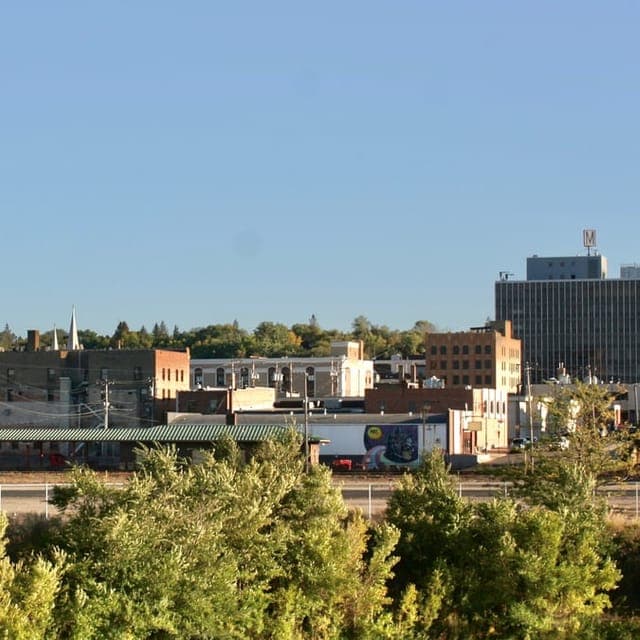
* Values derived from national, state, county, city and local statistics and may differ in a specific area. Last updated: 2026-04-19T09:11:23.000Z
Narrative content on this page is AI-generated and may contain mistakes. Verify any details that matter before acting on them.
ReloMaps may earn a commission from affiliate links at no extra cost to you.

