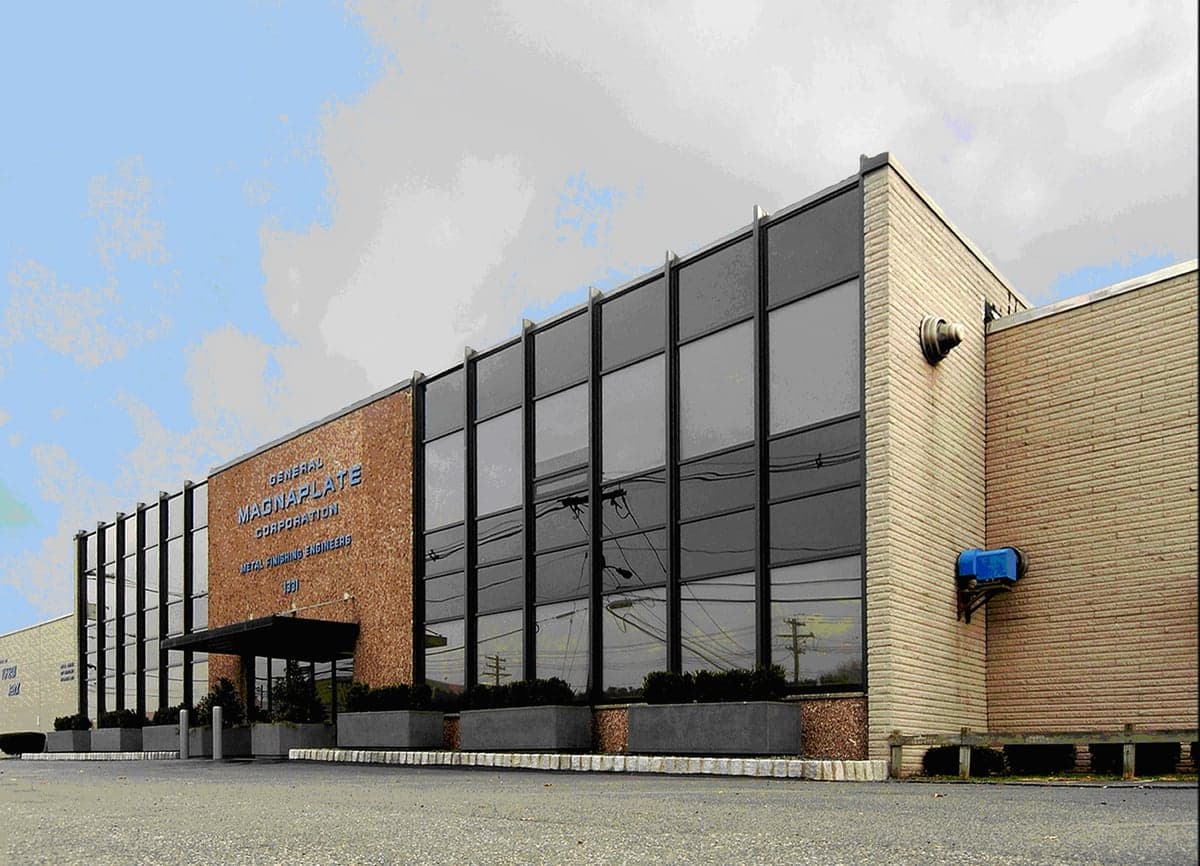
Photo: Wikipedia
Demographics of Linden, NJ
Affluence Level in Linden, NJ
A middle-class area roughly in line with national averages across income, home values, education, and employment.
People of Linden, NJ
The people of Linden, New Jersey today form a dense, working-to-middle-class city of 43,614 residents, characterized by a rare three-way ethnic balance: roughly equal shares of Hispanic (35.6%), Black (27.2%), and White (31.0%) populations, with a smaller but growing East/Southeast Asian community (2.7%) and a modest Indian-subcontinent presence (0.9%). The city is notably less college-educated than regional averages at 23.3%, and its foreign-born share of 14.0% is significant but lower than many neighboring Union County communities. Linden retains a distinct blue-collar identity rooted in its industrial past, with a population that is both long-established in certain neighborhoods and rapidly diversifying in others.
How the city was settled and grew
Linden’s population history begins not with colonial settlement but with industrial expansion in the late 19th century. Originally part of Elizabeth, Linden was incorporated as a separate city in 1925, driven by the arrival of the Standard Oil refinery (now Phillips 66) in the 1880s and the subsequent growth of chemical plants, auto assembly lines, and rail yards. The first major population wave came from German and Irish immigrants who built the early working-class neighborhoods around the refinery, particularly in the East Linden district near the Rahway River. A second wave of Polish, Italian, and Slovak immigrants arrived between 1900 and 1930, settling in the North Linden area along Routes 1&9 and establishing the city’s Catholic parish infrastructure. These European ethnic groups dominated Linden’s population through the 1950s, with the city reaching roughly 30,000 residents by 1950, almost entirely White and native-born of European descent. The South Wood Avenue corridor became the commercial spine for these communities, lined with butcher shops, bakeries, and social clubs that persisted into the 1970s.
Modern era (post-1965)
The 1965 Hart-Cellar Immigration Act and simultaneous suburbanization of White ethnic families reshaped Linden’s population dramatically. Between 1970 and 2000, the White share fell from over 85% to roughly 45%, as families moved to Union, Middlesex, and Ocean counties. Their departure opened housing in East Linden and the Rahway River corridor to African American families moving from Newark and Elizabeth, seeking safer streets and better schools. By 2000, Black residents made up about 30% of the population. Simultaneously, Hispanic immigration — primarily from Puerto Rico, the Dominican Republic, and later Central America — accelerated in the 1990s, with new arrivals clustering in the West Linden neighborhoods near the Elizabeth border and along St. Georges Avenue. The Hispanic share rose from 15% in 1990 to 35.6% today, making it the largest single ethnic group. A smaller but visible East/Southeast Asian community (2.7%), mostly Filipino and Vietnamese, settled in the North Linden area near the Tremley Point industrial zone, drawn by manufacturing jobs. The Indian-subcontinent population (0.9%) remains modest compared to nearby Edison and Woodbridge, concentrated in the newer apartment complexes along Routes 1&9.
The future
Linden’s population is trending toward further diversification, but not toward a single melting-pot identity. The White share continues to decline slowly (31.0% in 2024, down from 38% in 2010), while the Hispanic share is growing steadily and is projected to reach 40-42% by 2035. The Black population has plateaued near 27%, with younger Black families often choosing suburban towns further west. The East/Southeast Asian and Indian communities are growing from a small base but face headwinds from Linden’s below-average college attainment (23.3%) and limited high-tech employment, which pushes many Asian professionals toward Edison and Piscataway. The city is tribalizing into distinct ethnic enclaves rather than homogenizing: West Linden is heavily Hispanic, East Linden remains predominantly Black, and North Linden retains a White ethnic plurality with growing Asian pockets. The foreign-born share (14.0%) is likely to rise modestly as Central American immigration continues, but Linden is not a primary gateway city like Elizabeth or Newark.
For someone moving in now, Linden is becoming a stable, multi-ethnic working-class city with distinct neighborhood identities rather than a fully integrated community. The population is not shrinking or aging rapidly, but it is also not attracting the college-educated professionals who are reshaping nearby Rahway and Cranford. The city’s future depends on whether the Linden Airport redevelopment and Transit Village project can attract a more diverse economic base — or whether it remains a bedroom community for refinery and warehouse workers, with its current demographic trajectory largely locked in.

* Values derived from national, state, county, city and local statistics and may differ in a specific area. Last updated: 2026-05-03T09:16:39.000Z
Narrative content on this page is AI-generated and may contain mistakes. Verify any details that matter before acting on them.
ReloMaps may earn a commission from affiliate links at no extra cost to you.

