Photo: Wikipedia
Find The Best Places To Live
in Newark
PRO TIP! You can paste a Zillow or Redfin link to get info on that property.
What It's Like Living in Newark, NJ
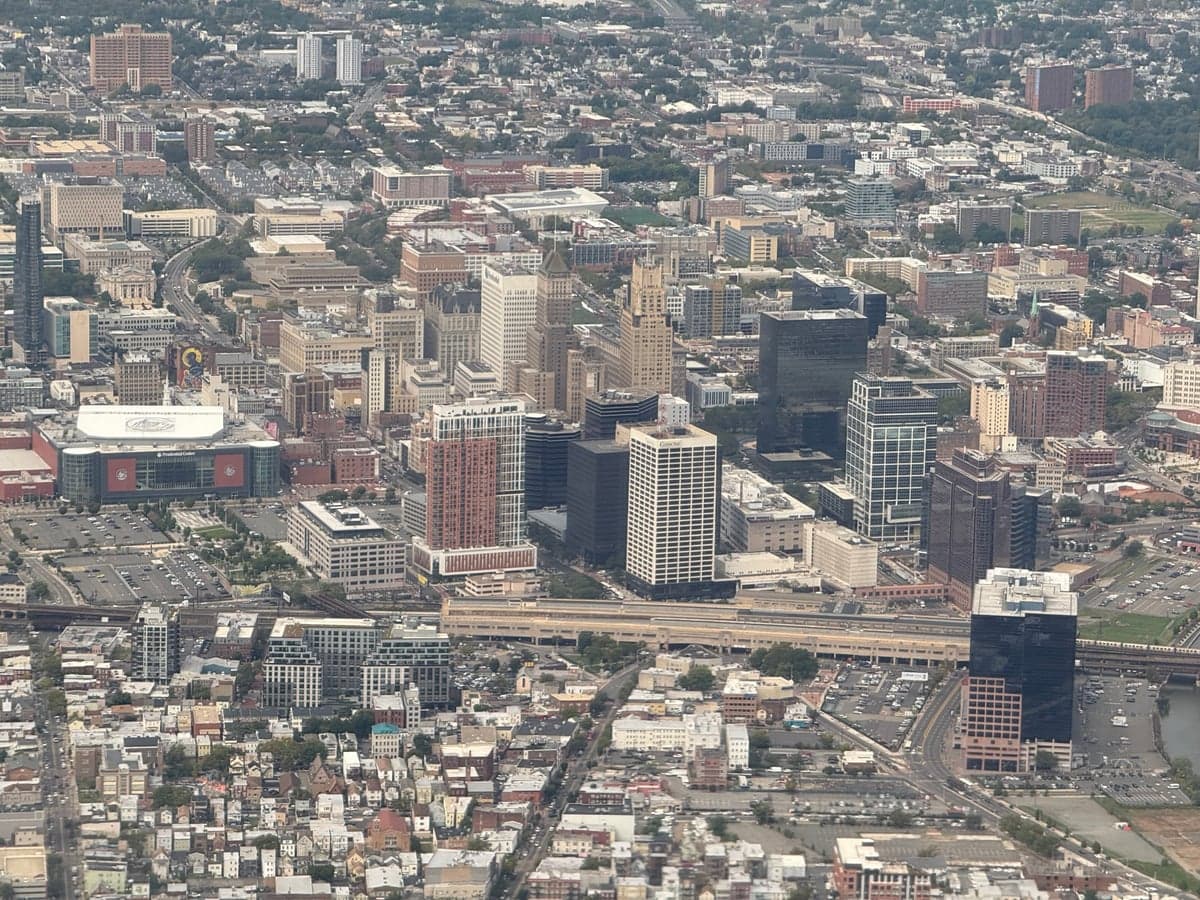
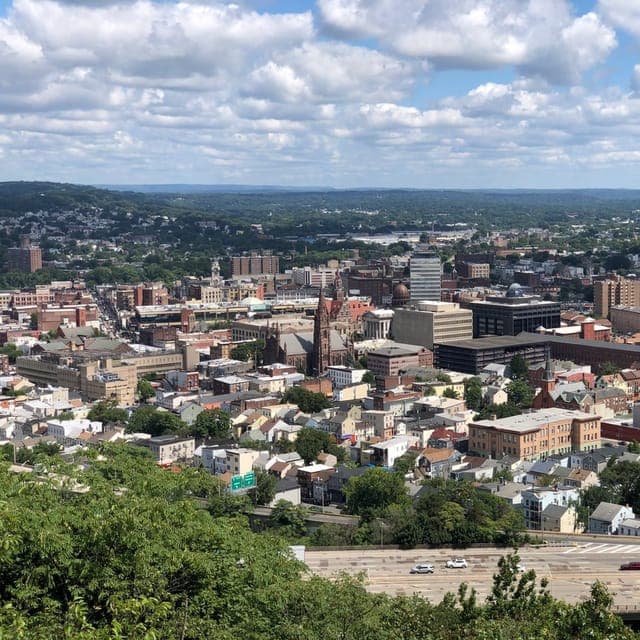
Newark has a reputation that precedes it, but living here reveals a city that’s far more layered than the headlines suggest. It’s a place of stark contrasts—where the roar of planes overhead from Newark Liberty International Airport mixes with the quiet hum of century-old brick rowhouses, and where a world-class performing arts center sits blocks away from blocks that still feel forgotten. For the person who can handle a little grit and appreciates real urban energy, Newark offers a kind of authenticity that the polished suburbs just can’t replicate.
The Daily Rhythm: More Than a Commuter Hub
Most people know Newark as the place you pass through on the way to New York, but the daily life here is its own thing. The average commute clocks in at just over 33 minutes, which is shorter than many New Jersey suburbs but still long enough to make you plan your mornings carefully. Penn Station is the beating heart of that commute—a chaotic, functional hub where NJ Transit trains, PATH trains, and Amtrak all converge. On weekends, you’ll see residents heading to the Ironbound district for a late breakfast of pastéis de nata or a full Portuguese seafood feast at spots like Seabra’s Marisqueira or Fornos of Spain. The Ironbound is Newark’s most distinct neighborhood, a dense, walkable area where Portuguese, Spanish, and Brazilian flags hang from storefronts and the smell of grilled chouriço fills the air. It’s where you go when you want to feel like you’re in a real city, not just a bedroom for Manhattan.
Grocery shopping is a mix of bodegas, ethnic markets, and the occasional ShopRite. The Newark Farmers Market at Lincoln Park runs during warmer months and draws a loyal crowd for fresh produce and local honey. For everyday errands, you’ll learn which blocks feel safe at night and which ones you avoid—that’s just part of the local knowledge you pick up. The city’s median age is 34.8, so you’re surrounded by a mix of young professionals, longtime families, and students from Rutgers-Newark and NJIT, giving the streets a youthful, slightly restless energy.
Sports, Community, and the Things That Bring People Together
Newark doesn’t have a major pro sports team of its own, but it’s close enough to New York and Philadelphia that allegiances are split. What the city does have is the Prudential Center—the “Rock”—home to the New Jersey Devils (NHL) and the Seton Hall Pirates men’s basketball team. A Devils game on a Friday night is a genuine local ritual: affordable tickets, loud crowds, and a surprisingly good beer selection. The arena also hosts concerts from arena-filling acts, so it’s a reliable date-night or family outing option. High school sports are a bigger deal here than in many places—Shabazz High School and East Side High School have passionate followings for basketball and football, and Friday night games in the fall draw real crowds of parents, alumni, and neighbors.
The city’s biggest annual event is the Newark International Film Festival, but the one that truly defines local culture is the Portugal Day Festival in the Ironbound every June. It’s a massive street fair with live music, grilled sardines, and enough sangria to make you forget you’re in New Jersey. For quieter weekends, Branch Brook Park is the crown jewel—home to the largest collection of cherry blossom trees in the United States (more than Washington, D.C.), and it’s stunning in early April. The park also hosts concerts, soccer games, and the occasional family reunion barbecue.
The Honest Trade-Offs: What You Gain and What You Give Up
Let’s be direct about the downsides, because anyone considering Newark deserves the full picture. The violent crime rate is 156.7 per 100,000—that’s higher than the national average, and it’s a real concern. You’ll hear gunshots occasionally, and you’ll learn which blocks to avoid after dark. Property crime is also an issue; car break-ins and package thefts are common enough that you’ll develop habits like locking your car doors the second you park and having packages delivered to a locker. The public school system has struggled for decades, and while there are good magnet and charter options (like Science Park High School), many families with school-age children either go private or move to the suburbs by third grade. The cost of living index sits at 117 (above the US average), so while housing is cheaper than in Hoboken or Jersey City, it’s not cheap—median home values are around $337,800, and rents have been climbing steadily.
On the upside, that median home value is still attainable for a single professional or a dual-income couple making the median income of $48,416. You can buy a rowhouse in the Ironbound or the Forest Hill historic district for under $400,000—something unthinkable in most of the NYC metro area. The city has real architectural character, from the Cathedral Basilica of the Sacred Heart (one of the largest cathedrals in the Western Hemisphere) to the art deco National Newark Building. And the cultural scene is legit: the New Jersey Performing Arts Center (NJPAC) draws world-class orchestras, comedians, and Broadway tours, and it’s a genuinely beautiful venue. The Newark Museum of Art has a strong collection and a planetarium that’s a hit with kids.
The kind of person who thrives here is someone who values proximity to opportunity over pristine streets. You’re trading a manicured lawn for a 33-minute train ride to Manhattan, a vibrant food scene, and a city that feels alive at 11 p.m. on a Tuesday. It’s not for everyone—and that’s okay. But for the single professional who wants urban energy without Manhattan rent, or the parent willing to navigate the school system for the chance at a $3,000-a-month mortgage instead of a $5,000-a-month rental, Newark delivers on its promises, warts and all.

Similar mid-size cities to Newark
* Values derived from national, state, county, city and local statistics and may differ in a specific area. Last updated: 2026-04-30T05:24:19.000Z
Narrative content on this page is AI-generated and may contain mistakes. Verify any details that matter before acting on them.
ReloMaps may earn a commission from affiliate links at no extra cost to you.

