Photo: Wikipedia
Find The Best Places To Live
in Elizabeth
PRO TIP! You can paste a Zillow or Redfin link to get info on that property.
What It's Like Living in Elizabeth, NJ
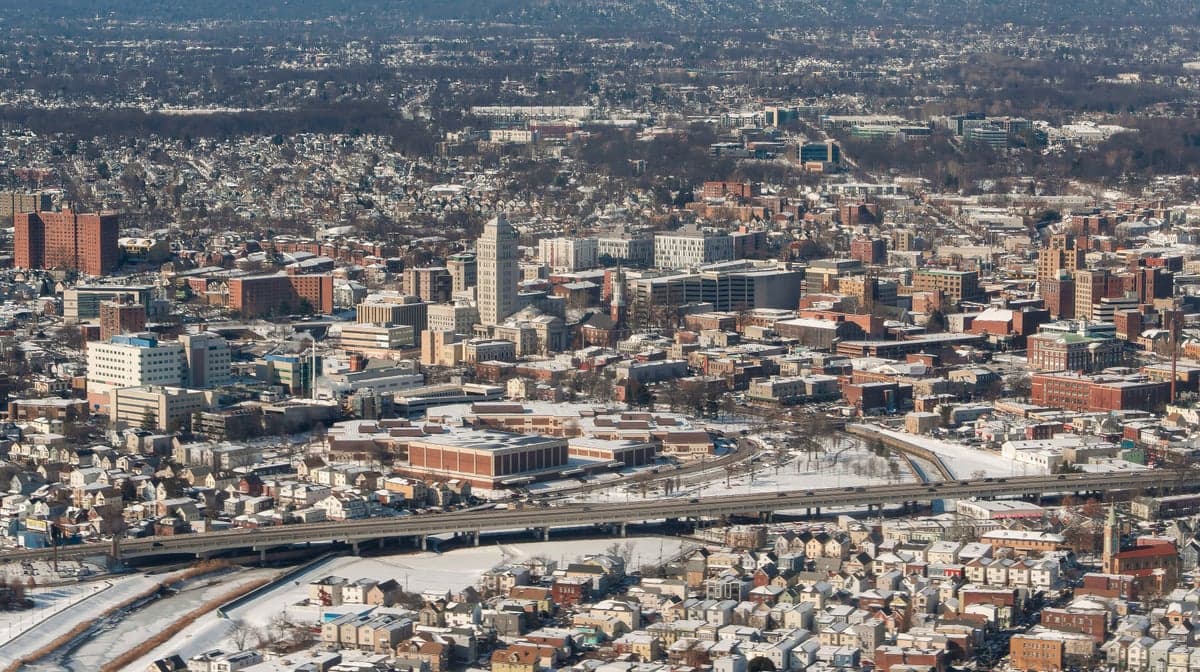
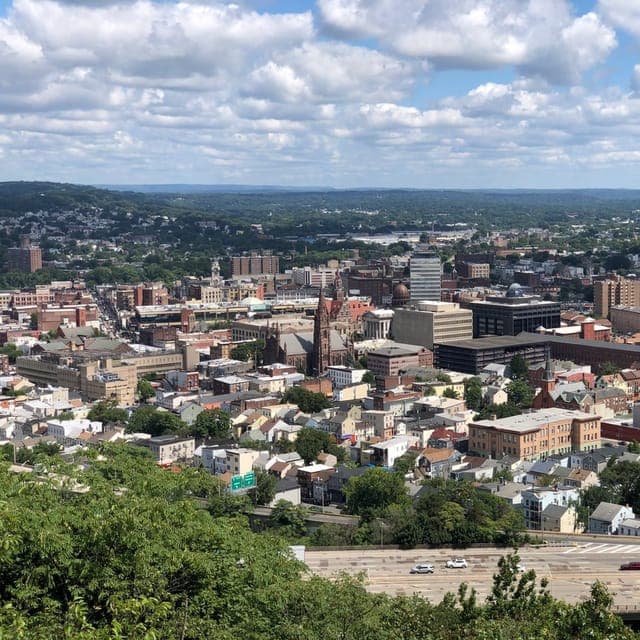
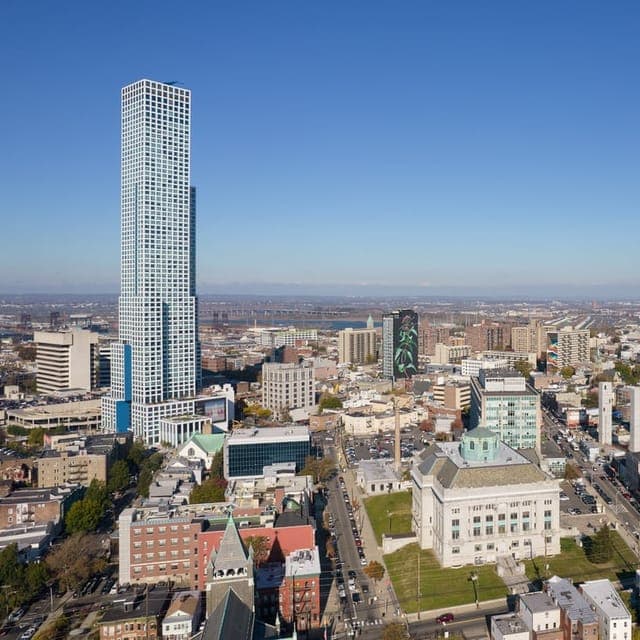
Elizabeth, New Jersey, feels less like a suburb and more like a city with its own gravitational pull—dense, loud, and proudly working-class. It’s the kind of place where you hear Spanish, Portuguese, and English in equal measure on the same block, and where the smell of Portuguese bread from a corner bakery competes with diesel fumes from the nearby port. If you’re looking for quiet cul-de-sacs and manicured lawns, this isn’t it; but if you want a place where life happens on the sidewalk, where your neighbors know your name, and where you can walk to a bodega, a bus stop, and a church all within five minutes, Elizabeth might surprise you.
The Daily Rhythm: A City That Runs on Its Feet
Most people here don’t have the luxury of working from home. The average commute clocks in at about 27 minutes, which is shorter than you’d expect for a New Jersey city this close to New York—many residents work in Elizabeth itself, at the massive Port Newark-Elizabeth marine terminal, at Wakefern (the ShopRite parent company), or at one of the dozens of logistics and warehouse operations that line the Turnpike. The median household income sits at $63,874, which is tight for the region but goes further here because housing, while not cheap, is still more attainable than in neighboring towns. The median home value is $393,500, and while that’s a stretch for a single earner on that income, it’s half of what you’d pay in Jersey City or Hoboken. The cost of living index is 131—above the national average, but not insane for the New York metro area.
Weekends are for errands, family, and food. You’ll see people pushing carts out of the ShopRite on Morris Avenue, grabbing pastéis de nata from a Portuguese bakery like Teixeira’s Bakery, or lining up for tacos at a Mexican taqueria on Elizabeth Avenue. The city is a patchwork of immigrant communities—Portuguese, Brazilian, Dominican, Puerto Rican, Colombian, and more—and that shows up in the restaurant scene. There’s no single “downtown” strip; instead, commercial corridors like Elizabeth Avenue and Morris Avenue are where people actually live their lives, not just visit. The Elizabeth Public Library on South Broad Street is a real community hub, especially for families with kids.
Sports, Schools, and the Local Identity
High school sports are a big deal here. Elizabeth High School (the Minutemen) draws real crowds for Friday night football, and the basketball and soccer programs are competitive at the state level. There’s no pro team in town, but residents are split between Yankees and Mets fans, with a strong contingent of Portuguese and Brazilian residents who follow European soccer—you’ll see Benfica and Sporting Lisbon jerseys around town. The city also has a deep boxing tradition; the Elizabeth Boxing Club has produced national-level amateurs. For a city of 135,887 people, the median age is 35.8, which is younger than the national average—there are a lot of families with kids, and the schools are a central part of community life. That said, only 14.2% of adults hold a college degree, which reflects the blue-collar, trade-oriented workforce. If you’re a single professional who works in Manhattan, you’ll likely find the social scene limited compared to Hoboken or Jersey City; Elizabeth is more about family and community than nightlife.
What’s There to Do: Parks, Festivals, and Hidden Corners
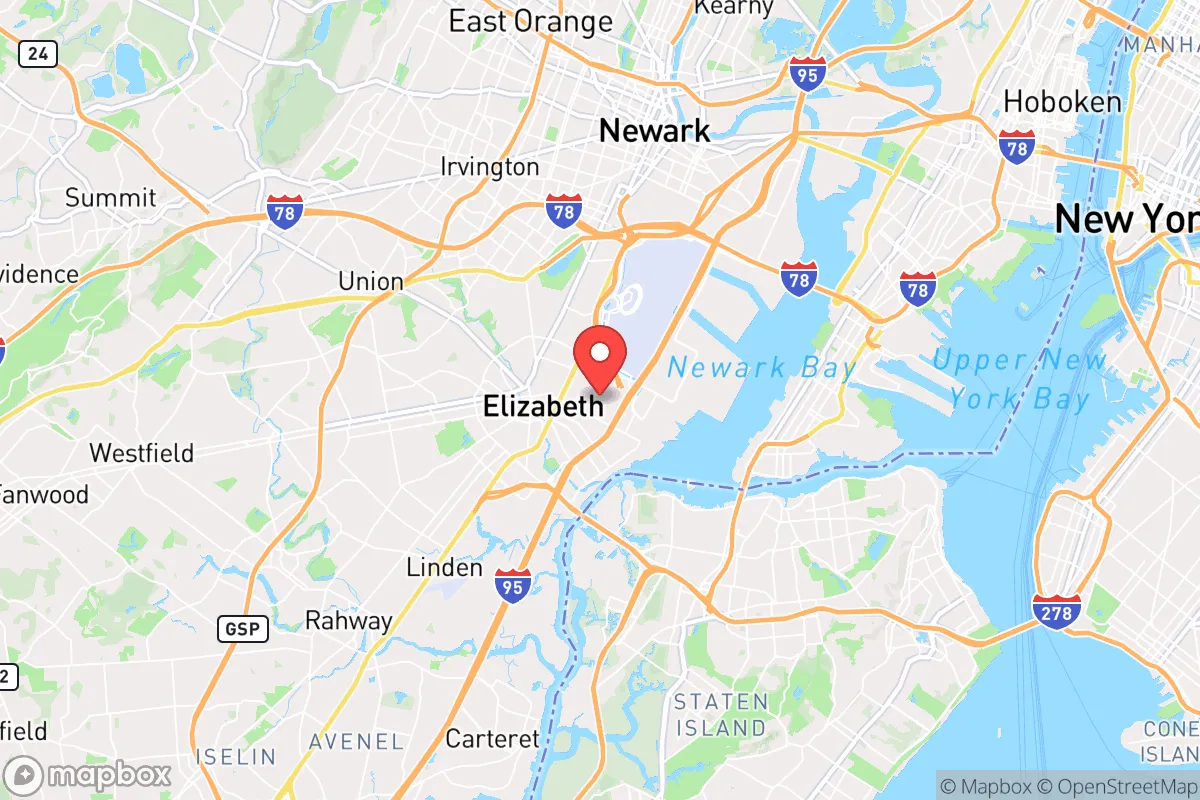
Outdoor space is limited but used hard. Warinanco Park, just over the border in Roselle, is the go-to for jogging, soccer, and summer concerts. Elizabeth River Trail is a paved path that runs along the river—good for a bike ride or a walk, but it’s not a wilderness experience. The big annual event is the Elizabeth Portuguese Festival in June, which draws thousands for live music, food, and a parade. There’s also the Elizabeth International Festival in September, celebrating the city’s diversity with food stalls and performances. For entertainment, you’re driving to Newark’s Prudential Center (15 minutes) for concerts and Devils games, or hopping a train to NYC (30 minutes on NJ Transit from the Elizabeth station). The Jersey Gardens Mall is a massive outlet center right off the Turnpike—locals shop there but also complain about the traffic it generates.
Pros and Cons of Living Here
- Pro: Affordability relative to the region. A $393,500 median home value is a steal compared to Union County’s average, and you can find two-bedroom apartments under $1,800. For a single person or a young family, this is one of the few places in North Jersey where you can buy a home without a six-figure income.
- Con: Crime is a real concern. The violent crime rate is 156.7 per 100,000—lower than Newark or Trenton, but higher than most suburbs. Property crime is the bigger issue; car break-ins and package thefts are common. Longtime residents will tell you to lock your doors and not leave anything visible in your car.
- Pro: Transportation access. NJ Transit trains run frequently to Newark and New York, and the bus network is solid. You can live here without a car if you work in the city or at the port.
- Con: Traffic and noise. The Turnpike, Route 1&9, and the Goethals Bridge all converge here. Rush hour is a grind, and the constant truck traffic from the port means the air quality isn’t great. It’s loud, especially near the highways.
- Pro: Real food, real community. The Portuguese bakeries, Brazilian steakhouses, and Mexican grocery stores are the real deal. You’re not getting chain restaurants here—you’re getting food cooked by people who learned from their grandmothers.
- Con: Limited nightlife and culture. If you want craft cocktail bars, live music venues, or art galleries, you’re commuting to Newark or NYC. Elizabeth has bars, but they’re mostly neighborhood spots—think Portuguese social clubs and Irish pubs, not trendy lounges.
Elizabeth is not for everyone. It’s gritty, it’s crowded, and it demands a certain tolerance for chaos. But for the person who values affordability, diversity, and a real sense of place—who doesn’t mind the noise because it means you’re close to work, close to family, and close to the city—it works. The weather is typical North Jersey: hot, humid summers, cold winters with occasional snow, and a beautiful but short spring and fall. The schools are a mixed bag—some elementary schools are solid, but the high school is large and struggles with resources. Parents who can afford private or parochial school often choose that route. But if you’re the kind of person who wants to live in a place that feels alive, where your neighbors actually know each other, and where you can still buy a house for under $400K within 30 minutes of Manhattan, Elizabeth is worth a serious look.

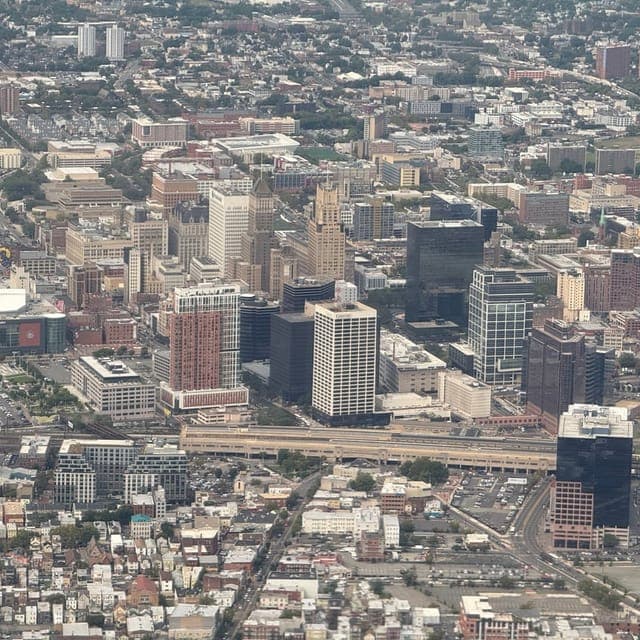
Similar small cities to Elizabeth
* Values derived from national, state, county, city and local statistics and may differ in a specific area. Last updated: 2026-04-30T05:31:32.000Z
Narrative content on this page is AI-generated and may contain mistakes. Verify any details that matter before acting on them.
ReloMaps may earn a commission from affiliate links at no extra cost to you.

