Photo: Wikipedia
Political ClimatePolitical Climate in Livingston, MT
District shown is the primary district for this city’s centroid. Cities may span multiple districts.
Local Political AnalysisPolitical Analysis of Livingston, MT
Livingston, Montana, sits in a county that leans heavily conservative, with a Cook PVI of R+15, but don't let that number fool you into thinking it's a monolith. The town itself has a long history as a working-class railroad and ranching hub, and for decades, that meant a rock-solid, live-and-let-live conservative culture where folks trusted their neighbors more than the government. Lately, though, you've seen a real shift as more people from places like Bozeman and out-of-state move in, bringing a more progressive, "let's regulate that" mindset that rubs a lot of the old-timers the wrong way. The political climate here is basically a tug-of-war between the traditional, freedom-loving locals and a newer wave that seems to think more rules and higher taxes are the answer to everything.
How it compares
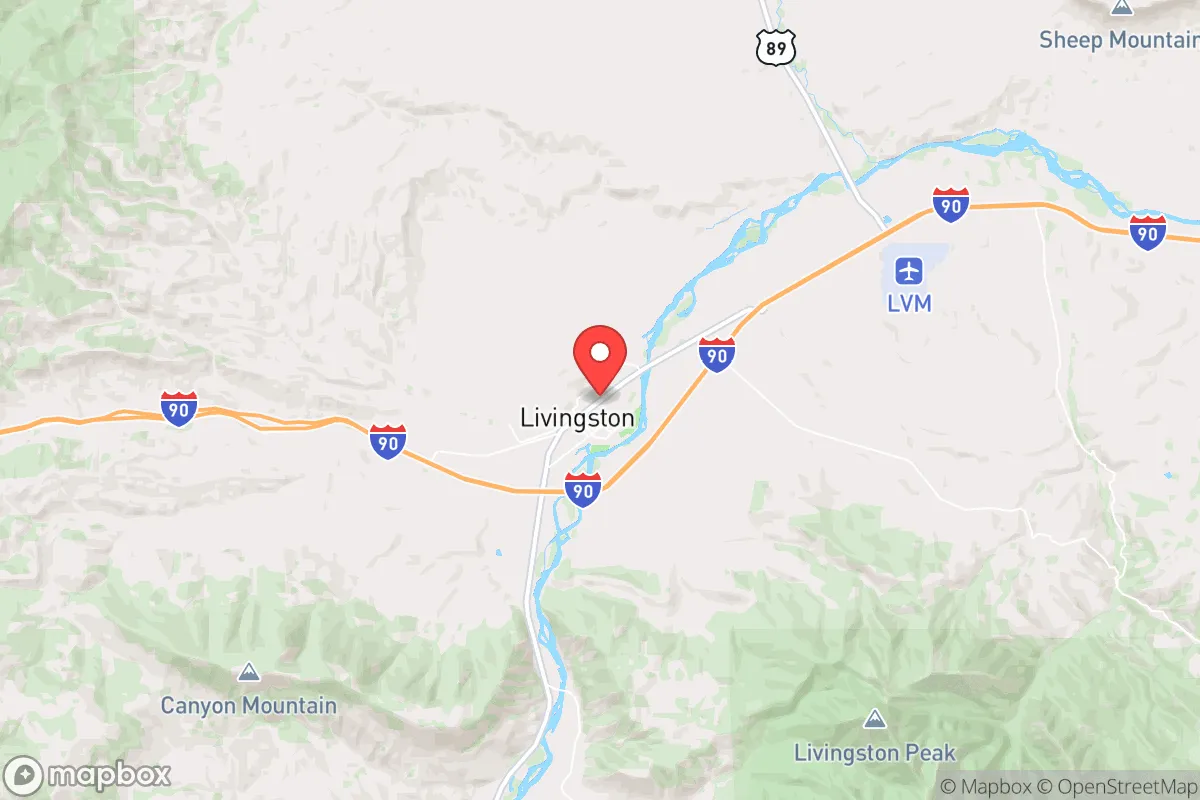
To really understand Livingston, you have to look at the towns around it. Head 25 miles west to Bozeman, and you're in a completely different world—it's become a progressive stronghold, with all the traffic, high housing costs, and government overreach that comes with it. Livingston used to be the affordable, sensible alternative, but now you're seeing that Bozeman creep spill over the pass. Drive east to Big Timber or south to Clyde Park, and you'll find the old-school Montana conservatism still thriving—people who believe in personal responsibility and don't want some bureaucrat telling them what to do with their land or their guns. The contrast is stark: Livingston is caught in the middle, trying to hold onto its independent spirit while the progressive tide from the west keeps pushing in.
What this means for residents
For folks who've been here a while, the biggest concern is how this political shift affects daily life. You're seeing more proposals for zoning changes and "affordable housing" mandates that sound good on paper but usually mean more government control over private property. The school board and county commission races have gotten heated, with newcomers pushing for curriculum changes and diversity initiatives that feel out of step with what most families want. On the flip side, the R+15 rating means the county as a whole still votes conservative, so there's a firewall against the worst of it—property taxes haven't skyrocketed like in Bozeman, and the Second Amendment is still respected. But you can feel the tension at town hall meetings, where the old guard is fighting to keep Livingston from becoming another over-regulated, over-priced bedroom community.
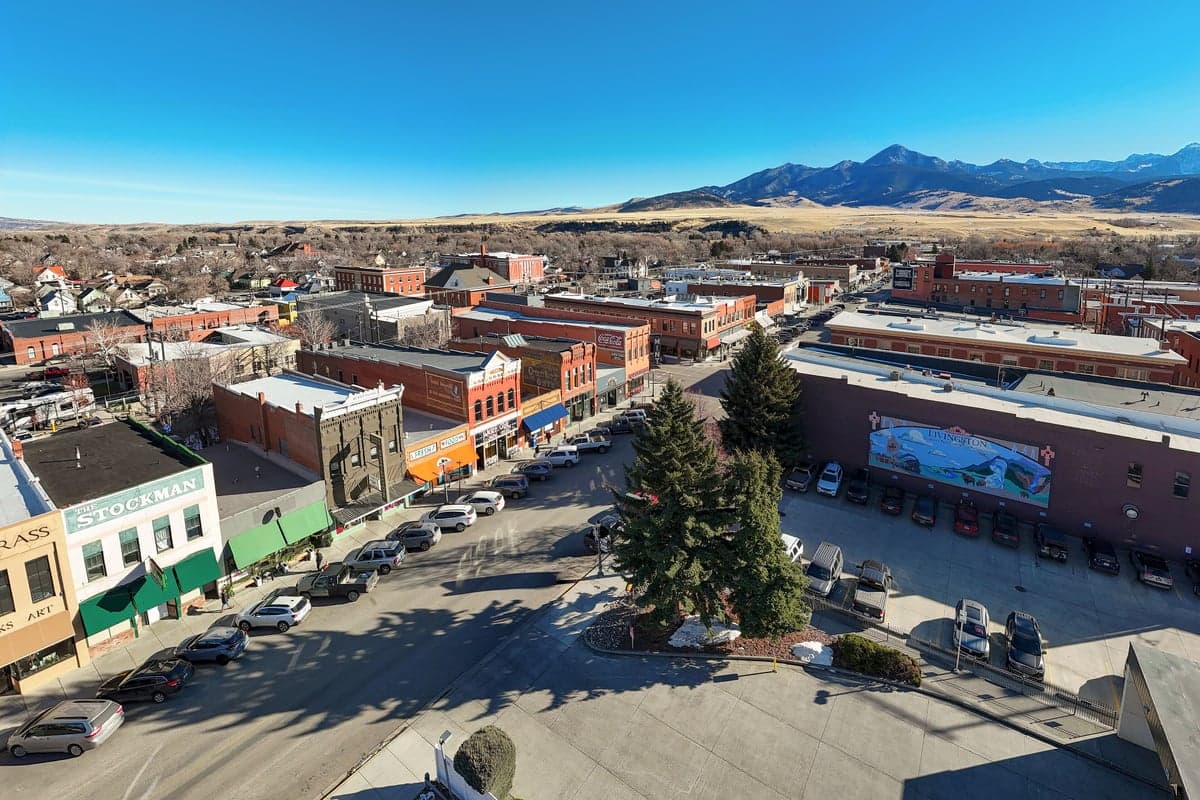
One thing that really sets Livingston apart is its cultural identity. This town was built on the railroad and the Yellowstone River, and that blue-collar, self-reliant attitude is still the backbone here. You won't find the same level of "woke" activism you see in Missoula or Bozeman, but you will find a growing number of folks who are worried about losing their way of life to outside influence. The near-term future looks like more of the same: a slow, grinding battle between those who want to keep Livingston free and those who think more government is the solution. If you're considering a move here, just know that the political climate is changing, and it's up to the people who value their freedoms to stay engaged and push back against the progressive creep. It's still a great place to live, but you've got to keep an eye on it.

State Political ClimatePolitical Climate in Montana
State Political AnalysisPolitical Environment in the State
Montana has long been a reliably Republican state at the presidential level, voting for the GOP candidate in every election since 1968 except for Bill Clinton’s 1992 win. However, the state’s political identity is more nuanced than a simple red-state label. The dominant coalition is a mix of libertarian-leaning ranchers, conservative small-town residents, and a growing number of out-of-state transplants, many of whom are fleeing progressive policies elsewhere. Over the last 10-20 years, the state has seen a steady rightward shift in statewide elections, but the influx of new residents—particularly in fast-growing counties like Gallatin (Bozeman) and Missoula—has introduced a noticeable progressive undercurrent that is reshaping local politics and creating real tension.
Urban vs. rural divide
The political map of Montana is a textbook case of urban-rural polarization. The state’s two largest population centers, Missoula and Bozeman, are the primary blue dots in a sea of red. Missoula County has voted Democratic in every presidential election since 1992, and its city council and county commission are reliably progressive. Bozeman, once a conservative ranching town, has been transformed by an influx of tech workers, outdoor enthusiasts, and California refugees; Gallatin County flipped from red to purple and now leans blue in local races. Meanwhile, the rest of the state is deeply conservative. Billings, the largest city, remains a Republican stronghold, as do Great Falls, Helena (the state capital, though it has a moderate streak), and Kalispell in the Flathead Valley. The rural counties—like Wibaux, Garfield, and Petroleum—routinely deliver 80-90% of their votes to Republicans. The divide is stark: the three most populous counties (Gallatin, Missoula, Yellowstone) now hold nearly half the state’s population, meaning the urban-rural split is the central political fault line.
Policy environment
Montana’s policy environment is broadly conservative, but with a strong libertarian streak. There is no state sales tax, a major draw for conservatives and small business owners. Property taxes are moderate, and the state has a flat income tax rate of 6.75%, which was reduced from a progressive structure in 2021. The regulatory posture is generally light, especially for agriculture, energy, and mining. On education, Montana has a robust school choice movement, with a new Education Savings Account (ESA) program passed in 2023 that allows parents to use state funds for private or homeschool expenses. Healthcare policy is mixed: the state expanded Medicaid under the Affordable Care Act in 2015, a move that remains controversial among conservatives, but there is no state-run insurance mandate. Election laws are relatively secure: Montana requires voter ID, has no same-day registration, and conducts regular audits. However, the state recently passed a law banning ranked-choice voting, a win for election integrity advocates. The overall policy environment is friendly to personal freedom, but the growing influence of progressive transplants is beginning to challenge that.
Trajectory & freedom
Montana is currently at a crossroads regarding personal freedom. On one hand, the state has seen a wave of pro-liberty legislation in recent years. In 2021, the legislature passed a constitutional carry law, allowing permitless concealed carry of firearms, a major win for Second Amendment advocates. The same year, Montana passed a parental rights in education bill, requiring schools to notify parents of any curriculum involving sexuality or gender identity. In 2023, the state enacted a medical freedom law that prohibits employers and government entities from mandating COVID-19 vaccines. Property rights were strengthened with a law limiting the use of eminent domain for private development. On the other hand, the influx of new residents—many from California, Washington, and Oregon—is driving up housing costs and pushing local governments toward zoning restrictions and growth management policies that some see as an infringement on property rights. The state’s land use planning act has been a flashpoint, with rural counties fighting state-level efforts to impose growth boundaries. The trajectory is mixed: the state is becoming more free in terms of individual rights, but less free in terms of economic and housing freedom due to demographic pressure.
Civil unrest & political movements
Montana has not seen the kind of large-scale civil unrest seen in major coastal cities, but there have been notable flashpoints. In 2020, protests in Missoula and Bozeman over the death of George Floyd were relatively small and peaceful, but they did lead to calls to remove a statue of a Confederate soldier from the Missoula County courthouse—a move that was ultimately successful and remains a sore point for conservatives. More recently, the anti-vaccine mandate movement has been strong, with large rallies at the state capitol in Helena in 2021 and 2022. The Yellowstone County Republican Party has been a hotbed of election integrity activism, with members pushing for hand-count audits and challenging the use of Dominion voting machines. Immigration politics are less visible than in border states, but there is a growing concern about illegal immigration through the northern border, with some counties passing resolutions declaring themselves “Second Amendment sanctuaries” or “sanctuary counties for the unborn.” The most visible political movement is the “Freedom Caucus” within the state legislature, which has pushed for more aggressive tax cuts, school choice expansion, and restrictions on local government authority. The left is organized primarily through environmental groups and the Montana Democratic Party, which has become increasingly focused on climate policy and social justice issues.
Projection
Over the next 5-10 years, Montana is likely to become more politically polarized. The in-migration trend shows no signs of slowing, with Gallatin County growing at over 3% annually and Missoula County not far behind. These new residents tend to be younger, more educated, and more progressive than the existing population, which will continue to shift local elections in those counties leftward. However, the state’s legislative districts are drawn to favor rural areas, so the statehouse will likely remain Republican-controlled for the foreseeable future. The key battleground will be the governor’s race and the state supreme court, where moderate Republicans and Democrats have held sway. Expect fights over property taxes, land use, and school funding to intensify. The biggest wildcard is the housing crisis: if the state fails to address affordability, it could fuel a populist backlash against both parties. For a conservative moving in now, the next decade will likely see a continuation of the current trend—a state that is red at the state level but with blue islands growing in influence, leading to constant cultural and political friction.
Bottom line for a new resident: If you’re moving to Montana for the freedom, you’ll find it in the rural counties and smaller towns like Kalispell, Helena, or Great Falls. Avoid the blue bubbles of Missoula and Bozeman if you want to avoid progressive politics and high housing costs. The state’s trajectory is still broadly positive for conservatives, but you’ll need to be engaged locally to protect the liberties that make Montana special. The fight over the soul of the state is just beginning.
* Values derived from national, state, county, city and local statistics and may differ in a specific area. Last updated: 2026-04-30T00:18:01.000Z
Narrative content on this page is AI-generated and may contain mistakes. Verify any details that matter before acting on them.
ReloMaps may earn a commission from affiliate links at no extra cost to you.

