Find The Best Places To Live
in Bozeman
PRO TIP! You can paste a Zillow or Redfin link to get info on that property.
What It's Like Living in Bozeman, MT
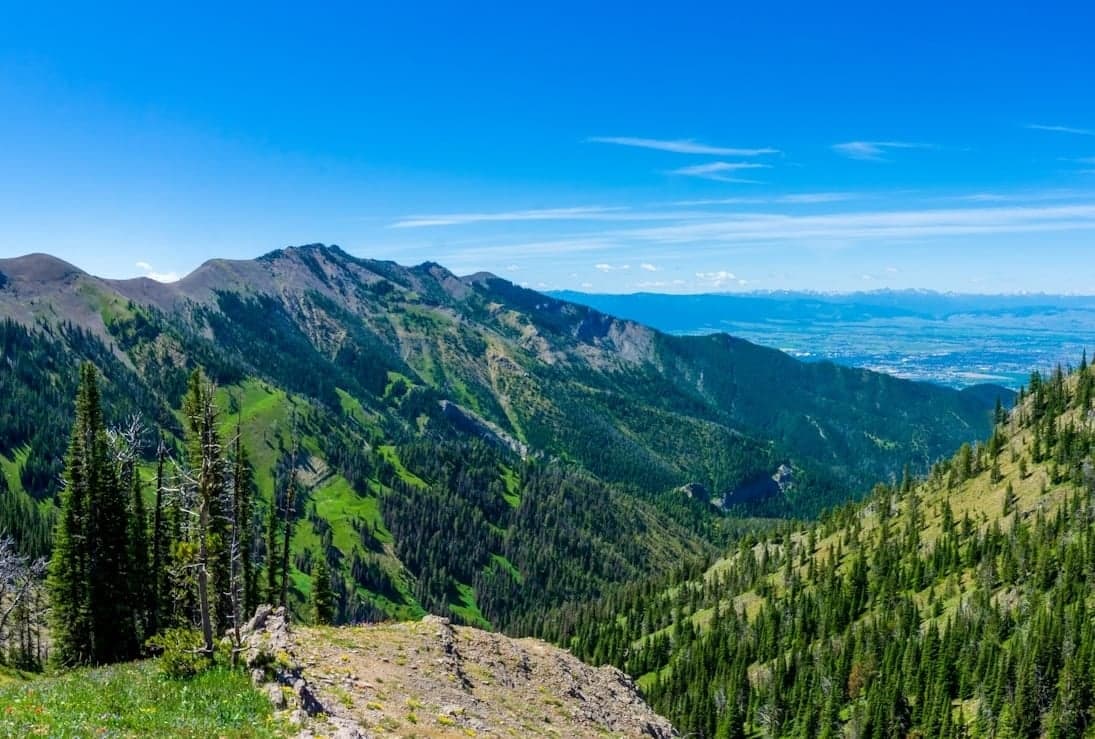
Living in Bozeman feels like being part of a town that grew up fast but still remembers its boots-and-flannel roots. You’ll see a Montana State University student in Carhartts next to a remote tech worker in Patagonia, both ordering coffee at Wild Joe’s before heading out to hike the “M” trail. The identity here is a blend of old-school ranch practicality and new-money outdoor ambition, and it works—mostly because everyone, regardless of income, seems to agree that being outside is the whole point.
The Daily Rhythm: Work, Errands, and the Constant Pull of the Mountains
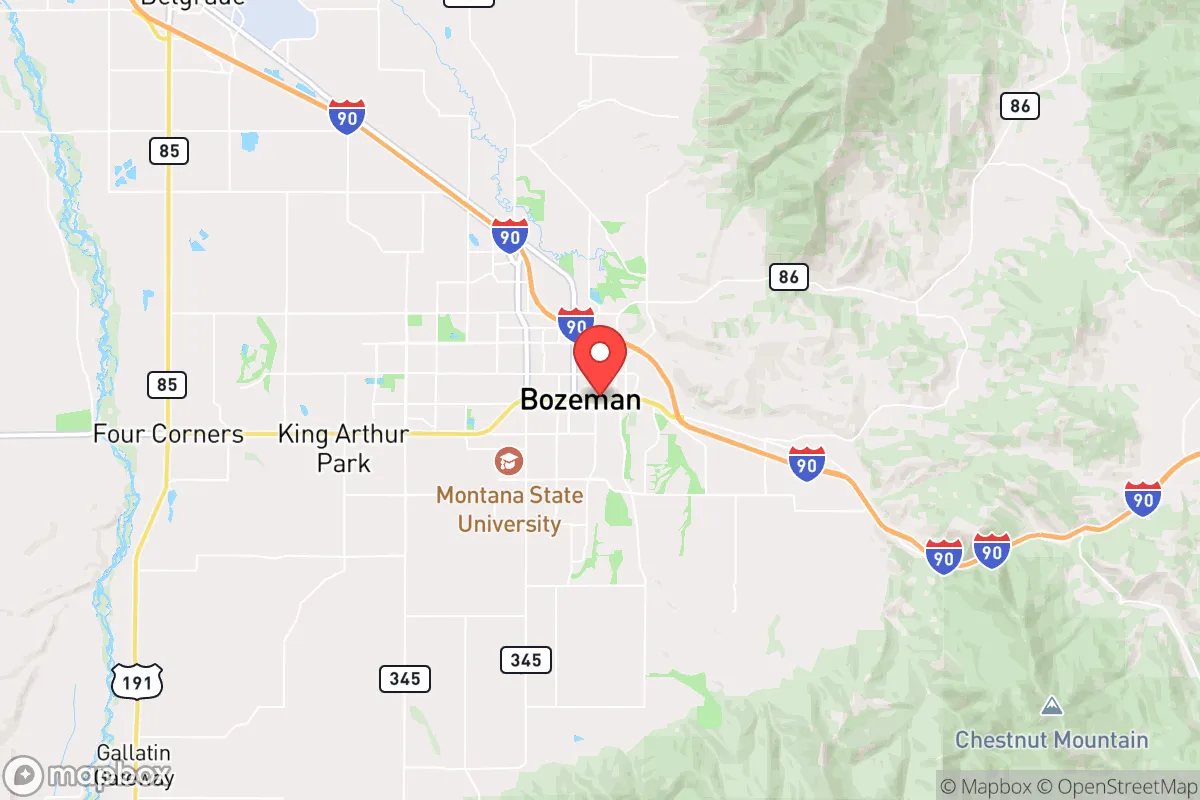
A typical weekday in Bozeman starts early. The sun rises over the Bridger Range, and by 7 a.m. the trailheads on Sourdough Canyon Road are already half-full. People commute an average of just over 15 minutes—short enough that you can run home for lunch or grab a beer at the Bozeman Taproom without feeling guilty. Most shopping happens along North 19th Avenue, where you’ll find the usual big-box stores like Costco and Target, but locals prefer the Community Food Co-op on West Main for produce and bulk grains. Weekends are for the farmers market (mid-June through September) on South Willson, where you can buy huckleberry jam and listen to bluegrass, or for driving 45 minutes to Big Sky for a day of skiing. The median age here is just 28.6, and with 65.1% of adults holding a college degree, the town has a young, educated energy—think startup founders, MSU researchers, and ski bums who somehow also work as software engineers.
Sports, Festivals, and the Places People Actually Gather
Bozeman is a sports town, but not in the NFL sense. Montana State University Bobcats football is the main event—games at Bobcat Stadium draw 20,000 fans on fall Saturdays, and the tailgating scene is a mix of families, students, and ranchers. High school sports are a big deal too; Bozeman High and Gallatin High (opened in 2020) have fierce rivalries in basketball and football that fill the bleachers. For entertainment, the Ellen Theatre downtown shows indie films and live acts, while the Music on Main summer concert series turns Main Street into a block party every Thursday. The Bridger Rendezvous in July brings rodeo, a parade, and a carnival—a nod to the town’s cowboy past. For nightlife, The Filling Station is a dive bar with live music and a pool table, while Plonk serves $16 cocktails to a younger crowd. The real gathering spot, though, is Peets Hill—a grassy knoll above town where people watch sunsets, fly kites, and walk dogs. It’s free, it’s central, and it captures the local ethos: you don’t need to spend money to have a good time.
Pros and Cons: What Locals Love and What Drives Them Crazy
The upsides are obvious: world-class skiing at Bridger Bowl (20 minutes away) and Big Sky, endless hiking in the Gallatin National Forest, and a downtown that feels safe and walkable. The violent crime rate of 380 per 100,000 is higher than the national average, but most of it is concentrated in specific areas near the interstate—the neighborhoods around Main Street and the university feel very safe, even at night. The public schools are strong, particularly Emily Dickinson Elementary and Bozeman High, and they serve as community hubs for parent groups and youth sports. The downsides? Cost of living is brutal. With a median home value of $614,900 and a cost of living index of 170 (70% above the U.S. average), a median household income of $79,903 doesn’t stretch far. Rent for a one-bedroom apartment averages $1,600–$2,000, and many service workers commute from Belgrade or Four Corners. Traffic on North 19th Avenue is a genuine headache during rush hour—locals call it “the gauntlet.” And the weather? Winters are long (November through April), with snow piling up and temperatures dropping below zero for weeks at a time. Summer, though, is perfect: 80-degree days, dry air, and sunlight until 9 p.m.
Cultural Quirks and Who Fits In Best
Bozeman has a few unspoken rules. You don’t complain about the cold. You wave at drivers on gravel roads. And you never, ever call it “Boz Angeles” (a nickname locals hate, implying it’s full of Californians). The town has a noticeable cultural split between long-time Montana families and newcomers drawn by jobs at Zoot Enterprises (a local tech firm) or Simms Fishing Products. The tension is real—housing prices have pushed out some multi-generational residents—but most people get along because they share a love for the outdoors. The kind of person who fits in here is someone who values experiences over possessions, doesn’t mind driving 20 minutes for groceries, and can handle a winter that lasts six months. It’s ideal for single professionals in their 20s and 30s who work remotely or in tech, and for parents who want their kids to grow up skiing and fishing rather than in front of screens. If you need nightlife past 10 p.m. or a thriving arts scene, you’ll be disappointed. But if your idea of a perfect Saturday is a hike to Lava Lake followed by a burger at The Garage, Bozeman will feel like home.

Similar small cities to Bozeman
* Values derived from national, state, county, city and local statistics and may differ in a specific area. Last updated: 2026-04-19T06:52:23.000Z
Narrative content on this page is AI-generated and may contain mistakes. Verify any details that matter before acting on them.
ReloMaps may earn a commission from affiliate links at no extra cost to you.

