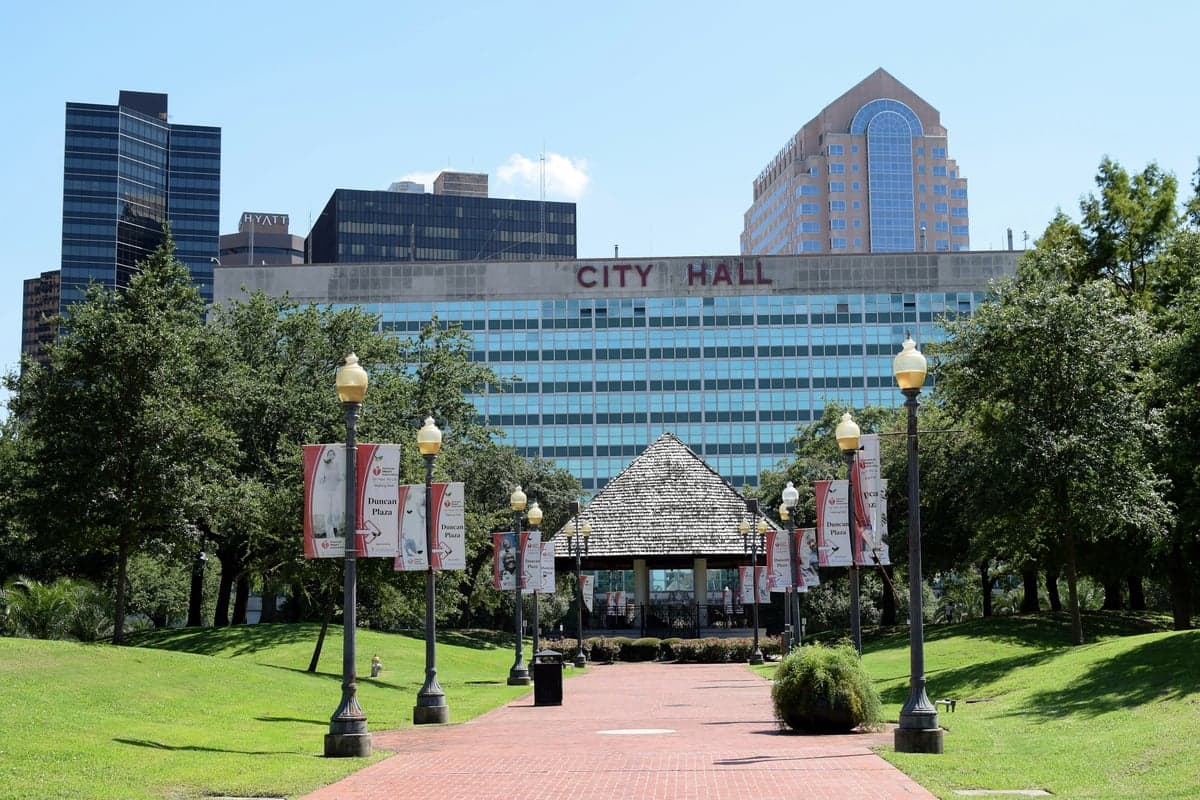
Photo: Wikipedia
Quality of Life in Orleans County
A livable area that tracks near national norms for affordability, walkability, and neighborhood health.
What does Quality of Life tell us?
Quality of Life measures an area by evaluating factors like cost of living, nearby amenities, country club access, airport proximity, socioeconomic signals and neighborhood character. For large states, this is a general average — quality of life can vary dramatically between metro areas, suburbs, and rural communities within the same state.
What does this tell us?
Quality of Life measures an area by evaluating factors like cost of living, nearby amenities, country club access, airport proximity, socioeconomic signals and neighborhood character. For large states, this is a general average — quality of life can vary dramatically between metro areas, suburbs, and rural communities within the same state.
Cost of Living
5% above national average
65%
The Real Cost of Living in Orleans County for 2026
| Tier | Individual | Family (4) |
|---|---|---|
| Survival | $19k | $36k |
| Comfortable | $58k | $85k |
| Luxury | $100k+ | $155k+ |
| Elite (Top 5%) | $169k+ | $262k+ |
Quality-of-Life Analysis
Orleans Parish — often treated as Orleans County for statistical purposes — is entirely urbanized, comprising the city of New Orleans and no separate towns or unincorporated areas. This dense, historic parish attracts a wide range of residents: creative professionals and students drawn to the French Quarter and Warehouse District; families and long-term homeowners settling in quieter residential neighborhoods like Lakeview and Gentilly; and those seeking more affordable living in pockets such as New Orleans East. The parish offers a spectrum of lifestyle options within a single city boundary, from 24-hour walkable urban energy to tree-lined suburban-style blocks.
Largest town(s) & population centers
New Orleans itself is the sole population center, but daily life varies dramatically by neighborhood. The Central Business District and French Quarter are the dense core, with high pedestrian traffic, tourism-driven retail, and a concentration of bars, restaurants, and music venues. Median commute time across the parish is 22.7 minutes, reflecting that many residents work inside the city or in adjacent Jefferson Parish. Uptown and the Garden District offer grand historic homes, and the St. Charles streetcar line provides a slower-paced commute. Mid-City, with its mix of shotgun houses and new infill, is popular with younger professionals and families who want access to City Park and the Lafitte Greenway.
Smaller towns & rural pockets
Unlike most Louisiana parishes, Orleans has no separate small towns or unincorporated rural areas. Instead, distinct neighborhoods function as quasi-towns. Lakeview, built on drained lakefront land, feels suburban with detached houses, wide streets, and public schools like Lusher and Ben Franklin (though the latter admits by test). New Orleans East, a large area across the Industrial Canal, is predominantly residential with a lower population density and more affordable housing. Gentilly and the 7th Ward offer older homes and a more relaxed pace. These "neighborhood towns" provide a quieter counterpoint to the French Quarter's noise — no true rural pockets exist within the parish boundaries.
Cost & lifestyle range
The overall cost-of-living index sits at 105 (5% above the U.S. average), driven by housing and insurance costs. The median home value is $296,400 and median rent $1,211. At the high end, the French Quarter, Garden District, and Lakeview see median home values above $400,000; historic renovation costs and flood insurance push monthly outlays even higher. At the lower end, New Orleans East and parts of Gentilly offer median home values under $200,000, making homeownership accessible for first-time buyers willing to accept longer commutes — the average parish-wide commute is still only 22.7 minutes. Amenities also vary: the French Quarter and CBD have copious dining and nightlife but limited grocery stores; neighborhoods like Lakeview and Gentilly have more big

Crime in Orleans County
Crime rates similar to the national median for U.S. locations.
Violent CrimeViolent Crime Analysis
Property CrimeProperty Crime Analysis
Crime Analysis
Orleans Parish presents a mixed safety picture: violent crime at 361.2 per 100,000 residents sits just below the national average of 380 per 100,000, while property crime at 1,445.5 per 100,000 is well under both the national average (1,954) and the Louisiana state average (2,032). These figures, however, mask significant neighborhood-level disparities and growing concern that the parish's progressive justice policies—led by District Attorney Jason Williams and a liberal-leaning judiciary—contribute to a revolving door for repeat offenders, leaving victims and residents feeling vulnerable.
Crime in context
Orleans Parish's violent crime rate is notably lower than Louisiana's overall rate of roughly 550 per 100,000—a state that has consistently ranked among the nation's highest for violent offenses. Property crime likewise falls below the state average. Yet context matters: crime data for the New Orleans metro area is heavily influenced by the parish's progressive prosecutorial philosophy. Jason Williams has implemented policies that dramatically reduced cash bail and declined to prosecute certain non-violent offenses, moves supporters say reduce incarceration but critics argue embolden property criminals and street-level offenders. Judicial districts in Orleans—particularly the Criminal District Court—are dominated by judges elected on reform platforms, contributing to shorter sentences and higher pretrial release rates. This environment, while well-intentioned, has been linked to a perception that criminal consequences are less certain, which in turn can embolden both violent and property offenders.
What residents experience
For everyday residents, property crime is the most tangible threat. Car break-ins, package theft, and home burglaries remain chronic across many neighborhoods, with the French Quarter and Central Business District suffering the highest rates due to tourist foot traffic and transient populations. Property crime rates in the French Quarter have been reported at more than double the parish average in some recent periods. Violent crime, while less frequent, clusters in specific areas. The Central City, Treme, and the Lower Ninth Ward historically see higher rates of aggravated assault and robbery, driven largely by entrenched poverty and gang activity. In contrast, Lakeview and the Garden District near St. Charles Avenue experience very low violent crime but still report car break-ins and occasional porch thefts. Residents of Uptown near Tulane University enjoy relatively safe streets thanks to active neighborhood watch groups and university policing, but they remain wary of spillover from nearby corridors.
Neighborhood-level variation is stark. Algiers Point on the West Bank offers a small-town feel with below-average crime for the parish, while Mid-City and Bywater—popular with young professionals—see moderate property crime but fewer violent incidents.
* Values derived from national, state, county, city and local statistics and may differ in a specific area. Last updated: 2026-06-01T12:06:48.000Z
Narrative content on this page is AI-generated and may contain mistakes. Verify any details that matter before acting on them.
ReloMaps may earn a commission from affiliate links at no extra cost to you.

