Photo: Wikipedia
Political ClimatePolitical Climate in Orleans County
Showing district-level results — no local-only data available.
Local Political AnalysisPolitical Analysis of Orleans County
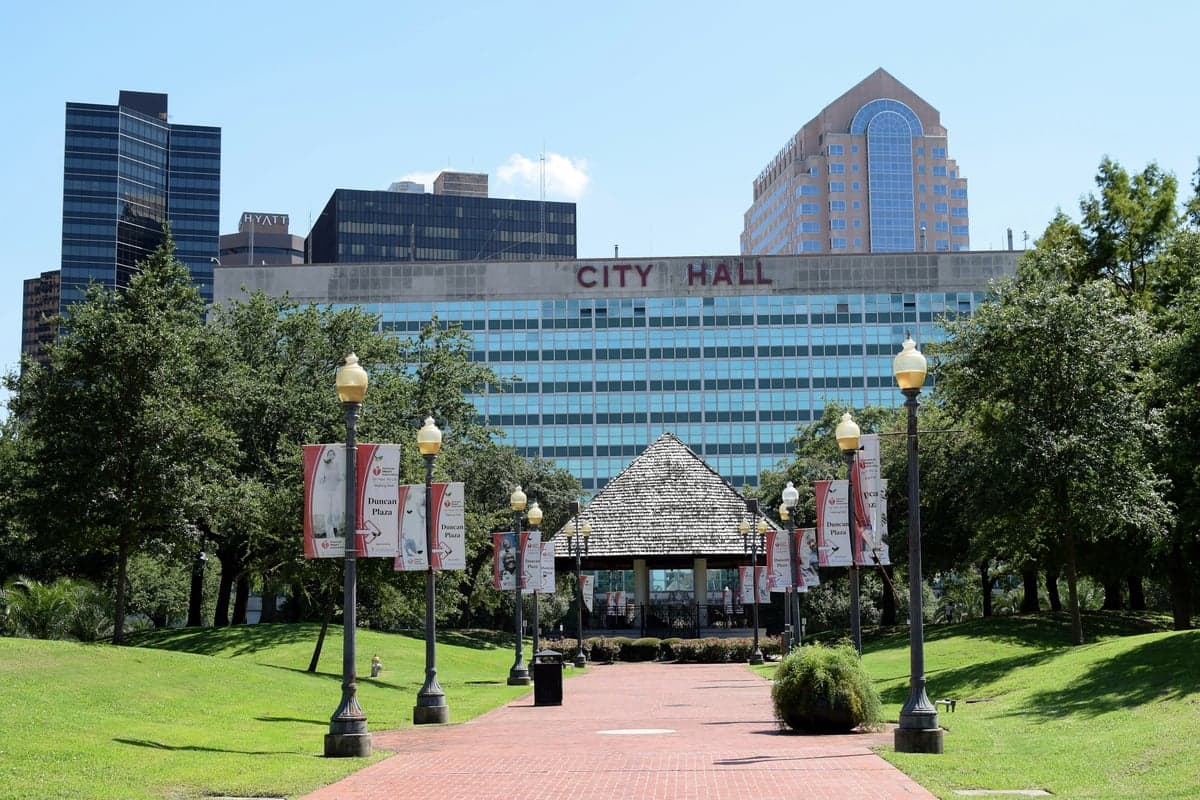
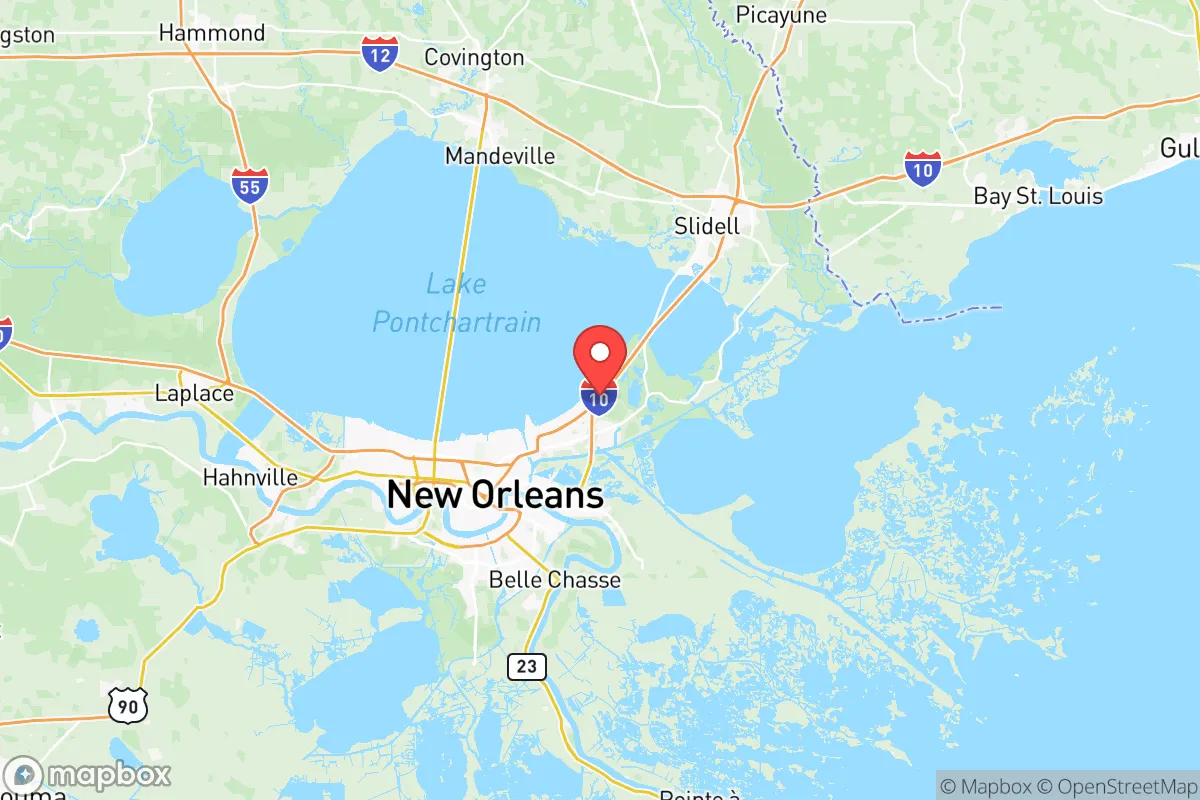
Look, Orleans Parish (what you’re calling Orleans County) is about as blue as it gets in Louisiana – a D+17 Cook PVI – while the rest of the state sits at R+10. That 27-point gap isn’t just numbers; it’s two different worlds living under the same state flag. Back in the 90s, this city was more of a moderate Democratic stronghold, but over the last two decades, especially after Katrina, the political machine shifted hard left. Now you’ve got a city council that’s openly pushing progressive pet projects, from defunding police rhetoric to sanctuary city policies, while the state legislature in Baton Rouge fights to keep property rights and gun freedoms intact. It’s a tug-of-war, and locals like me feel the squeeze every election cycle.
How it compares
Statewide, Louisiana’s R+10 lean means most parishes vote red by comfortable margins – think DeSoto, Rapides, even parts of Jefferson Parish near Metairie. Orleans is the glaring exception. Inside the parish itself, the political map is stark: neighborhoods like Lakeview and parts of Algiers still lean slightly redder than the city average, but Uptown and the Garden District are solidly blue, and places like the 7th Ward, Treme, and the Lower 9th Ward are deep blue. The real swing action isn’t in Orleans – it’s in the surrounding suburbs. Metairie and Kenner (Jefferson Parish) vote reliably red, while the Northshore (St. Tammany) is even redder. So if you live inside Orleans, you’re effectively living in a blue island. The progressive majority on the city council has rammed through policies like a higher minimum wage ordinance (which the state blocked) and a push to remove historical statues. It’s a constant back-and-forth: Baton Rouge passes a preemption law to stop local gun ordinances, New Orleans tries to impose its own curfews and business restrictions. That kind of government overreach into personal freedoms – especially during COVID and the mask mandates – rubbed a lot of us the wrong way. You used to be able to count on a live-and-let-live attitude here, but now it feels like every block has a new regulation or a new surveillance program.
What this means for residents
If you value low taxes, limited government, and the right to make your own choices without a city hall bureaucrat sniffing around, Orleans is getting tougher. Property taxes in Orleans are higher than the state average – about 1.15% effective rate versus Louisiana’s 0.55% – and the city is always looking for new fee streams, like a proposed stormwater fee tied to impervious surface area. Meanwhile, the state legislature has been passing reforms like a flat state income tax and constitutional carry (permitless concealed carry), which the city mostly ignores or fights in court. For families, the school system is still a mess despite some charter successes – most folks I know with kids either go private or move to St. Tammany. The crime situation is another point: violent crime rates in Orleans are roughly three times the national average, and the progressive DA’s policies on bail reform and low-level charges have made some streets feel lawless. Honestly, a lot of longtime residents have already cashed out and moved to Covington or Mandeville. Those who stay are either deeply invested in the culture or just don’t want to deal with moving.
One thing that hasn’t changed – and probably won’t – is the city’s unique cultural muscle. The food, music, and festivals (Jazz Fest, Mardi Gras) are world-class, and no state law or city ordinance can kill that. But the cultural policy distinctions are real: New Orleans has a paid sick leave mandate, a plastic bag ban, and a landlord registry that makes renting a hassle. Meanwhile, the rest of Louisiana is passing tort reform and business-friendly tax breaks. It’s like living in two different states under one governor. My advice: if you’re moving here, pick your neighborhood carefully – maybe Algiers Point or Lakeview if you want a bit more breathing room from the progressive agenda. Just know that the county line might as well be a border.

State Political ClimatePolitical Climate in Louisiana
State Political AnalysisPolitical Environment in the State
Louisiana leans reliably Republican with a Cook PVI of R+10, but that number masks a state that's been shifting rightward over the past 20 years—from a purple-tinged Deep South state that occasionally elected Democrats to one where GOP dominance now feels baked in. The 2023 election of conservative firebrand Governor Jeff Landry, who succeeded moderate Democrat John Bel Edwards, cemented a Republican trifecta across the executive and legislative branches. The trendline is clear: the old-school populist Democrats who once held sway in places like Lake Charles and northern Louisiana have mostly faded, replaced by a more cohesive GOP coalition built on cultural conservatism and economic pragmatism. For a conservative looking to relocate, the state's political arc is encouraging, though notable pockets of progressive influence remain in New Orleans and Baton Rouge.
Urban vs. rural divide
The political map of Louisiana is textbook geography—deep red everywhere except the urban corridors that hug the Mississippi River. New Orleans is the state's deep-blue anchor, delivering heavy Democratic margins from its diverse, more socially liberal population. Baton Rouge also leans blue, though less overwhelmingly, thanks to the state government workforce and LSU's academic influence. Meanwhile, the northern half of the state—Shreveport and Monroe included—voted strongly Republican, with rural parishes like Caddo (outside Shreveport) seeing steady GOP gains. The suburban crescent from Covington down to the southshore suburbs of New Orleans—places like Mandeville, Slidell, and Houma—are reliably red. The I-10 corridor between Lafayette and Lake Charles is also solidly conservative. One notable shift: even historically Democratic-leaning Cajun parishes like Acadia and Vermilion have drifted right. So as a newcomer, your local political experience will depend heavily on which metro you pick: choose the North Shore or Acadiana for a conservative-friendly environment; choose Orleans Parish and you're in a blue bubble.
Policy environment
Louisiana's policy climate has become steadily more conservative under the current trifecta. On taxes, the state in 2024 moved from a graduated income tax to a flat 3% rate, with robust homestead exemptions keeping property taxes low—great news for homeowners. Sales taxes, however, remain high (state rate 4.45%, plus local surcharges often pushing above 10%), a trade-off many locals grumble about but accept. The regulatory posture is business-friendly, with a right-to-work status and tort reform under Act 1 of the 2020s that capped certain civil damages. Education policy has been a battleground: Louisiana has a well-established school voucher program (the Louisiana Scholarship Program) and recently passed the LA Parental Rights in Education law (Act 166 of 2024), requiring school districts to notify parents of any material change in a child's mental, emotional, or physical health—essentially a "don't ask, don't tell" ban on transgender accommodations without parental consent. Healthcare is a mix: the state expanded Medicaid under Edwards, but Landry has pushed to rein in costs and introduced work requirements for able-bodied recipients. Election laws are solidly conservative—voter ID is required, absentee voting requires an excuse, and early voting exists but is limited to a week. Concerns about election integrity have led to additional audits and verification steps, though no major controversies like in 2020.
Trajectory & freedom
Louisiana is clearly moving toward more personal freedom for conservatives, though not uniformly. The most celebrated win for the Right is the passage of constitutional carry (permitless concealed carry) in 2024—a major expansion of Second Amendment rights that had been stalled under previous administrations. On parental rights, Act 166 is one of the strongest in the South, giving parents more control over their children's education and medical decisions. Property rights have been strengthened with the passage of an anti-ESG law (Act 120 of 2024) that prevents state investment firms from boycotting energy companies, protecting Louisiana's oil-and-gas economy. Medical autonomy remains a flashpoint: while the state banned most abortions after a heartbeat (Act 88 of 2022), it also passed a law protecting medical professionals from being forced to participate in procedures against their consciences. The trajectory is toward less government overreach in areas conservatives care about—guns, family, and business—but left-leaning local governments in New Orleans and a few parishes continue to pursue progressive policies like sanctuary city ordinances (usually symbolic) and higher minimum wages. The state Legislature has pushed back with preemption laws, banning local gun control and restrictively limiting local wage ordinances, preserving statewide uniformity.
Civil unrest & political movements
Compared to larger states, Louisiana's civil unrest has been relatively contained. Following the George Floyd protests, Baton Rouge and New Orleans saw demonstrations that sometimes turned destructive, with statues toppled and local businesses damaged, but state and local law enforcement restored order within days. More recent flashpoints revolve around immigration and policing: a push by some activists for "abolish the police" rhetoric has gained zero traction at the state level, and Landry signed a law in 2024 requiring local law enforcement to cooperate with federal immigration authorities (Act 500), effectively banning sanctuary city policies. On the right, grassroots groups like the Louisiana Republican Assembly and EBRP (East Baton Rouge Parish) GOP have been active in school board races and election integrity oversight. Secession talk exists mostly online; nullification rhetoric has appeared around Second Amendment sanctuary resolutions, but these are largely symbolic. The most visible political movement today is a widespread frustration with high auto insurance rates and property insurance costs—a bipartisan complaint that sometimes spills into protests against the insurance commission. Election integrity controversies have been minor; Louisiana's voter rolls are clean, and no major fraud cases have changed outcomes. Overall, civil unrest is low compared to many states, and even in liberal pockets, daily life feels stable.
Projection
Over the next 5–10 years, Louisiana's political direction will likely remain steadfastly conservative, but with notable demographic headwinds. The state is losing population overall—especially younger, college-educated workers to Texas and Florida—while those who stay tend to be older, whiter, and more conservative, reinforcing the Republican edge. However, New Orleans and Baton Rouge may attract some new residents from high-tax states, but not at the scale of Texas or Tennessee. The ongoing Republican trifecta means more conservative legislation on the way: further tax cuts (maybe a shift to no income tax), stricter limits on insurance litigation to lower rates, and additional parental rights expansions. One wild card is climate-related migration: if coastal parishes lose population to hurricanes, the remaining political geography may shift even more inland, boosting the influence of conservative northern parishes. For a conservative moving in now, expect the state to become slightly more red, with a durable GOP majority, low personal taxes, and solid protections for gun, family, and property rights. The progressive pressure from New Orleans will be contained by state preemption, but local blues may still win city offices—so choose your parish carefully.
Bottom line: If you want a state where conservative values drive the majority of policy, where your Second Amendment rights are broad, parental authority is protected, and taxes are moving toward flat efficiency, Louisiana is a strong bet. You'll still contend with high local sales tax, a hot insurance market, and the occasional blue patch in New Orleans and Baton Rouge, but the overall trajectory is freedom-friendly for those who lean right.
* Values derived from national, state, county, city and local statistics and may differ in a specific area. Last updated: 2026-06-01T12:06:48.000Z
Narrative content on this page is AI-generated and may contain mistakes. Verify any details that matter before acting on them.
ReloMaps may earn a commission from affiliate links at no extra cost to you.

