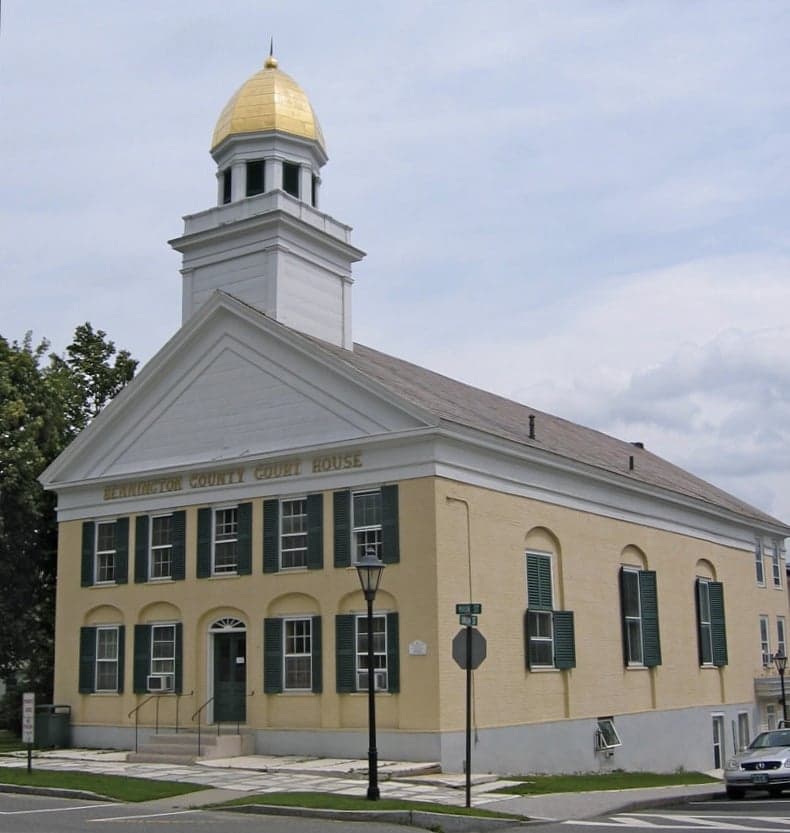
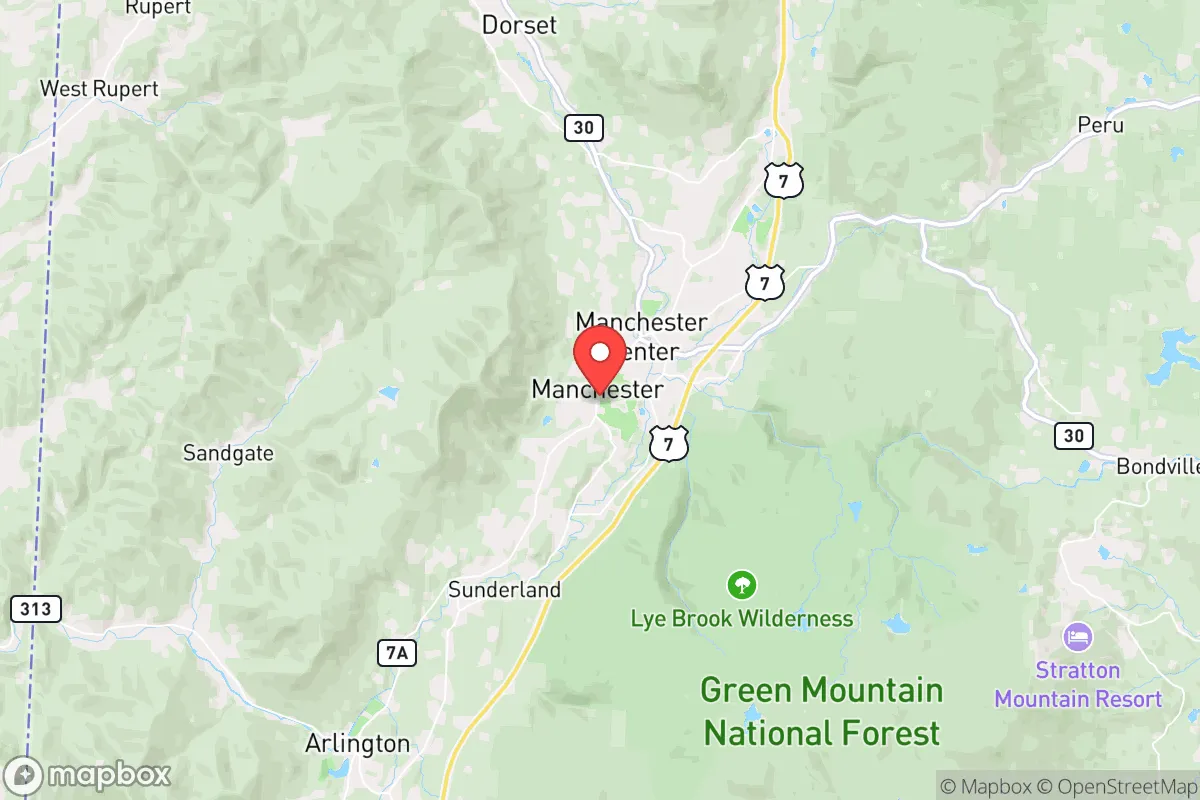
Photo: Wikipedia
Quality of Life in Manchester, VT
A high quality of life with strong walkability, manageable living costs, healthy neighborhood signals, and solid amenity access.
What does Quality of Life tell us?
Quality of Life blends cost of living, nearby amenities, socioeconomic signals, and neighborhood character. City-level scores represent the whole municipality; individual neighborhoods can differ.
What does this tell us?
Quality of Life blends cost of living, nearby amenities, socioeconomic signals, and neighborhood character. City-level scores represent the whole municipality; individual neighborhoods can differ.
Cost of Living
10% below national average
The Real Cost of Living in Manchester, VT for 2026
| Tier | Individual | Family (4) |
|---|---|---|
| Survival | $11k | $20k |
| Comfortable | $89k | $131k |
| Luxury | $113k+ | $176k+ |
| Elite (Top 5%) | $160k+ | $247k+ |
48%
The Area Signal
A metric tracking the socioeconomic signals of the area.
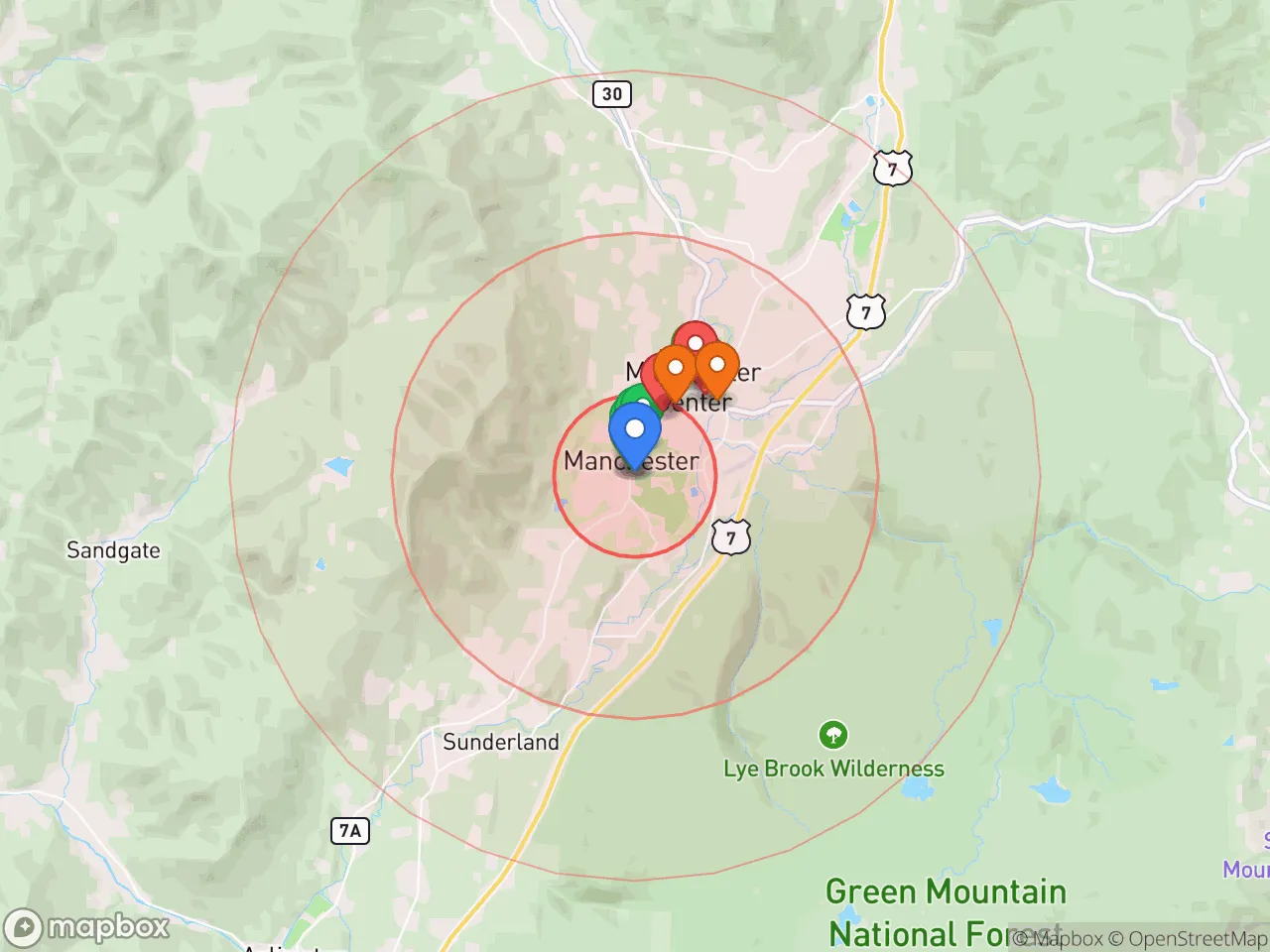
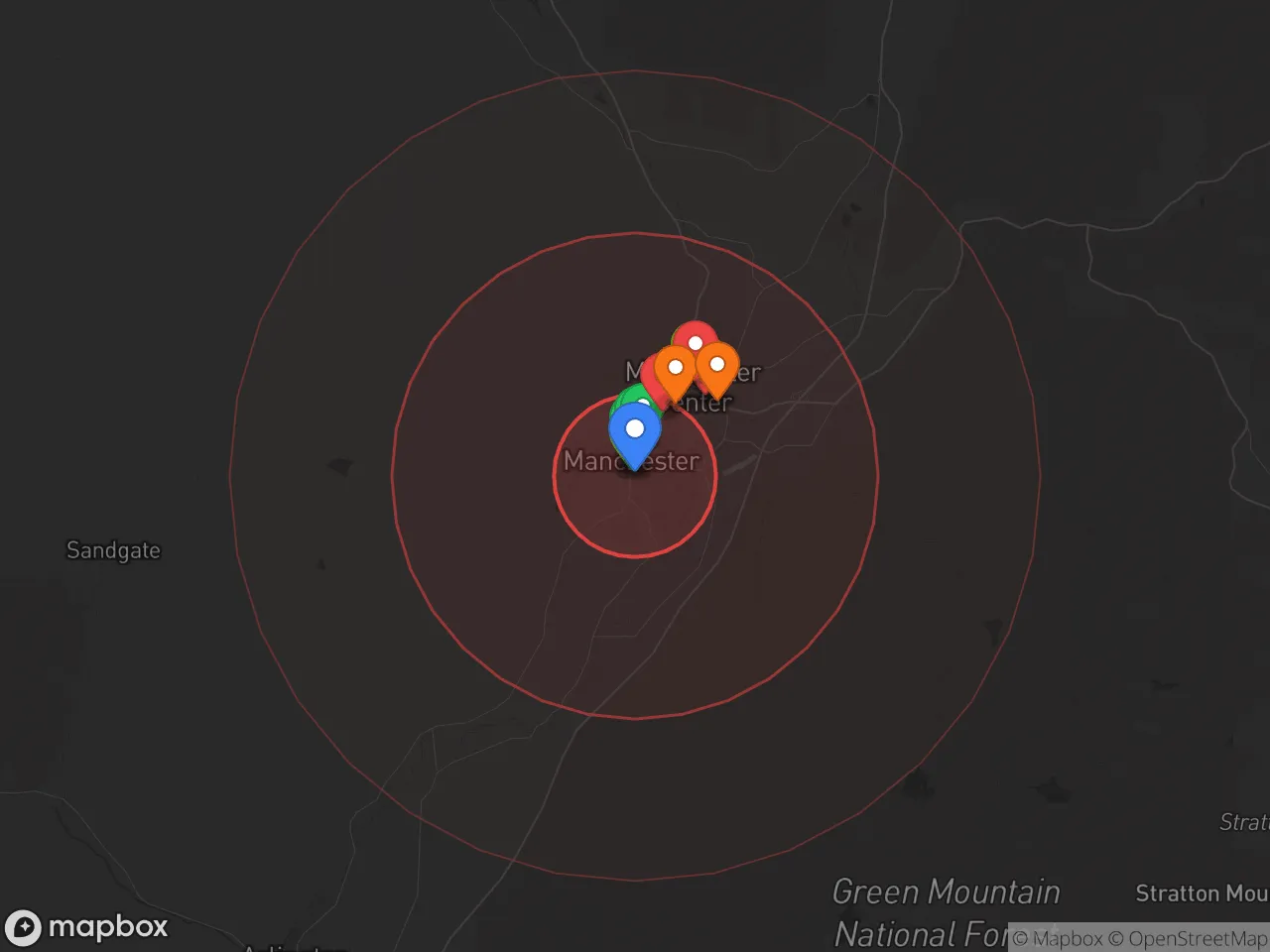
Hobbies
Explore the areaGroceries
2 within 10 miles
Gas
10 within 10 miles
Hospital
0 within 20 miles
Airport
PDX — Portland International Jetport
Post Office
USPS — Manchester, VT
Critical Amenities
Quality-of-Life Analysis
Manchester, Vermont, presents a distinctive quality-of-life profile that blends small-town New England charm with a surprising degree of affluence, driven largely by its status as a premier resort and outlet-shopping destination. The year-round population of roughly 4,500 is a mix of long-standing local families, second-home owners from the New York and Boston metro areas, and a growing cohort of remote workers drawn by the area's natural beauty and relatively lower cost of living compared to major urban centers. This creates a community that is simultaneously rustic and polished, where a working dairy farm might sit just down the road from a high-end boutique.
Cost of living, housing, and affordability compared to nearby areas
Manchester's overall cost of living index sits at 90 (10% below the U.S. average), a figure that masks significant internal disparities. The most striking outlier is housing: the median home value is $458,100, which is substantially higher than the Vermont state median of roughly $290,000 and far above the national median. This premium reflects the town's desirability as a vacation and second-home market. However, the median rent is a remarkably low $479, a figure that is heavily influenced by a stock of older, rent-stabilized units and long-term tenant relationships. For a new renter, market-rate apartments typically range from $1,200 to $1,800 per month. Compared to nearby towns like Dorset or Arlington, Manchester offers more commercial services and a wider range of housing types, but at a higher price point than less tourist-oriented communities like Danby or Rupert. For buyers, the market is competitive, with many properties selling above asking price, particularly those near the ski areas or with views of the Green Mountains.
Local amenities, schools, and the daily rhythm of life
Daily life in Manchester revolves around a compact, walkable downtown along Main Street and the adjacent Route 7A corridor. The town is anchored by the Manchester Designer Outlets, which draw significant tourist traffic but also provide residents with convenient access to major retailers. For groceries and essentials, the Price Chopper and the Manchester Village Market serve the community, while farm-to-table dining is well-represented at places like the Silver Fork and the Reluctant Panther Inn. The Burr and Burton Academy, a private secondary school that also serves as the town's public high school through a tuition arrangement, is a major asset, consistently ranking among the top schools in Vermont. The elementary school, Manchester Elementary Middle School, is well-regarded. The daily rhythm is distinctly seasonal: winter brings skiing and snowboarding at Bromley Mountain and Stratton, while summer and fall are dominated by hiking, fly-fishing on the Batten Kill River, and leaf-peeping tourism. The town's library, the Mark Skinner Library, and the Southern Vermont Arts Center provide cultural anchors year-round.
Manchester is best suited for individuals and families who prioritize outdoor recreation, a strong sense of community, and a slower pace of life, but who also want access to quality dining, shopping, and cultural amenities without driving an hour. It is an excellent fit for remote workers who can afford the housing premium, retirees seeking a scenic and active lifestyle, and families who value the educational opportunities at Burr and Burton. Those on a tight budget, especially renters looking for new market-rate apartments, may find the housing market challenging. The town's economy is heavily tied to tourism, which means seasonal crowds and traffic on Route 7A can be a frustration, but for those who embrace the rhythm of the seasons, Manchester offers a quality of life that is hard to match in rural New England.

Crime in Manchester, VT
Lower crime rates than 88% of comparable U.S. locations.
Violent CrimeViolent Crime Analysis
Property CrimeProperty Crime Analysis
Crime Analysis
Manchester, Vermont, presents a notably mixed safety profile. While its violent crime rate of 67.3 per 100,000 residents is exceptionally low, its property crime rate of 1,211.3 per 100,000 is significantly elevated, placing it well above both state and national averages. This combination means that while the risk of a violent confrontation is minimal, the likelihood of experiencing theft, burglary, or vandalism is a tangible concern for residents and visitors alike.
Crime in context
To understand Manchester’s safety landscape, it is essential to compare its rates against broader benchmarks. The violent crime rate of 67.3 per 100,000 is roughly one-fifth the national average and aligns with Vermont’s reputation as a very safe state for violent offenses. However, the property crime rate of 1,211.3 per 100,000 is approximately 40% higher than the national average and nearly double the Vermont state average. This disparity is a key characteristic of the town’s crime environment. It is also important to note that Vermont, like many states in the Northeast, has increasingly adopted progressive criminal justice reforms. While these policies aim to reduce incarceration, critics argue they can lead to a revolving-door effect for property offenders, potentially contributing to the elevated property crime numbers seen in towns like Manchester.
What residents experience
For those living in or moving to Manchester, the day-to-day reality is one of low personal danger but high vigilance regarding possessions. The town’s status as a popular tourist and second-home destination, particularly around the Equinox Resort and the Manchester Designer Outlets, creates a transient population that can be a target for theft from vehicles and shoplifting. Residents commonly report issues with unlocked cars being rifled through and packages being stolen from porches. The low violent crime rate means that walking alone at night is generally considered safe, but the persistent property crime issue requires proactive measures like securing homes, using outdoor lighting, and installing security cameras. The influence of progressive prosecution policies in Bennington County, where Manchester is located, may mean that repeat property offenders face fewer consequences, reinforcing the need for personal property protection.
Neighborhood-level variation
Crime in Manchester is not uniformly distributed. The highest concentration of property crime occurs in the commercial core along Main Street (VT Route 7A) and the areas surrounding the outlet shopping centers, where foot traffic and tourist activity are highest. Residential neighborhoods further from the main thoroughfares, such as those in the Manchester Village historic district or the more rural stretches of the town, experience significantly fewer incidents. The wealthier, more secluded areas with larger properties and lower population density tend to have the lowest crime rates overall. Prospective residents should be aware that while the town’s overall violent crime is negligible, choosing a home away from the commercial corridor can substantially reduce the already manageable risk of property crime.
* Values derived from national, state, county, city and local statistics and may differ in a specific area. Last updated: 2026-04-30T10:46:40.000Z
Narrative content on this page is AI-generated and may contain mistakes. Verify any details that matter before acting on them.
ReloMaps may earn a commission from affiliate links at no extra cost to you.

